From Gemini to Dark Cherry, How AI, Hardware, and Government Money Are Reshaping the Device Roadmap
Walk into any conversation about consumer tech right now and you’ll hear the same thing. Everything is moving at once. AI models are getting smarter. Phones are getting subtle but meaningful design tweaks. And governments are starting to place serious bets on technologies that won’t pay off for years. For developers and engineers, the challenge isn’t just keeping up. It’s figuring out which signals actually matter for the products they’re building today.
Google I/O 2026 Set the Stage
Google’s annual developer conference kicked off with a clear three-part agenda. Better core AI models, deeper integration of Gemini across products, and more agentic features that let AI take multi-step actions on your behalf. Think less about a chatbot that answers questions and more about a system that can plan your trip, synthesize documents, or handle permissions across services. All while you sleep.
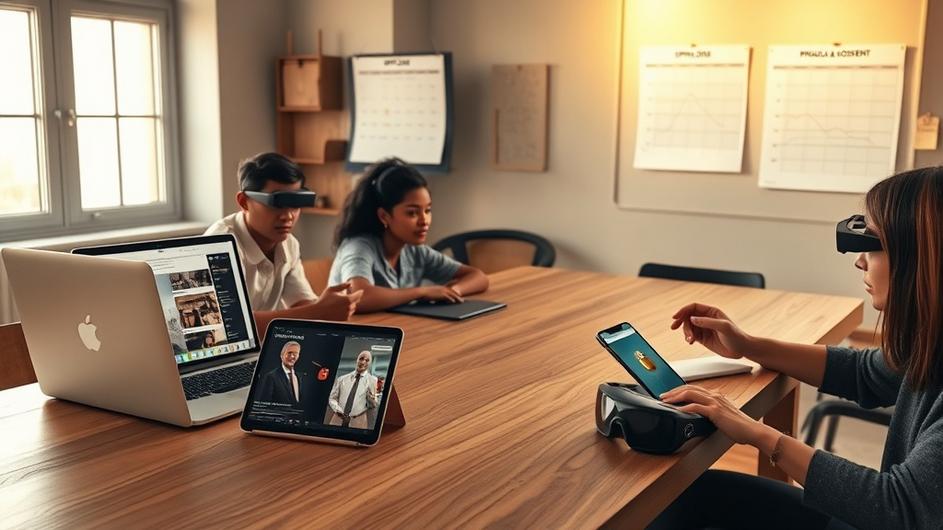
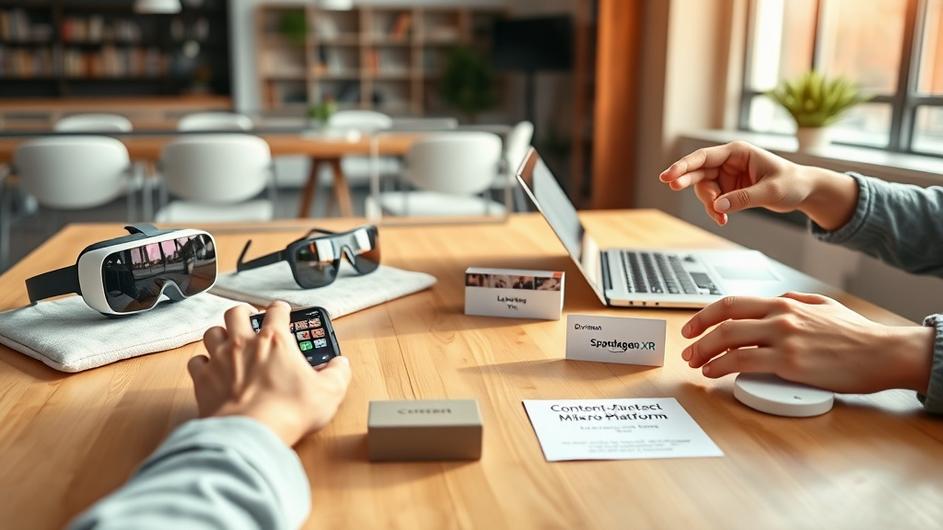
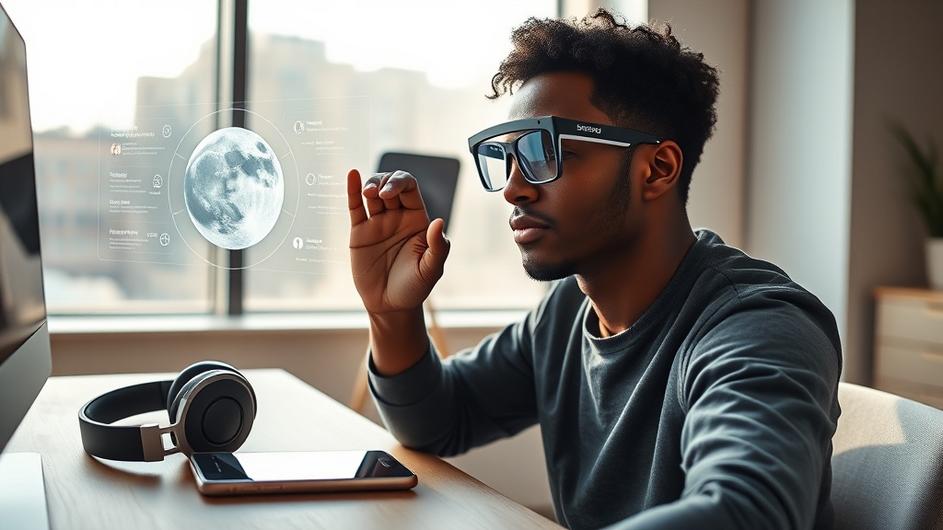
Google I/O 2026 also gave the clearest roadmap yet for Android XR. The company showed prototypes and teased consumer devices coming this fall. That’s a big deal for developers who have been waiting for spatial computing to feel less like a science project and more like a platform.
Here’s what the shift from “AI as assistant” to “AI as actor” actually means. You’re going to need richer APIs. Clearer consent models. Audit trails for every action an agent takes on behalf of a user. It’s a different kind of engineering challenge, one that blends privacy, permissions, and event-driven architecture into something users can trust.
Hardware Reacts to the AI Wave
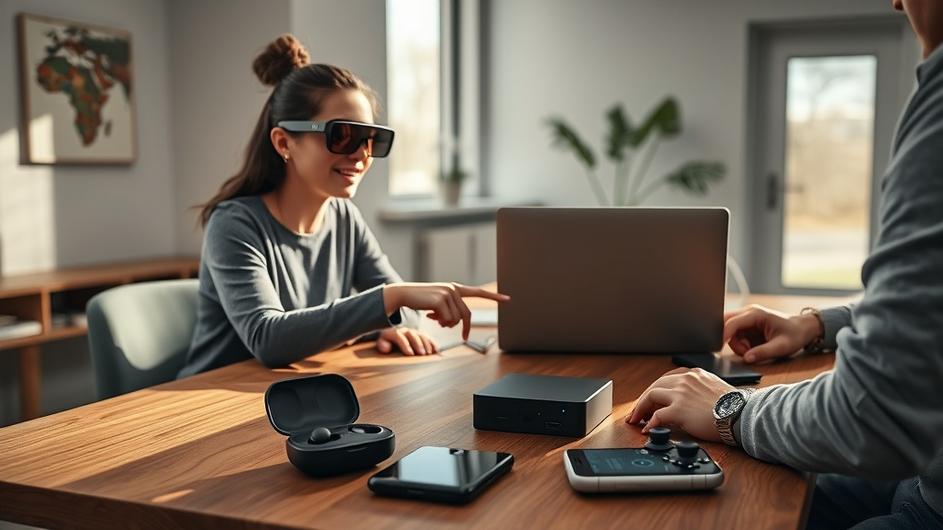
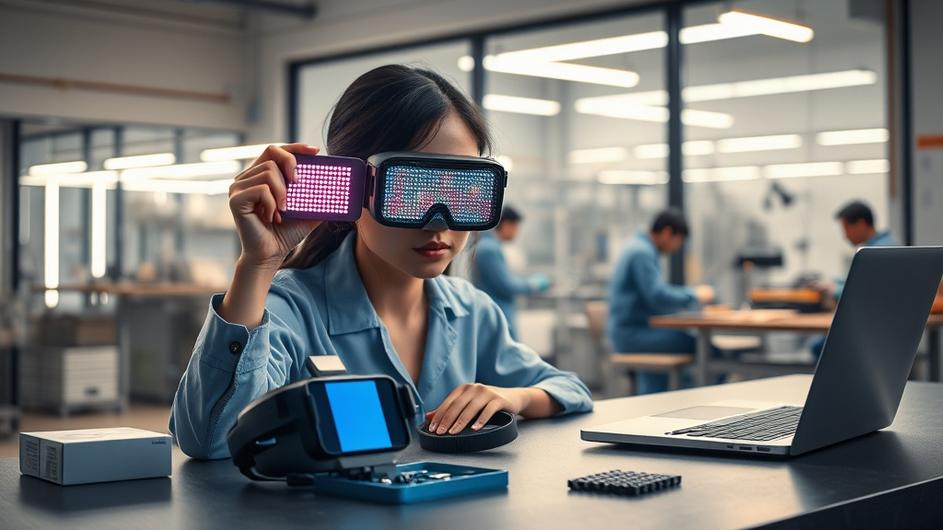
Google’s Android XR prototypes aren’t just about wearing a computer on your face. They’re a platform design problem. Smart glasses demand context-aware interfaces, low latency pipelines, and power-efficient audio and video processing. The trick is delivering glanceable information without turning the user’s field of view into a spammy notification feed. AI features need to feel helpful, not intrusive.
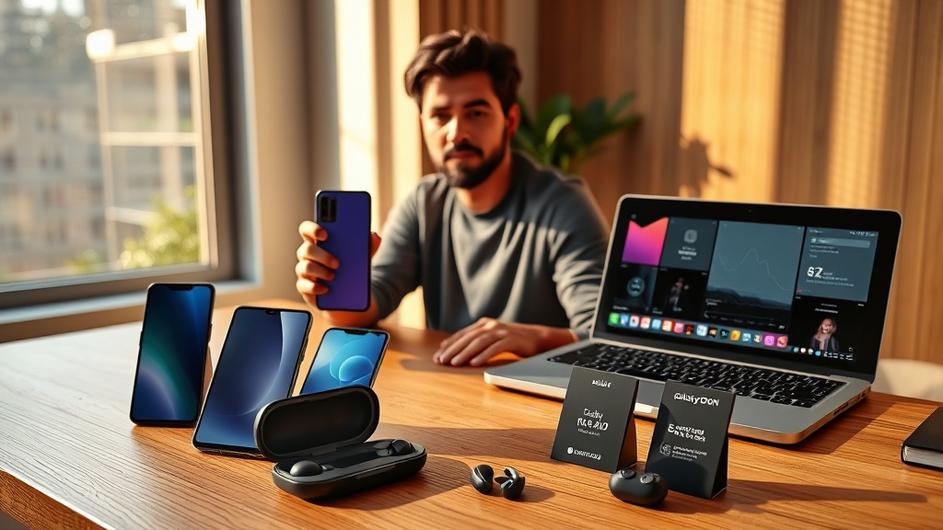
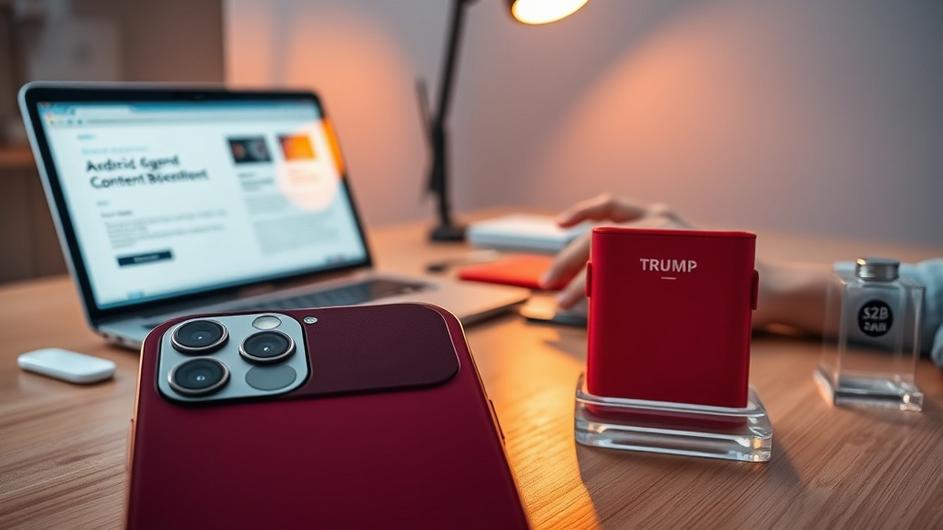
Meanwhile, the phone market keeps churning. Leaks around Apple’s upcoming iPhone 18 Pro show incremental but real refinements. Fresh color options, including a standout Dark Cherry. A slightly thicker chassis. Screen protector leaks hint at a smaller Dynamic Island cutout, which will subtly shift how notifications and interactions surface on the display.
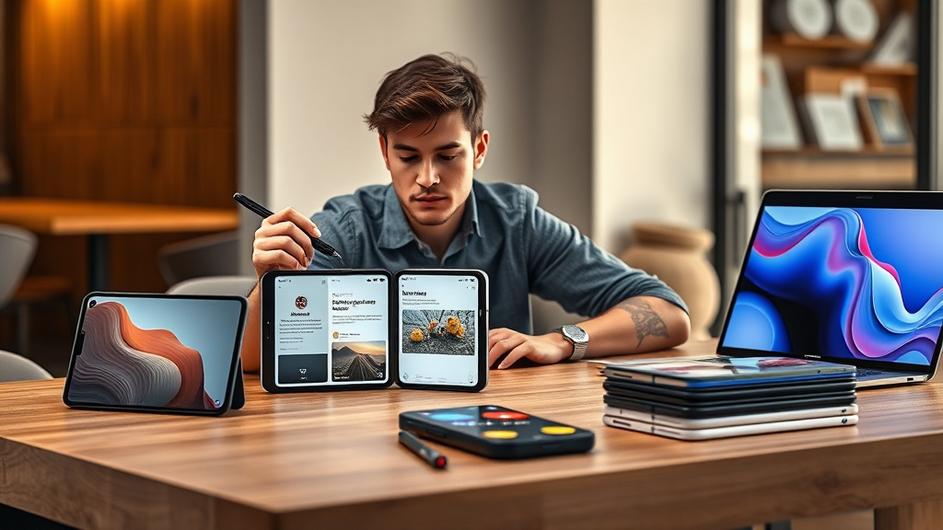
Sound like small stuff? It is. But those changes ripple through the entire ecosystem. UI layouts need adjustment. Case makers have to retool. MagSafe alignment shifts. For developers, these tiny geometry updates affect everything from accessory compatibility to how apps handle the notch area. Small hardware moves have a way of becoming big supply chain headaches.
The Weird Phone on the Block
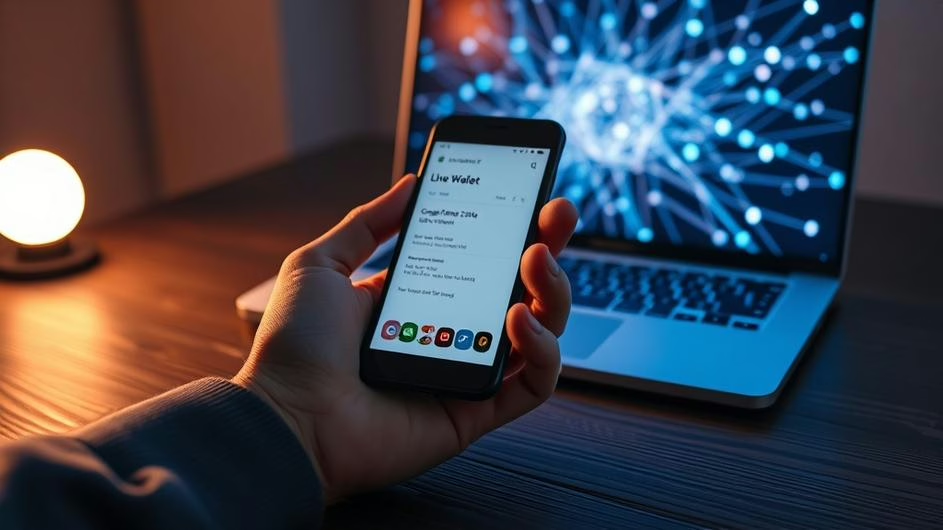
On the other end of the handset spectrum, something unexpected is happening. A new device marketed under Trump Mobile recently got the live Q&A treatment, with product people walking through features and positioning. Will it become a mainstream platform? Probably not. But the event highlights a reality that’s easy to overlook in an Apple-versus-Samsung world. Niche hardware and differentiated ecosystems can still attract passionate user bases.
For developers, that means thinking about platform fragmentation in a new light. Maybe the play isn’t to ignore smaller ecosystems but to serve them through progressive web apps, modular SDKs, or web-based tools that adapt across vendors. It’s not about building for every phone. It’s about building in a way that doesn’t lock you out of emerging audiences.

The Quantum Check
Beyond phones and glasses, a macro move deserves attention. The U.S. government is planning to invest roughly $2 billion into quantum computing firms in exchange for equity. This isn’t a short-term subsidy. It’s a strategic push to accelerate research, build production capacity, and anchor supply chains domestically.
Quantum computing isn’t going to replace your laptop anytime soon. But it will start migrating from lab curiosity toward specialized cloud services. Early wins will show up in chemistry simulation, optimization problems, and cryptography research. Developers should watch the tooling landscape and experiment with hybrid systems that let classical code orchestrate quantum routines.
What This All Means for the People Building Stuff
Take a step back and these threads start weaving together. AI is redefining how users interact with devices. XR is opening new dimensions for interface design. Iterative hardware updates keep nudging the practicalities of mobile development. And government quantum investments signal that some long-term bets are being accelerated.
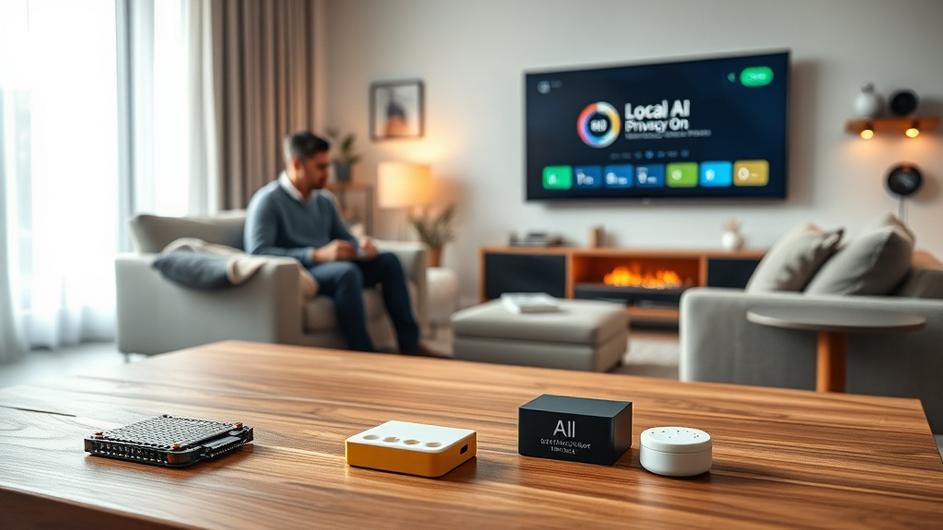
For engineers and product teams, the playbook is pretty practical. Design for changing device geometries. Adopt privacy-first patterns for AI features. Prepare backend systems for agentic workflows. Experiment with XR use cases that prioritize utility over spectacle. And keep an eye on quantum services, but think hybrid. Bridge classical and quantum computation where it makes sense.
This is a convergence moment. The incremental improvements in phones and cases matter because they’re the platform most people use to access AI. The bold investments in quantum matter because they’ll enable kinds of compute we can only imagine today. And XR plus smarter assistants means the way people interact with silicon will become more natural and more capable.
Looking Ahead
Expect a layered evolution. Near term, AI will power richer experiences on familiar hardware. Mid term, new form factors like XR glasses will change interaction paradigms. Long term, quantum and other deep tech investments will expand the toolkit available to teams ready to use them.
The companies and developers who thrive will be the ones who treat these trends not as separate headlines but as interconnected design constraints and opportunities. Build for interoperability. Build for privacy. Build for resilience. The rest is just hardware.
Sources
- Watch Google Unveil Its Biggest Updates at Google I/O 2026 in 13 Minutes – CNET
- Google I/O kicks off with reveals on AI models, Gemini product expansion, and agentic features – Seeking Alpha
- iPhone 18 Pro: Leaked video, case images reveal new color variants of Apple’s 2026 flagships – Notebookcheck
- Live Q&A With the Trump Phone: All Things Mobile Live – CNET
- A major leap: US gov. to award $2 billion to quantum computing companies in exchange for equity – PC Gamer