
WWDC 2026 and the New Hardware Era, From Apple Intelligence to Minimalist Wearables
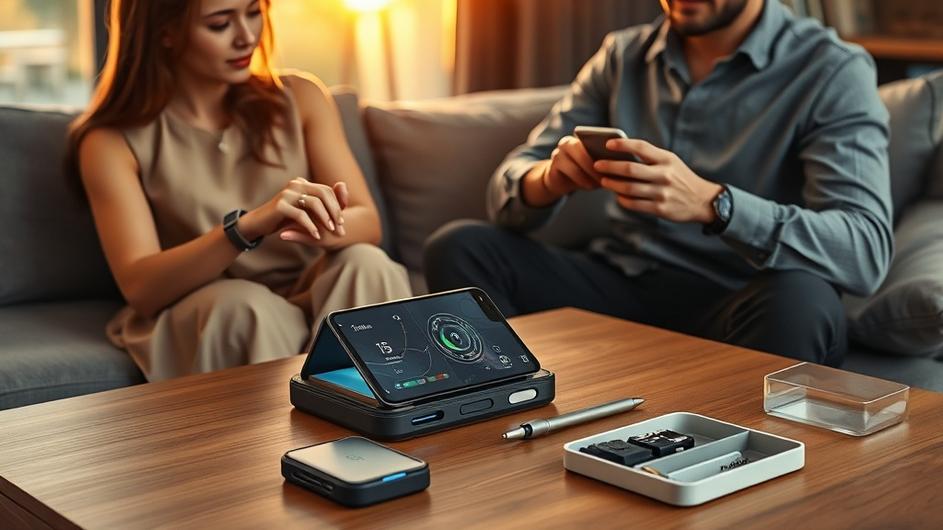
Apple is heading into WWDC 2026 with a lot more on its plate than just software updates. And that’s not hyperbole. The chatter around new devices, AI features, and shifting hardware priorities is starting to feel like the opening act of a broader industry pivot. Leaks point to as many as nine new Apple devices, ranging from refreshed Macs to hybrid form factors that blur the line between tablet and laptop. The company is expected to frame many of those launches around Apple Intelligence, its push to bake generative and on-device AI into everyday experiences.
At the same time, the gadget market is trending toward higher price points and more specialized hardware. We are talking XR smart glasses, modular home batteries, and premium audio gear. That mix of ambition and scarcity will shape what developers build in the months ahead. So what does this all mean for the people actually writing the code?
Apple Intelligence, Explained in Plain Terms
Let’s strip the marketing language away. Apple Intelligence is a platform-level layer that brings new generative and predictive capabilities to apps and system services. Some of it runs locally on device silicon, which helps with latency and privacy. Other parts use cloud augmentation when they need heavier lifting.
For developers, this translates into new APIs, more emphasis on offline models, and tighter integration between AI-driven features and standard app workflows. Expect announcements that touch iOS, iPadOS, watchOS, and macOS alongside updated assistant capabilities. But here is the practical reality: hardware constraints like RAM and storage shortages may limit how broadly new features can roll out at launch. Not every device in the wild will be able to run everything Apple announces.
This is not a minor detail. Multiple reports suggest RAM and storage shortages could constrain initial availability for some new Apple SKUs. For developers, this is a reminder that the installed base of users will be a patchwork of device capabilities. Optimizing for memory usage, providing graceful feature fallbacks, and testing across lower-spec hardware will matter more than ever. The era of expecting uniform, always-powerful devices is fading fast.
Two Directions at Once
While Apple prepares to talk about future wearables and its software road map, the broader gadget landscape tells a more complicated story. Two parallel tendencies are emerging.
On one side, consumers and manufacturers are heading toward premium, purpose-built devices. Recent product roundups show high-end headphones, gaming laptops with massive screens, and XR eyewear carving out their markets and commanding higher prices. People are willing to pay more for devices that do one thing extremely well.
On the other side, there is genuine appetite for calculated minimalism. Google’s new Fitbit Air illustrates this perfectly. Priced around one hundred dollars, the Fitbit Air strips away screens and notifications and focuses on core health tracking. That product points to a countertrend where form follows longevity and simplicity rather than feature overload.
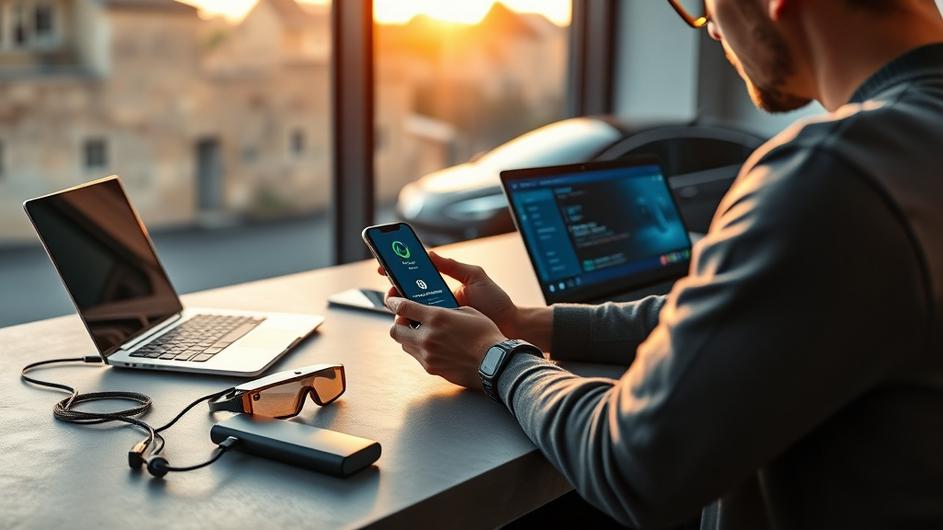
This divergence matters to developers in a very practical way. If wearables fragment into full-featured smartwatches and ultra-light health trackers, you will need to design modular user experiences. A fitness app should offer a rich visual interface for a watch with a display. But it should also provide meaningful, glanceable summaries for screenless trackers. Data synchronization, battery-friendly sensors, and low-bandwidth model inference become central concerns when your product has to perform across that spectrum.
Computex and the Extremes of Hardware
Hardware shows like Computex are reinforcing this fragmentation. Laptop makers are experimenting with extremes. They are shipping 1-kilogram ultralights alongside 18-inch desktop-replacement machines. We saw Acer showing both ends of that spectrum at this year’s show, and the result is an ecosystem where performance, thermals, and battery life are traded differently by each segment.
Developers of desktop-class applications can assume more thermal headroom and contiguous power. Creators of mobile apps and AI features, however, must architect for intermittent compute budgets and thermal throttling. Cross-platform frameworks and adaptive resource management will be more valuable than ever as this trend accelerates.
Power and energy storage are also part of this story. Modular home battery systems are getting more flexible, letting consumers scale capacity by stacking units. That trend toward modular hardware applies to many domains, from laptops with swappable components to home energy systems that let users assemble capacity as needed. For software teams, modularity in hardware invites modularity in software architecture. Decouple responsibilities, allow features to be enabled or disabled based on available resources, and keep state management resilient to changing hardware topologies.

The Privacy and Performance Tightrope
Privacy and performance will be the twin battlegrounds for AI on devices. On-device models reduce latency and keep sensitive data local, but they demand RAM, compute, and storage. Cloud-assisted AI eases local requirements but raises latency and privacy considerations. WWDC is likely to show how Apple intends to balance these tradeoffs. The company will offer developers primitives that hide complexity, but those primitives will require careful tuning to match device capabilities.
Apple’s product blitz this year is about more than just shipping hardware. It is about defining a new baseline for what on-device intelligence looks like. Developers who understand the constraints early will have a head start.
What Developers Should Do Right Now
So how do you prepare for a world where devices range from ultra-premium to ultra-minimalist, where AI runs both locally and in the cloud, and where supply chains dictate what users can actually buy?
Start by assuming heterogeneity. Test on devices at the low and high end of expected specifications. Design feature fallbacks that preserve core value even when the hardware cannot keep up.
Embrace adaptive models. Build systems that can run sliced-down versions locally or call out to cloud endpoints when resources permit. The ability to scale compute up and down based on real-time conditions will separate good apps from great ones.
Prioritize energy efficiency. Sensor polling, background inference, and synchronization are all places where small wins translate to meaningful user experiences on battery-powered devices. Users notice when an app drains their battery. They reward the ones that don’t.
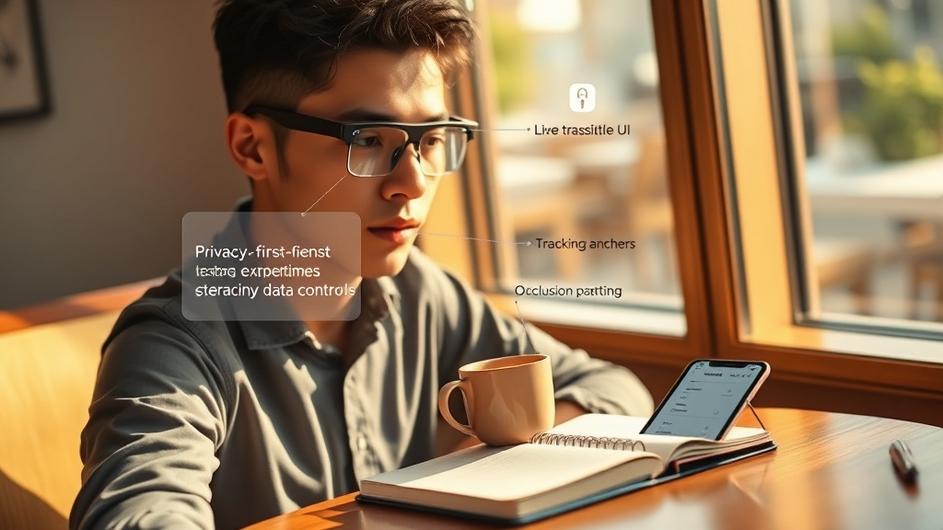
And consider privacy by design from the start. This is especially important for health and AI features, because regulatory and user expectations are rising together. The intersection of hardware boldness and software rethinks is where the next wave of innovation will happen, but only if users trust what you are building.
Why This Year Feels Different
WWDC 2026 is shaping up to be less about a single device unveiling and more about an inflection point. Software-first strategies are meeting a complex, premium hardware landscape. Apple Intelligence and future wearables will redefine expectations for what devices can do locally. But supply chain realities and market segmentation will force pragmatic design choices.
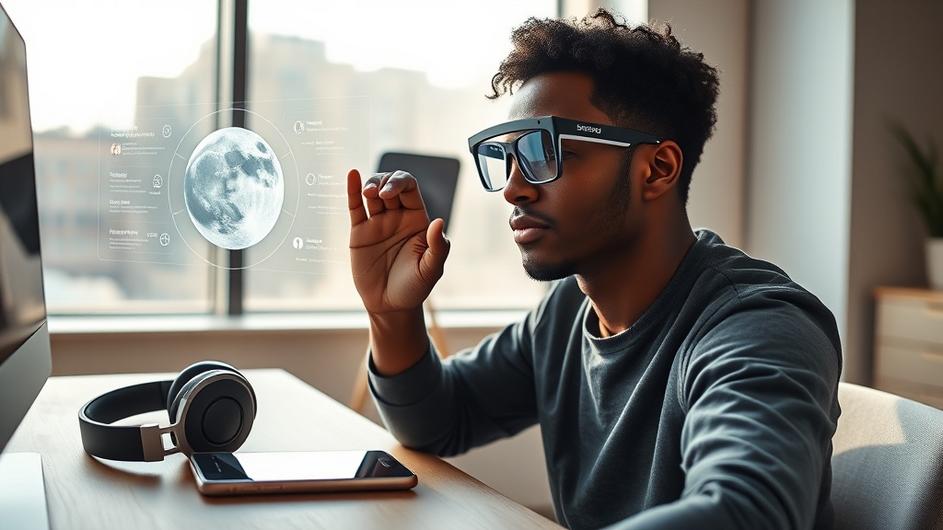
From foldables to AR glasses, the common thread is that software increasingly determines whether hardware succeeds or fails. For developers, the next year will be about building adaptable, efficient experiences that can live on a wide array of devices while exploiting new on-device AI capabilities where they make sense.
Looking ahead, these trends point toward an ecosystem that rewards modular thinking, both in silicon and software. The winners will be teams that can pivot between cloud and edge, scale down gracefully, and preserve user trust through transparent privacy practices. As devices grow more capable and more varied, the best apps will be the ones that anticipate constraints, embrace simplicity where it helps the user, and leverage on-device intelligence to create faster, more private experiences.
Sources
- Every New Apple Device Leaked Ahead of WWDC 2026 – Geeky Gadgets
- The Best Gadgets of May 2026 – Gizmodo
- Is Apple Finally Ready to Talk Future Wearables at WWDC? – CNET
- Fitbit Air Review: Affordable, Minimalist Health Tracking – CNET
- From 1-Kilo Ultralights to 18-Inch Monsters: Acer’s Computex 2026 Laptops – CNET
- The AI and AR Pivot: What Google I/O, WWDC, and 2026 Hardware Moves Mean for Developers – TechDailyUpdate
- 2026 Device Moment: Apple’s Product Blitz, the AR Glasses Surge, and What It Means for Developers – TechDailyUpdate
- From Foldables to AR Glasses and the Software That Holds It Together – TechDailyUpdate
- Hardware Boldness and Software Rethinks: What April 2026 Reveals About the Next Wave of Devices – TechDailyUpdate
- From Chips to Glasses to Laptops: 2026 Is the Year AI Hardware Goes Mainstream – TechDailyUpdate