2026, Put on Your Glasses: How Smart Eyewear Is Remaking the AI Era
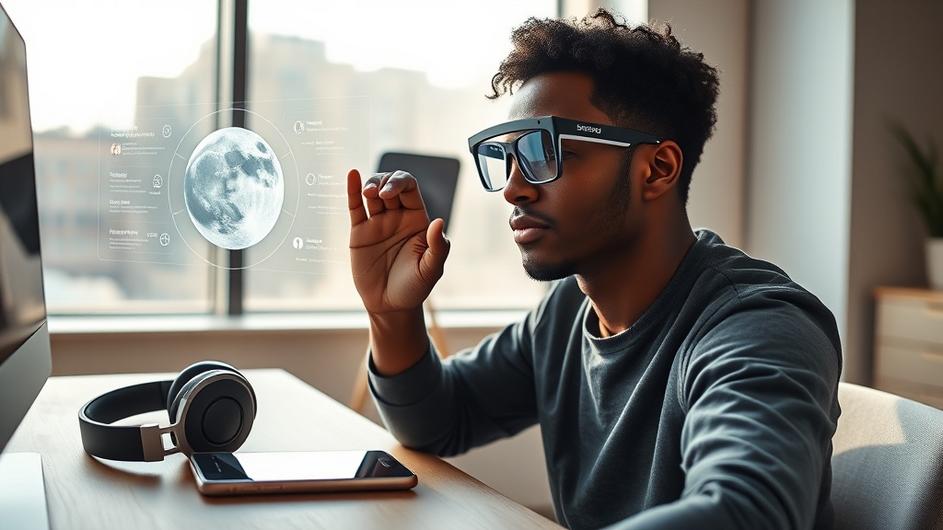
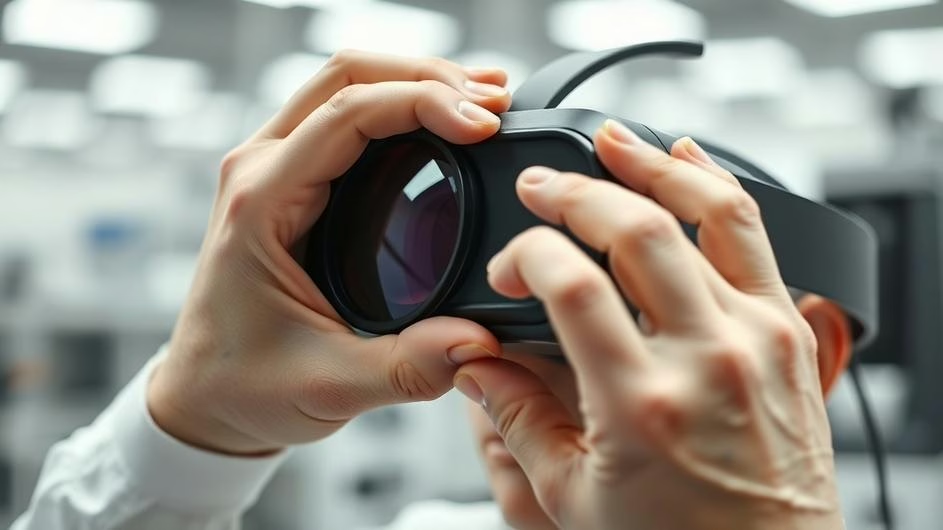
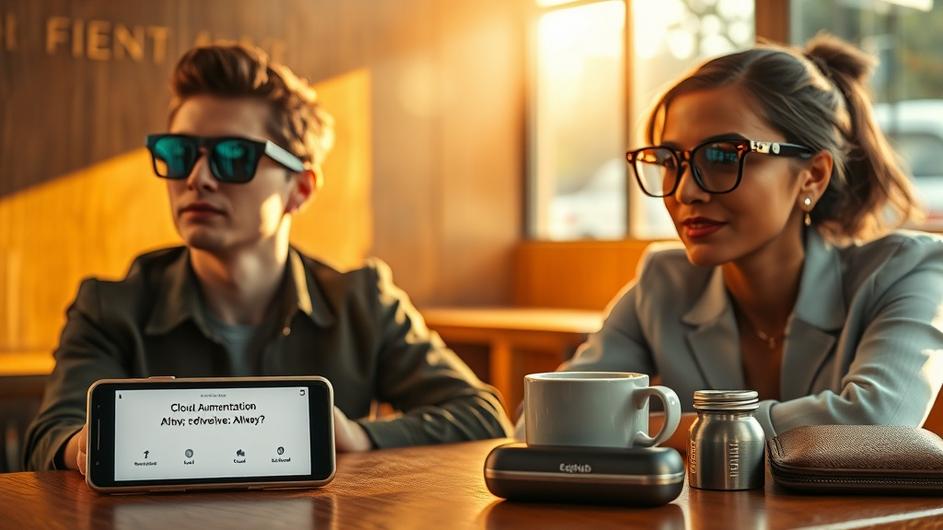
If 2026 has a theme, it is glasses. Plain and simple. What started as novelty wearables and developer demos has turned into a crowded product season. Big tech companies and nimble startups are placing different bets on what smart glasses should look like, what they should do, and how they should fit into everyday life. The result is a fast moving market and a rare moment of opportunity for developers and designers who can translate powerful on device and cloud AI into experiences people actually want to wear.
Google Leads the Spring Charge
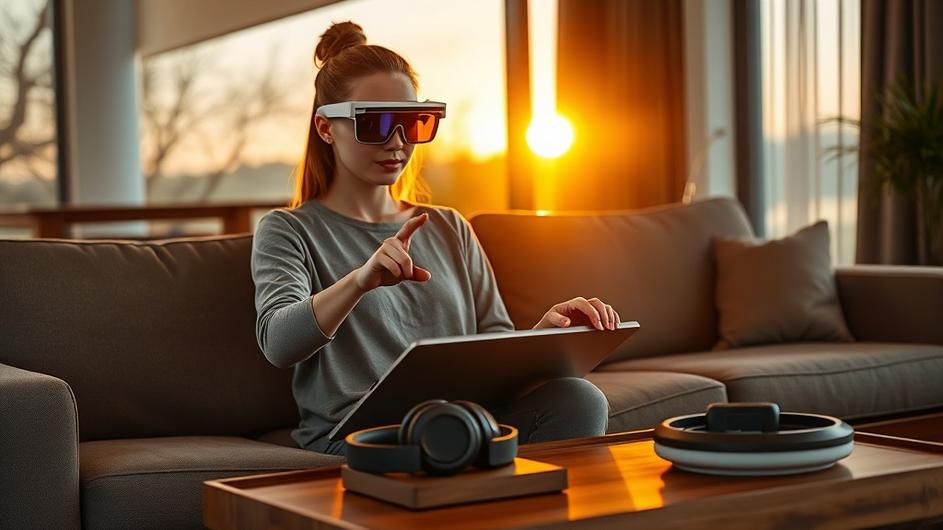
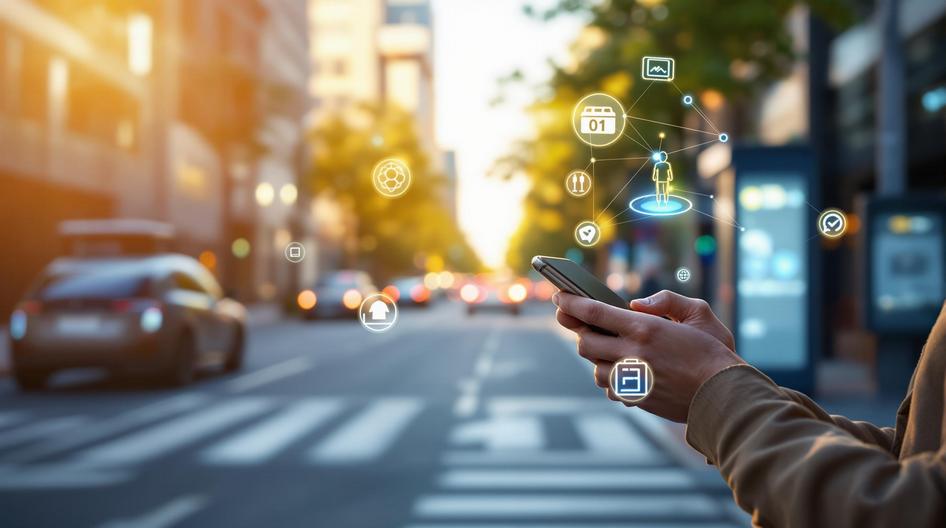
Google is set to lead the spring conversation. At its May 19 Google I O event, the company teased a broad push that combines a faster Gemini AI, an assistant that can act on your behalf, smart glasses announced with fashion partners, and even a new laptop operating system. These pieces are not isolated features. They form a playbook for ambient computing where an AI handles context and glasses provide a low friction display and sensor suite.
What makes Google’s approach notable is the emphasis on delegation. When an assistant can act for you, it moves past simple responses and into tasks like managing calendar conflicts, drafting replies, or routing navigation hands free. In Maps, a Gemini powered experience could become a hands free driving assistant that surfaces the right info at the right moment without pulling a person into a phone. The combination of generative AI and wearables reduces latency and cognitive load. That is key for any interface people will adopt outside the home.
Not a Single Path, but Many
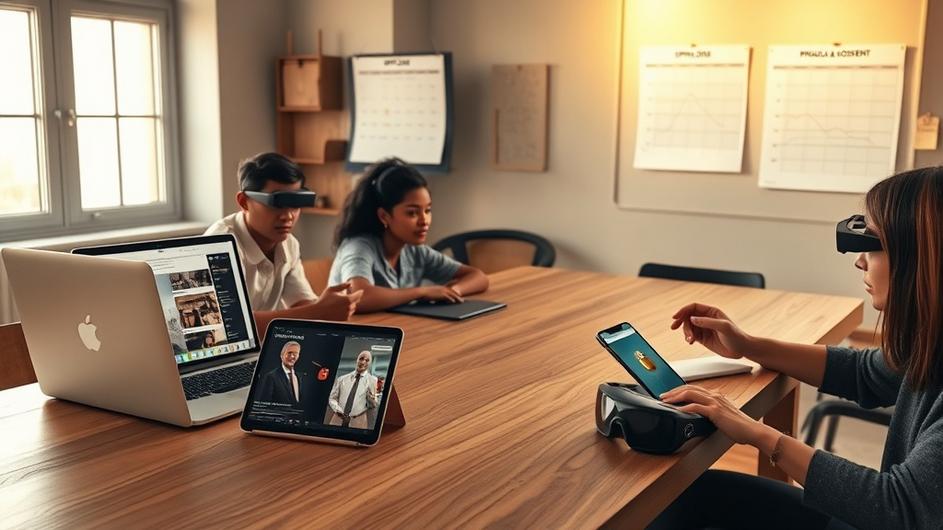
But Google is not taking a single path, and neither are its competitors. Industry reporting shows Apple testing four distinct smart glass designs. That strategy signals tiered pricing and multiple form factors. Instead of one premium headset, Apple may ship several models aimed at different use cases, from fashion forward frames to more affordable lightweight units. Snap is planning to push Spectacles into the consumer mainstream this year as well, which could finally bring social augmented reality to retail shelves. At the same time, Meta has trimmed Reality Labs staff and shifted priorities. That may slow some headline features but also refocus investment on profitable pathways.
This fragmentation is not just a hardware story. It mirrors what we have seen in other tech sectors. Consider how the crypto infrastructure space has splintered into specialized layers for execution, settlement, and data availability. In both cases, the winning play is not one size fits all. It is modularity and adaptability.
Why Hardware Variations Matter for Developers
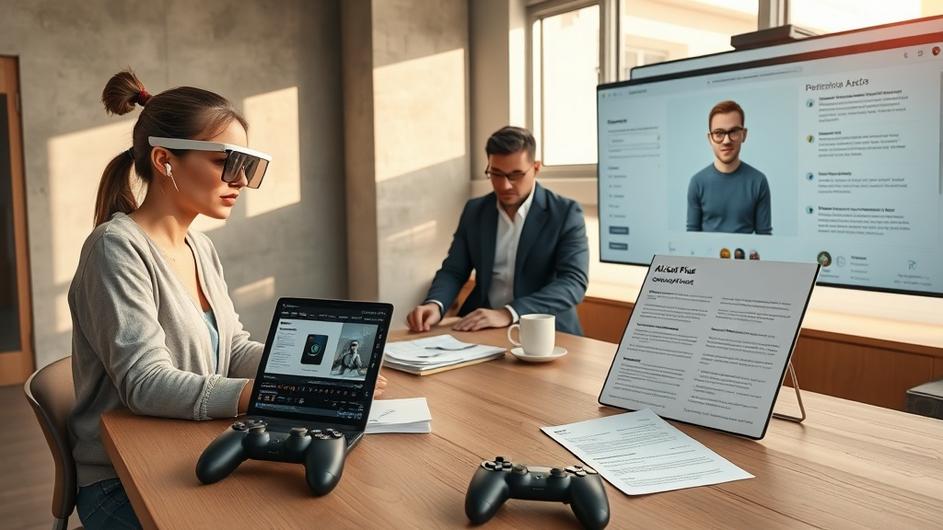
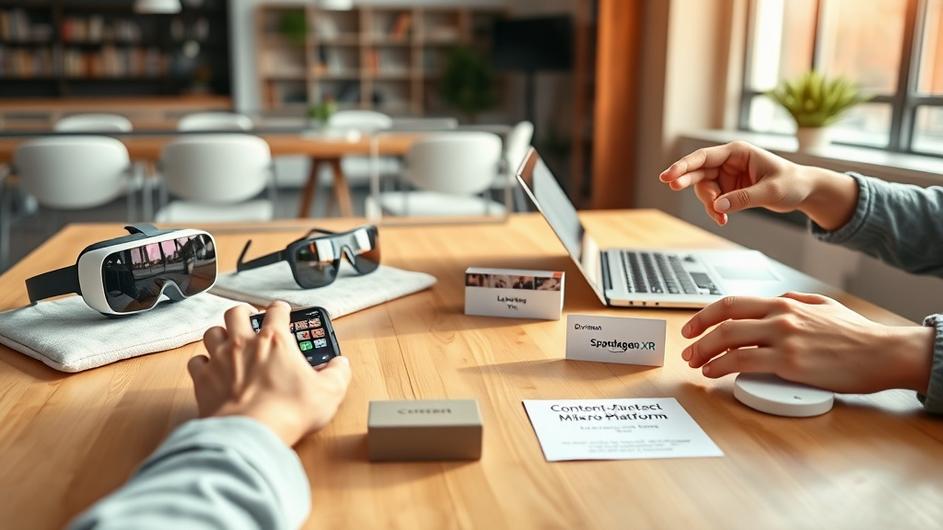
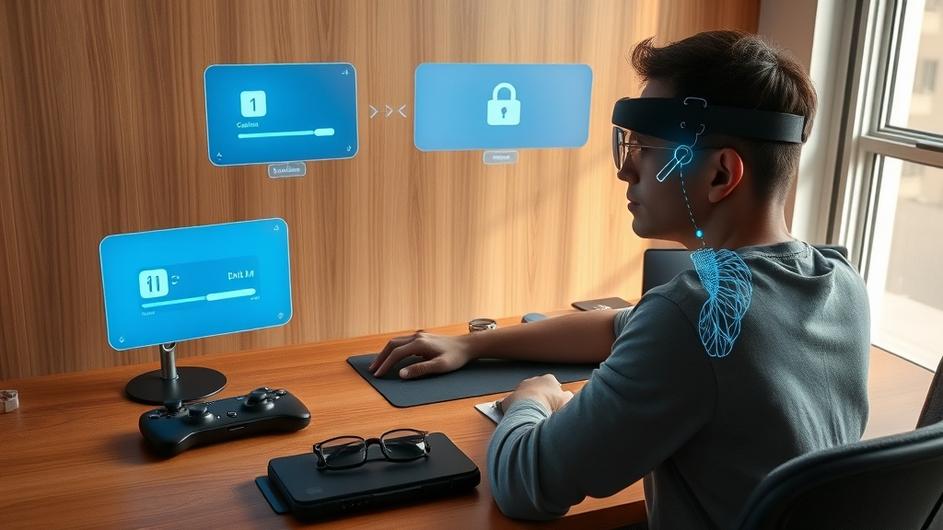
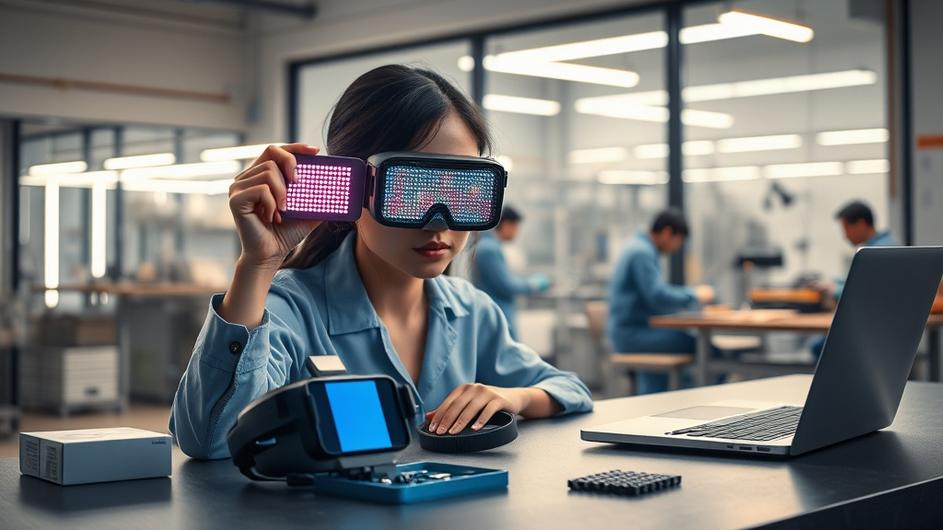
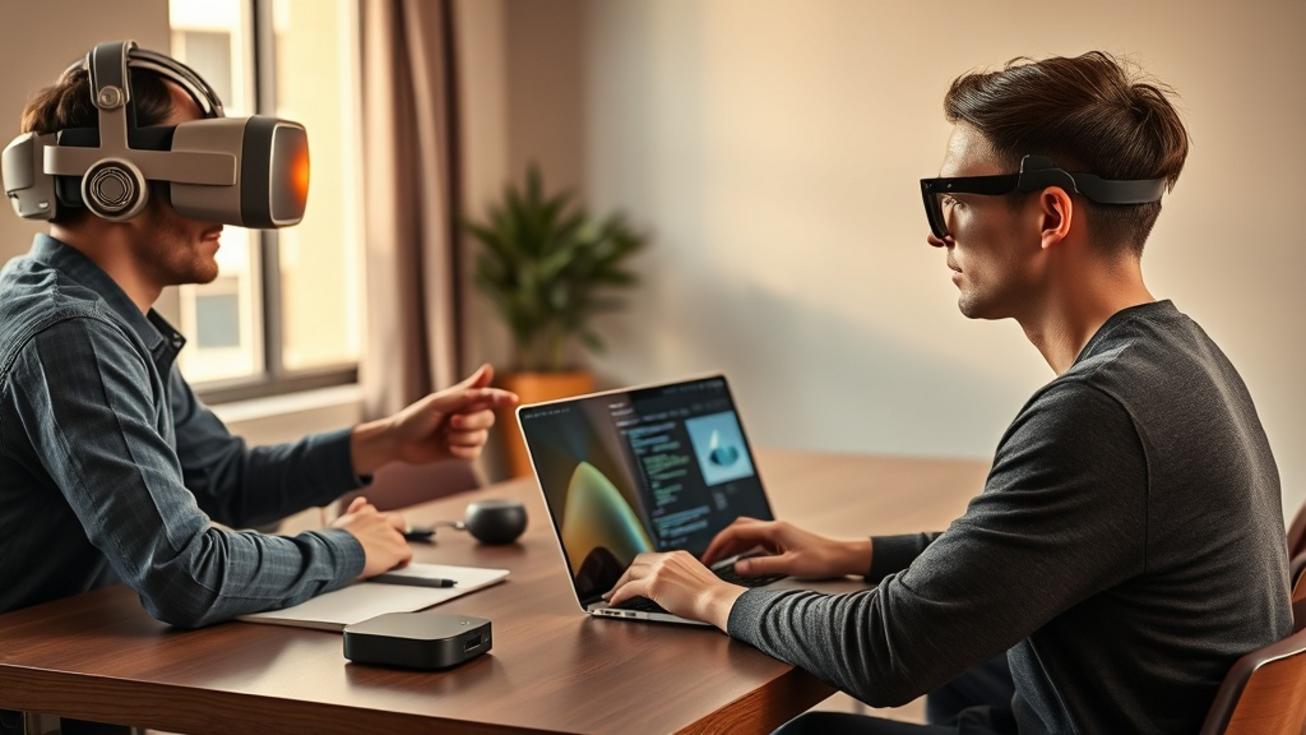
Form factor dictates user expectation. A chunky headset with inside out tracking invites immersive apps that overlay precise 3D content. Lightweight specs favor glanceable interactions, contextual notifications, and socially aware AR that blends with daily life. Multiple tiers mean you cannot assume a single baseline of sensors, compute, or display fidelity. Developers will need graceful degradation, where an app provides a core experience on simpler glasses and unlocks richer features on more capable hardware.
Hardware constraints also shape software architecture. Battery life, thermal limits, and camera placements matter. Reports mention novel camera designs and multiple frame styles, which affect field of view and privacy. Developers should build with intermittent connectivity and edge inference in mind. That means combining on device models for latency sensitive tasks with cloud augmentation for heavy lifting. Edge inference runs AI locally on the device, which reduces lag and preserves some privacy. Hybrid models let you balance responsiveness and capability.
The Business Side of Divergent Hardware
There is another practical outcome here. If vendors target multiple price tiers, it lowers the barrier for mainstream adoption. A lower cost Apple device or a widely sold Snap Spectacles will expand the potential audience. That makes lightweight AR apps more viable commercially. It will attract social features, location aware utilities, and creative tools that benefit from scale. Conversely, a premium segment will push the envelope on sensors and compute, which is useful for enterprise use cases like field service, surgery assistance, and design review.
This dynamic is not unlike what we see with agentic AI platforms that serve both retail consumers and enterprise clients. The same underlying technology gets tuned for different price points and performance requirements.
Platforms and Privacy
Standards and developer platforms will be decisive. Google pushing a new laptop OS alongside eyewear suggests a cross device vision where applications and data move seamlessly between laptops, phones, and glasses. For developers, that means investing in responsive UX and shared state. APIs that handle shared sessions, spatial anchors, and privacy controls will determine who captures developer mindshare. The software layer that holds these devices together will matter as much as the hardware itself.
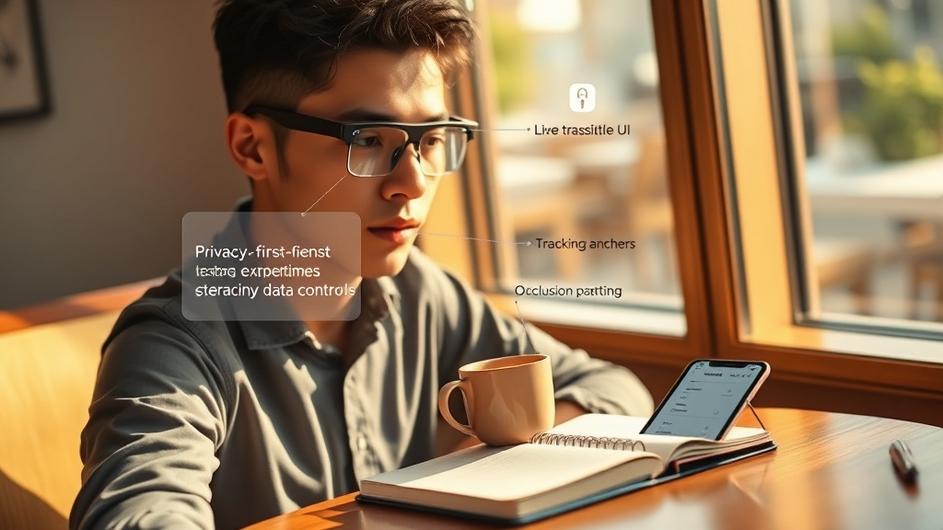
Privacy and policy remain central. Cameras in frames and always available sensors create new questions about consent, recording, and ambient data collection. The market will react to both regulation and user sentiment. Teams that prioritize transparent indicators, robust permission systems, and local data minimization will get an adoption advantage. These are not abstract considerations. They are product decisions with measurable impact on trust and retention.
The Ecosystem Play
From a business perspective, 2026 looks less like a single winner takes all race and more like an ecosystem play. Fashion collaborations bring design credibility, and consumer partnerships will matter for retail distribution. Enterprises will continue to fund specialized, high margin deployments. Startups that build middleware, privacy tooling, or cross platform engines stand to profit as well. The coming wave of smart glasses will reward those who build for interoperability rather than lock in.
What Developers Should Do Now
For developers plotting a path forward, practical steps matter. Make your app modular so features scale with device capability. Design for glanceability and short attention spans when targeting lightweight specs. Invest in spatial UX, depth sensing, and occlusion handling for higher end devices. Use local models for latency sensitive interactions and server side models for complex generation. And test in social contexts, because wearing AR in public demands different etiquette than looking down at a phone.
We are still early. Companies are testing frames, partnerships, camera innovations, and software stacks all at once. That uncertainty can be frustrating, but it also accelerates iteration. The coming months will clarify which form factors resonate and which developer patterns succeed. For a deeper look at how augmented reality is finally getting real in 2026, the signals are everywhere.
Looking Ahead
These trends point to a larger shift in how we interact with technology. Smart glasses plus capable AI move us toward an era where computing is ambient, contextual, and cooperative. Devices will know more about the moment you are in. AI will shoulder routine cognitive load so people can focus. For developers and product teams, this means focusing less on pixels and more on context, privacy, and utility. The companies that succeed will be those that make powerful capabilities feel natural, respectful, and immediately useful.
The era of glasses is not a single product launch. It is a generational transition. Expect a diverse set of devices this year, and prepare to build experiences that scale across them. The winners will be the teams that turn technical possibility into everyday usefulness.
Sources
- What to Expect From Google I O: Glasses, Glasses, Glasses, CNET, May 7 2026
- Google I O 2026: New Gemini, Smart Glasses, and a Whole New Laptop OS. Here’s What to Expect, CNET, May 8 2026
- 5 AR Devices Arriving In 2026 That Could Upend How You See Tech Today, Glass Almanac, May 5 2026
- 7 AR Hardware Changes Revealed For 2026, Here’s What Changes Next, Glass Almanac, May 6 2026
- 5 Augmented Reality Shifts In 2026 That Could Upend Tech, Here’s Why, Glass Almanac, May 7 2026