Muse Spark, the App Boom, and the Coming Wave of Smart Glasses
The signals are aligning. When Meta pulled back the curtain on Muse Spark last month, it wasn’t just another AI model announcement. It was a clear marker that augmented reality and AI-driven applications are about to accelerate faster than many predicted. What makes this moment different? It’s the convergence of a powerful, multimodal AI with a suddenly resurgent app ecosystem and the hardware to make it all tangible.
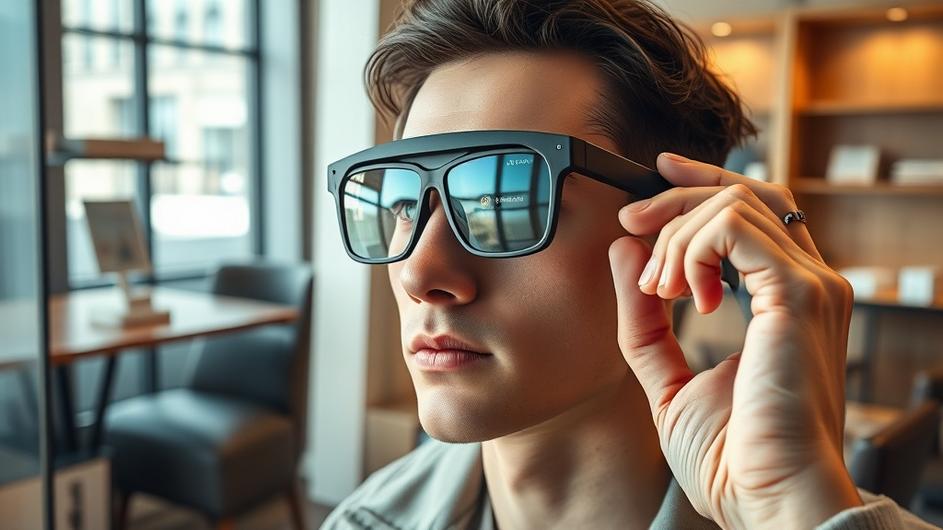
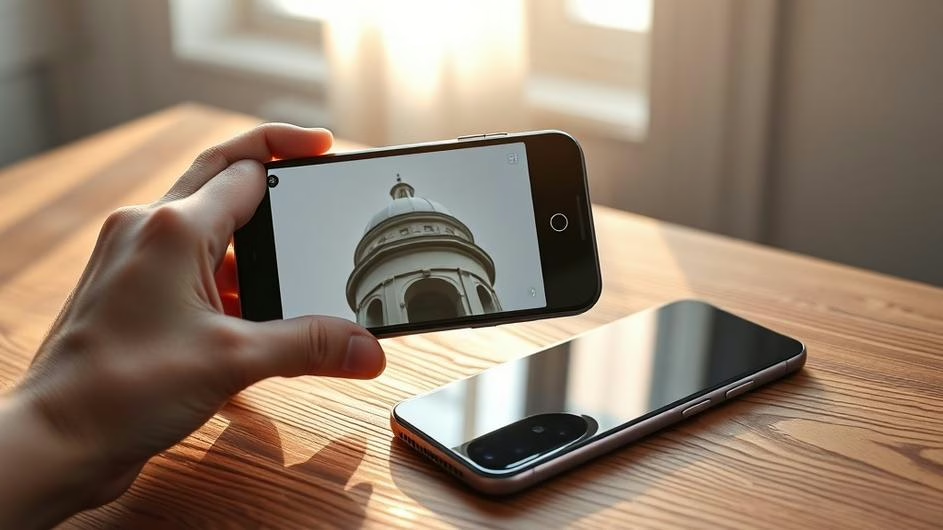
Muse Spark represents Meta’s latest push into what they’re calling “product-ready” multimodal intelligence. The model can understand and generate across text, images, and audio, which sounds technical until you consider the implications. Meta plans to bake this capability directly into the Meta AI app and surface it across Instagram, WhatsApp, and, most importantly, their upcoming camera glasses. For developers, that combination of a capable model and massive distribution isn’t just convenient, it’s a potent accelerant that could reshape how we think about augmented reality interfaces.
The App Renaissance Meets AI Acceleration
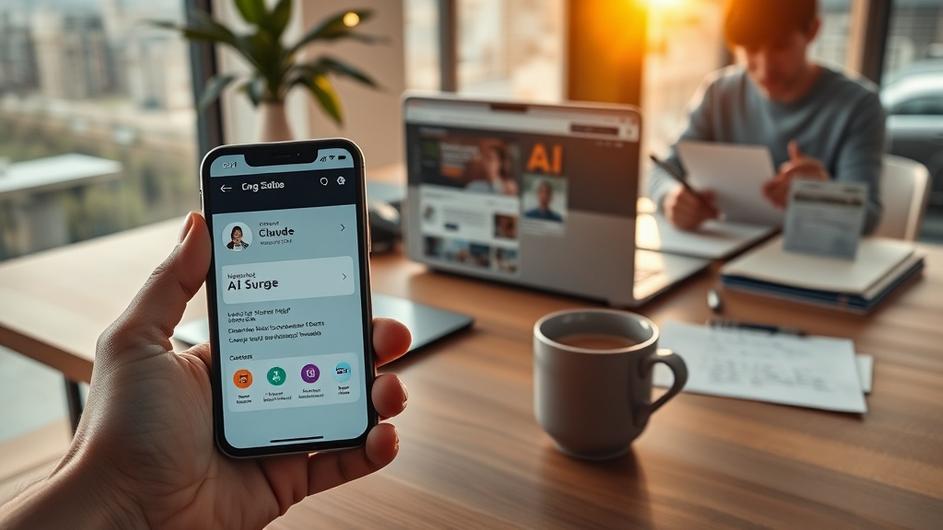
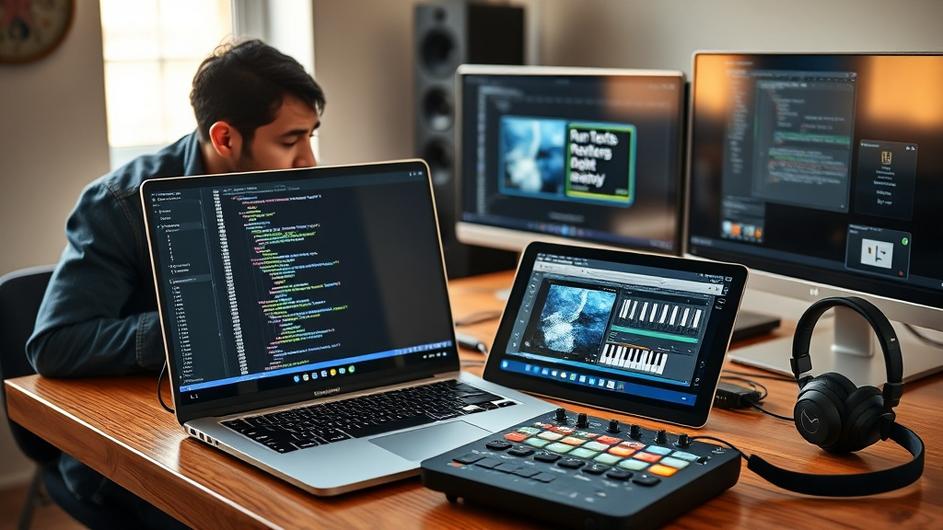
Meanwhile, something interesting is happening in the app stores. Analysis from Appfigures shows worldwide app releases jumped 60 percent year over year in the first quarter of 2026 on both the App Store and Google Play. That’s not just a modest increase, it’s a surge. Apple insiders and market observers are pointing to AI as the primary driver, with tools that help generate code, design user interfaces, and create content dramatically lowering the barrier to entry.
If this AI-assisted development trend, sometimes called vibe coding, is indeed behind the surge, then we’re looking at both a flood of experimentation and a pressing need for quality control. More apps mean more competition for attention, but also more opportunities for innovation. The question becomes: how do you stand out when everyone has access to powerful development tools?
From Phone Screens to Camera Lenses
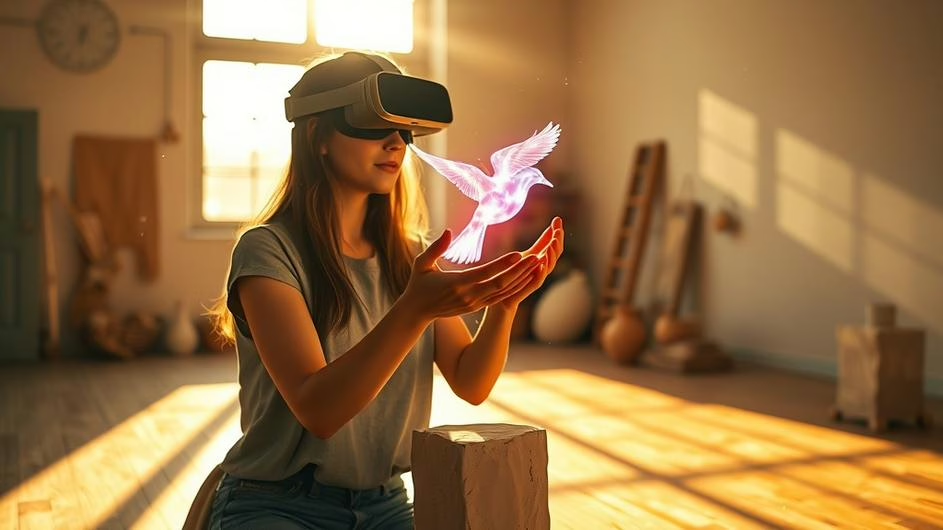
Put these trends together and the implications get concrete. Meta can push Muse Spark-powered features to hundreds of millions of users through social apps they already use daily. But the real shift happens when developers start building for wearable devices where latency, privacy, and user attention operate differently.
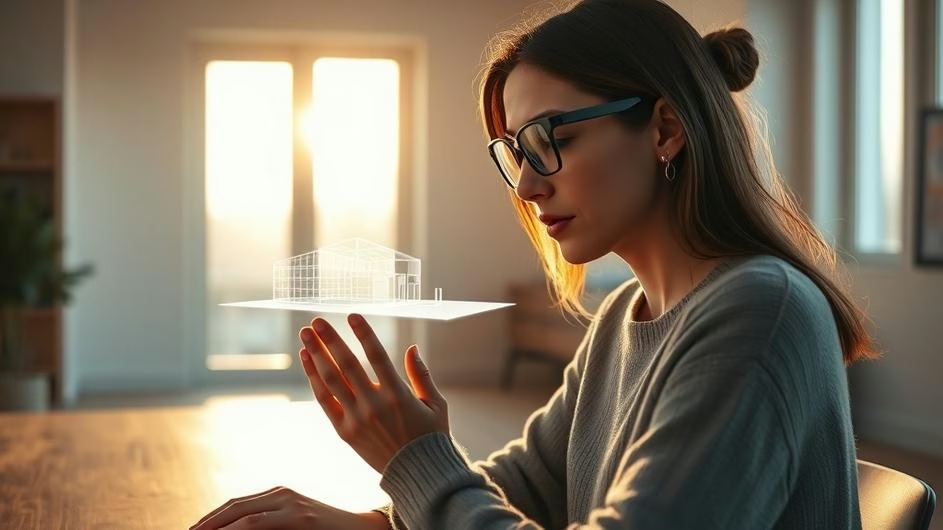
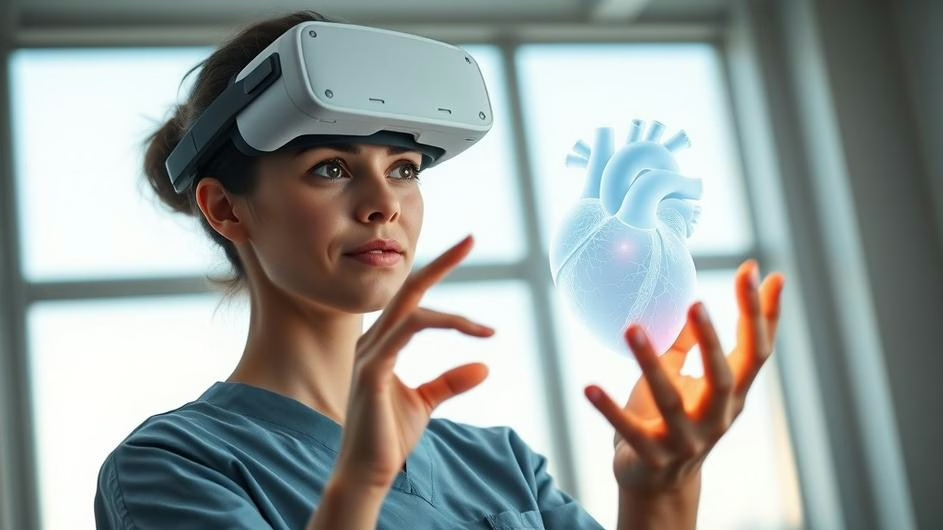
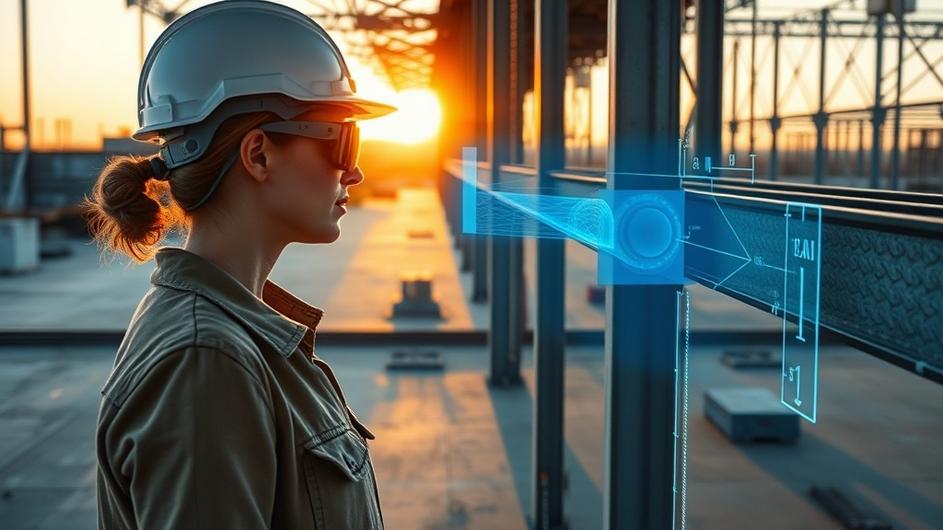
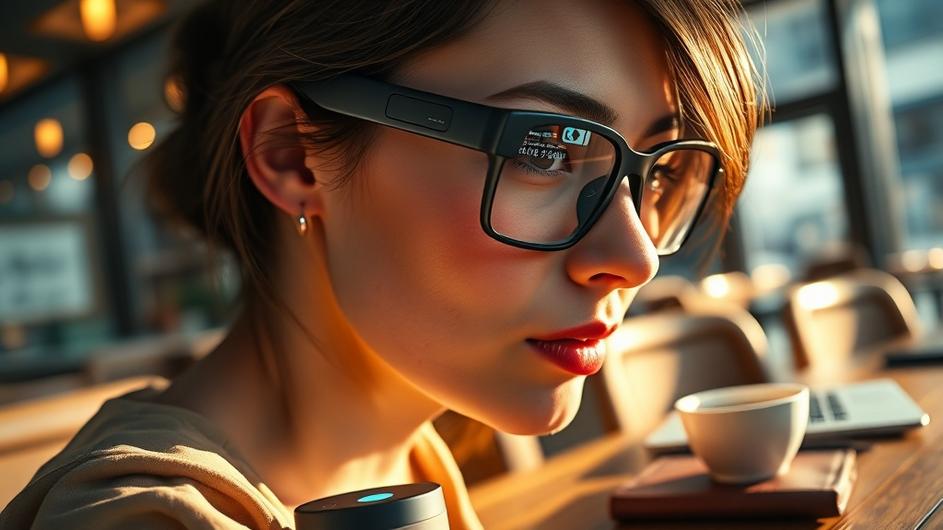
A multimodal model on a pair of glasses isn’t just a smaller screen experience, it changes the entire interaction paradigm. Imagine asking for scene summaries while looking at a museum exhibit, getting real-time translations of street signs in a foreign city, or receiving whispered audio cues about objects you’re examining. That’s the user experience Muse Spark aims to enable, and it represents a fundamental shift from pull-based information (searching on your phone) to push-based context (information appearing when relevant).
The Thorny Questions of Scale and Accuracy
Speed and scale bring their own set of engineering and ethical challenges. Multimodal models are powerful, but they can hallucinate, inventing plausible but incorrect facts. In wearable contexts that mediate what you see and hear in the real world, accuracy matters more because users might act on suggestions immediately. Getting a restaurant recommendation wrong on your phone is annoying, getting navigation instructions wrong through your glasses could be dangerous.
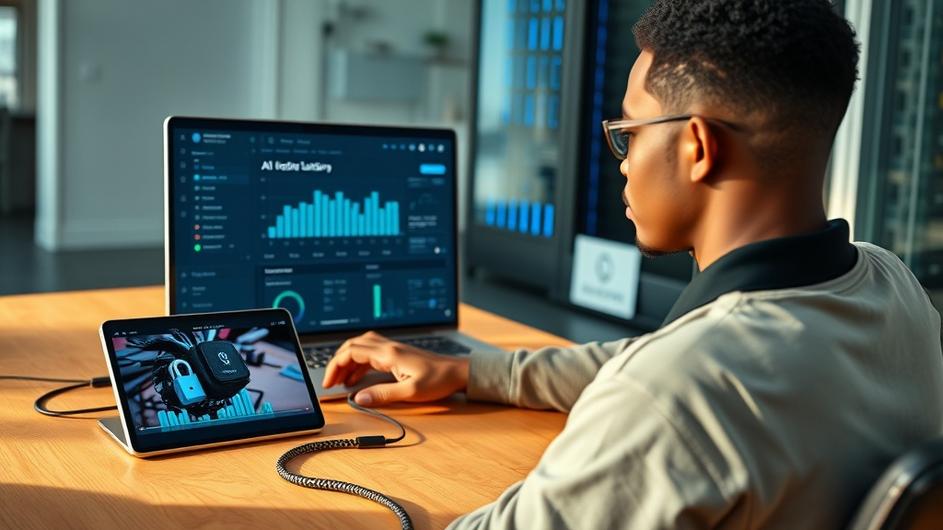
Developers and product teams will need robust evaluation pipelines to measure hallucination rates, bias, and responsiveness across different modalities. That means new test harnesses that combine image, audio, and text benchmarks, plus real-world beta testing under varied environmental conditions. It’s not enough for these models to work in a lab, they need to perform reliably in sunlight, rain, crowded streets, and quiet rooms.

Privacy, Compute, and the Edge Question
Privacy and compute topology present additional design constraints. Running large multimodal models purely in the cloud adds latency and data exposure concerns, while running them on-device demands specialized hardware and model optimization. We’re likely to see engineering trade-offs involving model distillation, quantization, and on-device caching for frequently used features.
The mention of new AI hardware projects across the industry, including collaborations between designers and AI firms, underscores that device-level innovation will be part of the answer. As we’ve seen in our analysis of 2026 hardware trends, the battle isn’t just about software anymore, it’s about creating silicon and systems that can handle these workloads efficiently and privately.
A Practical Playbook for Developers
For developers watching this space unfold, the immediate playbook looks practical rather than theoretical. Start by learning the model’s strengths and failure modes through targeted testing, not just demos. Design for graceful degradation when connectivity or compute is constrained, so features fall back predictably instead of crashing entirely.
Bake in consent and transparency from the beginning, explaining what data the model uses and how results are generated. And perhaps most importantly, prioritize lightweight, high-value interactions for wearables, since attention and screen real estate are severely limited. The most successful AR applications will likely be those that feel like natural extensions of perception rather than intrusive notifications.
Market Dynamics and Discovery Challenges
The market opportunity here is substantial, but competition will be intense. Lower barriers to app creation mean more entrants, yet distribution remains king. Platforms that combine advanced models with built-in reach will shape user expectations quickly. This creates both a gold rush for useful, safe experiences and a crowded discovery problem that will reward clear, well-designed apps.
Think about it: if app releases are up 60% year over year, how do you ensure your AR glasses application doesn’t get lost in the noise? The answer likely involves focusing on specific use cases where the glasses format provides genuine advantage over phones, rather than trying to replicate everything smartphones already do well.
Looking Ahead: The Next Two Years Will Decide
Muse Spark and the broader app renaissance point toward a future where multimodal intelligence is embedded into everyday devices, from phones to glasses to who-knows-what-next. Developers who master evaluation, edge engineering, and humane user experience will lead the first wave.
Policymakers, researchers, and platform owners must also move quickly to establish standards for accuracy, privacy, and safety. Done well, this convergence could make computing more intuitive and immediate. Done poorly, it risks amplifying mistakes at scale. The next two years will likely determine which story we get, and they’ll reward teams that combine technical rigor with thoughtful product design.
What’s particularly interesting is how this moment connects to broader trends we’ve been tracking. As we explored in our piece on AI’s shift from raw power to contextual presence, the real breakthrough won’t be about having the most parameters, but about creating the most useful, reliable, and integrated experiences. Muse Spark represents one approach to that challenge, but it’s the combination with hardware, distribution, and developer tools that makes this moment worth watching closely.
For traders and investors, this convergence suggests watching not just the AI model companies, but the hardware manufacturers, the app distribution platforms, and the developer tool providers. For policymakers, it highlights the need for frameworks that encourage innovation while protecting users in increasingly intimate computing environments. And for developers, it offers both immense opportunity and significant responsibility to build experiences that enhance rather than overwhelm our perception of the world.
Sources
Muse Spark Reveals Meta’s Plan For Smart Glasses In 2026, Glass Almanac, April 19, 2026
The App Store is booming again, and AI may be why, TechCrunch, April 18, 2026