
From Model Power to Model Presence, What 2026 Reveals About AI in Apps and Glasses
Remember when AI progress was measured in trillions of parameters? That race feels almost quaint now. In 2026, the real story isn’t about how big models can get, but where they live, who controls them, and how they’re actually used. We’re seeing a clear pivot across the industry, with startups laser-focused on productization while giants like Meta rush to embed multimodal intelligence into everyday surfaces, including the smart glasses you might wear tomorrow. For developers and product teams, this shift means wrestling with different technical tradeoffs and spotting fresh opportunities to build responsible, cost-effective experiences.
The Forbes AI 50 Signals a New Priority
Take a look at the Forbes AI 50 list for 2026. It tells you everything about where the money and attention are flowing. The companies featured aren’t just chasing bigger models, they’re building real businesses around control, cost, and tangible applications. You’ve got established players like OpenAI, Anthropic, and Mistral AI sitting alongside fast movers such as Suno, Cursor, Perplexity, and Harvey. What unites them? A focus on packaging AI for customers, slashing inference costs, and giving buyers more governance over how these systems behave.
Forbes even launched an “AI 50 Brink” list to spotlight early-stage teams shaping the next wave. Perhaps more telling is the composition, with multiple female-led companies gaining prominent notice. It’s a quiet reminder that leadership diversity is finally arriving alongside technical innovation. For developers, the message is clear: investors are rewarding pragmatism over pure research prowess. Can your AI solution run efficiently at scale? Does it give users meaningful control? These are the questions that matter now.
Meta’s Muse Spark and the Hardware Reality Check
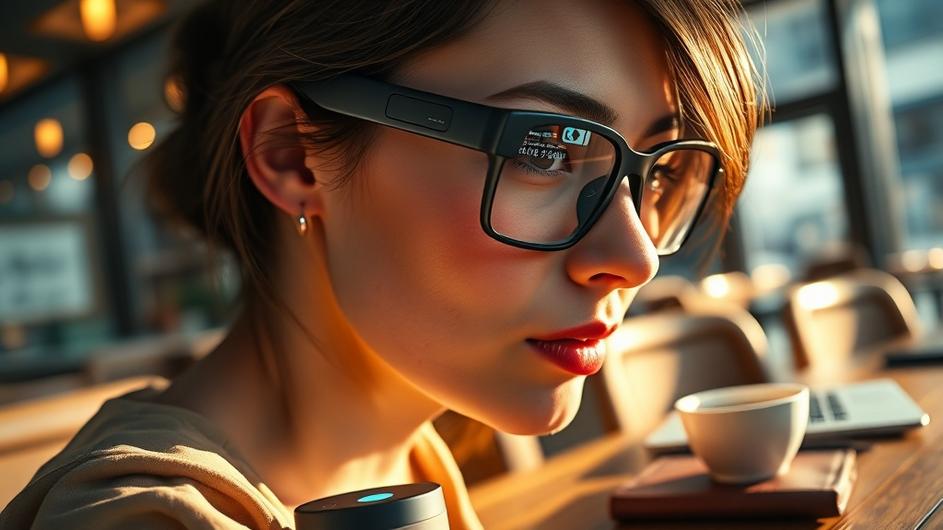
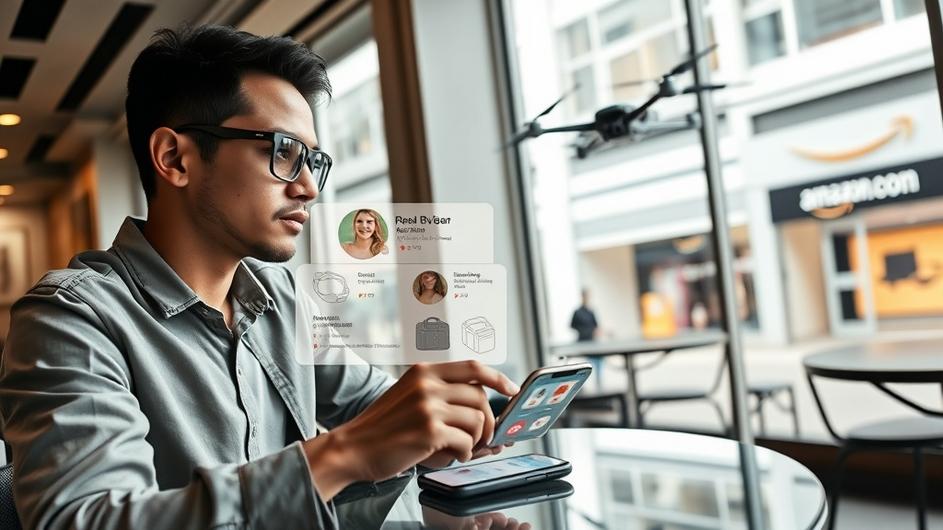
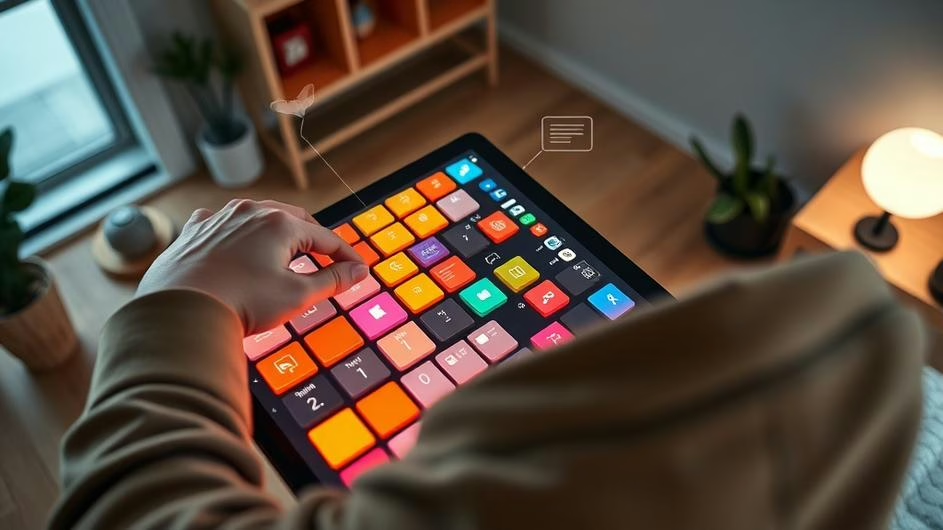
While the startup world optimizes, Meta made a splash with Muse Spark, a new multimodal model it plans to deploy not just in its standalone AI app, but across Instagram, WhatsApp, and its forthcoming camera glasses. “Multimodal” here means the model can process and generate across text, images, and audio, enabling features that blend visual context with conversational understanding.
Critically, Meta framed Muse Spark as product-ready for consumer surfaces. That announcement, which we analyzed in our piece on Meta’s pragmatic AI push, compresses the timeline for everyone. Hardware teams and app developers now have to consider integrating this kind of intelligence into wearables and messaging platforms much sooner than many expected. It’s a bold move that underscores why 2026 feels like the year AR gets real.
Where Startups and Giants Converge
These two narratives, the efficient startup and the platform giant, tie together in surprisingly practical ways. The startups on the Forbes list are obsessed with making models controllable and efficient. That capability becomes non-negotiable when a model needs to run at scale inside a messaging app or process live camera feeds from glasses, where latency, bandwidth, and privacy are immediate limiting factors.
If you’re building for wearables, you can’t treat inference as a cloud-only problem. You need to design for on-device or hybrid compute, aggressively reduce token costs, and deliver real-time responses without cutting corners on safety. It’s the kind of hardware and software integration challenge that separates toy projects from viable products.

The Distribution Advantage and Its Double Edge
Meta’s rollout also highlights the distribution advantage that large platforms still command. By baking Muse Spark into its social apps and upcoming hardware, Meta gets a fast track to millions of users. For developers, this is both a gift and a constraint. A major platform can expose powerful APIs and surface new capabilities overnight, but it can also lock you into a single provider’s ecosystem.
That dependence raises serious questions about transparency and oversight. What does governance look like when a multimodal AI has constant access to camera streams and private conversations? It’s a concern that regulators, privacy advocates, and thoughtful builders are already wrestling with as we move into this new hardware moment.
Accuracy Isn’t Optional Anymore
There’s a healthy, necessary debate heating up about the pace of deployment versus accuracy. Models pressed into daily production must meet drastically higher standards for factuality and robustness. A hallucination in a chat bot is annoying. An error in an augmented reality overlay that mislabels a street sign, misinterprets a medical scene, or mishandles sensitive document information can be dangerous.
That’s why the current winners are those baking solid testing, continuous monitoring, and content moderation hooks directly into their products from day one. It’s also why independent tooling for AI evaluation and auditing is emerging as a critical new layer in the tech stack. You can’t just ship it and hope for the best, not when the stakes involve real-world safety.
A Developer’s New Checklist
So, what should engineers and product leads focus on? The practical checklist for 2026 looks different than it did just a year ago.
First, optimize relentlessly for cost and latency. Every token and millisecond counts, especially on devices. Second, instrument your models for observability, you need to know what they’re doing and why. Third, design clear user controls and consent flows from the start, don’t bolt them on later. Fourth, plan for hybrid compute modes, because the best experience often blends on-device speed with cloud-scale knowledge.
Most importantly, treat productization as a first-class concern, not an afterthought. Design guardrails that are tailored to the specific surface where your AI will appear, whether that’s a phone screen, a car dashboard, or a pair of glasses. These priorities align perfectly with what customers and investors are rewarding this year. They’ll matter even more as multimodal models move from labs into our cameras, glasses, and pockets.
The Road Ahead: Intelligence in Experience
Looking forward, the narrative is shifting from pure intelligence to embedded experience. The competition is no longer about parameter wars, it’s about distribution, seamless integration, and earned trust. The companies that will win are those that can deliver useful, efficient, and demonstrably safe AI exactly where people live and interact.
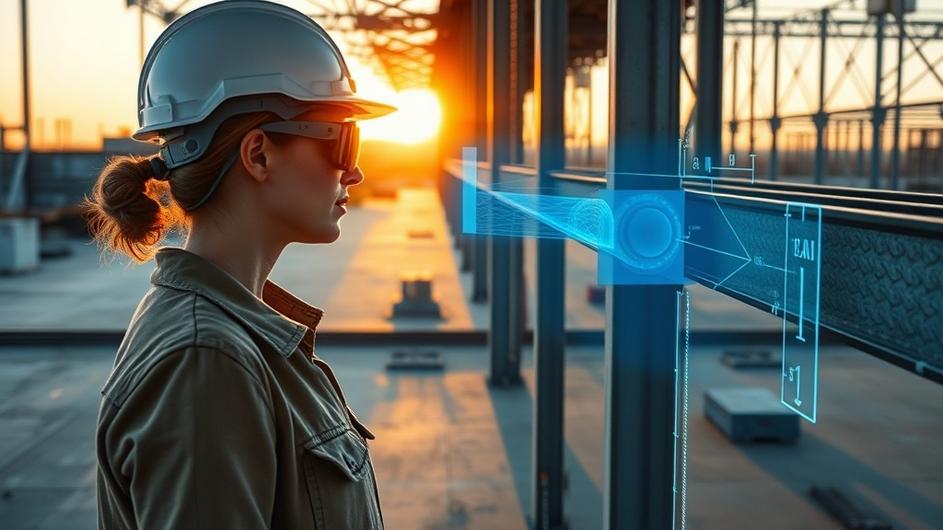
For developers, this opens a thrilling window to reimagine interfaces and interactions. A world where your glasses can translate a menu in real time, where your messaging app can help plan a trip based on photos, where AI feels less like a tool and more like a context-aware layer on reality. But that opportunity comes with new responsibilities, demanding rigorous thinking about privacy, ongoing evaluation, and the real operational costs of always-on intelligence.
In short, 2026 is shaping up to be the year AI becomes less of an abstract concept and more of a tangible presence, first in our pockets, and very soon, on our faces. The question isn’t if it will happen, but how well we’ll build it.
Sources
- Forbes Unveils 2026 AI 50, Marking Shift From AI Dominance To AI Independence, Yahoo Finance Singapore, April 16, 2026
- Muse Spark Reveals Meta’s Plan For Smart Glasses In 2026 – Here’s Why It Matters, Glass Almanac, April 19, 2026