From Private Theaters to Surgeon Overlays, How 2026 Is Turning AR Into Real Hardware and New Input Models
If you have been watching the device market this year, you have probably noticed something unusual. The cadence has shifted. It is not just another round of spec bumps and camera tweaks. We are looking at a genuine inflection point where prices on augmented reality headsets are dropping fast, streaming services are planting flags inside virtual spaces, smartglass designs are multiplying across brands, and even phones are rediscovering physical keyboards. For developers and product teams, this matters because the hardware constraints that shaped apps for the last five years are suddenly up for debate. That opens real opportunities, but it also raises fresh questions about design, input methods, and regulation.
The Price Threshold That Changes Everything
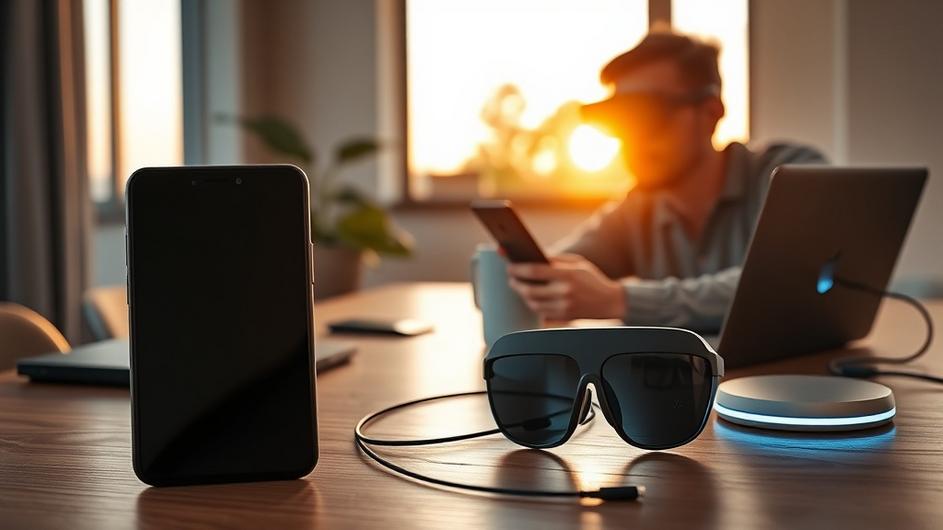
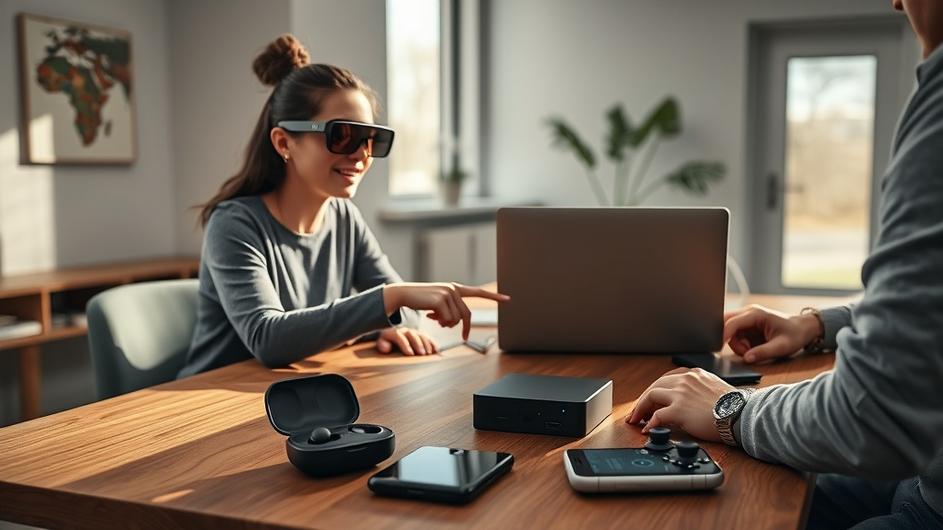
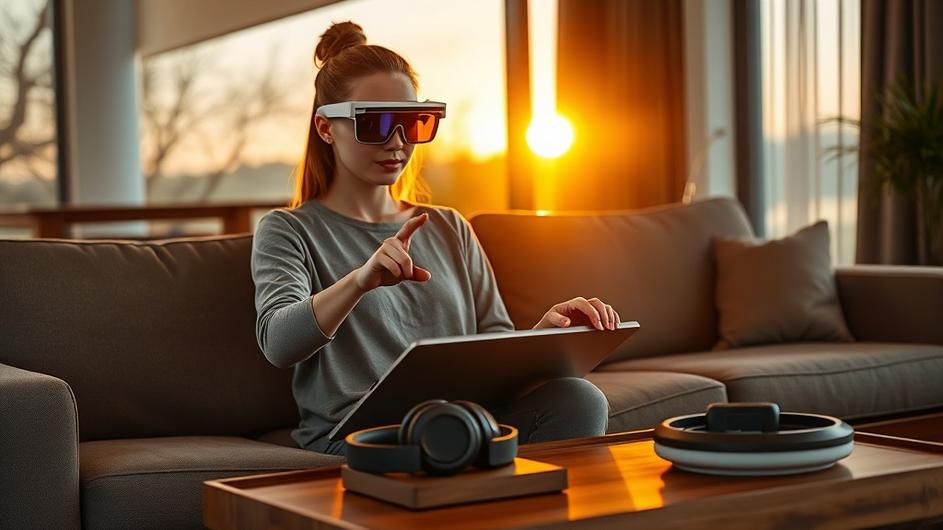
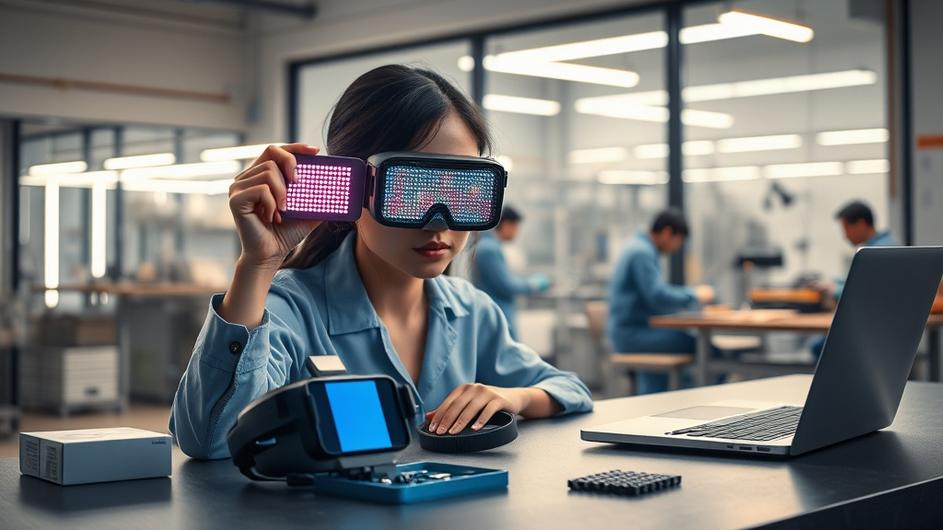
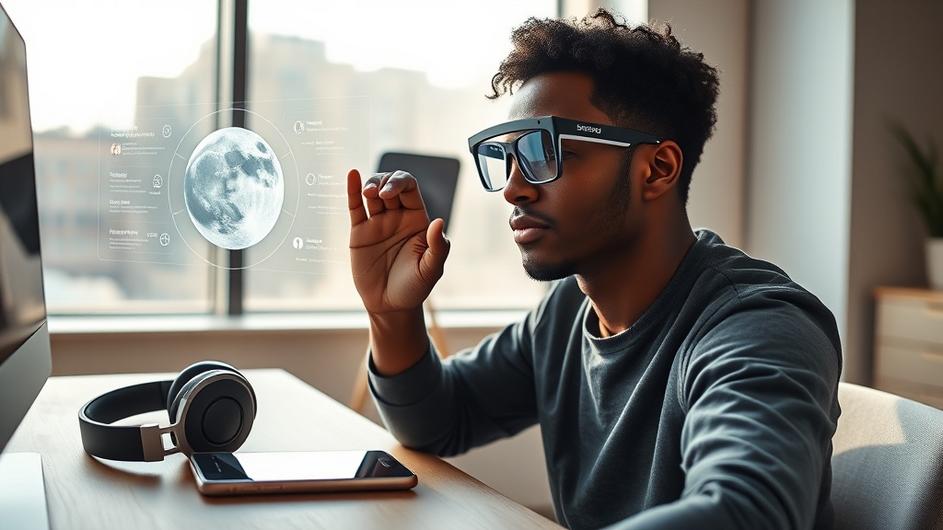
Let us start with the economics. Xreal, known for its lightweight augmented reality glasses, dropped the price of its One Pro model to a permanent $599. That is not a promotional stunt. It is a threshold shift. At that price point, a private massive screen experience becomes accessible to a much wider audience. Developers who have been waiting for a meaningful install base can finally start building real, discoverable experiences instead of niche demos that only a handful of early adopters see. Lower price tags also change expectations around device longevity and update cycles. Software teams should prepare for more frequent wearable turnover in users’ hands and faster iteration demands.
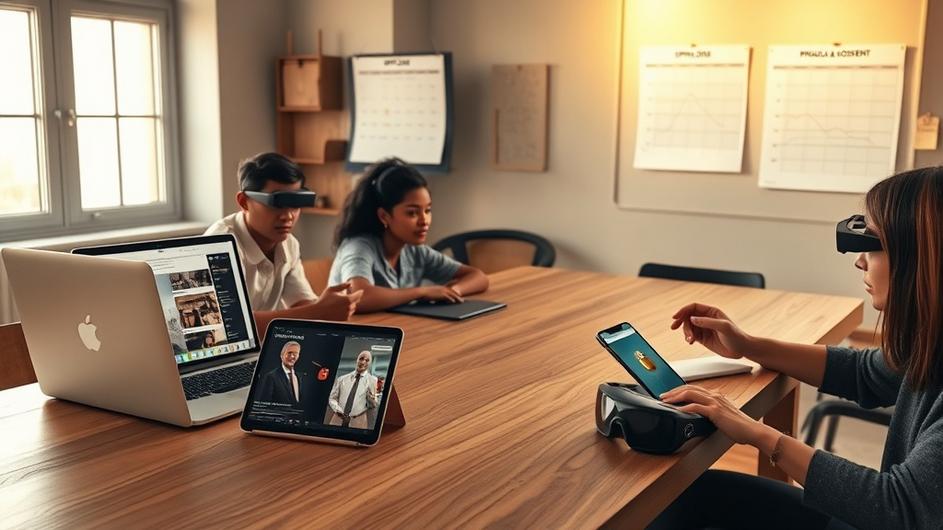
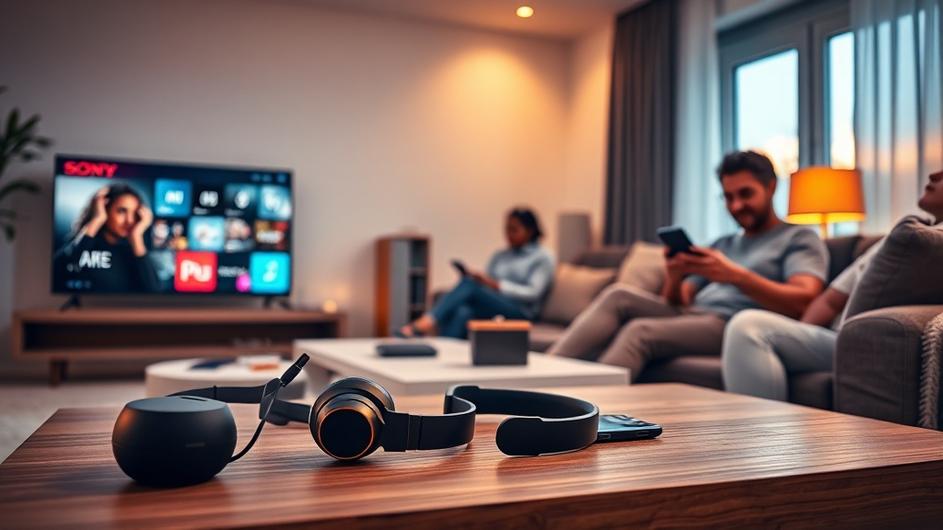
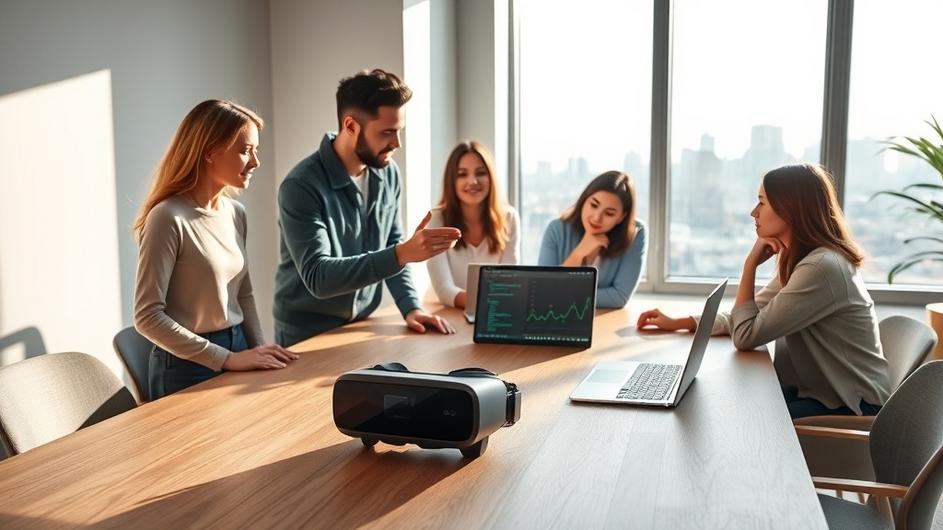
This is where the broader 2026 hardware momentum really starts to show. Lower barriers to entry pair naturally with richer content opportunities. Take DirecTV launching a native app inside Meta Quest, supporting Quest 2, 3, 3S, and Pro. That is a concrete signal that headsets are no longer just for niche productivity or experimental AR overlays. They are becoming living room television substitutes for a growing segment of users. This crossover has two implications. First, developers need to optimize media experiences for virtual screens and variable network conditions, paying close attention to spatial audio, latency, and viewer comfort. Second, when familiar services show up inside headsets, users expect polished subscription ready UIs that integrate account systems and DRM from day one.
Hardware Variety Is Accelerating Fast
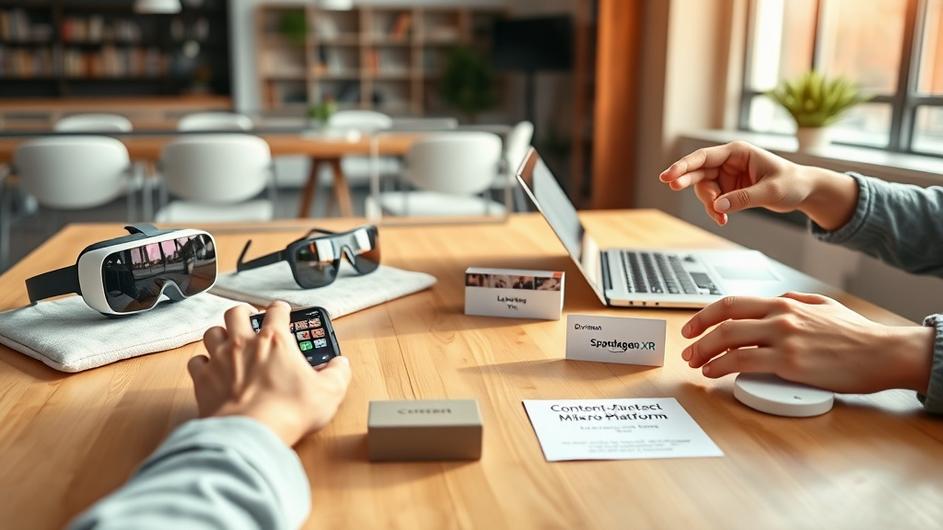
The diversity of hardware hitting the market is another story worth watching. Reports indicate Apple is testing at least four frame styles for future smart glasses, with two rectangular and two oval designs in the pipeline. Meta is already shipping prescription friendly models. Snap has reorganized its AR team ahead of a renewed push with its Spectacles line. Together, these moves signal a genuine shift from R&D prototypes to consumer ready product families.
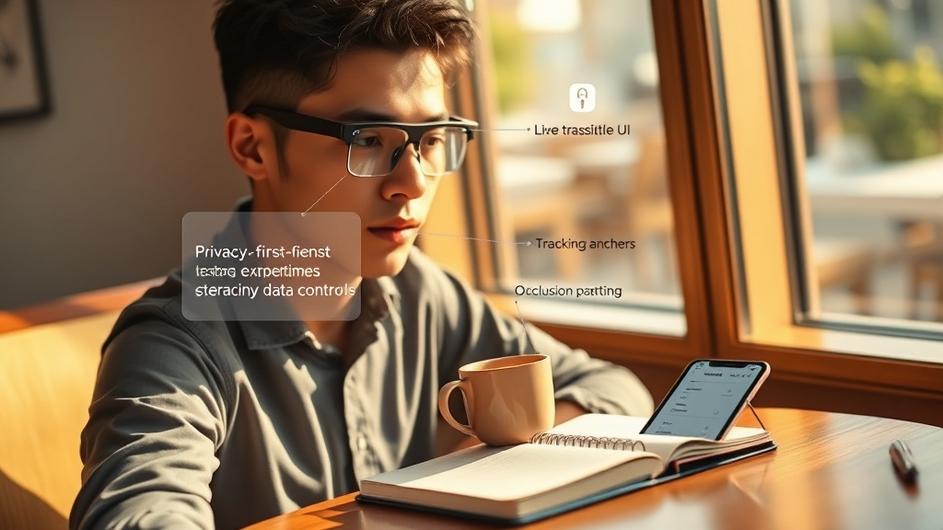
For engineers, this means accounting for a much wider range of optical form factors. You need software that fits different fields of view. You need to support prescription lens profiles and calibration pipelines. You also face new testing complexity, because comfort, weight distribution, and even software ergonomics now vary significantly across hardware variants. As multiple AR shifts reshape the landscape, developers cannot afford to assume uniform device behavior.
Underpinning all this is faster silicon and tighter partnerships. Snapdragon XR class chips are showing up in new headsets, delivering more efficient mixed reality processing, lower latency, and improved battery life. What does that mean in practice? Smoother tracking. Richer scene understanding. More realistic occlusion and lighting effects that would have been too expensive on power budgets just a year ago. But here is the caution: do not assume every device has the same capabilities. Graceful degradation is still essential. You need dynamic feature detection and adaptive rendering pipelines that scale down without breaking the experience.
Clinical Use Cases Bring Different Rules
The push toward prescription ready designs and clinical pilots gives this moment a different texture altogether. Hospitals are experimenting with AR overlays for image guidance in operating rooms. These clinical applications come with an entirely different set of constraints. We are talking about regulatory approvals, high reliability requirements, and strict privacy obligations. For teams building clinical or safety critical overlays, the checklist goes well beyond frame styles and silicon choices. You need formal validation, audit trails, and a plan for fail safe behavior if tracking or sensor fusion degrades midprocedure. This is not optional QA work. It is core feature engineering for anyone targeting the healthcare market.
Meanwhile, 2026 is proving to be a turning point for input models as well. Parallel to the AR boom, the broader hardware landscape is exploring alternative ways to interact with devices. A company called Clicks is preparing to launch a compact smartphone with a built-in physical keyboard. It sounds retro, but the keyboard comeback reflects persistent demand for tactile typing and precise shortcuts, especially among power users and developers who value local editing workflows over on-screen keyboards.
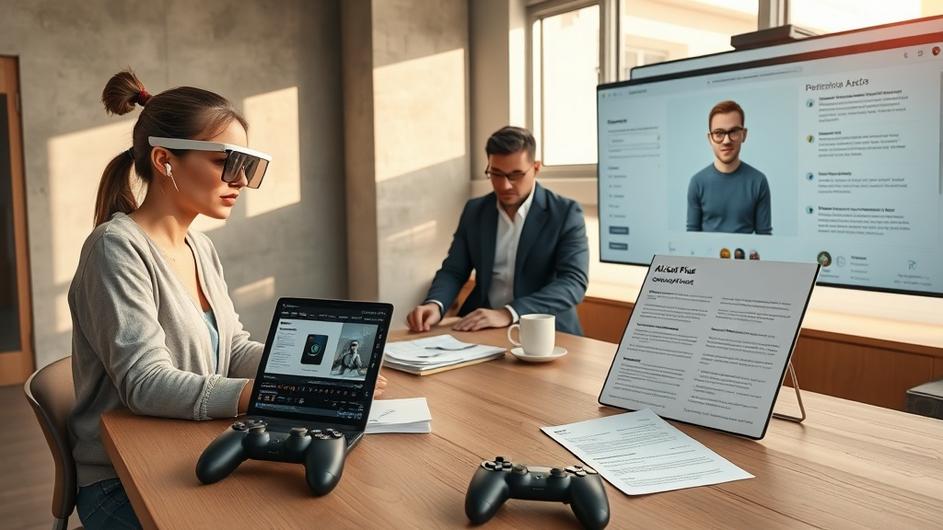
On the gaming side, Valve made waves with a global Steam Controller launch, priced at AU$149 in Australia and shipping worldwide. That controller renaissance matters to AR and VR too. Gamepads and dedicated controllers remain important for prolonged sessions, menu navigation, and legacy input support. You cannot assume everyone wants to wave their hands around all day.

Designing for Physical Context
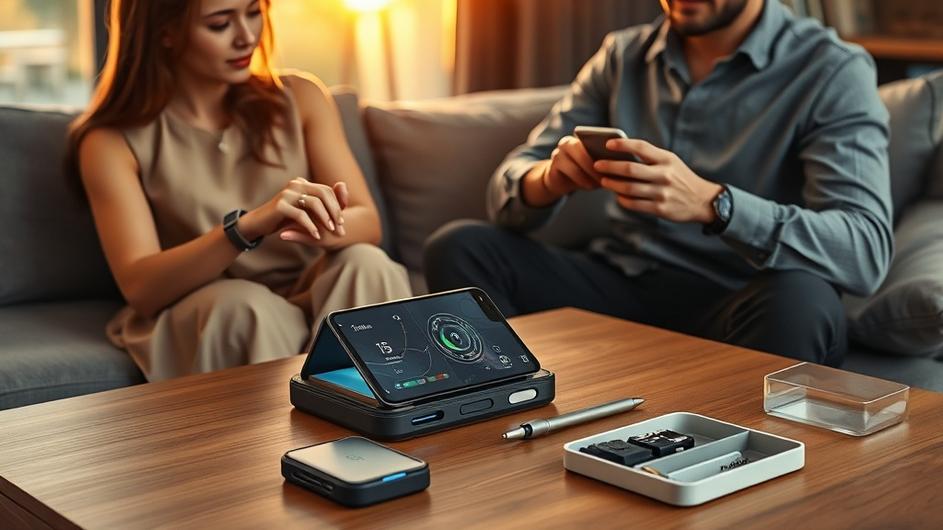
What ties all of these threads together is the reemergence of physical context. Devices are not just screens anymore. They are platforms for sustained interactions in living rooms, operating rooms, and commute pockets. That changes how you design interactions. Microconversations, glanceable notifications, and natural gesture fallbacks need to coexist with robust controller support and keyboard shortcuts. Developers should prioritize multi input flows that let users switch between touch, keyboard, gamepad, and gaze fluidly, all while keeping accessibility and discoverability front and center.
For teams shipping software on these platforms, the takeaways are practical. Design modular apps that detect and adapt to available sensors and inputs. Build content pipelines that scale down quality gracefully when running on less capable silicon. Treat prescription calibration and clinical validation as feature work, not afterthoughts. And lean into hybrid distribution models where familiar services, think streaming and enterprise accounts, integrate into AR shells in ways that respect privacy and latency concerns.
As hardware signals move from leaks to living rooms, 2026 may well be remembered as the year AR stopped being purely speculative and started looking like a normal consumer category. Multiple price points. Hardware families. Clear verticals. That baseline maturity invites stronger ecosystems. Expect faster product cycles, more collaboration between chip makers and app developers, and a new diversity of input models that include tactile keyboards and dedicated controllers alongside voice and gesture.
The challenge will be managing fragmentation while seizing new forms of engagement. Teams that embrace adaptive design, automated testing across physical variants, and a culture of measurable safety will have a head start. For developers who treat hardware shifts as design constraints rather than obstacles, the opportunity is real. Build durable, delightful experiences that feel native whether people are watching live TV inside a headset, trusting AR overlays in a hospital, or typing on a keyboard attached to a compact phone.
This is a transitional year, but it is a consequential one. The seams between software and hardware are tightening. The platforms that win will be those that make interactions feel natural, reliable, and respectful of real world contexts. If you are shipping software for screens that sit on the face, in the hand, or in the living room, now is the time to rethink assumptions about input, latency, optics, and compliance. The next wave of mainstream AR will not arrive as a single product. It will be an ecosystem of devices and interactions, and the companies that build the glue will define how we compute for the next decade.
Sources
- Glass Almanac, 6 AR Devices And Trends In 2026 That Surprise Buyers, Apr 27, 2026
- Glass Almanac, 7 AR Shifts In 2026 That Could Reshape Phones And Surgery, Apr 25, 2026
- Glass Almanac, 6 AR Product Launches And Partnerships In 2026 That Could Reshape Wearables, Apr 30, 2026
- Notebookcheck, Clicks confirms launch plans for compact smartphone with keyboard, Apr 27, 2026
- PC Gamer, Steam Controller is AU$149 in Australia and launching day one with the rest of the world, Apr 28, 2026