
Hardware Momentum and Friction in 2026, From 240Hz Phones to AR Wearables and the Politics of Silicon
The device map is redrawing itself faster than most people realize. On the surface, headlines are all about faster screens and cheaper AR headsets. But look closer and you will find the same forces driving every shift: supply chain pressure, platform gatekeepers, and geopolitics. For developers and product leaders, 2026 is teaching an uncomfortable lesson. Innovation is not just about better components. It is about the ecosystems that decide whether those components get to live or die.
The 240Hz Question
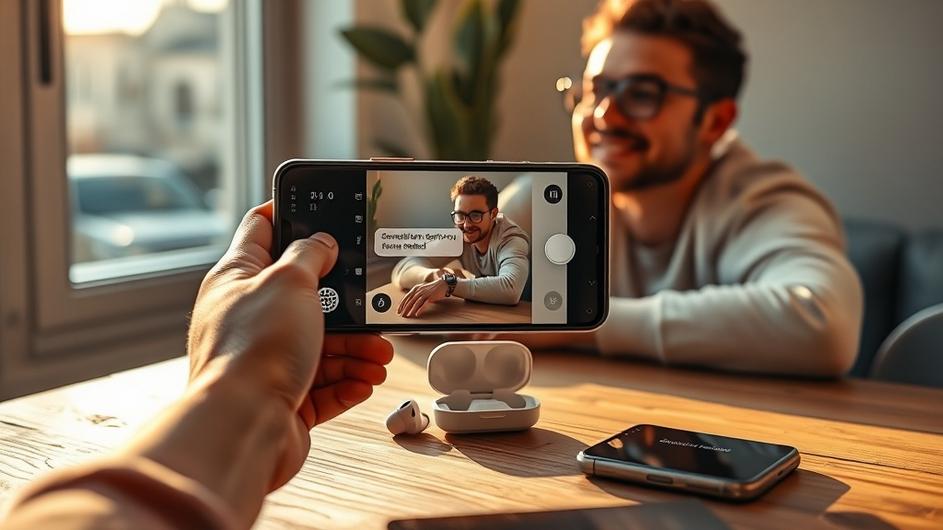
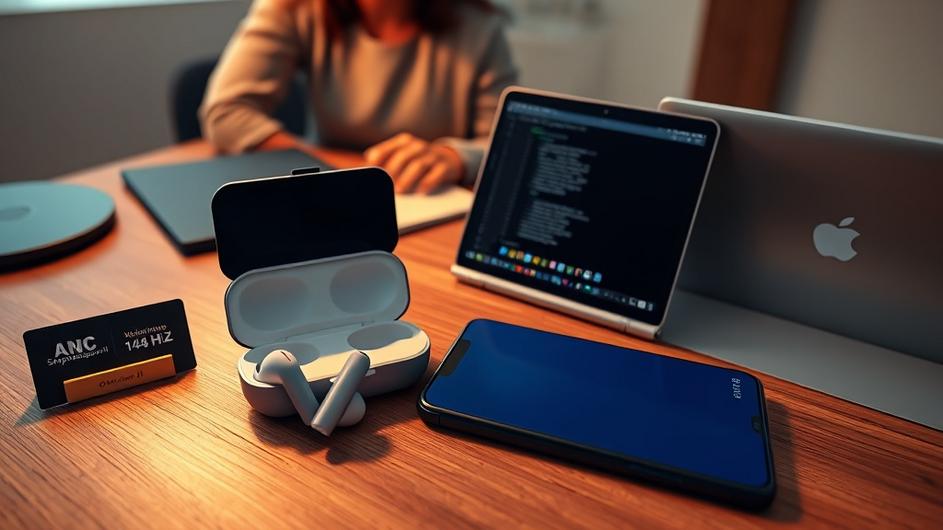
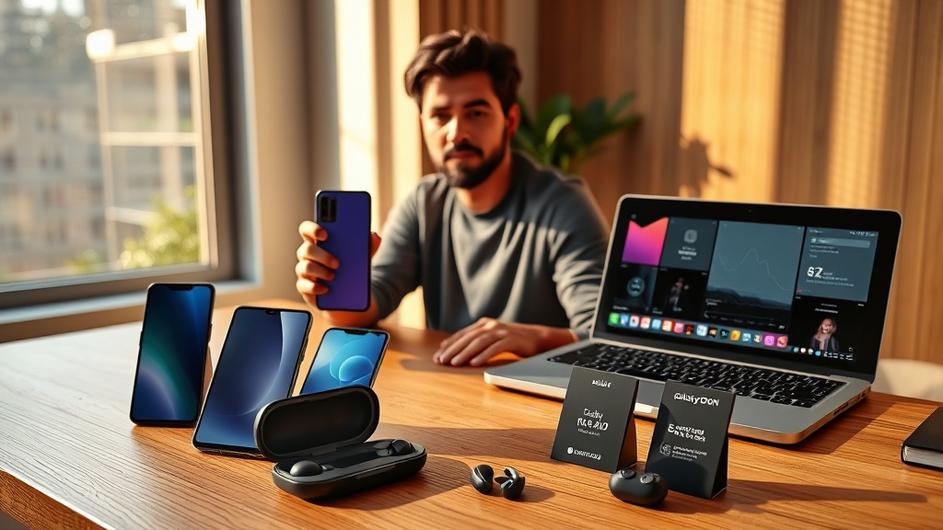
Take the latest OnePlus flagship leak. Rumors point to the OnePlus 16 sporting a refresh rate that could hit 240Hz on a 6.78 inch BOE X3 AMOLED panel with 1.5K resolution. If you are wondering why that matters, think about how many times per second your screen updates. Higher numbers mean smoother motion and less input lag, especially for gaming or fast UI navigation. Most flagships today top out at 120Hz or 165Hz. Jumping to 240Hz is a big deal.
But it comes with tradeoffs. Driving more frames eats power and generates heat. It pushes demands on the GPU, thermal design, and the software that decides when to ramp the display up or down. Engineers cannot just drop in a 240Hz panel and call it a day. They have to tune power management, touch sampling, and developer APIs so apps can actually benefit without draining the battery in thirty minutes. This is a perfect example of how component advances force whole-device thinking. The hardware is only half the story.
AR Gets Real, and Cheaper
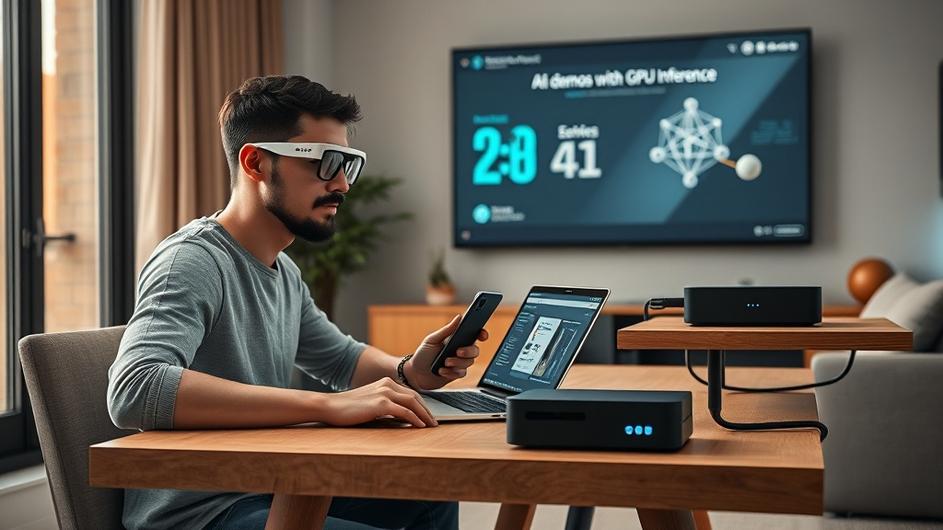
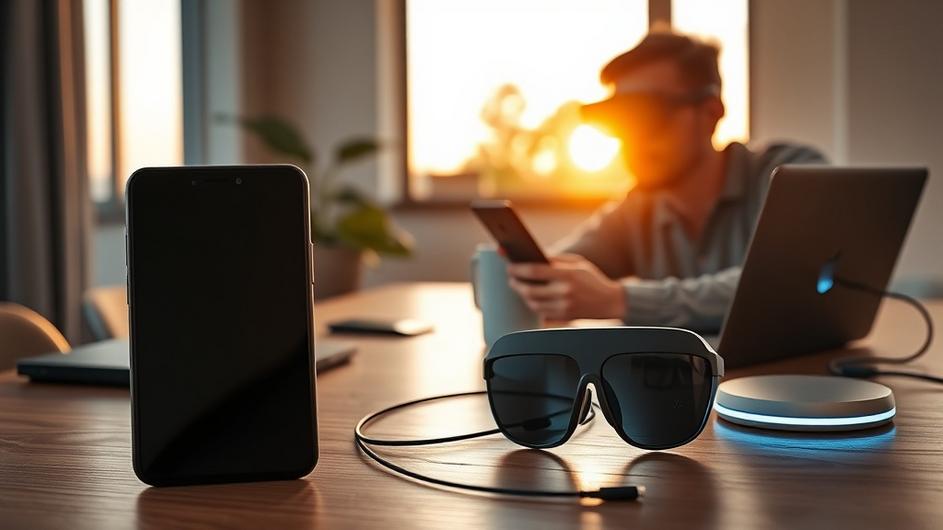
Augmented reality hardware is moving from niche to mainstream faster than most buyers expected. Xreal permanently dropped the price of its One Pro headset to $599, making private huge-screen AR a much more realistic option for regular consumers. DirecTV added live TV streaming to Meta Quest headsets, a move that signals how content companies are starting to reframe headsets as living room replacements rather than experimental gadgets.
These moves matter because economies of scale and content availability will determine who wins the next platform cycle. Apple and Snap are reorganizing and accelerating their hardware pushes too. Apple’s recent leadership changes look like a renewed commitment to wearables and optics. Snap has been retooling its glasses business and courting outside investment, which suggests faster product cycles and lighter designs coming soon.
And it is not just entertainment. Hospitals are piloting clinical overlays where surgical teams use AR to see patient imaging, vitals, or procedural guidance directly in their field of view. That application demands ultra-low latency, precise alignment between virtual and physical objects, and strict privacy guarantees. For developers, this opens real opportunities: building user interfaces readable in surgical lighting, APIs that sync overlays with medical imaging equipment, and testing frameworks that prioritize safety. The takeaway here is clear. AR is not a single product story. It is a constellation of devices, content, and regulatory regimes.
When Hardware Hits the Platform Wall
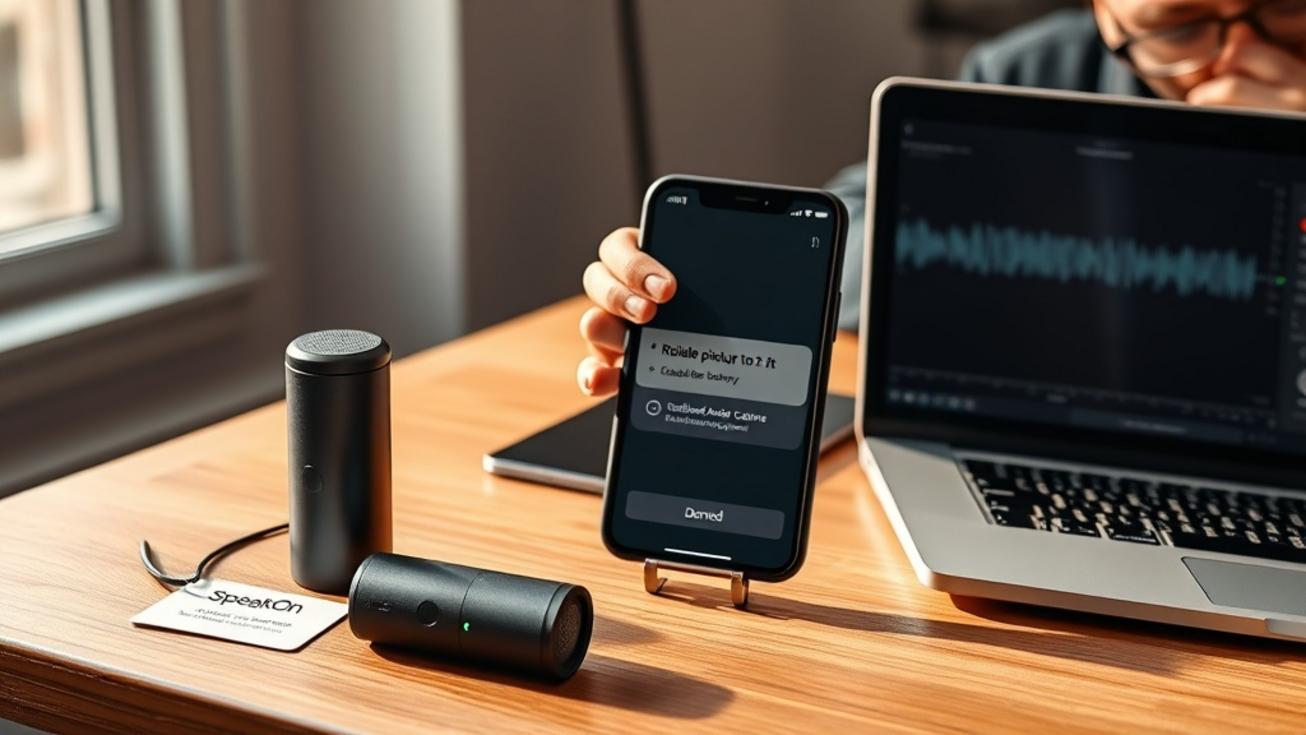
Startups keep trying to push innovation at the edges, and they keep running into platform limitations. Consider SpeakOn’s standalone dictation device. It is a small recorder with one microphone that claims reliable pickup up to two feet, long battery life, and a companion app that adjusts AI editing based on the app you are using. The hardware side is genuinely promising.
But platform access and integration limit its usefulness. Mobile operating systems restrict background audio capture. App ecosystems are reluctant to hand off editing workflows. A clever piece of hardware gets hamstrung unless platform owners embrace new APIs. For anyone building products, the lesson is familiar: hardware innovation needs platform partnerships or open standards to actually reach its potential.
The Silicon Politics Nobody Asked For
Overlaying all of these product-level frictions is something more serious. A South Korean court recently sentenced a former Samsung researcher to seven years in prison after he leaked DRAM technology to a Chinese competitor. The ruling explicitly framed DRAM as core national technology. That tells us two uncomfortable things.
First, semiconductor knowhow now carries strategic value beyond commercial competition. That pushes corporations to lock down R&D and create stricter internal security. Second, national policymakers will play an increasingly active role in deciding which technologies can be shared and with whom. That affects global supply chains and partner selection in ways that engineers and executives need to start accounting for.
What This Means for Builders
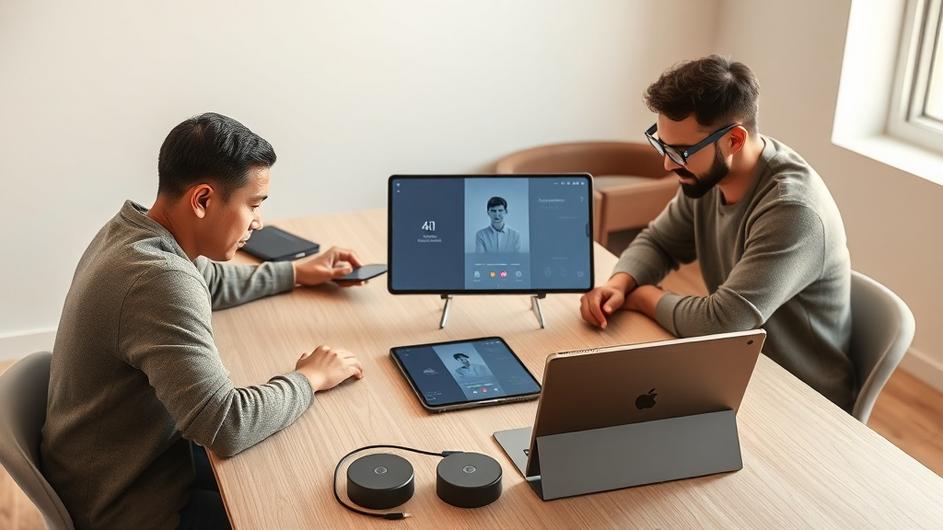
For engineers and technical leaders, these converging trends create a new operating environment. Faster displays, lighter AR glasses, and novel peripherals offer exciting capabilities, but they demand cross-team coordination spanning firmware, drivers, cloud services, and legal compliance. Developers need to think in systems rather than components, building applications that adapt to dynamic refresh rates, manage power-sensitive AR overlays, or safely connect medical devices to clinical workflows.
Product teams must design with platform constraints in mind, cultivating partnerships with OS vendors or embracing standards that can bypass walled gardens. The smartest product strategies this year will blend component-level excellence with careful attention to the platforms and policies that grant access to users.
Looking forward, these tensions will shape both opportunity and risk. Price pressure and component improvements will democratize new form factors, letting smaller teams experiment with mixed reality UIs and new interaction models. Content ecosystems will follow hardware if latency and power can be solved, creating appetite for novel developer tools and runtime optimizations.
On the flip side, geopolitical control over semiconductor talent and IP will likely tighten, creating compliance burdens and raising the cost of innovation in certain domains. The era ahead will be defined by hardware that is faster, lighter, and more specialized, coupled with an ecosystem that is more selective and regulated.
The Bottom Line
If you are building the next generation of apps or devices, think not only about what the hardware can do. Think about the systems and institutions that will let it do that work safely and at scale. The companies and teams that learn to navigate both engineering complexity and the broader political landscape will be the ones who define the next wave of consumer and enterprise experiences.
Sources
- Next-gen OnePlus 16 leak reveals key display upgrades – Notebookcheck, April 2026
- 6 AR Devices And Trends In 2026 That Surprise Buyers – Glass Almanac, April 2026
- 7 AR Shifts In 2026 That Could Reshape Phones And Surgery – Glass Almanac, April 2026
- SpeakOn dictation device: a good idea marred by platform limitations – TechCrunch, April 2026
- South Korean court deems Samsung DRAM tech ‘core national technology’ in China leak trial – PC Gamer, April 2026