
From Gemini to iPhone 18 Pro: How AI, New Hardware, and Mobility Are Shaping the Next Tech Year
The tech calendar has settled into a familiar groove: software showcases in spring, hardware launches in the fall. But this year feels different. What we saw at Google I/O and what’s bubbling up through Apple’s rumor mill aren’t isolated product updates. They’re pieces of a bigger puzzle, one where generative AI, wearable computing, and mobility tech all intersect with economic headwinds and regulatory attention. For developers and technologists, the decisions being made right now will define the platforms and constraints they work with for years to come.
Google Puts AI to Work
Google set the tone at I/O with a pretty clear message: make AI useful in everyday life. The company showed off Gemini, its family of generative models, and talked up improvements around speed, customization, and multimodal capability. We’re talking about handling text, images, and video all within a single conversation. Google also pushed agentic features that let AI take actions on behalf of a user. That’s a big deal because it moves AI from being a suggestion engine to something closer to an active assistant. But it also opens up questions about trust, permissions, and where automation should stop.
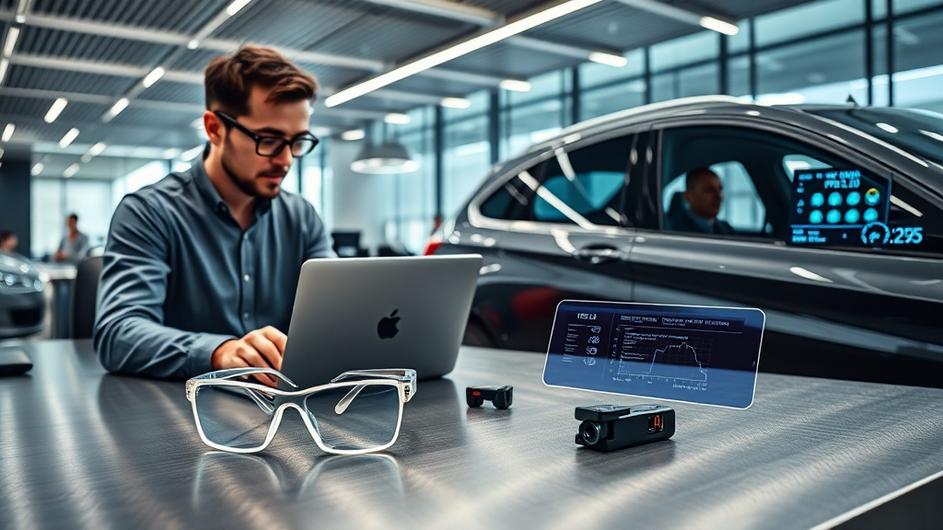
Alongside the model upgrades came platform announcements that actually matter to builders. Android XR, Google’s push into consumer smart glasses, is now positioned as a real product with hardware partners and an autumn release window. The idea is to weave AR into daily routines without making it feel intrusive, and to create seamless continuity between phones, glasses, and cloud AI. Google also previewed big changes to search and visual tools like Pics, reimagining search as a more conversational, image-aware experience. For developers, that translates to new integration points, new UX patterns, and fresh opportunities to build apps that hand off tasks between devices and AI agents.
Apple’s Quiet but Strategic Cycle
Apple’s rhythm looks different but it’s no less deliberate. With WWDC approaching, the company shipped iOS 26.5, a midcycle release that refines APIs and security features while telling developers what they’ll need to support soon. At the same time, the rumor mill around the iPhone 18 Pro and Pro Max is heating up. Reports point to iterative but real improvements: camera and display upgrades, performance gains, and better battery life. Analysts note Apple might get aggressive on Pro pricing even as memory shortages and cost pressures hit the broader industry. For developers, a more capable OS combined with new hardware means fresh hooks for innovation, whether that’s optimized multimedia processing or higher frame rate experiences on mobile.
Mobility’s Hard Reality Check
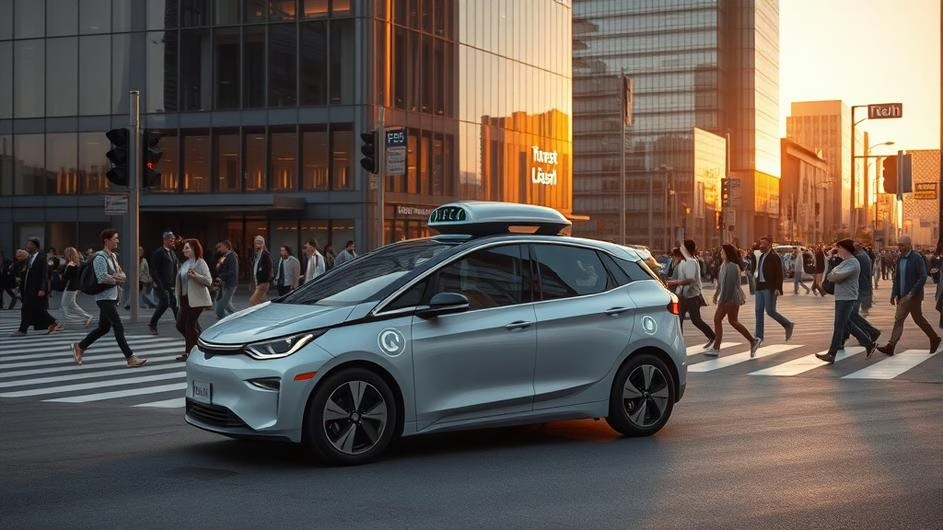
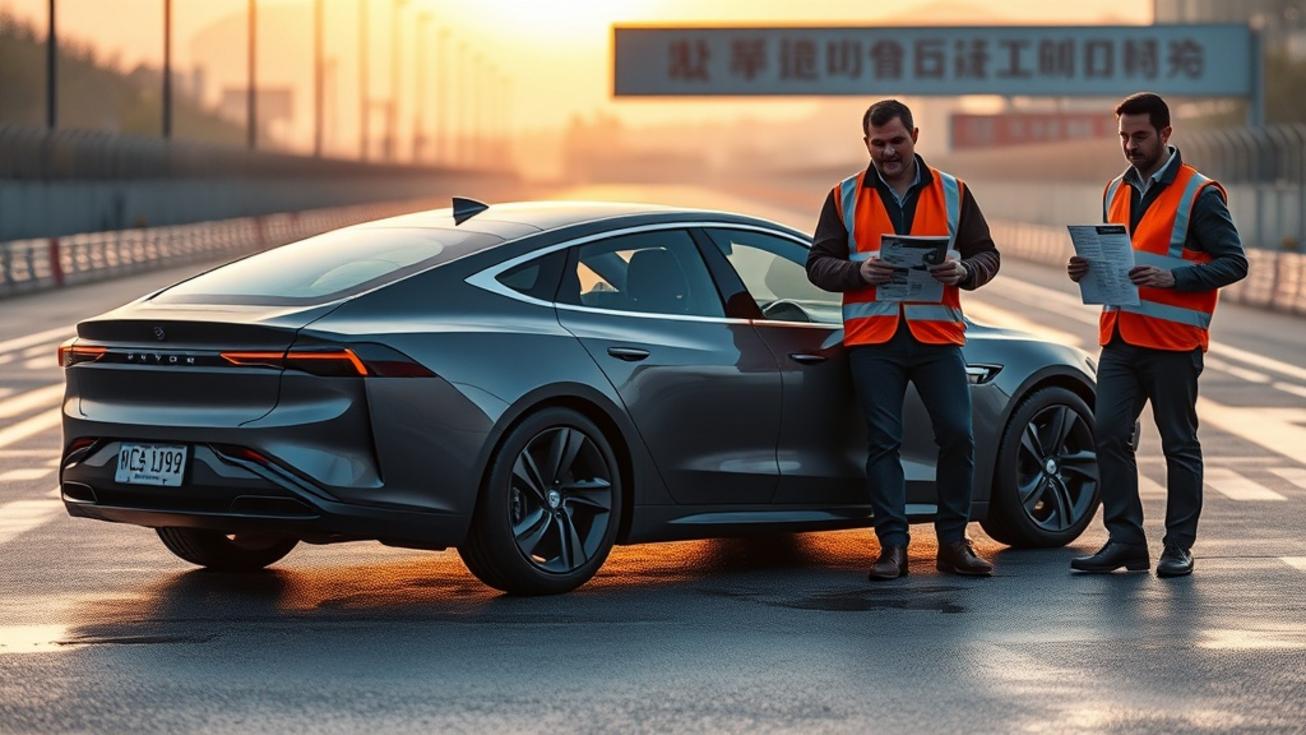
None of this is happening in a bubble. The mobility sector shows both technological ambition and harsh economic realities. A recent hands-on report from China captured the speed of innovation on local test tracks, where manufacturers are experimenting with tighter integration between AI, sensors, and vehicle feedback. But automakers are candid about the challenge: scaling profitable AI features is tough. Surveys show carmakers struggling to turn advanced driver assistance, personalization, and over-the-air services into reliable revenue streams. The automotive world has to balance expensive sensor suites and compute power against what buyers will actually pay, which is constrained by the same market forces hitting smartphones and consumer electronics.
Regulation Adds Another Layer
Regulation and privacy are complicating things further. US regulators including the FTC are warning dealerships about deceptive pricing and watching how customer data gets handled, especially when salespeople capture driver licenses or personal info on personal devices. Meanwhile, companies building agentic AI and device ecosystems will face scrutiny over how automated actions get authorized, how decisions are explained, and how data flows between partners. That scrutiny will shape developer requirements around consent, auditing, and privacy-preserving telemetry.
What Builders Need to Know
So what does this all mean for people shipping software and hardware? Expectation management is going to be crucial. Users want helpful, context-aware assistants that reduce friction, but they’ll also demand transparency and control. Developers should prioritize clear permission models, solid error handling for when agents act autonomously, and user-facing explanations that demystify AI decisions. Cross-device continuity will reward modular design. Apps that can hand off a task from a phone to glasses to a car dashboard while maintaining state and privacy boundaries will feel faster and more integrated.
Economic realism matters too. Adding advanced AI features sounds great, but the compute and sensor costs add up fast. Optimizing models for edge execution, using selective cloud compute, and designing tiered feature sets can make new capabilities more sustainable. And policy will shape product choices. Investing early in audit trails, consent logs, and data minimization will reduce friction with regulators and build user trust.
The Converging Forces
We’re entering a phase where platform architecture, hardware cycles, and regulatory frameworks are all converging. Google’s push to make AI an everywhere assistant, Apple’s steady refinement of hardware and software, and the car industry’s experimental deployments all point in the same direction: context-aware intelligence embedded across devices and services. For developers, that’s both an invitation and a challenge. Build experiences that are helpful, explainable, and economically viable.
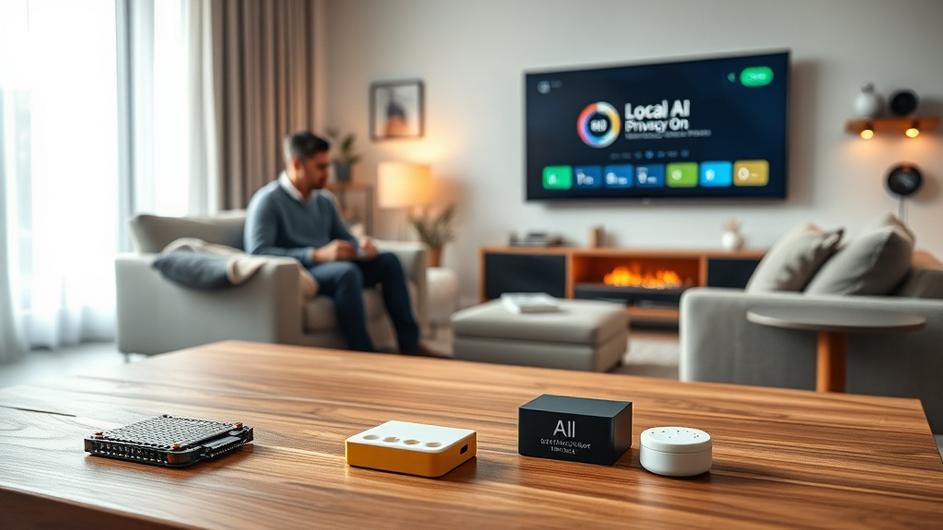
Looking ahead, a few patterns stand out. AI will keep migrating from cloud-only models to hybrid architectures that run core capabilities on-device for latency and privacy, while using cloud bursts for heavier tasks. AR and voice will reemerge as primary interfaces for hands-free interactions, especially in mobility. And regulatory demands will push companies to bake in transparency and consent, not treat them as afterthoughts.
The coming year won’t just deliver faster models and shinier gadgets. It’ll test whether the industry can weave intelligence into daily life in a way that’s useful, safe, and sustainable. For developers and product leads, the task is clear: build with interoperability in mind, design AI behaviors that respect user agency, and plan features with cost and compliance on the roadmap. The next wave of devices and services will reward teams that strike that balance. And the companies that do will shape what computing feels like for the next decade.
Sources
- Top Stories: iPhone 18 Pro Rumors, iOS 26.5 Released, and More, MacRumors
- Google’s Latest Stuff Explained in Human Terms, CNET
- Daily 5 report for May 19: A hands-on experience with China’s latest tech on a Chinese test track, Automotive News
- Watch Google Unveil Its Biggest Updates at Google I/O 2026 in 13 Minutes, CNET
- Omni, Pics, and a Big Search Overhaul: Everything You Missed at Google I/O 2026, PCMag
- The AI and AR Pivot: What Google I/O, WWDC, and 2026 Hardware Moves Mean for Developers
- Why 2026 Feels Like the Year Augmented Reality Finally Gets Real
- When AI Meets Accountability: From Courtrooms to Capitol Hill
- Consumer AI in 2026: Where Convenience Meets Scrutiny
- 2026 Hardware Moment in Focus: AR Everywhere, Cheaper Compute, and What Developers Should Prepare For