The AI and AR Pivot: What Google I/O, WWDC, and 2026 Hardware Moves Mean for Developers
This spring felt like a hinge moment for consumer platforms. Mobile operating systems, generative AI, and augmented reality hardware all nudged into alignment at roughly the same time. Apple shipped incremental but telling updates with iOS, macOS, and iPadOS 26.5. Google is preparing a broad AI and hardware push at I/O. And several companies have revealed or leaked AR prototypes that make smart glasses feel imminently real. For developers and platform architects, the question is no longer if these trends will converge. It is how to prepare for them in code, infrastructure, and product design.
Apple’s 26.5 updates are not flashy. They are strategic. One headline feature is encrypted RCS messaging, though it carries a beta label and limits to certain carriers. RCS stands for Rich Communication Services, a modern replacement for SMS that supports typing indicators, media, and read receipts. Adding end to end encryption to RCS brings messaging privacy closer to what users expect from iMessage. But the carrier limitations and beta tag mean adoption will be gradual. Apple also added Pride wallpapers and initial plumbing for ads in Maps, a signal that platform monetization is expanding beyond the App Store. Perhaps most notable for future-facing work: these releases feel like the last set of changes before WWDC, where Apple often reveals major platform shifts. That includes the still absent Siri overhaul that has been hinted at for years.
Across the aisle, Google is promising a bolder mix of software and hardware at I/O. Public expectations include a faster Gemini model, an assistant that can actually act for you by taking tasks on behalf of the user, smart glasses built in partnership with fashion brands, and a new laptop operating system. Put together, that is an effort to move AI out of the chat box and into real world actions and devices. Agentic AI, a term used for models that perform tasks autonomously, raises familiar trade offs. Agents can be powerful productivity boosters. But they also require clear boundaries, permission models, and audit trails so users retain control and developers can safely integrate them into apps.
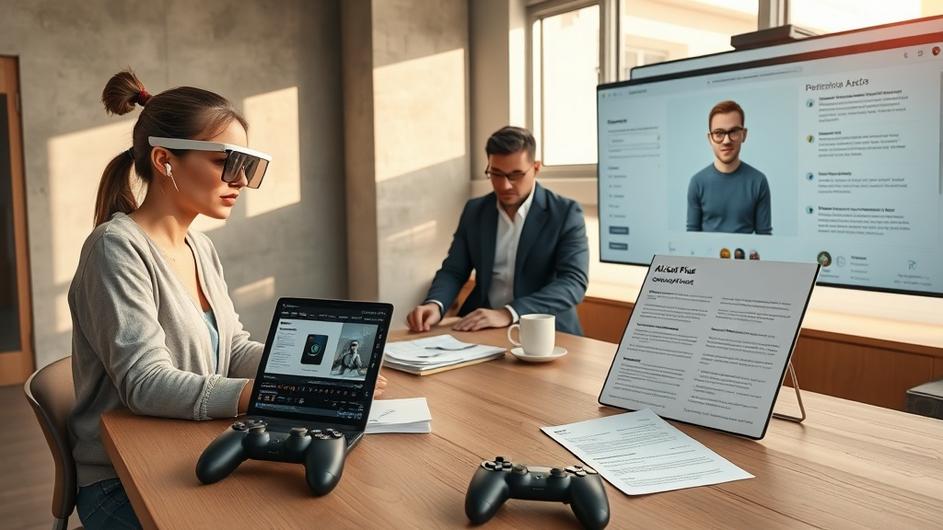
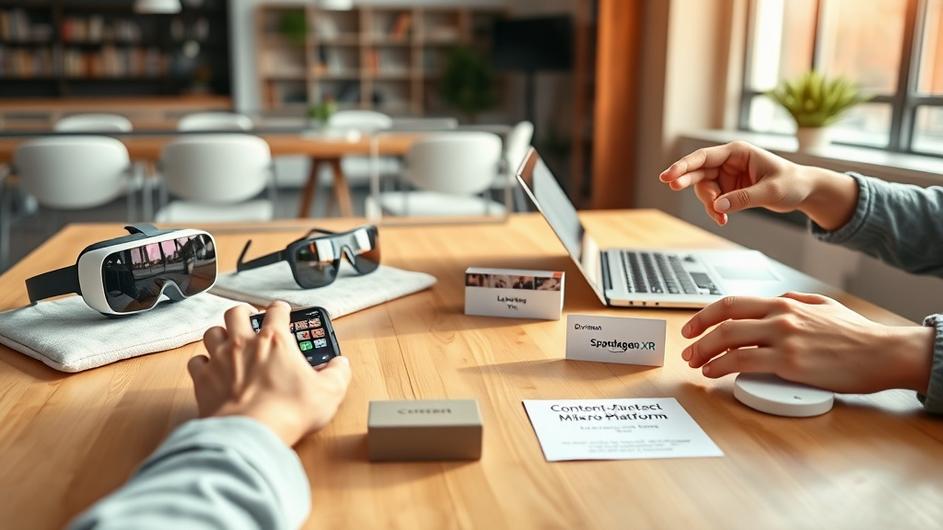
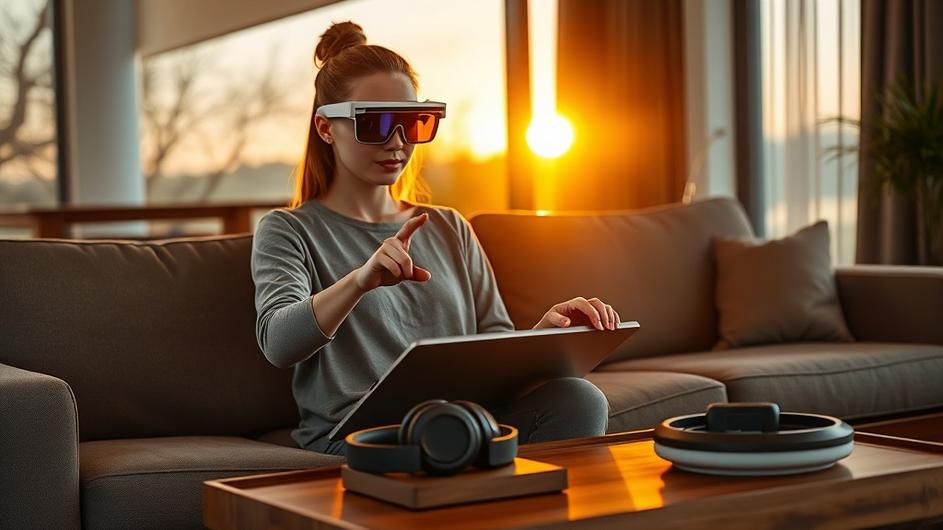
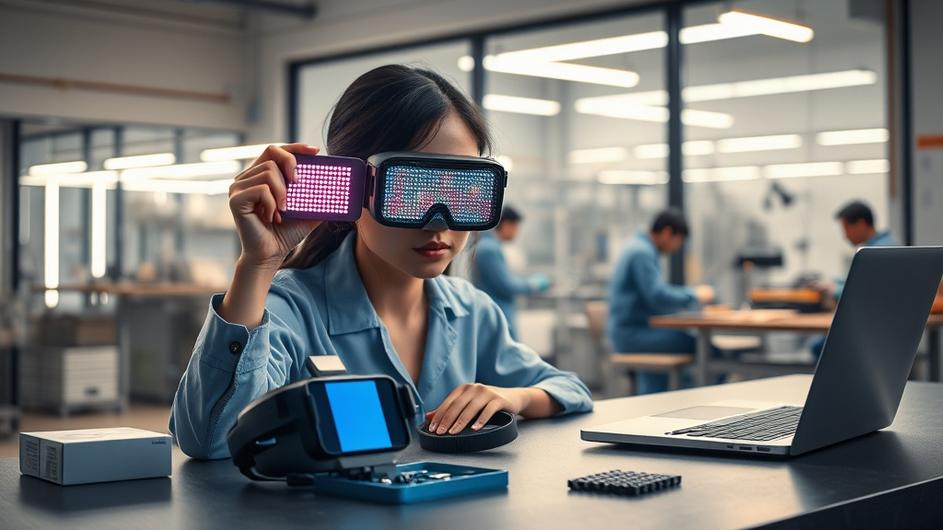
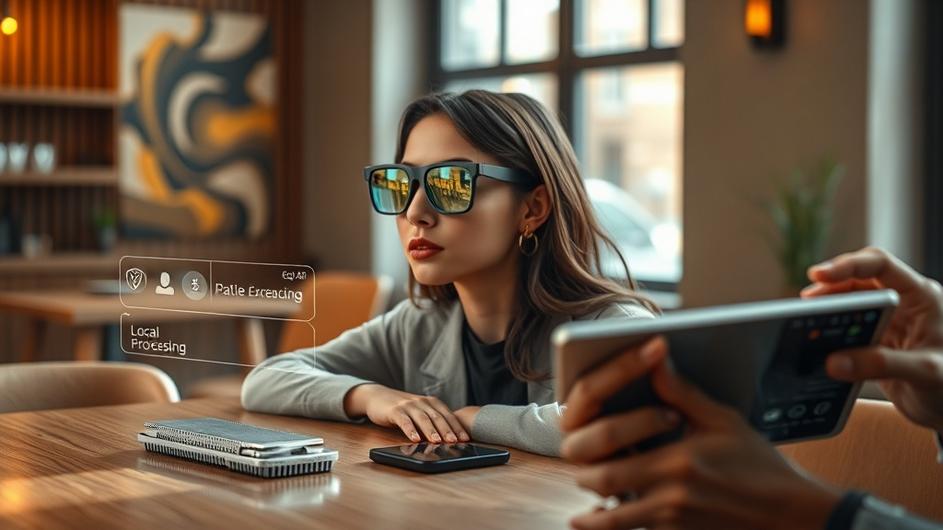
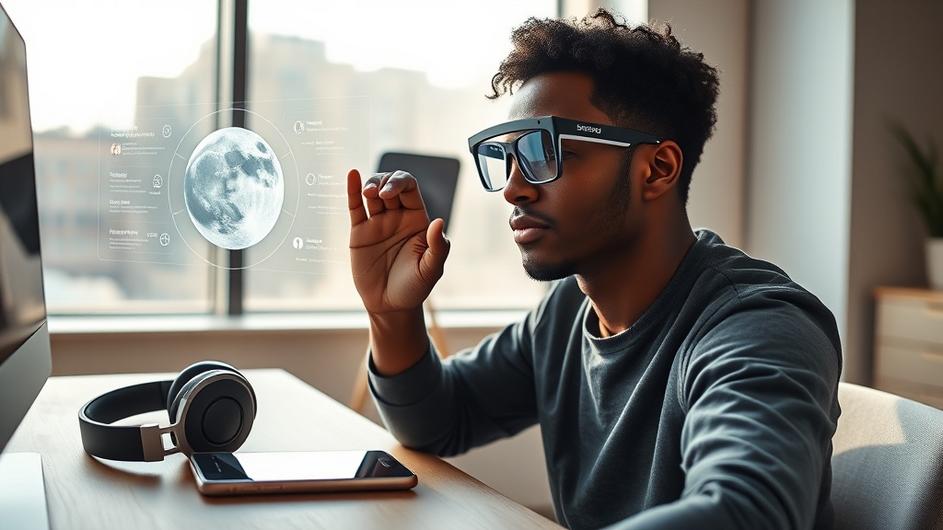
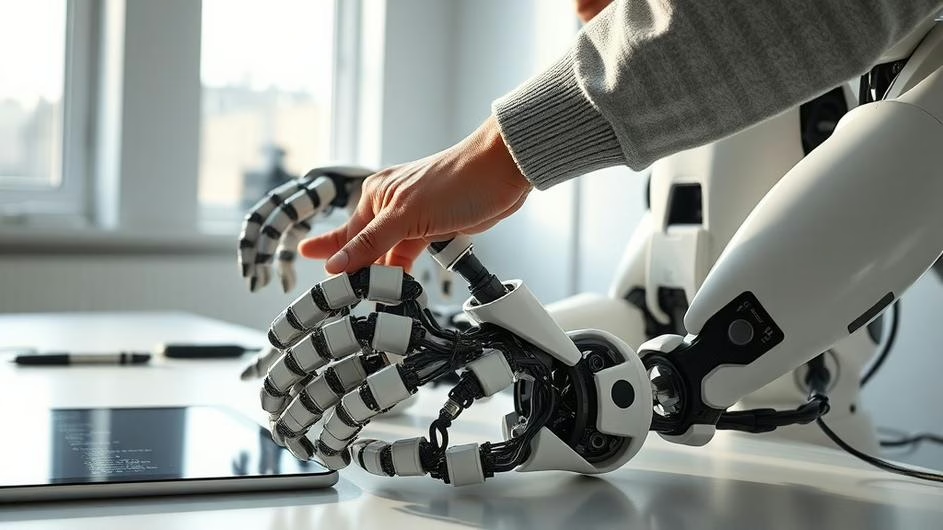
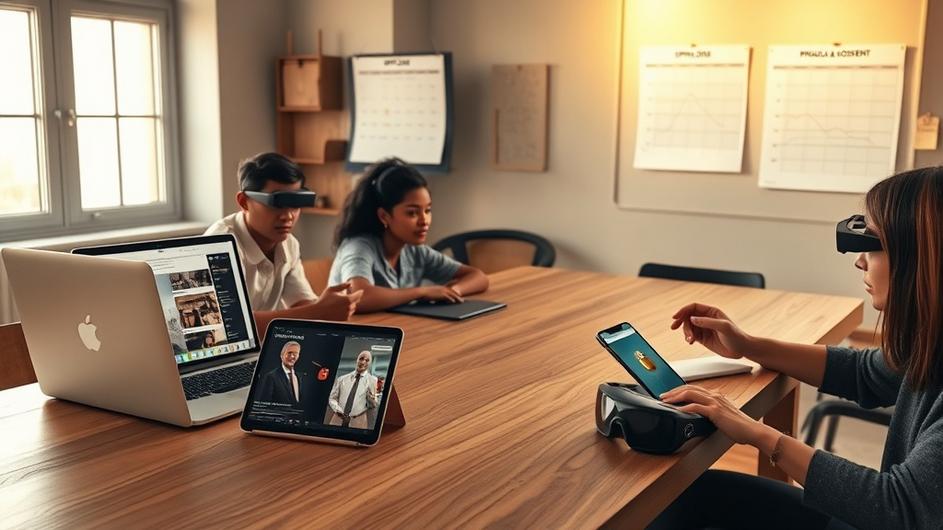
One of the clearest threads running through these stories is hardware. Samsung’s Galaxy XR, which shipped in late 2025, and a wave of leaks and prototypes from Magic Leap, Snap, and Apple show that 2026 could see multiple approaches to consumer AR. Reports suggest Apple is testing four distinct smart glass designs, which indicates it is hedging on form factor, optics, and battery life. Snap and Qualcomm are moving toward consumer priced AR Specs, while Magic Leap has shown lighter Android XR prototypes. These moves make it likely that smart glasses will diverge from the monolithic, high price model of yesterday’s headsets. They will move toward devices that balance weight, battery, compute, and style.
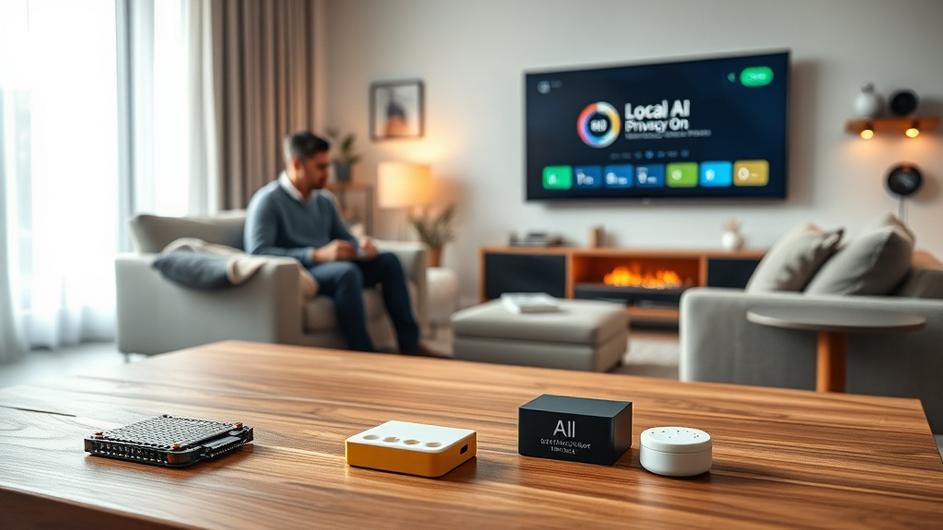
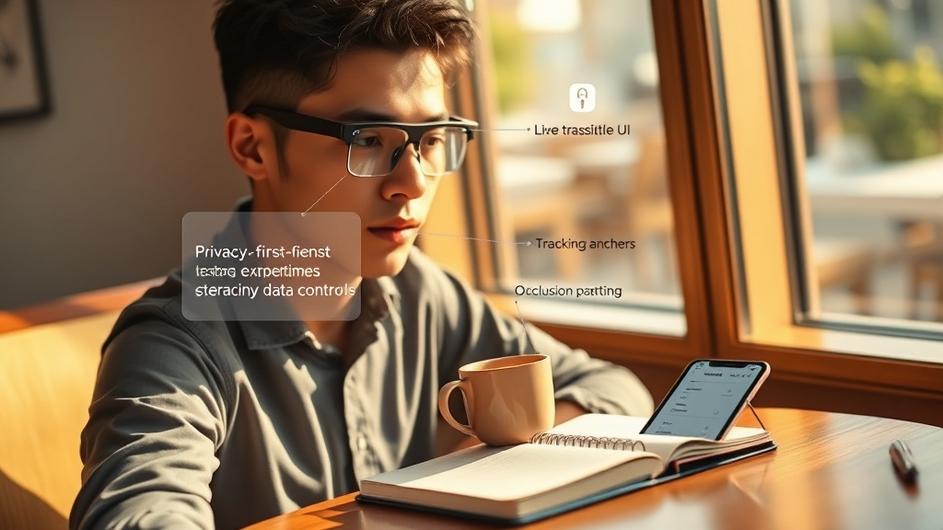
For developers, this hardware variety matters because it changes the constraints of your product design. Lighter devices will have smaller batteries and less on device compute, which favors edge cloud orchestration and efficient models. Premium devices with more local silicon will enable richer, lower latency AR experiences and local AI inference, which is better for privacy sensitive interactions. Designing apps to scale across that spectrum will require flexible rendering pipelines, adaptive model loading, and clear fallbacks for when local sensors or compute are unavailable.
Android’s ecosystem is also in motion. Samsung continues to push its mid range Galaxy A line while OneUI 8.5 and potential Pixel 11 specs indicate steady Android OS development. Market data points to a sustained demand for mid range devices, driven by memory and storage pressures that make hardware choices more consequential for app developers. Meanwhile, OpenAI and others exploring agentic smartphone plans could reframe how apps get invoked, from user initiated interactions to proactive services that complete tasks end to end. If assistants can autonomously perform bookings, purchases, or triage email, app makers will need to expose safe APIs and clearly communicate user expectations.
Privacy and monetization will be recurring themes. Apple enabling encrypted RCS is a privacy forward step. But its Maps ad plumbing shows platforms are still deepening revenue channels. Developers should expect more opportunities to monetize outside app stores, along with more scrutiny about how data flows between device, cloud, and third parties. Implementing robust consent flows, short lived credentials, and clear data minimization practices will be table stakes.
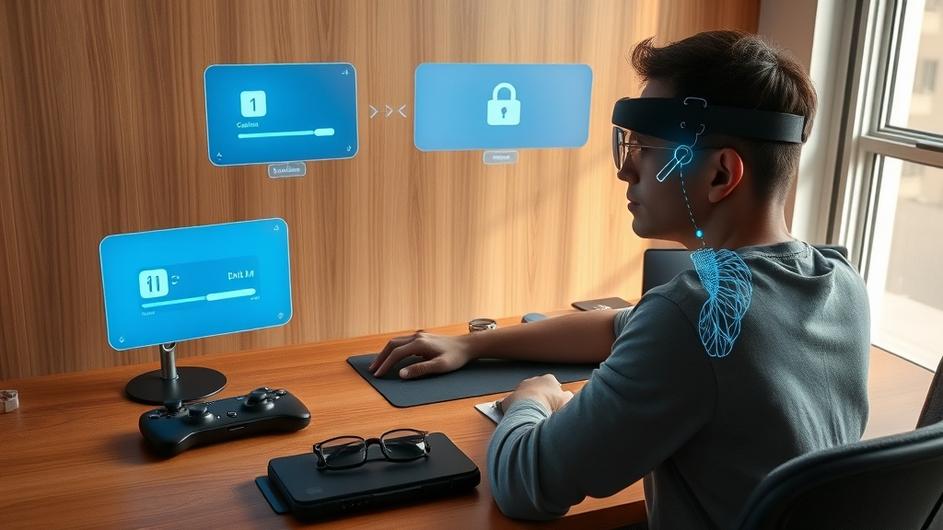
For teams building AR or AI experiences, the next wave will be more than a set of SDK updates. It will require cross disciplinary work between client engineers, ML ops, sensor engineers, and designers who can imagine interaction models beyond touchscreens. Voice plus glance interactions, contextual assistant interventions, and low friction permission models will be differentiators. Developers should also think about content portability. Users will migrate across phones, glasses, and laptops, and they will expect consistent identity, sync, and privacy guarantees.
There is a practical developer checklist emerging from these converging trends. First, treat AI as part of your product pipeline, not a bolt on, by investing in model evaluation, monitoring, and safety testing. Second, design for heterogeneity: build modular rendering and inference components that can scale down or up with device capability. Third, prioritize privacy by default, especially when agentic features can act on behalf of users. Fourth, explore new monetization surfaces like maps and contextual assistant slots, but measure impact to user trust. Finally, keep an eye on hardware telemetries, memory budgets, and latency targets, because performance will shape UX more than novel features.
These months before WWDC and Google I/O feel like calm before an acceleration. Expect announcements that push AI from experimental to operational, hardware that makes AR wearable, and OS upgrades that bind these pieces together. That will open new product categories and platform opportunities. But it will also raise the bar for interoperability, safety, and user experience design.
Looking forward, the most successful products will be those that treat AI and AR as platforms to augment human workflows rather than replace them. Developers who focus on resilient architectures, clear privacy practices, and graceful cross device experiences will be well positioned as devices get smarter and more varied. The next year will not be about a single winner. It will be about an ecosystem that finally makes intelligent, wearable computing feel natural and useful. That is an exciting problem space for any engineer or product lead to join.
Sources
- iOS, macOS, and iPadOS 26.5 updates arrive with encrypted RCS messaging and more – Ars Technica
- Google I/O 2026: New Gemini, Smart Glasses, and a Whole New Laptop OS. Here’s What to Expect – CNET
- 7 AR Developments In 2026 That Reveal Who Will Win The Next Hardware Wave – Glass Almanac
- 7 AR Hardware Changes Revealed For 2026, Here’s What Changes Next – Glass Almanac
- Android Circuit: Samsung Reveals New Galaxy, Pixel 11 Specs, Apple Squeezes Ultra Flagships – Forbes
- Why Apple is pausing the iPhone 18 – TechDailyUpdate
- When cameras learn to see – TechDailyUpdate