Premium Gadgets, Patch Cycles, and the AR Pivot: What May and Early June 2026 Tell Us About Tech’s Next Chapter
May and early June of 2026 felt like a real pivot point for consumer technology. Premium hardware, platform-level intelligence, and a fresh wave of augmented reality devices started converging in ways that are hard to ignore. The gadgets rolling out across trade shows and leaks this season aren’t isolated curiosities. They paint a picture of a market that’s getting pricier, more modular, and increasingly platform-driven. They also remind developers and users that software upkeep and supply chain realities still matter a lot.
The Price of Premium
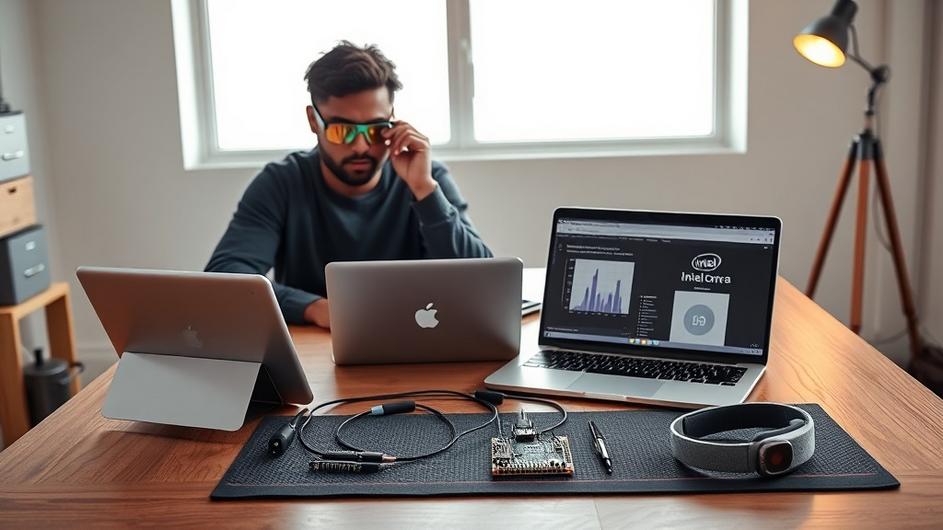
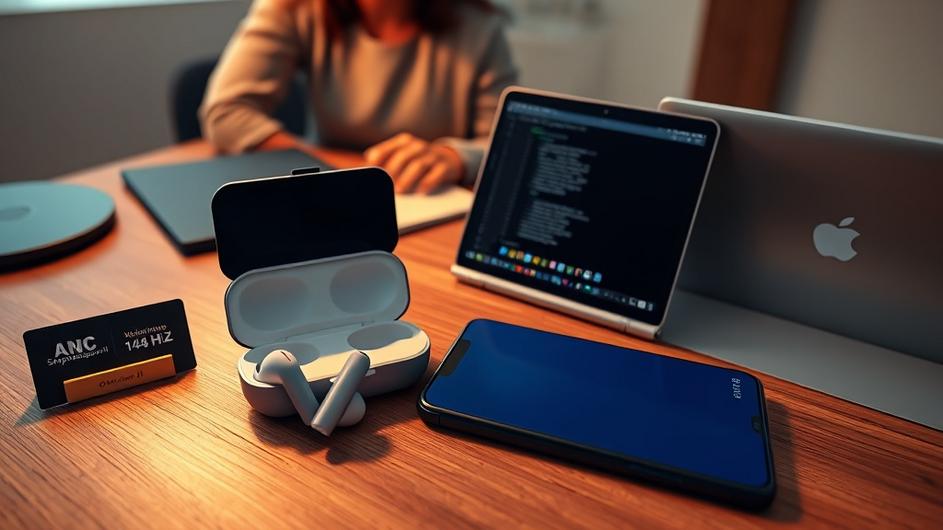
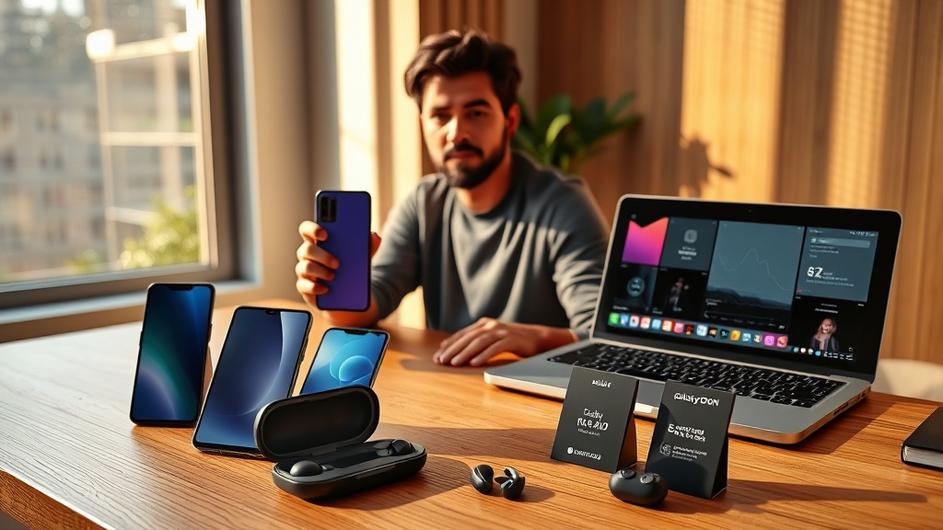
The biggest headline here is premiumization. Luxury wireless headphones, high-end gaming laptops, you name it. Manufacturers are going all in on top-tier builds and features, and prices reflect that choice. Computex 2026 put this into sharp relief. The event was packed with extravagant components and bespoke builds that felt a little tone deaf given wider economic pressures. Enthusiasts crave bleeding-edge performance and striking design, sure. But mainstream demand is sensitive to price. For developers and product teams, that means balancing ambition against the reality that most users will prioritize value over novelty.
This tension isn’t new, but it’s getting sharper. When you look at the broader hardware landscape in 2026, the gap between what enthusiasts want and what the mass market can afford keeps widening. Product managers have a tough job ahead.
Modularity Makes a Comeback
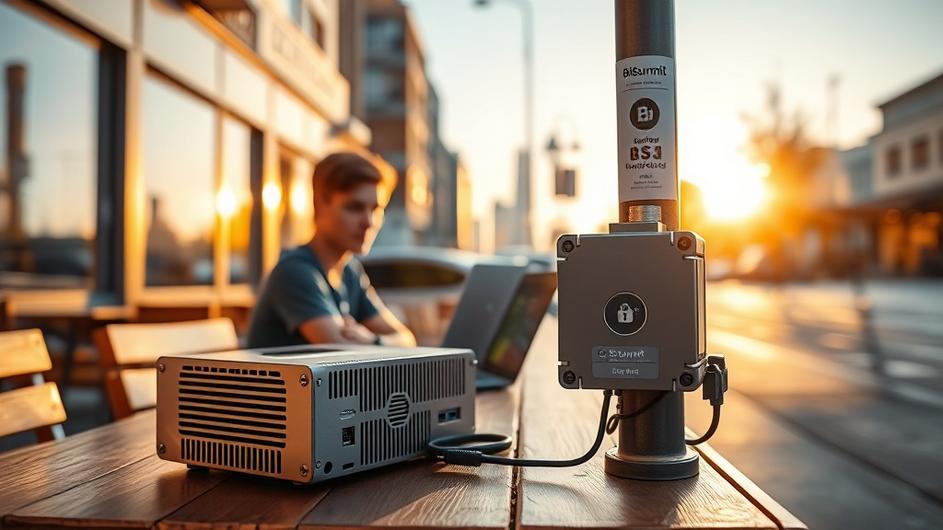
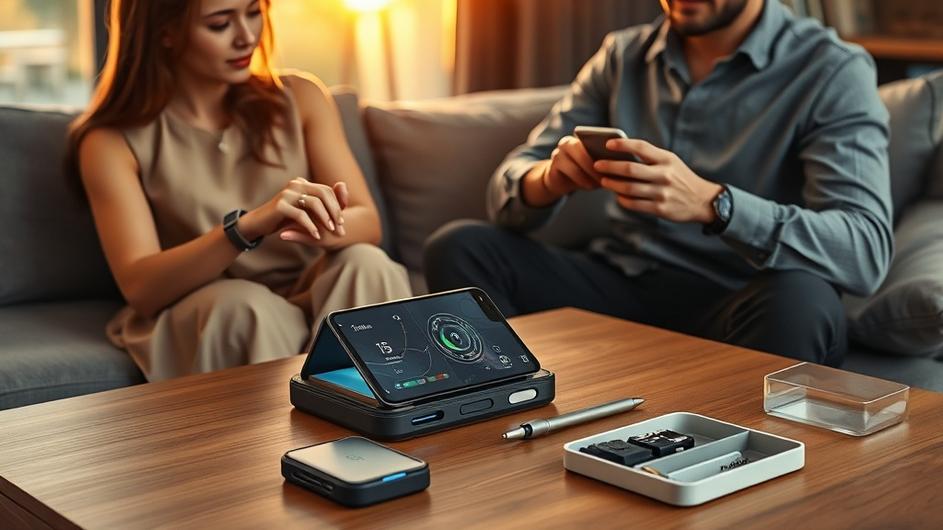
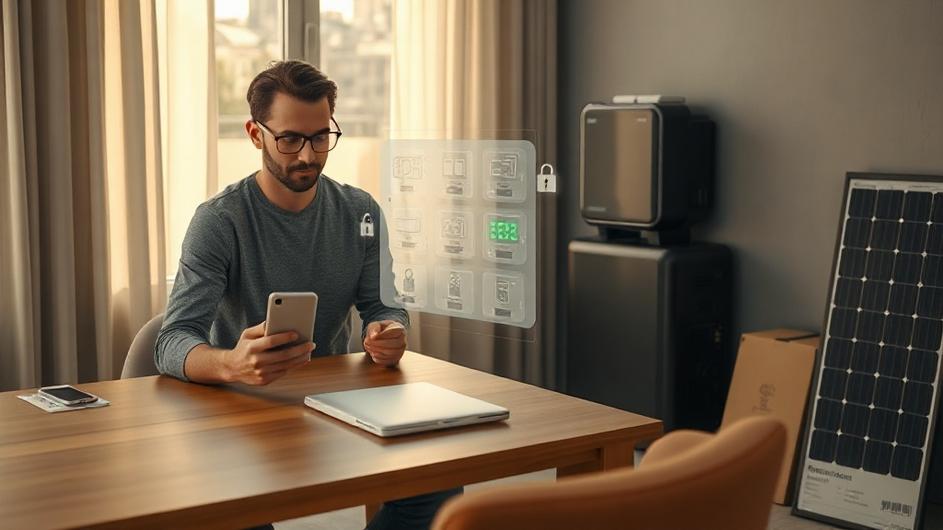
At the hardware level, we’re also seeing thoughtful innovation in how products are assembled and scaled. Consider the Anker SOLIX E10. It’s a modular home battery system that lets you stack up to five batteries into a single power module, and you can link up to three modules together. It’s expensive, sure, but more affordable than integrated alternatives like Tesla’s Powerwall 3.
Modularity has two clear advantages. It lowers the entry cost for buyers who don’t need full capacity upfront. And it enables incremental upgrades as cell technology improves. For the developer ecosystem, modular hardware opens up new possibilities for energy-aware apps, home automation integrations, and granular telemetry. But it also raises expectations around compatibility and long term support. That’s a challenge the industry is still figuring out.
Software and the Supply Squeeze
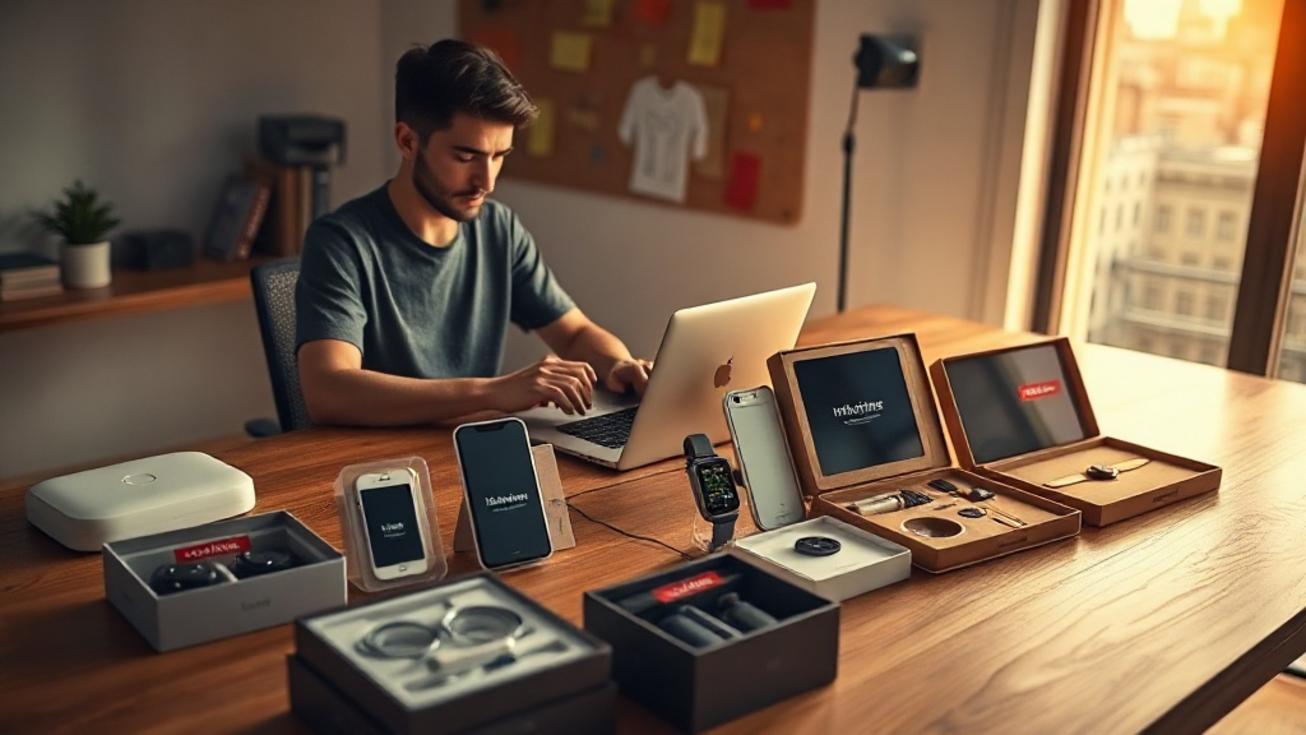
Software and platform announcements reflect that same push toward continuity and integration. Apple’s WWDC 2026 leaks point to nine new devices and a heavy focus on Apple Intelligence. That term refers to on-device and cloud-assisted machine learning features designed to make iOS, iPadOS, watchOS, and tvOS smarter and more proactive. For developers, the promise is richer APIs and system-level capabilities for building contextual, predictive experiences.
But there’s a catch. Persistent issues with RAM and storage components mean Apple may have to stagger availability. That could reshape developer roadmaps and throw off the timing of app features tied to new hardware. It’s a reminder that even the biggest players aren’t immune to supply chain friction.
AR Finally Gets Real
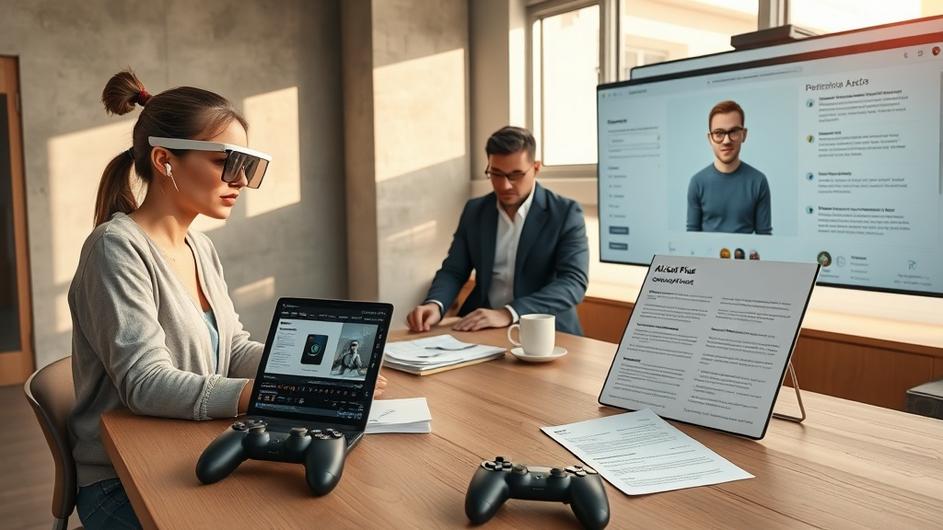
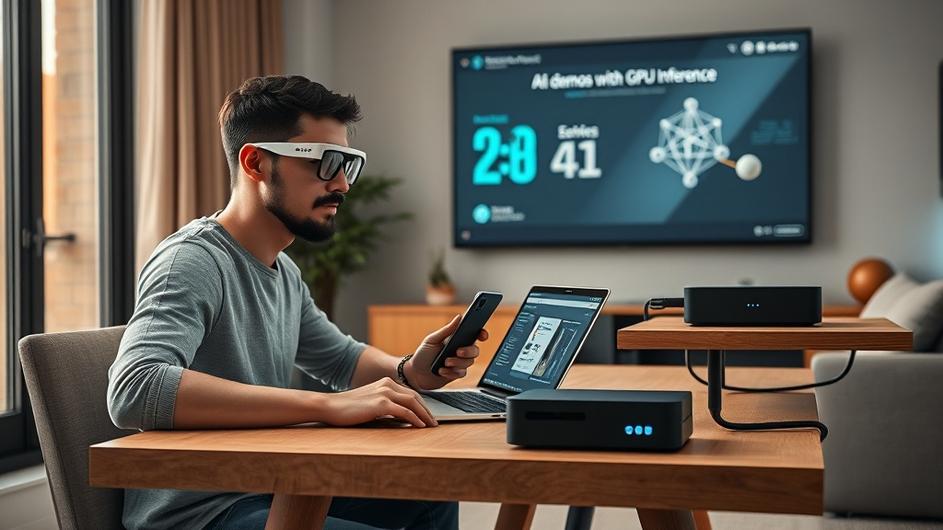
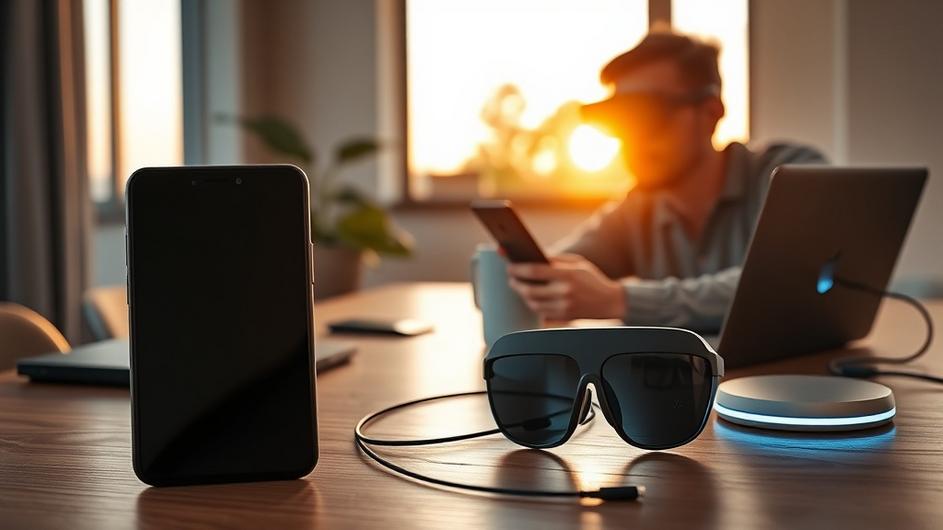
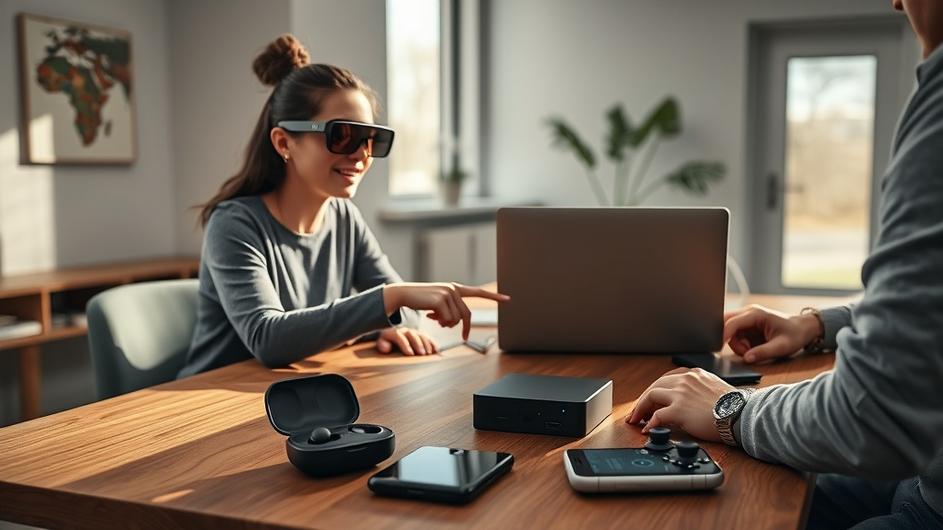
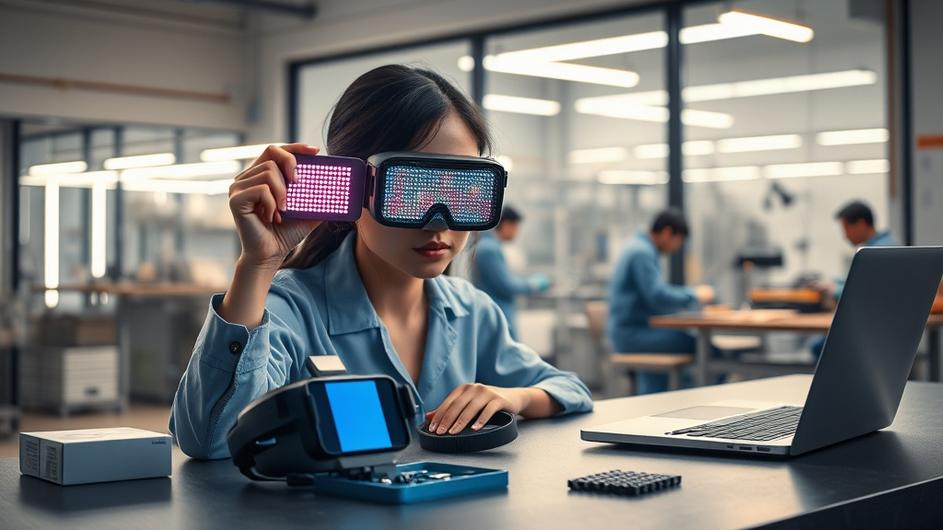
Augmented reality is the other narrative thread you can’t ignore. Reports from industry watchers spotlight five AR hardware bets for 2026 that could challenge the primacy of the smartphone. Apple is reportedly testing several frame designs. Snap is preparing lighter specs for mainstream users. Meta’s shifting platform strategy creates both opportunities and uncertainty.
If a polished pair of smart glasses ships this year, it will force designers to rethink interfaces for glanceable experiences, spatial audio, and hands-free interaction. AR isn’t just a new screen size. It’s a new interaction model that demands fresh design patterns, performance trade-offs, and new privacy considerations. The AI and AR pivot happening right now is reshaping what developers need to prioritize.
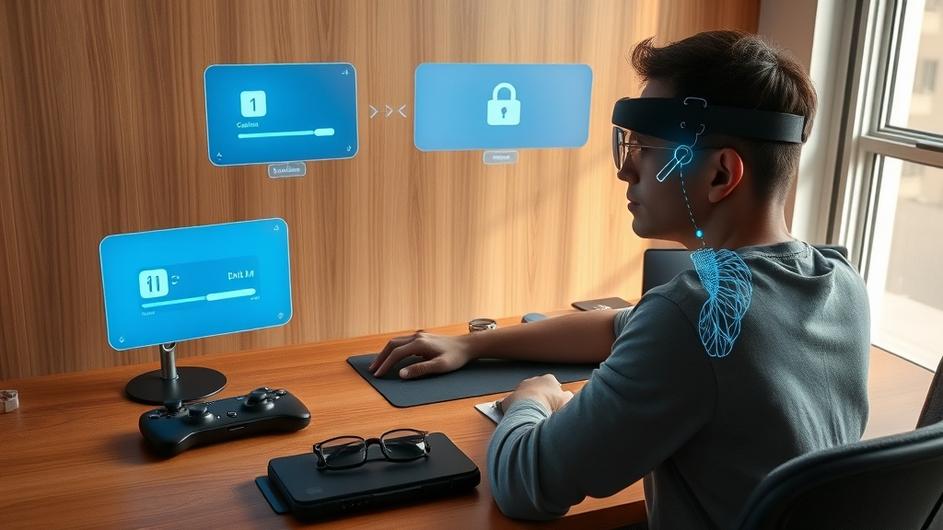
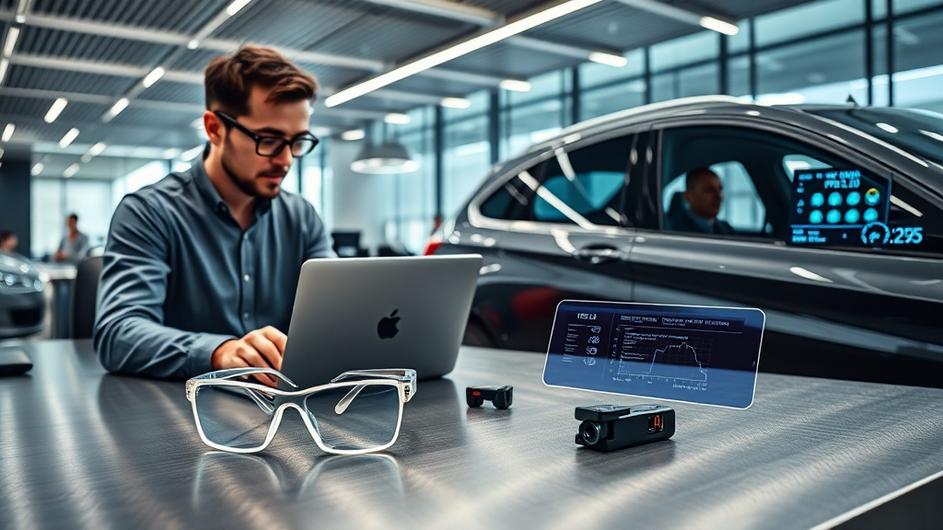
This wave of XR and AR hardware also connects to the futuristic smart glasses and prototypes we saw in May. Devices that showcased the direction of travel for immersive computing. Early units are often expensive and targeted at developers or power users. But their arrival accelerates a crucial shift. Developers will need to optimize for new input methods, rethink notifications, and build experiences that respect battery and thermal limitations while still feeling delightful.
2026 is the year AR splintered into many glasses, each targeting different use cases and price points. For buyers and builders alike, that fragmentation is both an opportunity and a complexity to manage.
The Quiet Work of Security
All this hardware innovation plays out against the less glamorous but essential backdrop of software maintenance. Samsung’s June 2026 security patch bulletin is a reminder that platform health is a continuous process. Frequent and well-documented security updates keep ecosystems secure and enable new features to roll out safely. For enterprise buyers and consumers investing in expensive hardware, predictable and timely software support matters just as much as the silicon under the hood.
The software that holds these devices together is often the overlooked factor in whether a platform succeeds or fails. Samsung gets that. The rest of the industry should too.
What Developers Should Take Away
Taken together, these signals suggest a short term future that’s both exciting and uneven. Consumers will see more premium choices and modular systems that lower entry friction for some use cases. Platform companies will push deeper AI integration, unlocking powerful new app capabilities but also concentrating power at the system level. Augmented reality may finally move from novelty to a mainstream consideration for designers and developers. With that comes a wave of new interaction paradigms to learn.
For developers and product managers, the practical takeaway is twofold. First, invest in cross-device compatibility and lightweight experiences that scale from phones to glasses. Users will increasingly expect continuity. Second, prioritize security and update mechanisms. No amount of hardware polish will compensate for a fractured or insecure software lifecycle.
The Hinge Year
Looking forward, the shape of consumer tech in 2026 will be defined by those who can marry hardware ambition with platform stewardship. Premium devices will push capabilities. Modular systems will offer new business models. AR will challenge assumptions about the centrality of the smartphone. If supply chain issues and price sensitivity temper the pace of adoption, they’ll also force smarter product choices, better developer tools, and more robust software practices.
We’re not at the end of an era. We’re at a hinge. The next year will tell us whether AR becomes an everyday accessory, whether modular home energy systems gain mainstream traction, and whether platform intelligence truly transforms how we interact with our devices. For everyone building in this space, the opportunity is clear. Focus on interoperability, support, and privacy. The next wave of devices will reward those who prepare with resilient, thoughtful software.
Sources
- The Best Gadgets of May 2026, Gizmodo, May 31 2026
- Every New Apple Device Leaked Ahead of WWDC 2026, Geeky Gadgets, June 1 2026
- Samsung monthly updates: June 2026 security patch gets detailed, SamMobile, June 4 2026
- It is hard to get excited about all the excess at Computex 2026, PC Gamer, June 4 2026
- 5 AR Hardware Bets In 2026 That Could Upend Phones, Glass Almanac, June 4 2026