Why 2026 Feels Like the Year Augmented Reality Finally Gets Real
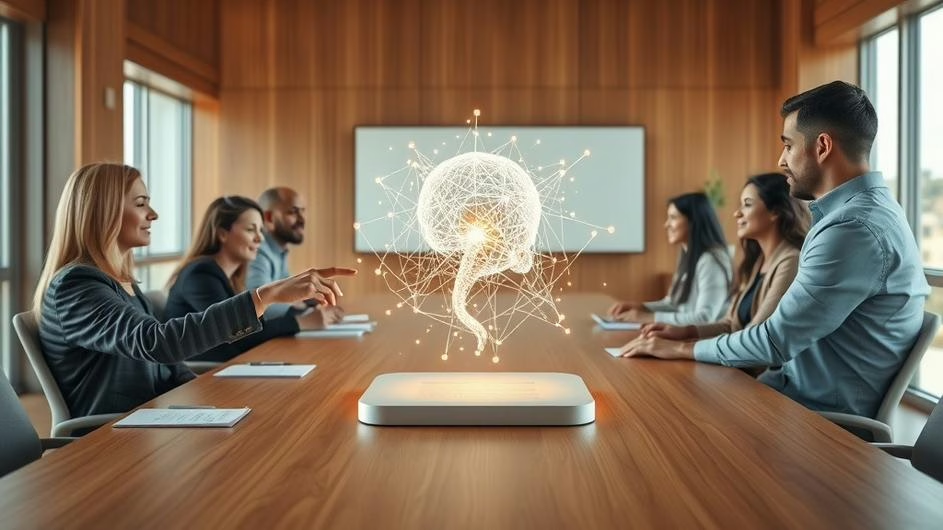
Every once in a while, the tech industry hits one of those rare inflection points where hardware, software, and distribution all converge to make a technology feel, well, inevitable. We’re seeing that right now with augmented reality. You know, that decade-long conversation about overlaying digital content onto the physical world? In 2026, it’s turning from theoretical chatter into tangible choices for both users and makers.
What’s changed? A whole cluster of developments, from better developer tools to smarter product strategies, and from automotive displays to phone manufacturing, are coming together in a way that feels different this time.
The Localization Leap
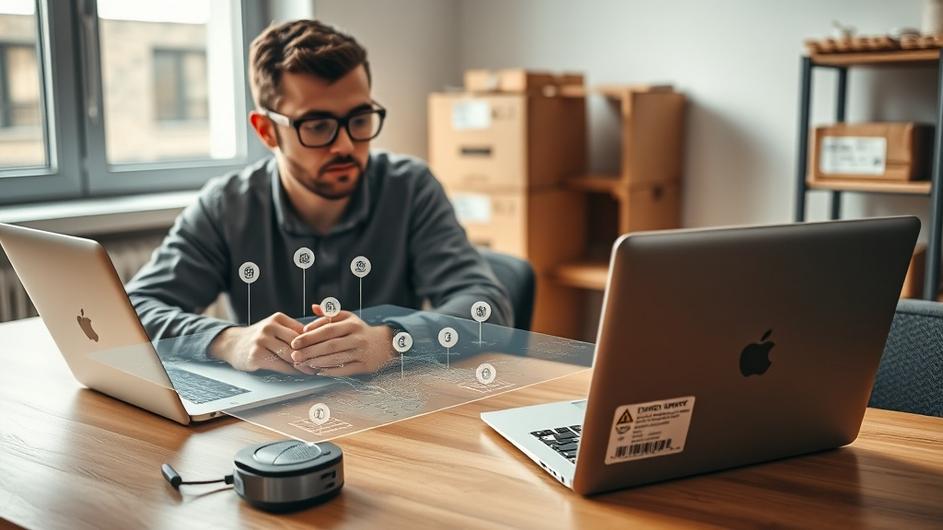
At the heart of this shift are some serious improvements to AR localization and developer tooling. Niantic just rolled out VPS 2.0, their next-generation visual positioning system, alongside NSDK 4.0, an updated software development kit. For developers, this isn’t just incremental stuff. VPS means AR apps can figure out exactly where a device is in complex environments, think busy shopping streets or indoor malls, with way less lag and fewer false positives.
The NSDK refinements cut down integration friction, letting teams prototype location-based experiences faster and iterate with actual confidence. Why does this matter beyond cool demos? Because robust localization is what transforms AR from novelty overlays into useful, persistent digital layers for retail, navigation, and gaming. It’s the difference between a gimmick and a tool you’d actually use daily.
A Hardware Renaissance
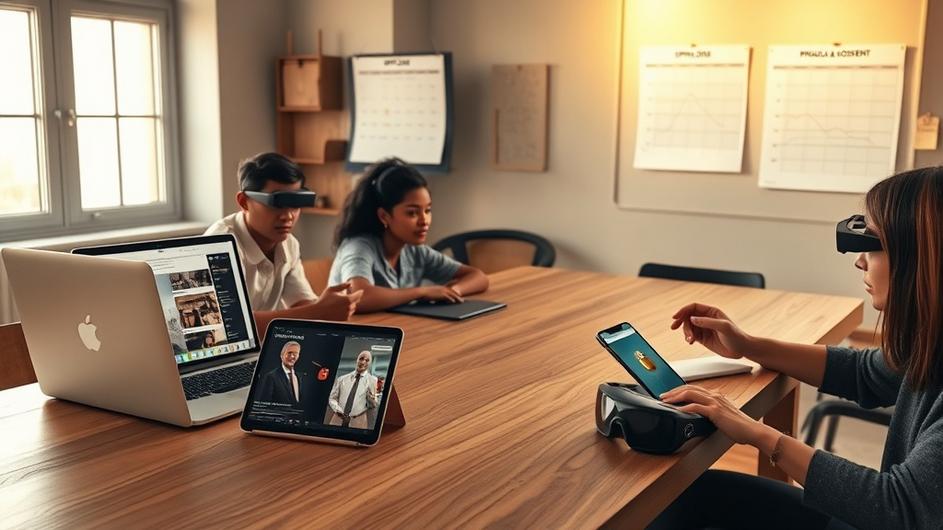
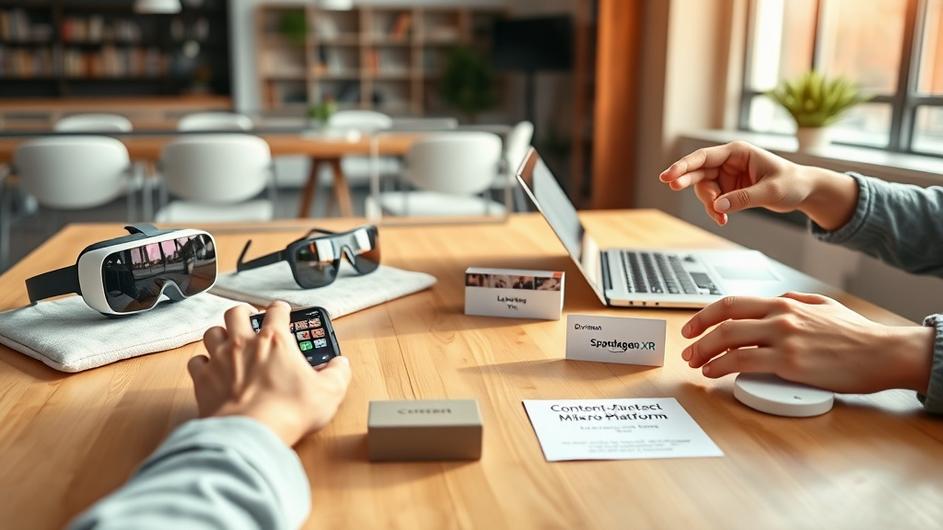
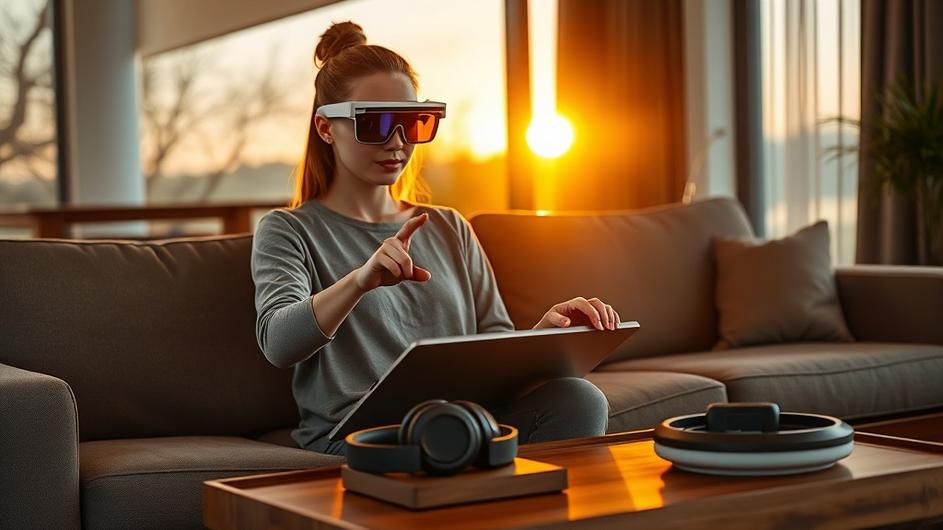
On the hardware side, 2026 isn’t telling one story, it’s telling several at once. Meta’s pushing for broader accessibility with a more approachable price point, seen in their Ray-Ban collaboration that hits that psychological $499 anchor. Meanwhile, Snap just reorganized to spin Specs into a standalone unit, a clear signal they want tighter product focus and faster time-to-market.
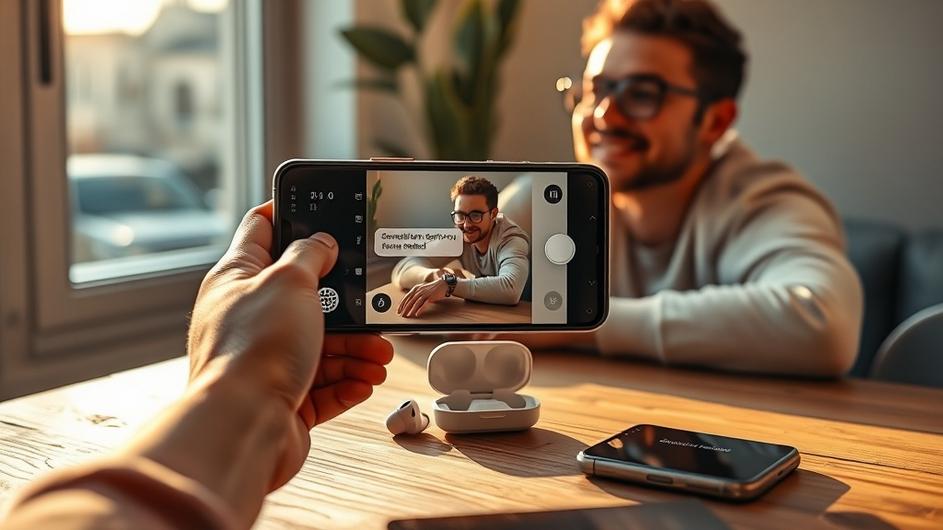
Amazon remains that lurking competitor everyone’s watching, with long-rumored AR glasses keeping pressure on rivals to move quicker. Then there’s the diverse field of challengers, from Xreal to Viture and others, shipping devices tailored for gamers, fitness enthusiasts, and everyday consumers. Some of these entrants are even prioritizing AI features over full AR displays, which is a smart play. The result? Healthy product differentiation, with multiple form factors and price points all flying in parallel.
This hardware momentum intersects with broader platform dynamics. When a company like Snap forms a dedicated Specs subsidiary, it signals that AR hardware is graduating from experimental lab projects to standalone businesses that need proper developer ecosystems, partner deals, and clear commercial models. Developers should expect faster SDK updates, earlier documentation, and more consistent release cadences from organizations treating AR hardware as a real product line, not just a marketing showcase.
The Engineering Battlefields
Battery life, thermal design, and optics continue to be the real engineering battlefields. Glasses that can overlay navigational cues, workout instructions, or game stats need to balance brightness, weight, and power in a way that doesn’t leave users with a dead device after an hour. For many manufacturers, the strategy makes sense: start with focused, lower-power use cases like fitness coaching or glanceable notifications, then layer in richer AR as battery and optics mature.
That incremental approach actually helps lower the bar for mainstream adoption. Consumers can see immediate value before committing to a device that tries to be everything to everyone. It’s a pragmatic path to market that acknowledges where the technology actually is today.

Cars Get Augmented
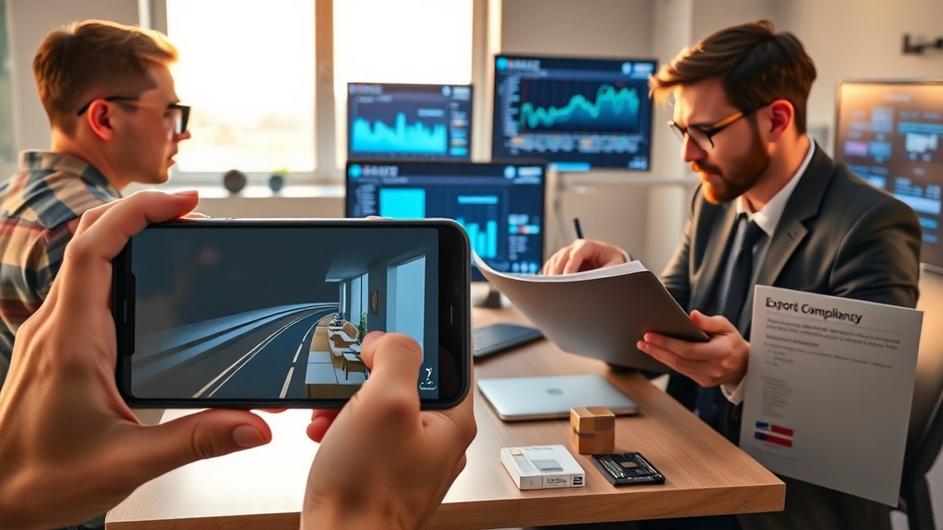
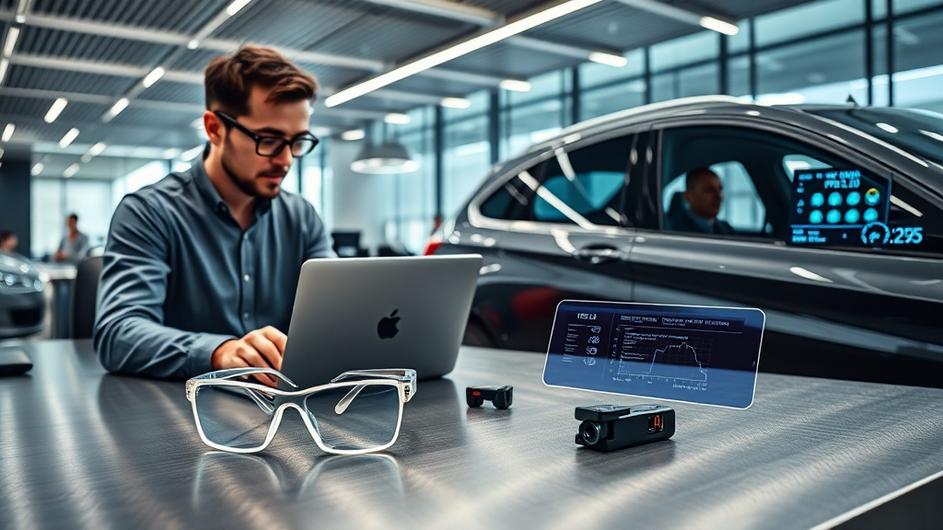
Automotive is another environment where AR is becoming production-ready. Heads-up displays that project contextual information onto windshields or combiner windows are moving from concept cars to real showrooms. In practice, automotive AR prioritizes safety and clarity, showing lane guidance, speed limits, and collision alerts without distracting the driver.
This adoption matters for the broader ecosystem because cars offer high-value use cases that reinforce AR as useful augmentation rather than ephemeral gimmickry. When your navigation arrows appear to float on the actual road ahead, that’s utility you can’t ignore.
Not Everything’s Smooth Sailing
Of course, not everything is moving smoothly. The consumer electronics supply chain still imposes real constraints. Apple’s rumored foldable iPhone reportedly hit production snags in early 2026, a reminder that complex displays and novel mechanical designs remain difficult at scale. Delays in phones that could converge with AR or serve as companion devices might shift where investment flows, making lightweight glasses and dedicated AR devices relatively more attractive in the near term.
The interplay between foldable phone timing and AR headset availability will shape user expectations about which device becomes the primary gateway to spatial computing. It’s a dynamic worth watching closely.
The Security Imperative
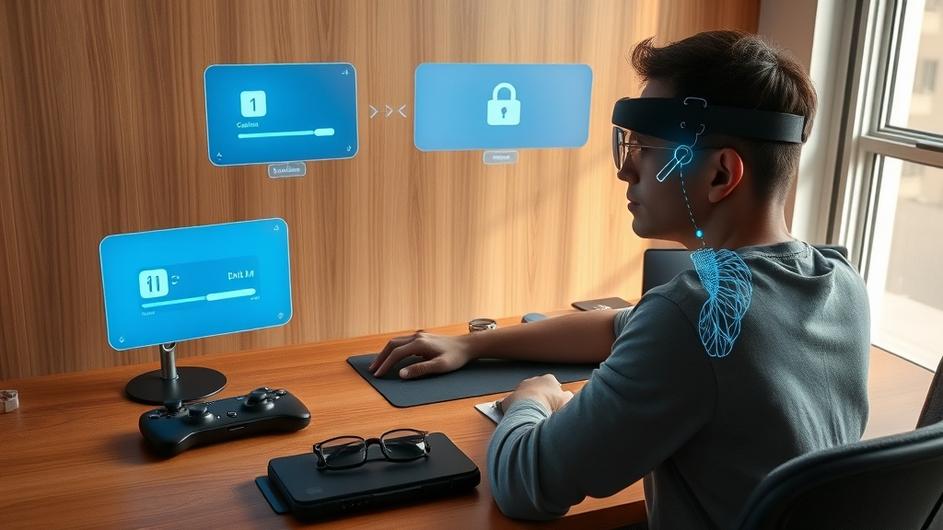
Security and software maintenance form the quiet, necessary counterpoint to all these product launches. Samsung’s April 2026 security bulletin fixed 47 vulnerabilities across phones, tablets, and wearables, with fixes contributed by both Google and Samsung’s own teams. AR and wearable devices will significantly increase the attack surface for personal data and sensors, making robust patching practices and responsible disclosure more critical than ever.
For developers, this means building proper update mechanisms, minimizing sensitive sensor exposure, and planning for long-term maintenance. It’s not just about protecting users, it’s about preserving trust in an ecosystem that needs to scale beyond early adopters.
What This Means for Builders
So what does all this mean for developers and product teams building in this space? A few things stand out.
Localization and content tooling are improving dramatically, meaning teams can build location-aware experiences that actually behave predictably in the real world. Multiple viable hardware paths will coexist, from lightweight AI glasses to richer AR displays, so product decisions need to align with battery budgets and user contexts.
Platform-level business moves, like Snap’s Specs unit, can accelerate SDK maturity and commercial opportunities, making partnerships and platform choice strategic considerations rather than afterthoughts. And security and supply chain realities will continue to influence timelines and feature sets, so roadmaps should include contingency and maintenance budgets from the start.
There’s an emergent rhythm to 2026, a tempo defined by iterative hardware releases, faster developer tooling, and the business pragmatism of standalone product units. AR is moving out of its experimental phase and into a market test, where real usage patterns will reveal which interaction models actually stick.
The most successful efforts will be those that solve immediate user problems, respect power and privacy constraints, and enable third parties to build complementary experiences. It’s less about flashy demos and more about utility that blends into daily life.
Looking Ahead
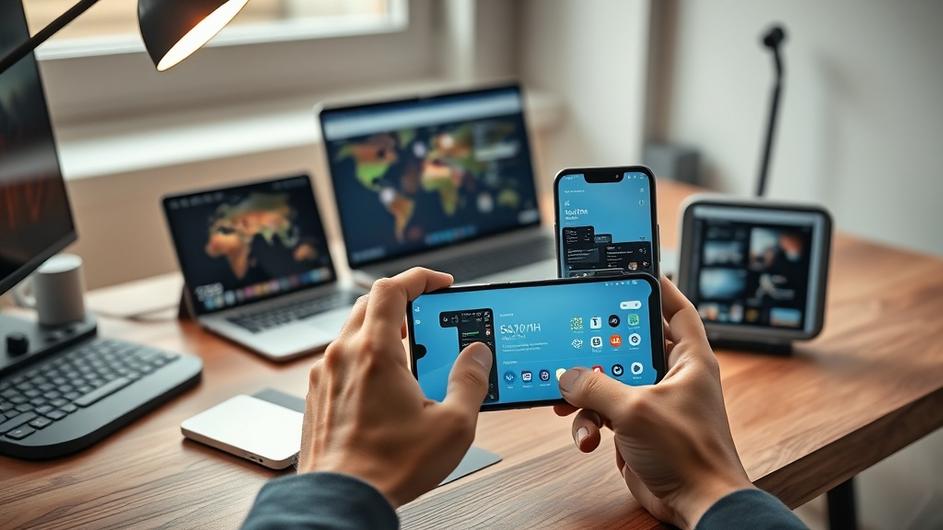
These developments point toward a layered future for spatial computing. Expect a wider array of devices, from affordable glasses that extend phone screens to higher-end headsets supporting full overlays, plus in-car systems bringing contextual data to driving. Behind those devices, better localization, clearer developer platforms, and more professional product management will make AR experiences more reliable and useful.
For engineers and entrepreneurs, the opportunity is now to build the apps and infrastructure that turn potential into routine utility. For users, the payoff will be experiences that blend into daily life rather than calling attention to themselves. As we’ve seen with other tech transitions, from smartphones to cloud computing, the real revolution happens when the technology stops being the story and starts being the tool.
If you’re interested in how these hardware trends connect to broader platform shifts, check out our analysis of how AR glasses and AI phones are rewriting the platform playbook. For developers wondering what to build next, our piece on what 2026’s hardware moment means for development priorities offers practical guidance.
The convergence of foldable displays and AR is another area worth exploring, which we cover in our look at the software holding these technologies together. And for those tracking the business side of these developments, our analysis of what 2026 hardware leaks reveal about market strategy provides valuable context.
Finally, security remains paramount as these devices proliferate. Our coverage of April 2026’s hardware and software developments examines the security implications alongside the innovation.
Sources
7 AR Changes In 2026 That Will Reshape Phones, Glasses, And Shops, Glass Almanac, 11 April 2026
7 AR Glasses In 2026 That Surprise Gamers, Fitness Fans, Glass Almanac, 8 April 2026
Snap Reveals Specs Unit, Confirms 2026 Consumer Glasses, Glass Almanac, 10 April 2026
Samsung monthly updates: April 2026 security patch fixes 47 vulnerabilities, SamMobile, 7 April 2026
iPhone Fold production supposedly hit by technical snags, Notebookcheck, 7 April 2026