Streetlamps, Mini PCs, and Old-School SSDs: How Hardware, Policy, and Culture Are Rewiring the Edge
There is a quiet recalibration happening at the edges of our networks. You might not see it walking down familiar streets, but engineers are already tucking compute power into the urban landscape. Meanwhile, small form factor PCs and storage interfaces that predate the smartphone era keep proving their worth. Add in regulatory shifts in Europe and cultural moments from the indie gaming scene, and you get a picture of computing that looks a lot more distributed, more diverse, and frankly more pragmatic than the hyper consolidated cloud model we have gotten used to.
The Lamppost That Does More Than Light
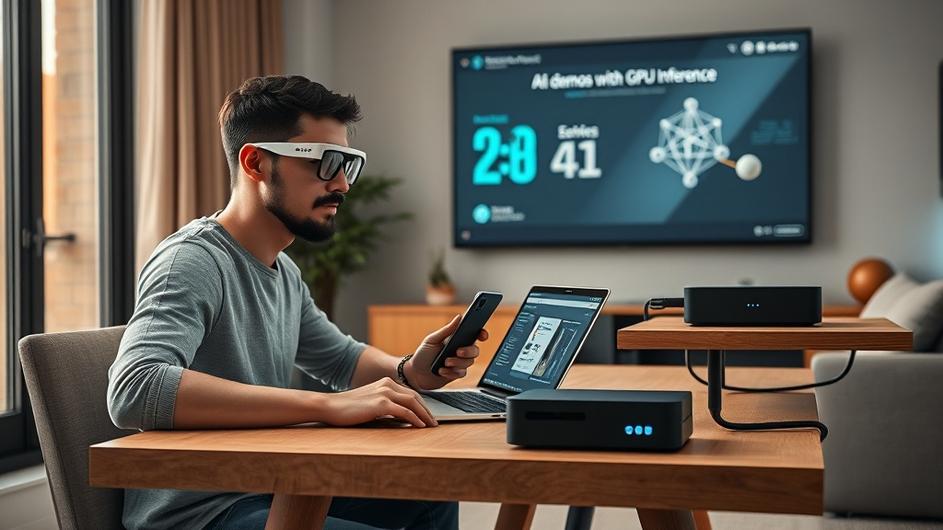
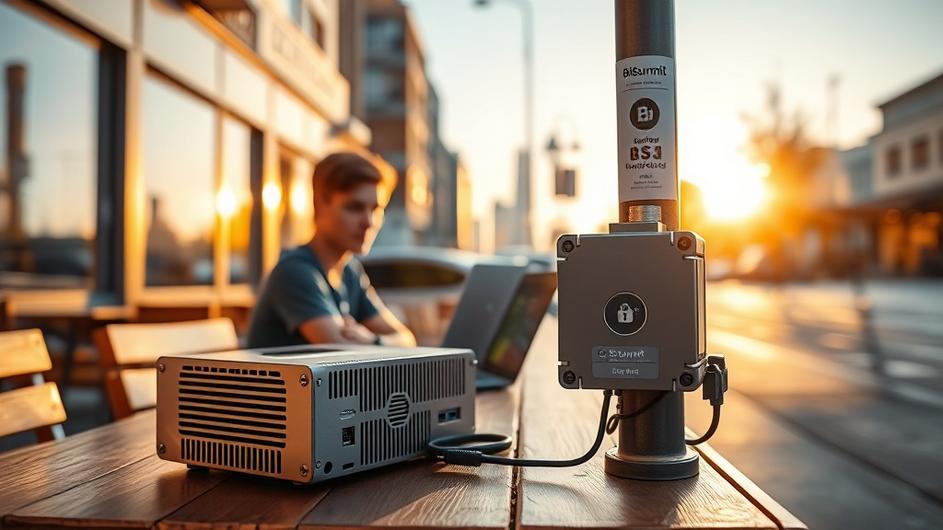
Let’s start with the strangest image of the bunch: a lamppost doubling as a mini data center. It sounds like sci-fi, but companies are prototyping exactly that. We are talking about lamppost mounted units with GPU modules designed to run inference for AI workloads right where the data gets generated.
The appeal is straightforward. Running models close to the point of data generation cuts latency, reduces bandwidth consumption, and improves privacy because less information needs to cross long haul networks. For anyone building interactive applications like augmented reality or real time analytics, shaving milliseconds off response times transforms the user experience. This is the kind of edge AI shift that matters for developers who care about responsiveness.
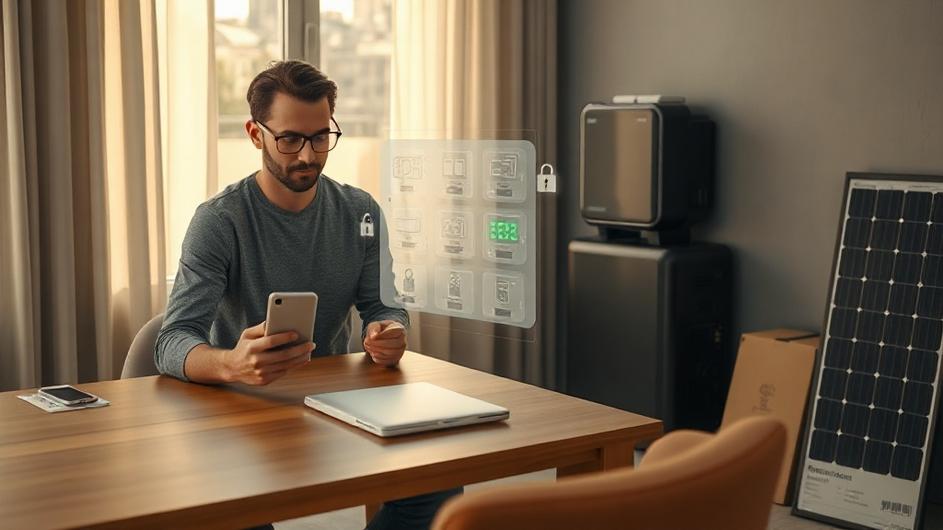
But putting powerful silicon outside the data center comes with trade offs. The units are small, solar friendly, and in some designs intentionally tamper resistant. There is talk of self-destructing or remotely killable chips, which sounds dramatic. The intent is simple though: protect models and data in physically insecure locations. For infrastructure teams, this introduces real operational concerns. Hardware lifecycle management, secure boot chains, over the air updates, and recovery procedures become central to deployment plans rather than afterthoughts. Engineers are already prototyping these systems and learning what works in the wild.
The Mini PC Counterpoint
At the other end of the small scale compute spectrum, something more playful is happening. Hobbyist friendly mini PCs are staging a comeback, and they feel like a cultural counterpoint to those lamppost nodes. Recent compact systems revive retro aesthetics while packing surprisingly capable hardware.
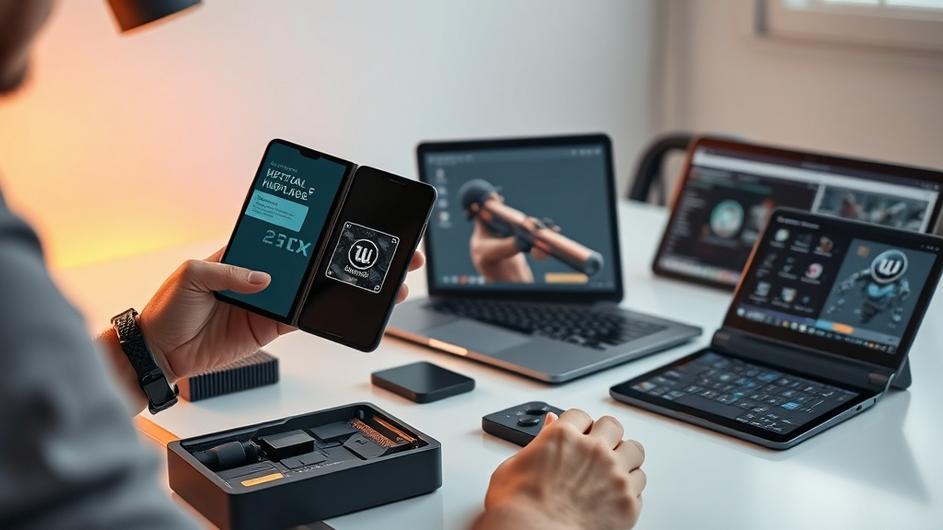
These machines matter beyond nostalgia. They prove that compute power can be affordable and portable. That is a trend that benefits developers building local testbeds, edge prototypes, or indie games. A well made mini PC lets you validate edge ideas on your desk before scaling them to street furniture. The latest retro styled machines deliver enough performance to make them serious tools, not just novelty items.
This matters for the broader hardware landscape because it shows how computing can scale down without scaling back on capability. You do not need a rack of servers to run meaningful workloads anymore.
Old Storage, New Tricks
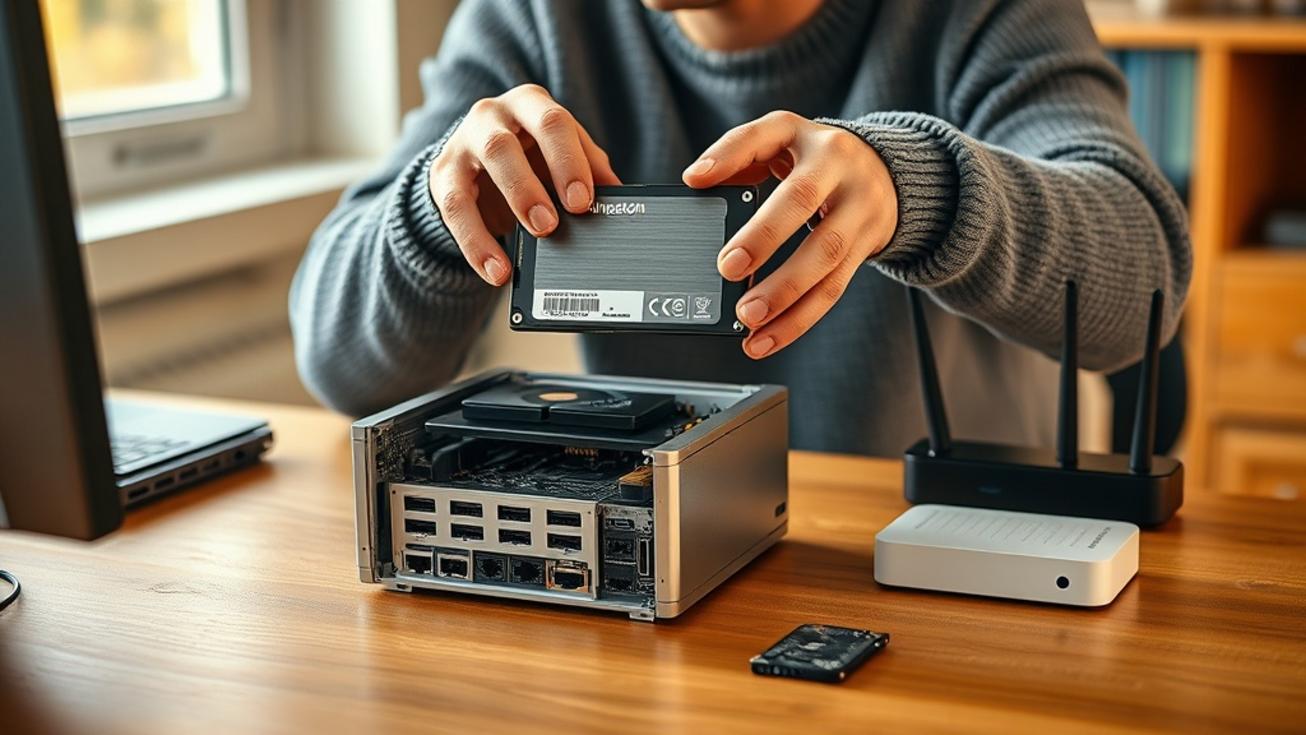
The hardware story would not be complete without talking about storage. Here, an old standard is reminding everyone of its staying power. Kingston recently announced it has shipped 100 million A400 SATA SSDs. That milestone underlines why SATA remains relevant.
SATA predates the faster PCIe based NVMe drives. NVMe uses PCIe lanes to deliver higher throughput, which works great for high performance servers and gaming rigs. But it also consumes more complex motherboard resources and costs more. For edge nodes, mini PCs, and budget conscious systems, SATA SSDs strike a better balance. They are cheaper, simpler to engineer, and they do not require additional PCIe lanes. That makes them attractive in constrained environments where predictable performance and low power draw matter more than peak throughput.
For developers, this is a reminder to design for realistic constraints. Choosing the right storage is as much about economics and deployment footprint as it is about raw speed. The continued relevance of SATA SSDs proves that the market values pragmatism over pure specs.
Regulation Reshapes the Browser Map
Software and regulation are also shaping where users go, and that feeds back into hardware and platform decisions. New rules in the European Union that open up browser choice have driven millions of people to switch to alternatives like Firefox.
For web developers, the implication is practical. Browser diversity affects feature testing, standards adoption, and even the economics of distribution. If a non Chromium based browser gains market share, web teams need to pay more attention to platform specific behaviors. Extension and privacy ecosystems may evolve in new directions. Millions of users making that switch signals that policy can directly reshape the technical landscape.
This kind of regulatory ripple effect is something the tech industry is going to have to keep adapting to as more jurisdictions experiment with digital sovereignty rules.
Culture and the Indie Games Signal
Culture plays a role too. Events like BitSummit showcase a vibrant indie games scene with world premieres that draw attention to smaller studios and niche experiences. Gaming content shapes consumer demand and drives expectations for latency, input responsiveness, and local versus cloud rendering.
Edge compute and local mini PCs can help deliver smoother experiences for players without requiring every session to rely on distant servers. The indie games momentum coming out of events like BitSummit reminds us that not every gaming experience needs to stream from the cloud. Local hardware still matters, especially when responsiveness is the priority.
The Layered Topology Ahead
Taken together, these threads point to a future that preserves heterogeneity. We are looking at a layered topology: centralized clouds for heavy lifting, regional clusters for balanced scale, and micro edge nodes for latency sensitive tasks. Desktop and local devices, from retro styled mini PCs to household NAS boxes with SATA drives, remain valuable pieces of that puzzle.
Regulation and consumer choice will continue to redirect where workloads live and which software stacks developers prioritize. The edge is becoming a real deployment target, not just a theoretical concept.
For developers and technical leaders, the practical takeaway is clear. Architecture decisions must become context aware. Design for diversity. Assume constrained hardware and intermittent connectivity. Automate secure updates and remote management. When you choose storage, consider cost per gigabyte, power, and serviceability, not just peak throughput. When you release a web app, broaden your compatibility testing to reflect shifting browser landscapes. And when you prototype edge ideas, use the same small scale hardware your users might actually run on.
What Comes Next
The coming years will be a period of experimentation as engineers figure out what works in the wild. Expect new services that stitch together cloud, regional, and micro edge compute. Expect marketplaces for edge applications to emerge. Hardware vendors will face pressure to make modules secure, updateable, and power efficient. Software teams will adapt to more varied client environments and to policies that affect distribution and privacy.
The neat, centralized model of computing is not gone. But it is no longer the only model. Streetlamps, mini PCs, older but dependable storage, and shifting browser markets are all part of a broader recalibration. For developers, this is a chance to build faster, more responsive, and more resilient experiences by meeting users where they actually are. Whether that is in a living room, on a street corner, or in a small studio in Kyoto showcasing the next breakout game.
Sources
- The lampposts in your street could double up as mini data centers, TechRadar Pro, 14 May 2026
- GamesRadar has decamped to Kyoto to bring you some killer world premieres and trailers straight out of BitSummit Punch 2026, PC Gamer, 15 May 2026
- How long ’til Nintendo’s lawyers come calling about this outstanding mini PC?, PC Gamer, 18 May 2026
- 6 million more people are using Firefox because of new EU rules, PC Gamer, 16 May 2026
- SATA drives ain’t dead: Kingston announces it has shipped 100 million A400 SSDs, PC Gamer, 12 May 2026