
From Encrypted Messaging to AR Glasses, Lamppost Data Centers to Game Piracy: The Crossroads of Devices, Data, and Trust in 2026
The first half of 2026 does not feel like another incremental step in tech. It feels more like a crossroads. Software, hardware and infrastructure are all trying to figure out who gets to shape the next decade. Small updates are signaling big philosophical shifts in how companies balance privacy against monetization. Hardware players are lining up a new generation of augmented reality devices that could push phones aside. Meanwhile, compute is moving out of centralized clouds and into the urban fabric. And content owners are testing aggressive new ways to defend their revenue. The message for developers is clear: get ready for systems that are more distributed, more real time and more contested than ever before.
The Encryption Paradox Inside Apple’s Latest Updates
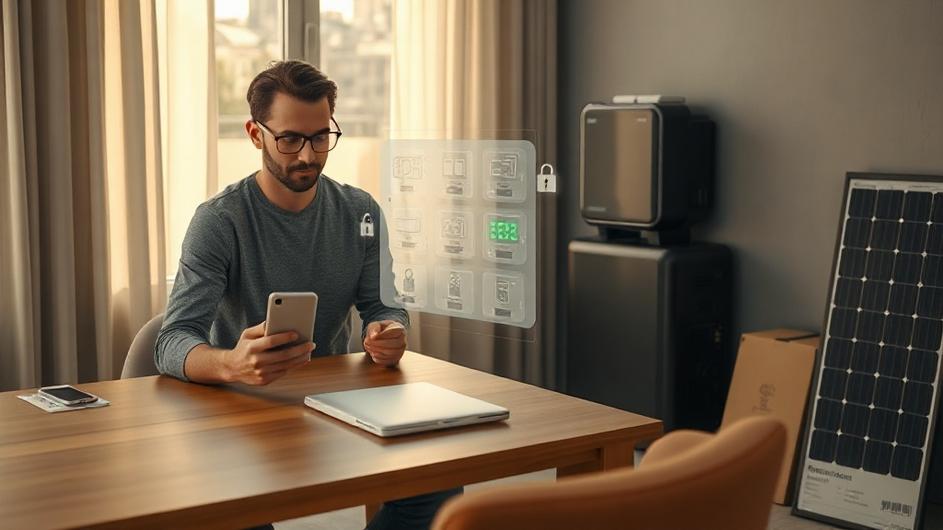
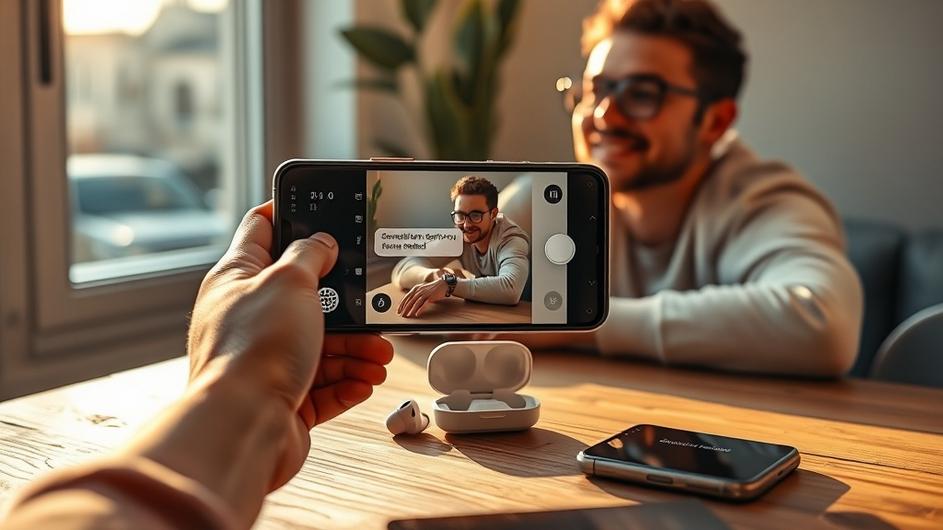
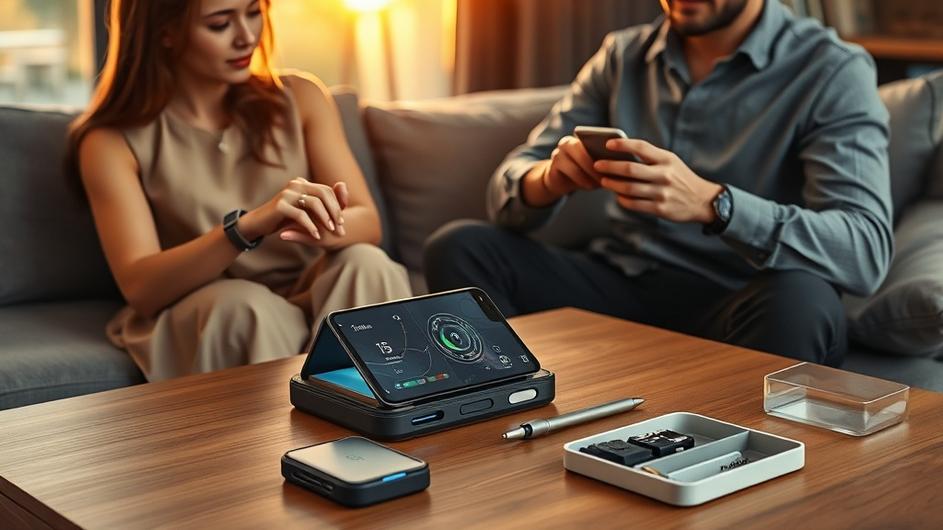
Apple’s recent iOS, macOS and iPadOS 26.5 updates capture the tensions perfectly. The headline feature is encrypted RCS messaging, offered as a beta and limited to a subset of carriers. RCS, or Rich Communication Services, was designed to replace SMS with richer features like images and typing indicators. But it never had end to end encryption. Adding that encryption is both a technical and political win for user privacy. It stops intermediaries from reading messages as they cross networks.
But here is the twist. The same release includes early plumbing to support ads inside Apple Maps, sitting alongside Pride wallpapers and other smaller changes. That juxtaposition matters. It shows that platforms can try to improve privacy and add new monetization features at the same time. But making both credible demands careful engineering and clear user controls. It also highlights the waiting game around Apple’s bigger AI promises. There is still no public demo of the next generation Siri that was hinted at in earlier cycles. That leaves a gap between what Apple has announced and the hands on reality developers need to design for. As we noted in our coverage of Apple pausing the iPhone 18, the company is clearly recalibrating its hardware and AI strategy.
The AR Hardware Wave Is Getting Real
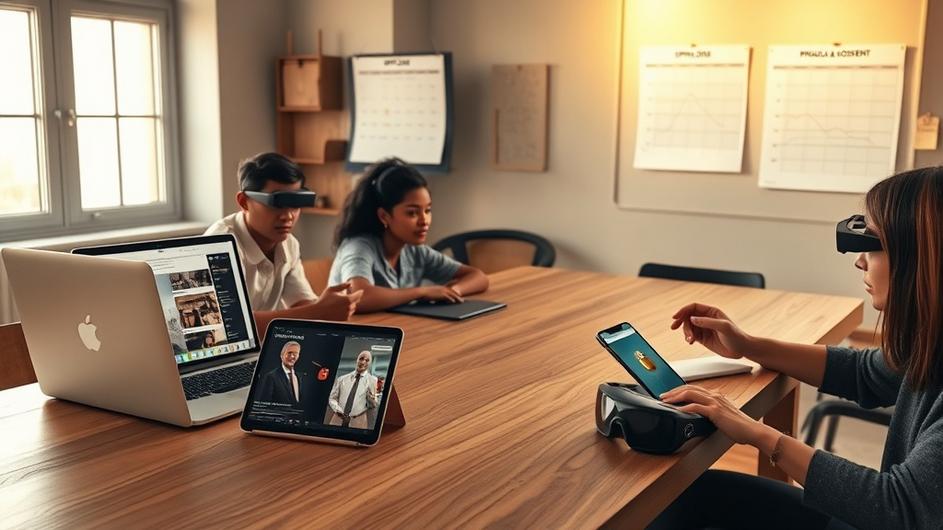
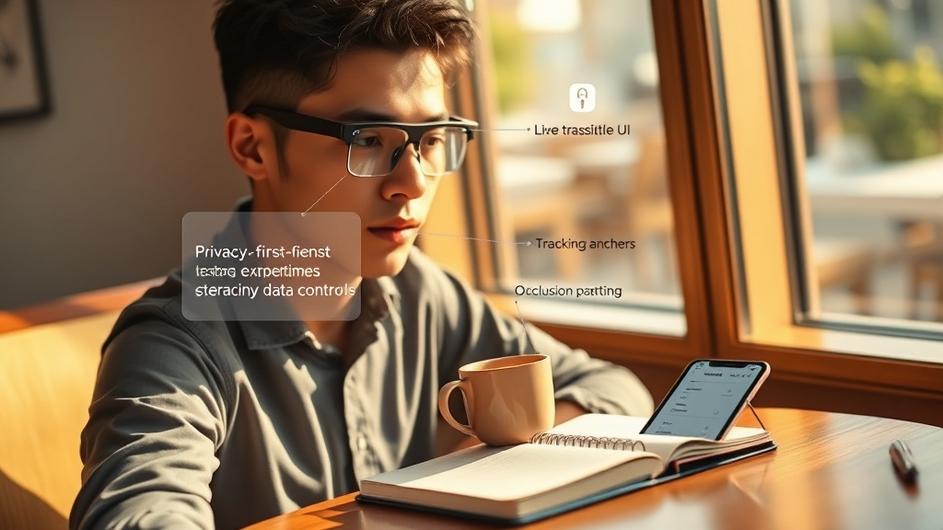
If mobile operating systems are evolving, the device layer is moving even faster. A cluster of announcements and leaks this year points to a broad AR hardware wave. Samsung shipped a consumer XR device late last year and is pushing further. Snap is accelerating work with Qualcomm. Magic Leap has shown Android prototypes. And Apple is reportedly testing multiple smart glass designs. These are not incremental accessories. They represent a shift in how people interact with software. AR glasses can put spatially aware interfaces into the world, moving information from small screens to context aware displays.
Several AR developments in 2026 reveal who might win this hardware race. The implications touch everyone. For app developers, user interfaces change from touch and tap to glance and gesture. For cloud and network engineers, latency becomes critical. Spatial overlays and real time computer vision need subsecond responses to feel natural. For businesses, these devices shift where attention lives. They create new ad placement opportunities but also new privacy obligations. And for phone makers, a credible consumer AR category at the right price threatens the phone as the dominant personal compute surface.
That last point is not hypothetical. Reports suggest mid range AR glasses could arrive in 2026 with prices far lower than the earliest premium headsets. That would broaden adoption fast. Apple testing multiple designs signals it will enter at several price and form factor points. That could anchor premium expectations while leaving room for cheaper alternatives from Samsung and others. The race is about optics, power efficiency and software ecosystems. Whoever stitches those three threads together convincingly stands to reshape consumer spending. For a deeper look at the landscape, check out our analysis of how AR splintered into many glasses this year.
Lampposts as Data Centers: Edge Compute Goes Urban
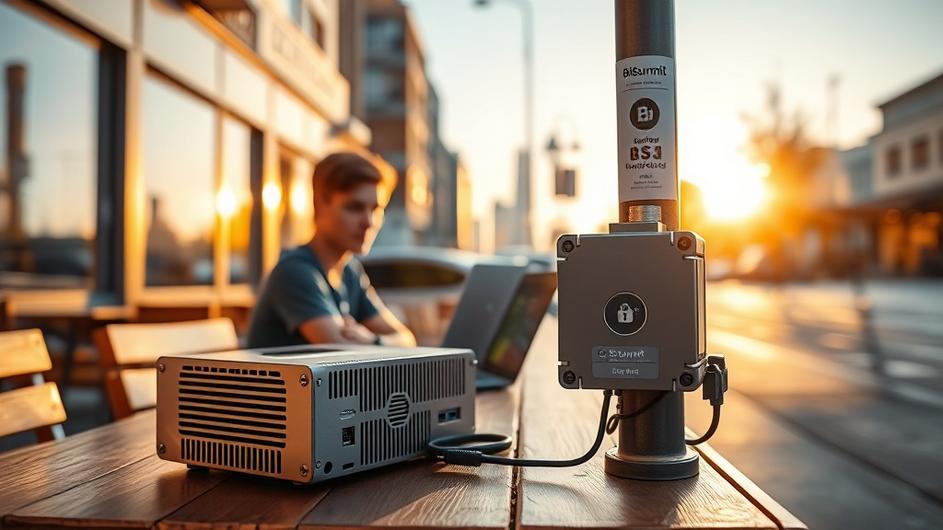
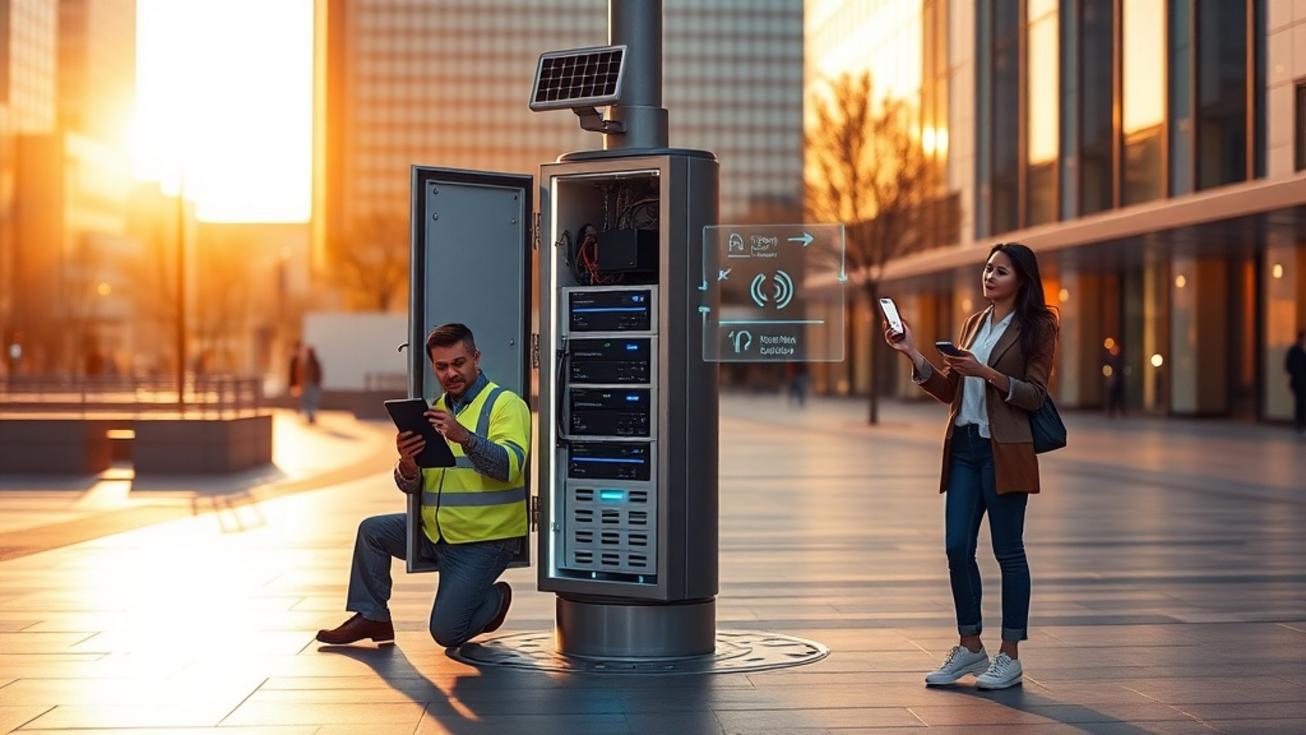
Powering those AR experiences outside the traditional cloud is an equally important trend. The idea of turning lampposts into mini data centers sounds like science fiction. But it solves a real problem. Edge compute, processing that happens physically closer to the user, reduces round trip time for latency sensitive tasks. Think live AR rendering, local inference for computer vision and real time messaging encryption key negotiation. Deploying compact servers and AI accelerators on street furniture, often paired with solar power, lets operators serve more devices with lower latency and less backbone bandwidth.
TechRadar reports that these street level data centers are already being deployed with self destructing Nvidia chips and solar power. Edge compute is not just technical though. It is logistical and political. Embedding compute into public infrastructure raises questions about maintenance, physical security and environmental resilience. The hardware itself can be fragile, especially when designers push small, high performance accelerators into compact form factors with shorter lifespans. Yet for developers building AR and real time services, edge nodes can mean the difference between a usable experience and frustrating lag. We explored similar themes in our piece on AI reshaping cloud power and edge privacy.
Hardware Bans and the New Anti-Piracy Frontier
All of this unfolds against a backdrop where content distribution and security are under pressure. The recent early leak of a major racing game illustrates a new frontier in anti piracy strategy. Publishers are now talking about franchise wide hardware bans for pirates. That means online services could restrict access to individuals who run pirated copies on devices tied to identifiable hardware. It is an aggressive stance, intended to make piracy materially more costly for users.
Digital Foundry reports that Playground Games has promised franchise wide hardware bans after the Forza Horizon 6 leak. Hardware banning may blunt some forms of piracy, but it risks false positives and collateral harm to legitimate users who share devices or get incorrectly flagged. For developers and platform engineers, the lesson cuts two ways. First, piracy and content integrity will remain central concerns for digital goods, especially as AR and edge delivered experiences add new monetization channels. Second, anti piracy approaches are increasingly tied to hardware identity, which raises the need for transparent policies and appeals processes to avoid overreach.
What Developers Should Take Away
What ties these threads together is a single practical reality. The next phase of consumer tech will be defined by real time interactions that cross device, network and trust boundaries. Messaging encryption, AR hardware, lamppost edge nodes and stricter anti piracy measures are not isolated skirmishes. They are part of an ecosystem turning toward distributed compute, fresh user interfaces and new ways to monetize attention while trying to preserve user trust.
For developers, that means three priorities. Design for latency, because user experience now depends on tight timing. Design for privacy, because users and regulators will demand encryption and control. And design for resilience, because software will run across heterogeneous and sometimes physically exposed infrastructure.
If these trends hold, the next few years will look less like the era of big monolithic data centers and more like a patchwork of specialized nodes, synchronized devices and smarter clients. That is good news for users when it produces seamless, immediate experiences. It is a challenge for engineers who will have to juggle new attack surfaces and novel monetization pressures. Above all, it is an opportunity to shape how technology earns trust in an era where attention, privacy and real time responsiveness become the currencies that matter most. For more on how these dynamics are playing out across the industry, read our take on where hardware and AI collide and our broader look at how smart eyewear is remaking the AI era.
Sources
- iOS, macOS, and iPadOS 26.5 updates arrive with encrypted RCS messaging and more – Ars Technica
- 7 AR Developments In 2026 That Reveal Who Will Win The Next Hardware Wave – Glass Almanac
- 7 AR Glasses Arriving In 2026 That Could Upset Phones – Glass Almanac
- The lampposts in your street could double up as mini data centers – TechRadar
- Forza Horizon 6 Leaked, Playground Promises Hardware Bans – Digital Foundry