From AirPods to AR Glasses, and the Quiet Work of Security Patches: What March 2026 Says About Tech’s Next Act
If you blinked in March 2026, you might have missed another Apple product blitz. Refreshed Macs, the AirPods Max 2, and the usual promises of machine intelligence filled the headlines. It felt familiar, right? Faster chips, sleeker marketing, and that buzzword-heavy script we’ve heard before.
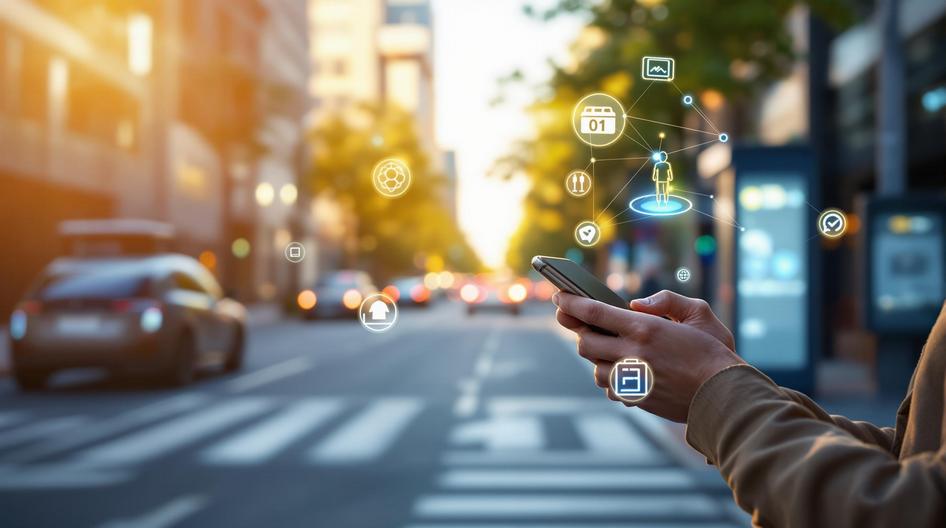
But look closer, and you’ll see the wider tech industry pulling in two very different directions. While Apple tweaks its premium hardware, augmented reality is seeing fresh consumer bets and serious enterprise investment. And in the background, something as routine as Samsung’s March security updates reminds us that security and policy will quietly shape what users and developers can actually do next.
The AirPods Max 2 Dilemma: Marketing Hype vs. Real Change
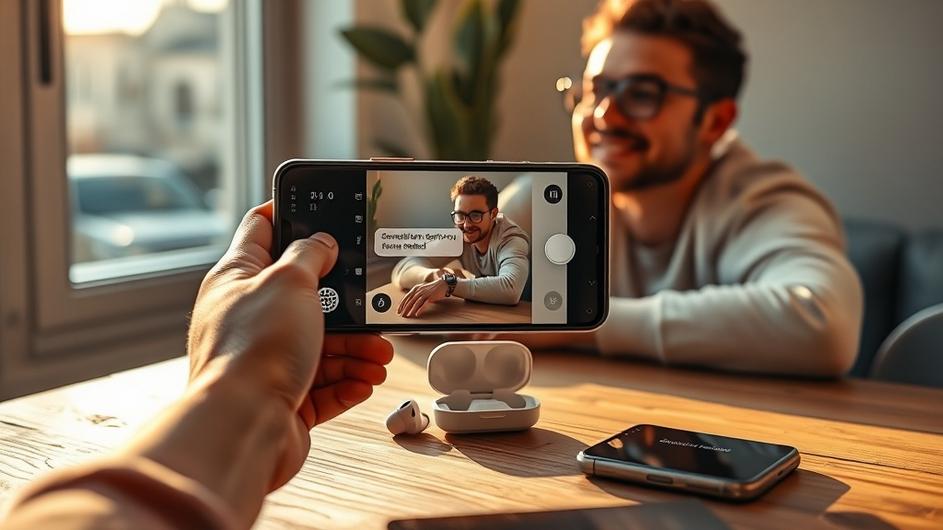
Take Apple’s new AirPods Max 2. On paper, the move from the A16 to the A18 chip sounds impressive. It brings more compute power and, crucially, support for Apple Intelligence. That’s Apple’s ecosystem of on-device and cloud-assisted machine learning features promising smarter Siri interactions and better personalization.
But here’s the thing: hardware alone doesn’t equal a leap forward. As Bloomberg pointed out, Apple has been pacing product releases to coincide with broader software milestones like iOS 26.4. The result? A release cadence that looks impressive in volume but feels incremental in day-to-day impact.
Analysts covering March’s announcements noticed the same pattern. Many refreshed MacBooks, iPads, and iPhones got faster chips and not much else that’s visibly transformative. As one report noted, many of Apple’s latest products are “as incremental as ever”.
This incrementalism matters to developers in practical ways. New chips and on-device AI expand what’s possible: low-latency inference, richer local models, and privacy-preserving features since user data can stay on-device. But if the software platform layers, APIs, and developer toolchains lag behind, those hardware gains end up feeling cosmetic. The industry is waking up to this truth, which is why Apple appears to be staging releases to align hardware and system-level intelligence at once.
AR’s Uneven Acceleration: Consumer Dreams vs. Enterprise Reality
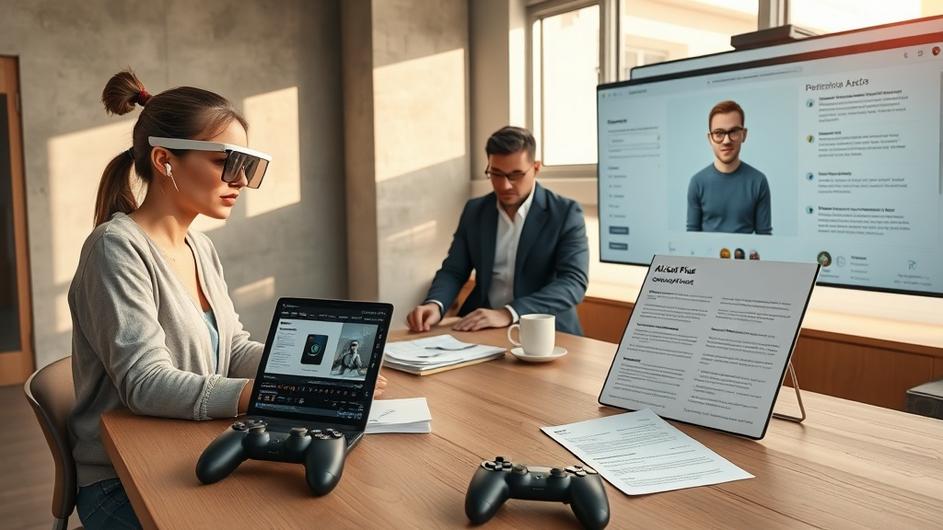
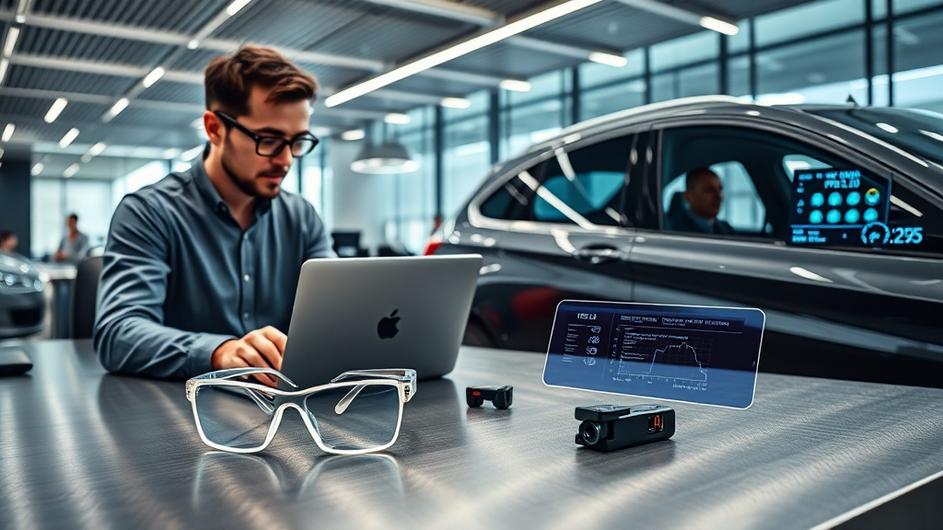
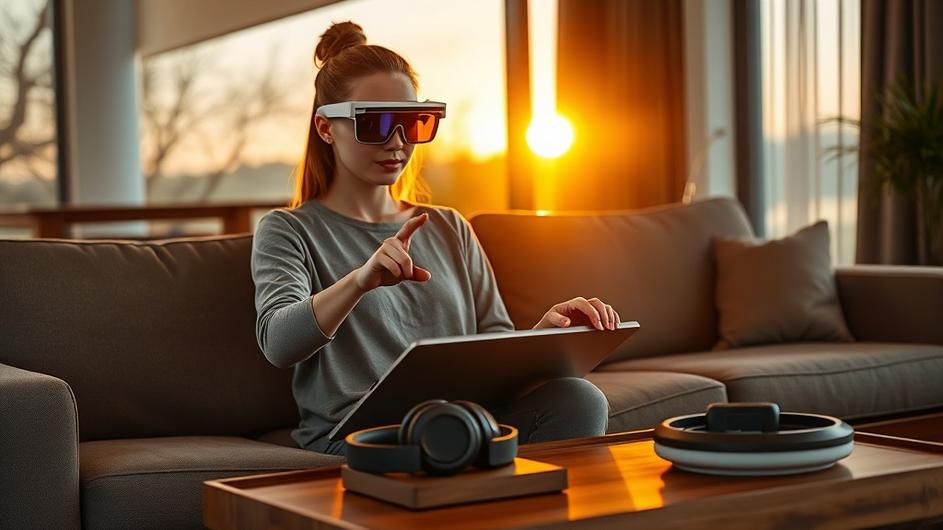
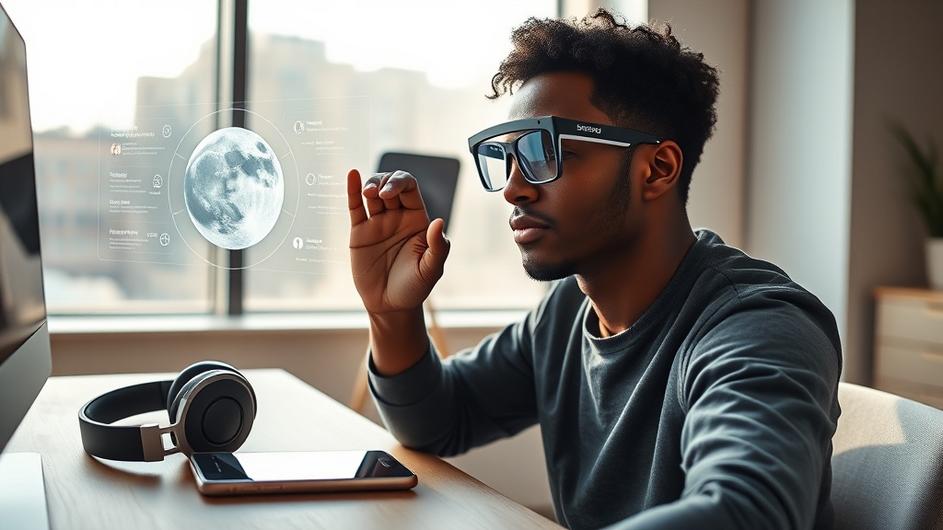
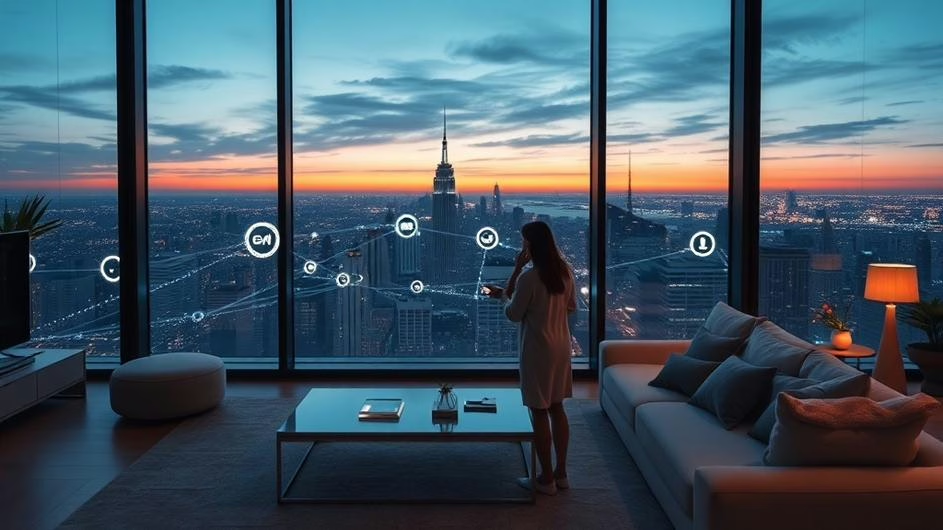
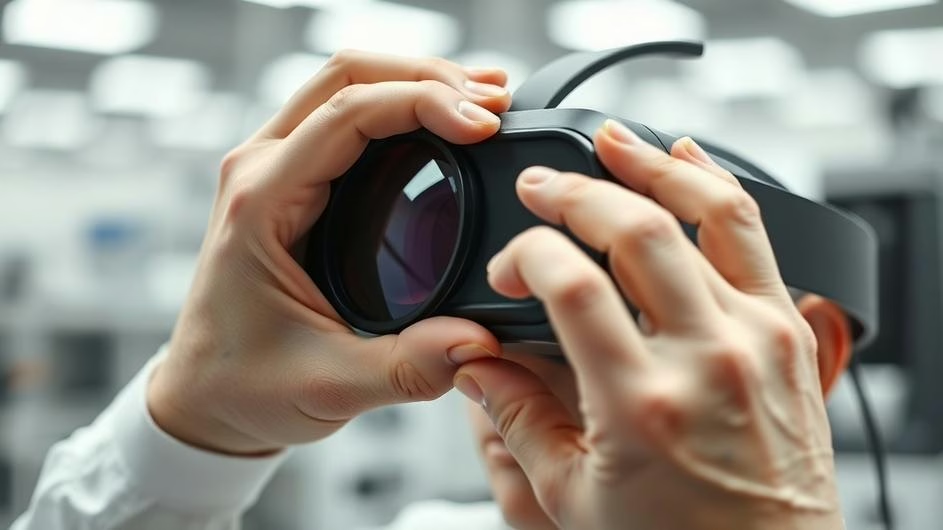
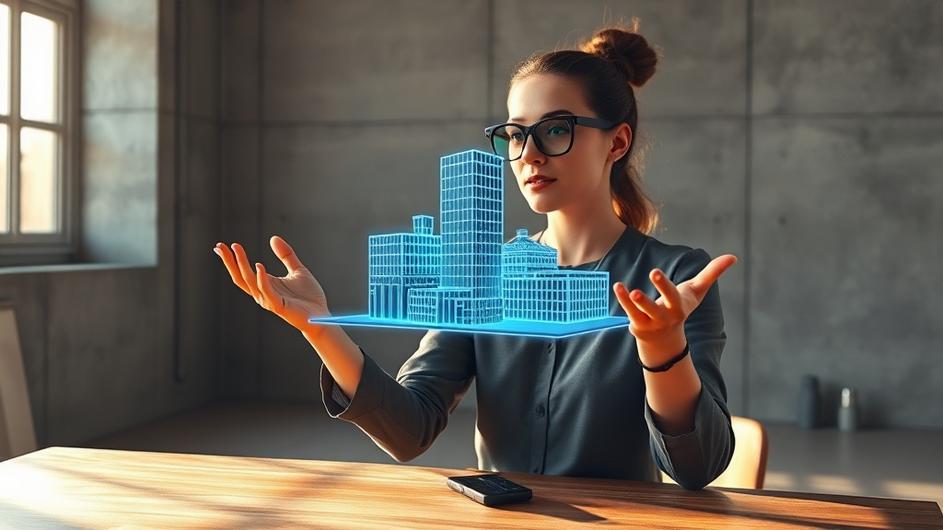
Meanwhile, the AR market is moving rapidly but unevenly. Consumer-facing bets from Meta, Snap, and Samsung are colliding with enterprise adoption driven by defense contracts and workplace use cases. The result is a bifurcated market where lightweight AI eyewear that leans on a paired phone will likely reach consumers sooner, while heavier enterprise systems advance faster thanks to dedicated funding and fewer consumer privacy constraints.
This AR hardware moment is creating some surprising shifts that consumers might not see coming. According to industry watchers, there are seven AR hardware and policy shifts in 2026 that will surprise consumers, and understanding why matters for anyone building in this space.
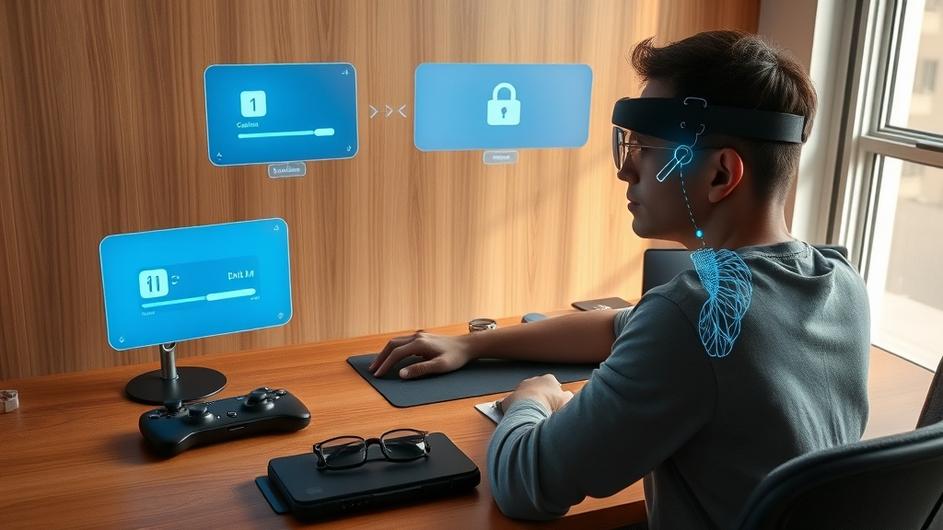
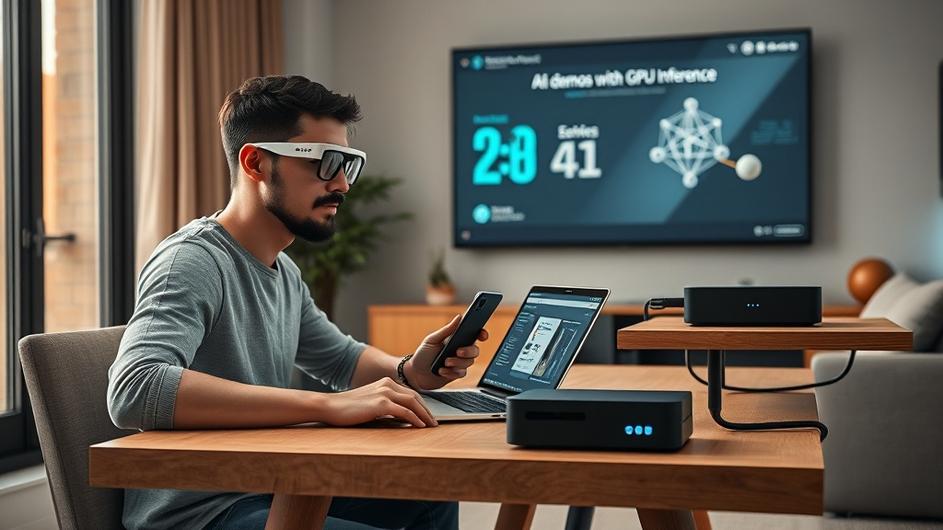
Hardware design choices will shape who wins in AR. Phone-anchored glasses promise affordability and longer battery life by offloading heavy computation to your phone. Standalone AR headsets can provide richer experiences, but they need to solve thermal constraints, battery life, weight, and content distribution. Snap’s renewed commitment to Specs and Samsung’s teaser of phone-connected AI glasses both point to a near-term strategy where the phone remains the hub, and eyewear becomes a specialized display and sensor layer.
Privacy: The Combustible Variable Nobody Can Ignore
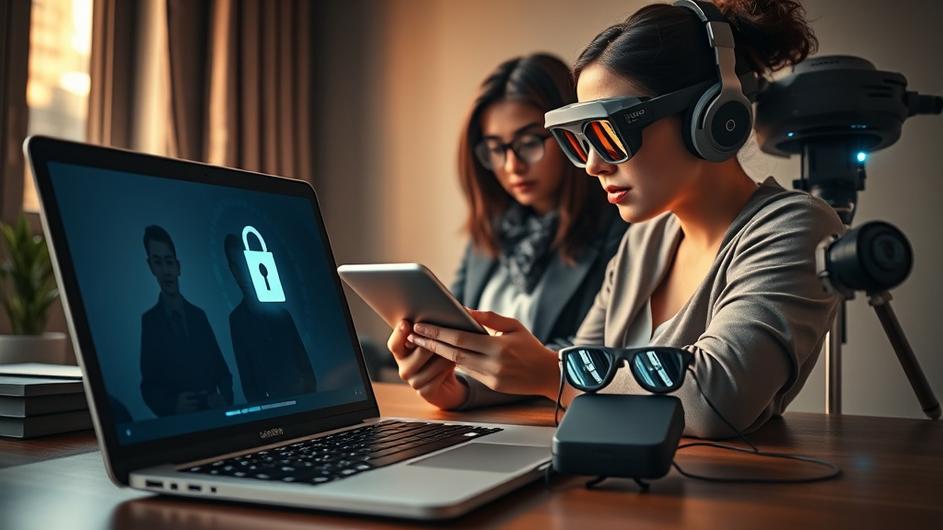
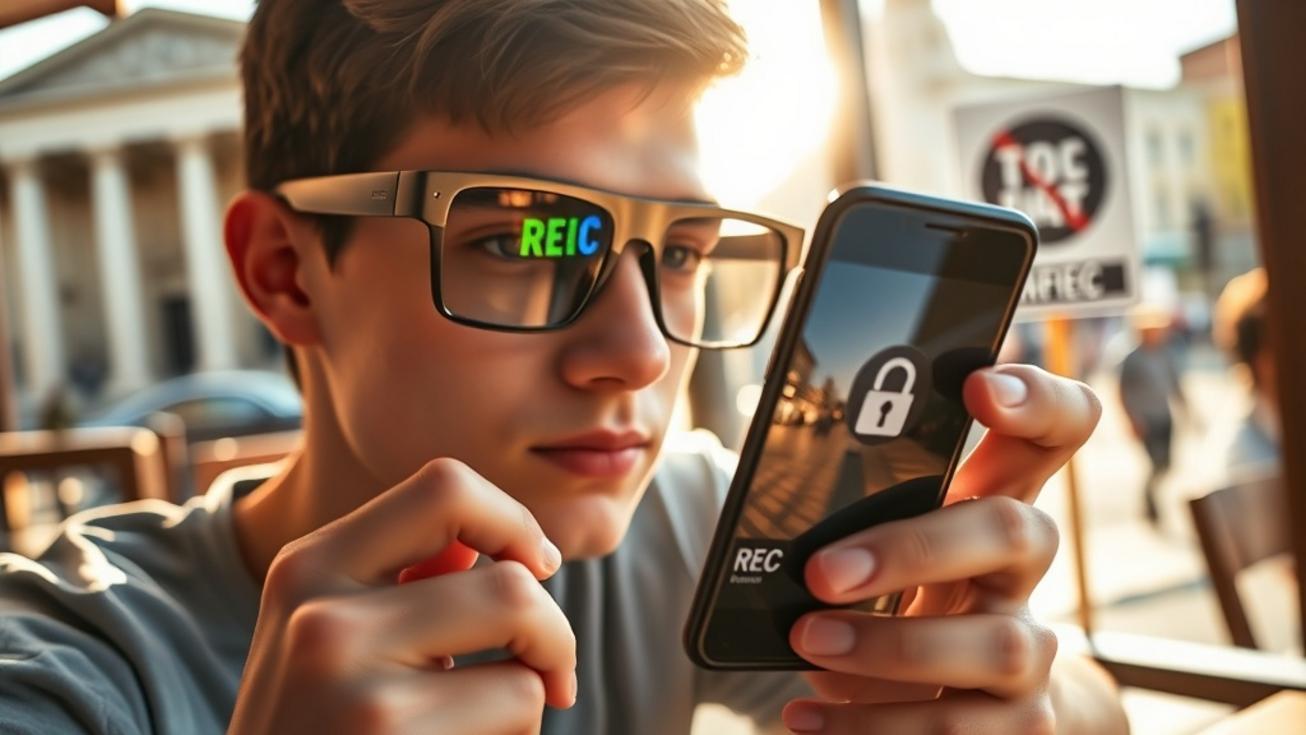
Privacy is where things get really interesting, and potentially messy. Recent FCC filings for Ray-Ban AI models and reports that footage from smart glasses was reviewed by people have triggered legal action and public backlash. These events underscore a basic challenge: real-time sensors create extraordinary new data flows, and legal frameworks haven’t kept pace.
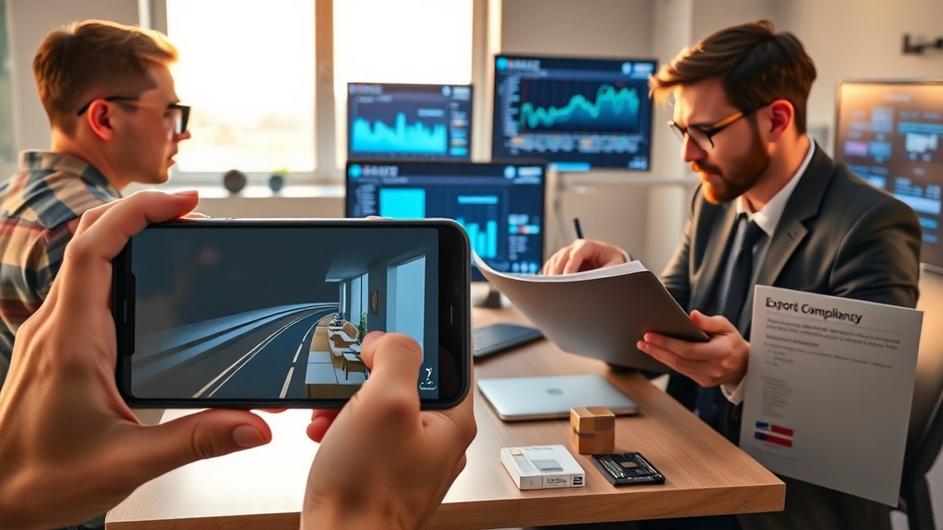
For developers, this means thinking about data minimization, secure storage, and transparent consent from day one, not as afterthoughts. The regulatory landscape is evolving quickly, and seven AR device launches and lawsuits in 2026 could reroute the entire market. Lawsuits and probes tied to human review of camera footage introduce uncertainty for manufacturers, app developers, and services that rely on mixed human and automated moderation.
That uncertainty will influence design choices, cloud architectures, and the economics of building AR experiences, especially those involving sensitive visual streams. It’s not just about what’s technically possible anymore; it’s about what’s legally defensible and socially acceptable.
The Quiet Work That Keeps Everything Running
There’s another, quieter thread worth noting. Major vendors are still doing the work that rarely makes splashy headlines: shipping security patches and incremental firmware updates. When Samsung expanded the Galaxy S25’s March 2026 security update to more regions, it wasn’t front-page news. But these updates underpin trust in platforms.
They reduce attack surfaces, ensure compatibility with new network standards, and sometimes gate access to new features that rely on secure foundations. For enterprise customers building AR or AI services, predictable security maintenance and clear update policies are as important as raw compute power. This new playbook for AR OS upgrades and device security is becoming essential reading for anyone serious about the space.
What This Means for Builders and Leaders
So what does this confluence of trends mean for developers and technical product leaders? Let’s break it down without the robotic numbering.
First, invest in cross-disciplinary skills. Building compelling AR apps or AI-enhanced audio features requires hardware awareness, privacy-first data models, and familiarity with device-level performance constraints. You can’t just be a software developer anymore; you need to understand how your code interacts with silicon, sensors, and security protocols.
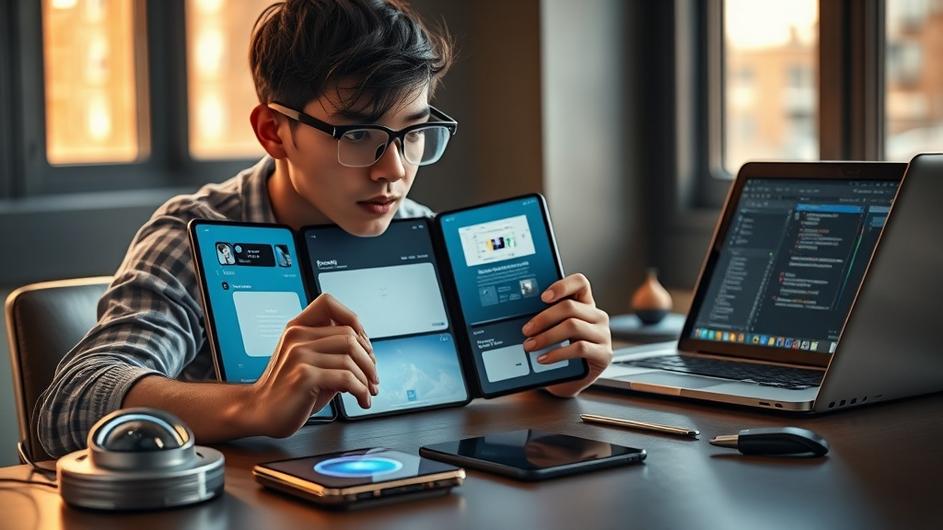
Expect ecosystem fragmentation to persist. Different vendors will offer varying balances of on-device inference, cloud augmentation, and developer APIs. Writing portable code and modular architectures will pay off as you navigate between Apple’s walled garden, Android’s openness, and whatever new platforms emerge from the AR glasses and flexible AI chips redefining wearables.
Treat policy and security as product requirements, not afterthoughts. Lawsuits and regulatory scrutiny are reshaping architecture choices more than ever. Plan for human-in-the-loop review to be controversial and potentially restricted, and design automated safeguards accordingly.
Finally, pay attention to the quiet plumbing—the firmware updates and security patches. They’re the scaffolding that lets ambitious features scale safely. In the race to build the next big thing, don’t forget that users need to trust your technology will work securely tomorrow, not just impress them today.
The Big Picture: Choreography, Not Revolution
The narrative emerging from March 2026 isn’t one of an AI revolution arriving all at once. It’s a more realistic story of parallel progress. Chips and marketing create opportunities. AI and AR open new categories. Legal scrutiny and routine security work keep companies honest, and they constrain what can actually ship.
For developers, this is fertile ground because constraints breed craft. The next big experiences will come from teams that can combine device-level performance, respectful data practices, and nimble product design. We’re entering a phase where innovation looks less like a breakthrough and more like choreography—an alignment of silicon, software, policy, and user trust.
The companies that can synchronize those elements won’t just launch products; they’ll define how we compute, interact, and augment reality for the decade to come. And in this race between Apple, Meta, and Snap to make AI and AR the next hardware story, the winners will be those who understand that today’s security patch is just as important as tomorrow’s headline-grabbing launch.
Sources
- Apple’s AirPods Max 2 Blurs the Lines Between Marketing and Innovation, Bloomberg.com, March 22, 2026
- Gurman: Many of Apple’s Latest Products Are ‘As Incremental as Ever’, MacRumors, March 23, 2026
- 7 AR Hardware And Policy Shifts In 2026 That Will Surprise Consumers – Here’s Why, Glass Almanac, March 25, 2026
- Samsung expands Galaxy S25’s March 2026 security update to more regions, SamMobile, March 24, 2026
- 7 AR Device Launches And Lawsuits In 2026 That Could Reroute The Market, Glass Almanac, March 28, 2026