
Why Apple Is Pausing the iPhone 18, and What It Signals for Brands and AI-Driven Marketing
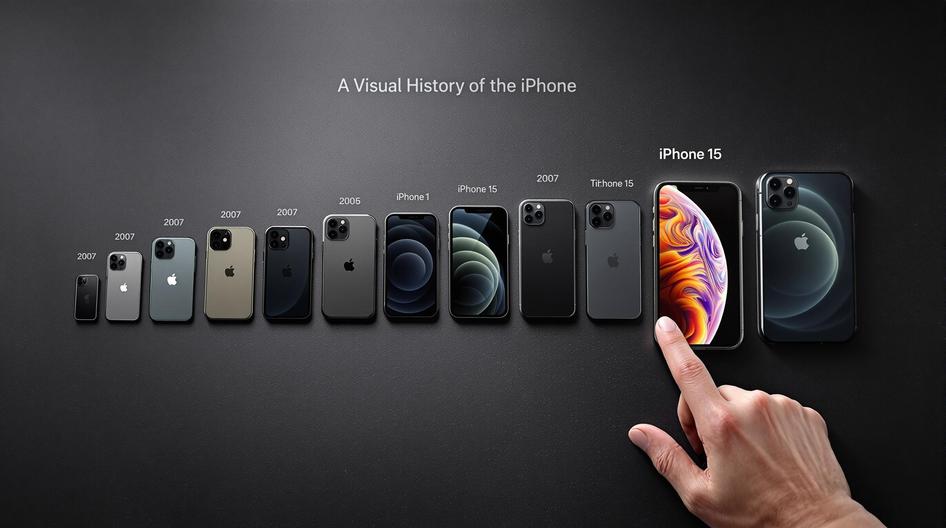
Apple won’t launch an iPhone 18 this year. That quiet decision, backed by recent reporting, tells a much bigger story about how hardware strategy and AI tools are reshaping tech and marketing. According to Forbes, Apple prefers not to flood the market ahead of what could be a major new device, likely its first folding iPhone. Some expect that model to carry the name iPhone Ultra.
What looks like a skipped upgrade cycle is actually a deliberate move. Apple is betting on singular product moments, a cadence that prioritizes impact over volume. In an age where software and AI move faster than hardware, the company still believes a well-timed device launch can cut through the noise. For developers, investors, and brand strategists, this decision carries weight. It signals where attention and capital are about to flow.
Why Skip a Generation?
Apple’s logic is straightforward. Instead of releasing incremental updates that dilute consumer excitement, the company is concentrating demand around a single novel form factor. Think of it as product scarcity by design. The same principle applies in crypto markets, where token halving cycles or major protocol upgrades create anticipation and price action. You don’t launch a minor fork right before a network merge. You wait.
This shift matters for anyone building on mobile platforms. Foldable devices demand fresh UI logic, new testing frameworks, and performance optimization. If Apple ships a folding iPhone, the ripple effects will hit developers building for Apple’s ecosystem harder than any spec bump ever could. New APIs, rethought gestures, and split-screen multitasking will become the baseline expectation.
The AI Agent Reality Check
While Apple plays the long game with hardware, brands and agencies are dealing with a different kind of disruption. AI agents, software that autonomously buys ad placements, adjusts bids, and reallocates budgets, are taking over media buying at scale. According to Ad Age’s coverage of emerging tech trends, these tools are reshaping campaign operations. But they are not without problems.
Early deployments have produced real blunders. Overspending on low-value inventory. Audience targeting that misses the mark. These failures are not necessarily malicious. They stem from fragile objectives, bias in training data, and a lack of operational guardrails. An AI agent can’t read a room. It can’t sense brand risk the way a human media buyer can.
So where does that leave marketing teams? The same place Apple finds itself. Both stories point to the limits of automation without thoughtful context. Apple is choosing a slower, curated rollout that lets developers and partners prepare. Brands that rush AI deployment risk alienating consumers who want quality and authenticity. The lesson is the same on both sides of the equation: precision beats speed when reputation is on the line.
What Young Consumers Actually Want
Here is where the picture gets more nuanced. Gen Z buyers are not easily impressed by AI-generated ad copy or flashy programmatic campaigns. They respond to marketing that shows craftsmanship, transparency, and real product value. This generation has grown up with algorithm-driven feeds and knows when something feels hollow.
That creates a tension for brands. You can deploy AI to optimize media spend, but if the creative itself feels generic, you lose the audience. The fix is not to abandon AI. It is to treat these systems as partners rather than autopilots. Build monitoring into every campaign. Set budget constraints. Keep humans in the loop for the calls that require judgement. The same way Apple keeps designers and engineers steering product decisions, agencies need experienced media buyers who understand AI’s role in modern marketing without trusting it blindly.

A New Playbook for Product and Marketing Teams
The convergence of hardware strategy and AI deployment points to a practical framework. Three things matter right now.
First, lead with product storytelling. Demos, honest walkthroughs, and side by side comparisons beat hype every time. This is especially true in blockchain and crypto, where communities value transparency over polished press releases. A token project that ships real code and shows its roadmap earns more trust than one that leans on buzzwords.
Second, treat AI agents as instruments, not decision makers. Any automated buying system needs fallback rules and human override capabilities. The rise of autonomous agents in tech is real. But so are the failure modes. Define objectives clearly, test in sandboxed environments, and monitor results in real time.
Third, invest in a new kind of media buyer. The most valuable practitioners will blend technical fluency with creative strategy. They need to understand data pipelines, model limitations, and cross channel measurement. But they also need to write copy that sounds human. That combination is rare and getting more valuable by the quarter.
What Developers Should Watch
For engineers, these trends create concrete work. Foldable hardware means rethinking UI paradigms and testing for new screen ratios. AI driven marketing systems need robust instrumentation so teams can diagnose agent behavior and audit decisions. The developers who can translate product vision into resilient backend systems will have plenty of options.
Apple’s pause is also a reminder that hardware strategy still dictates software priorities. If the next iPhone is a foldable, every app on the App Store will need a compatibility pass. That is not a small task. It is an opportunity for teams that prepare early.
Looking Ahead
Expect product launches to become more strategic, not necessarily faster. Companies will ship fewer devices but aim for bigger impact. AI will continue automating routine marketing decisions, but only where strong governance exists alongside it. The brands that get this right will be the ones that balance automation with human insight, and time their big releases to land when users and ecosystems are ready.
For anyone building the next wave of tech experiences, the challenge is clear. Harness automation without sacrificing quality. Time innovation so it lands when the market can actually absorb it. And never assume that faster is better. Sometimes the smartest move is to skip a year and let the anticipation build.
Sources
- Here’s Why There’s No iPhone 18 This Year, New Report Claims – Forbes, May 2026
- Emerging technology trends brands and agencies need to know about – Ad Age, May 2026
- Hardware and AI Collide: What This Week’s Phone Leaks Mean – TechDailyUpdate
- Building Intelligent Commerce: AI in Marketing – TechDailyUpdate
- When Agents Meet Robots: AI and Automation – TechDailyUpdate
- From Foldables to AR Glasses: The Software That Holds It Together – TechDailyUpdate
- From Incremental Upgrades to Bold Bets: 2026 Tech – TechDailyUpdate