2026, The Year AR Splintered Into Many Glasses: What Developers and Buyers Need to Know
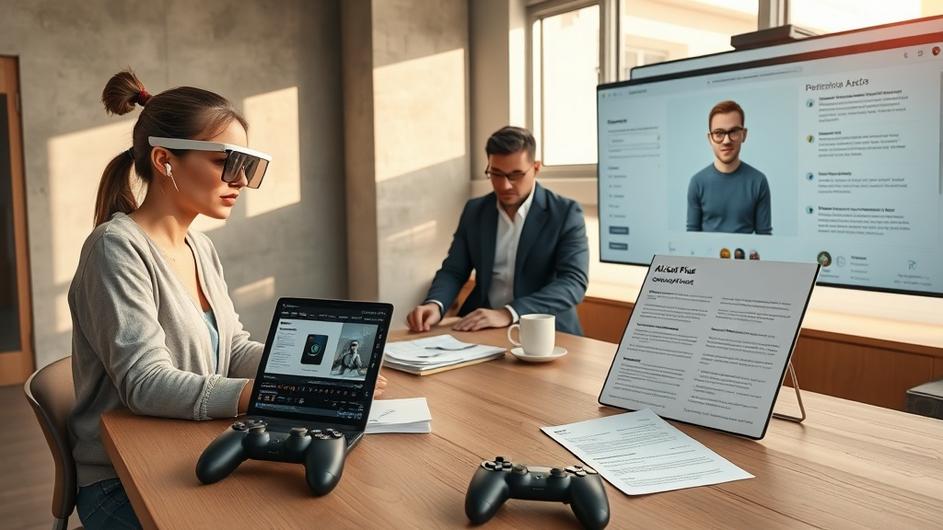
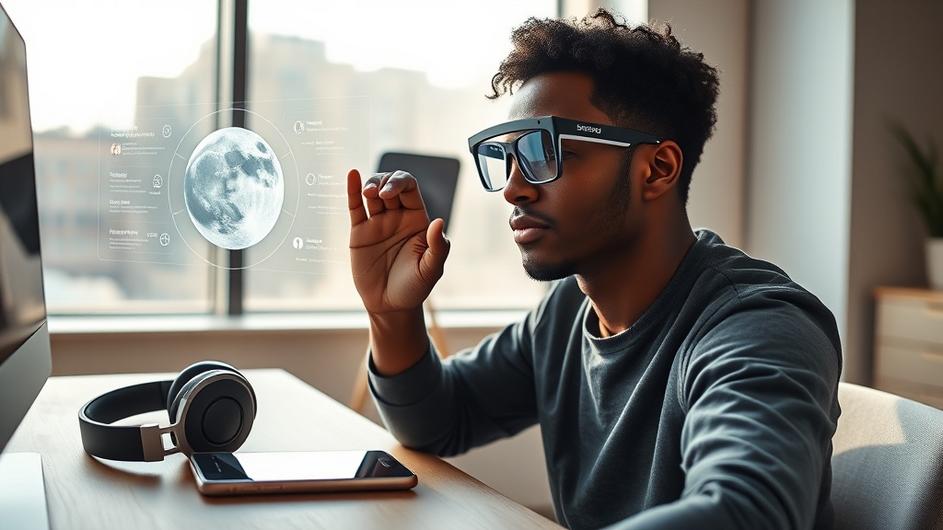
If 2026 is remembered as the year augmented reality stopped being a single product idea and became a crowded category, that will be because tech companies stopped betting on one definitive headset and started betting on many. Over the last few months we have seen the same pattern in company filings, supply deals, and prototype sightings. Apple is reportedly testing four very different smart glass designs, Snap has tied its consumer eyewear to Qualcomm’s Snapdragon XR platform, Meta is reshaping Reality Labs, and Google is preparing a slate of glasses announcements at I/O. For developers and technically literate buyers, this fragmentation is less chaos than opportunity, provided the ecosystem can bridge hardware diversity with usable software.
Apple Hedges on Form, Developers Hedge on Everything
Apple’s move signals a change in how the industry may be priced and populated. Multiple prototypes suggest Apple is hedging on form, sensing that there is not a single ideal shape factor or price point for AR. For users that could mean tiers of Apple eyewear, from premium models packed with sensors to lighter, more affordable frames. For developers, it means designing apps that work across a range of compute, battery, and optical capabilities. That in turn makes lightweight, focused experiences more valuable than bloated demos tied to one flagship device.
Snap and Qualcomm Make It Concrete
Snap’s recent engineering and business choices make this point concrete. The company announced a multi year partnership with Qualcomm to use Snapdragon XR silicon in its Specs. For those wondering, XR stands for extended reality, the umbrella term for both augmented reality and virtual reality. Snapdragon XR is an SoC family optimized for those workloads. Qualcomm’s XR platforms combine graphics, computer vision, and low power processing for wearable AR. In plain terms, Snapdragon XR gives devices the ability to render overlays, track the environment, and run simple AI models without emptying the battery in an hour.
Snap’s investment and the chip tie make it likely we will see consumer friendly, affordable AR frames on retail shelves in 2026. That mainstream availability is the kind of market event that nudges developers to create repeatable, social and utility focused apps rather than research demos. Think translation overlays that work instantly or navigation cues that appear without pulling out a phone. The devices arriving this year are built for these exact use cases.
Google Gets Ready for a Multi-Glasses Strategy
Google appears ready to lean into variety as well. Reports and previews ahead of Google I/O suggest the company is preparing multiple glasses initiatives, each optimized for different user needs and price points. What to expect from Google I/O is a slate of announcements that could reshape the competitive landscape. If Google introduces several models and partners with device makers, the result will be a broader base of hardware that shares platform APIs, which can ease cross device development. Even so, an expanded product set increases expectations for consistent developer tools and runtime behaviors. Apps that behave unpredictably from one pair of frames to another will erode trust fast.

Meta Steps Back, Opportunity Opens Up
The story is not all expansion. Meta’s Reality Labs has been through layoffs and spending recalibrations this year, which may slow the cadence of big feature rollouts on Meta hardware. That retrenchment matters because Meta still controls a lot of developer mindshare and platform experience for immersive software. If Reality Labs takes a step back, smaller companies and platform partners will fill the creative and technical vacuum. But that transition may delay the arrival of certain advanced capabilities like spatial audio at scale or high fidelity passthrough. For developers, it creates a window to experiment with AR shifts that are upending the status quo and build audience before Meta re-enters full force.
What This Means for Product Teams and Engineers
Resource constraints will matter more than ever in 2026. Battery life, thermal limits, and on device compute will drive design choices. Efficient algorithms and careful UX are no longer optional. Fragmentation will reward cross platform development frameworks that abstract common sensors and rendering paths, while also allowing targeted optimizations for high end devices.
The user experience must be bite sized. Context aware micro apps that solve one problem quickly, like translation overlays, navigation cues, or contextual messaging, are more likely to become habitual than full screen 3D worlds. Think less about building a metaverse and more about building a compass that works when you need it.
Retail Returns, Expectations Rise
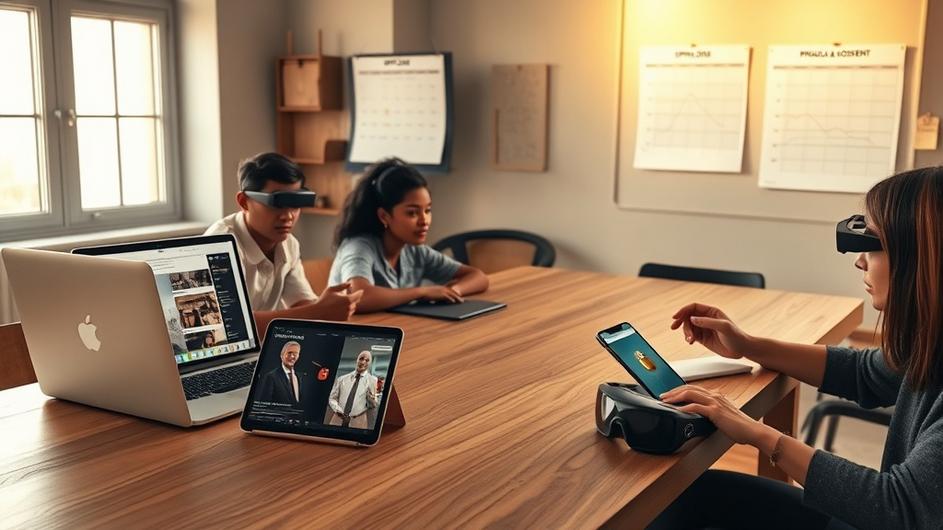
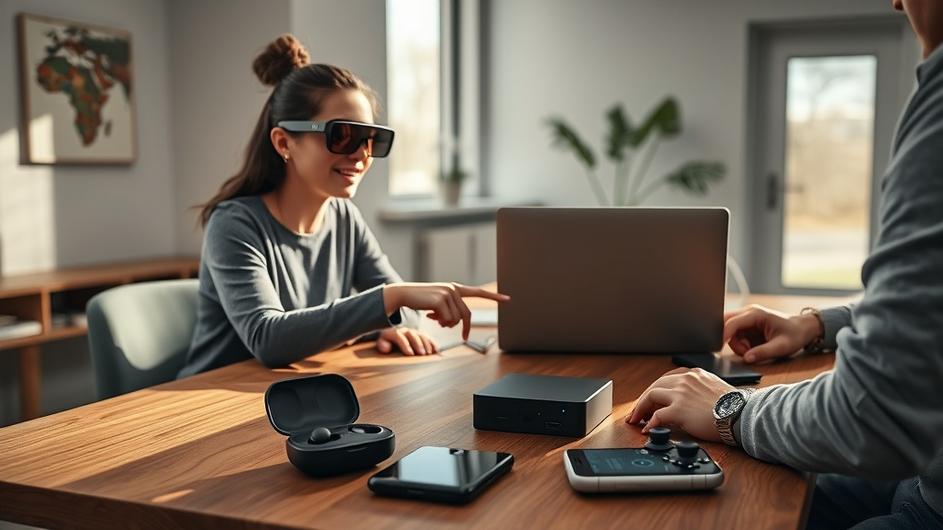
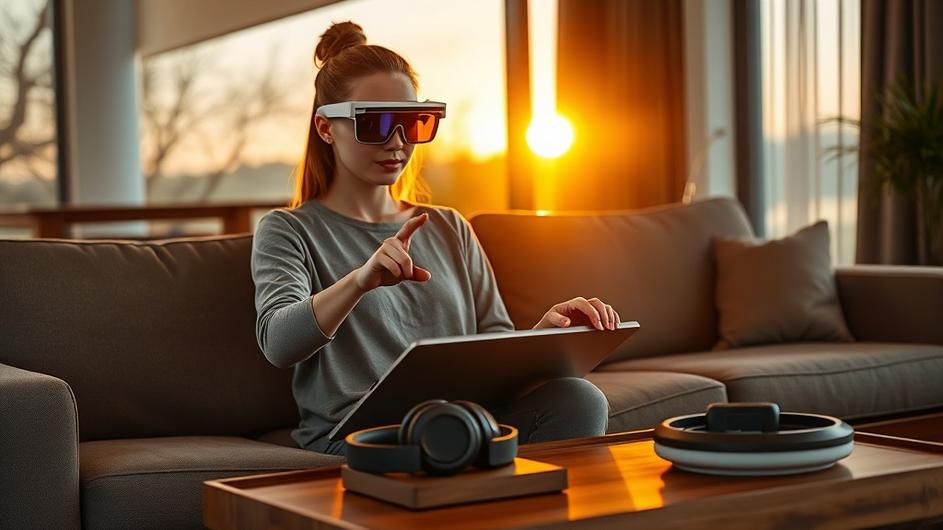
Lightweight Snap Spectacles and more consumer friendly models from big vendors will let people try AR in real life, in shops and on the street. Physical retail exposure drives iterative design feedback, which accelerates app discovery and forces developers to focus on discoverability and polish. It also forces hardware makers to compete on comfort, battery life, and price more than on headline features alone. If you can test three pairs of glasses in a store before buying, the one that feels best on your face wins, not the one with the highest spec sheet.
Three Forces That Will Shape the Market
Supply chains and pricing will determine whether tiered hardware actually reaches mass markets. A cheaper Apple model or broadly available Snapdragon XR device can expand the addressable market quickly. Standards and runtime compatibility will determine whether an app built for one brand needs a rewrite for another. Open APIs or strong cross platform toolchains are the key to a lively developer ecosystem.
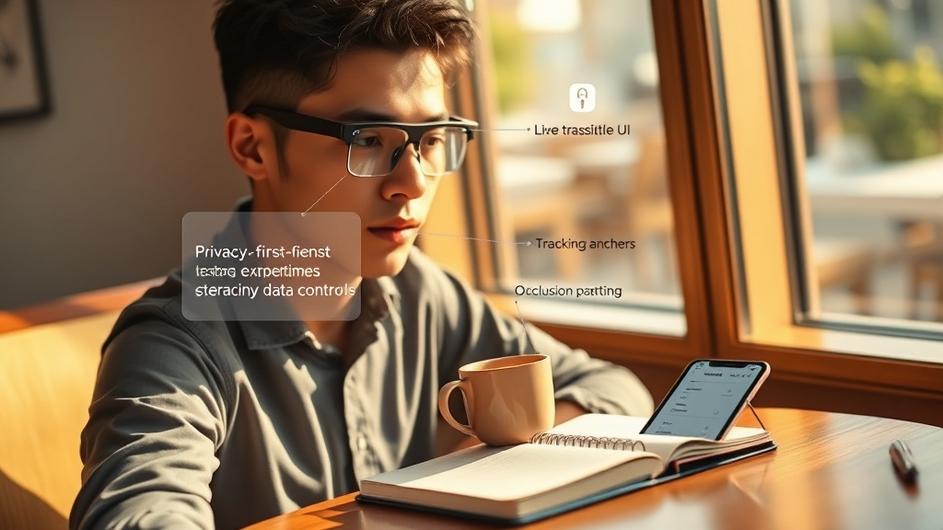
Privacy and regulatory scrutiny will increase as glasses become mainstream. Camera placement, always on sensors, and location aware services will raise consent and data handling questions that engineers and product managers must design for from day one. That turning point is already here, and teams that ignore it will face backlash later.
The Developer Checklist for 2026
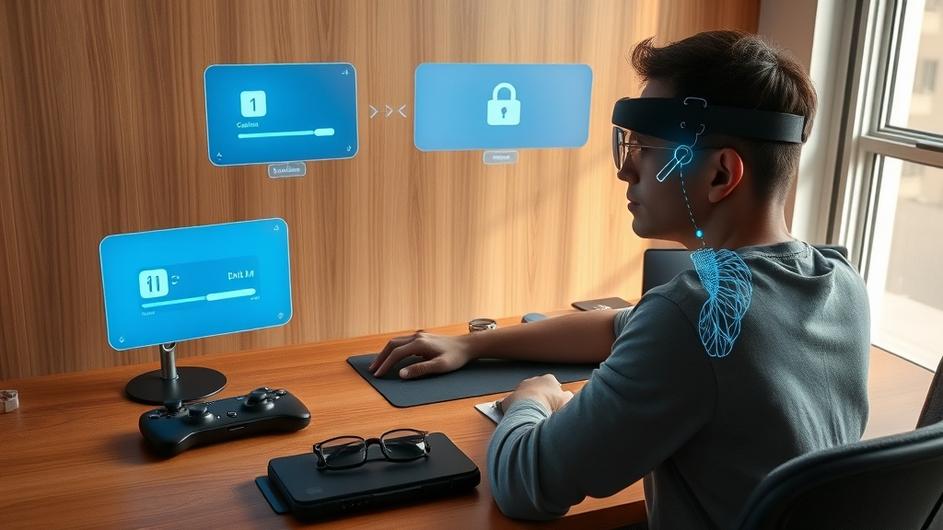
Build modular services that offload heavy AI to the cloud when latency and connectivity allow, but optimize inference for on device use where battery and privacy demand it. Prototype micro interactions. Study how people gesture and glance at displays in the wild. Lean into social experiences that make sense on lightweight frames. The new interfaces and input models emerging this year will reward teams that experiment early.
The Long View
The immediate months will feel like a mix of steady rollout and testing, as companies ship multiple device classes and consumers start to live with augmented overlays. The long term implication is significant: a real mass market requires diversity, not a single canonical headset. Multiple affordable entry points will grow the user base, mature the developer ecosystem, and pressure platforms to standardize. That combination will take AR from an experimental layer to a mundane part of daily tech, the way cameras and maps quietly integrated into phones over the last decade.
For engineers and product leaders, 2026 is a call to build for the many, not the one. Seven key hardware changes revealed this year already point the way. Craft experiences that are light, fast, and respectful of user expectations. The hardware is splitting into many pieces. The software needs to hold them together.
Sources
- 5 AR Devices Arriving In 2026 That Could Upend How You See Tech Today, Glass Almanac, 05 May 2026
- 7 AR Hardware Changes Revealed For 2026, Here’s What Changes Next, Glass Almanac, 06 May 2026
- What to Expect From Google I/O: Glasses, Glasses, Glasses, CNET, 07 May 2026
- Specs Reveals Snapdragon XR Partnership In 2026, Glass Almanac, 02 May 2026
- 5 Augmented Reality Shifts In 2026 That Could Upend Tech, Glass Almanac, 07 May 2026
- Why 2026 Feels Like the Year Augmented Reality Finally Gets Real, Tech Daily Update
- 2026 Hardware Moment in Focus, Tech Daily Update
- From Leaks to Living Rooms, Tech Daily Update
- 2026 Device Moment, Tech Daily Update
- Beyond Specs Into New Interfaces, Tech Daily Update