When Cameras Learn to See: How AI, Images, and Wearables Are Rewriting Mobile Computing
For years the smartphone camera has been a battleground for megapixels and glass quality. Now the contest is moving deeper, into software that interprets scenes, anticipates intent, and connects what you capture to everything else in your digital life. From leaked details about Apple’s iOS 27 camera to viral social filters and a fresh wave of augmented reality hardware, the moment feels less about better pictures and more about smarter perception.
Apple’s iOS 27: The Camera as a Sensor, Not a Recorder
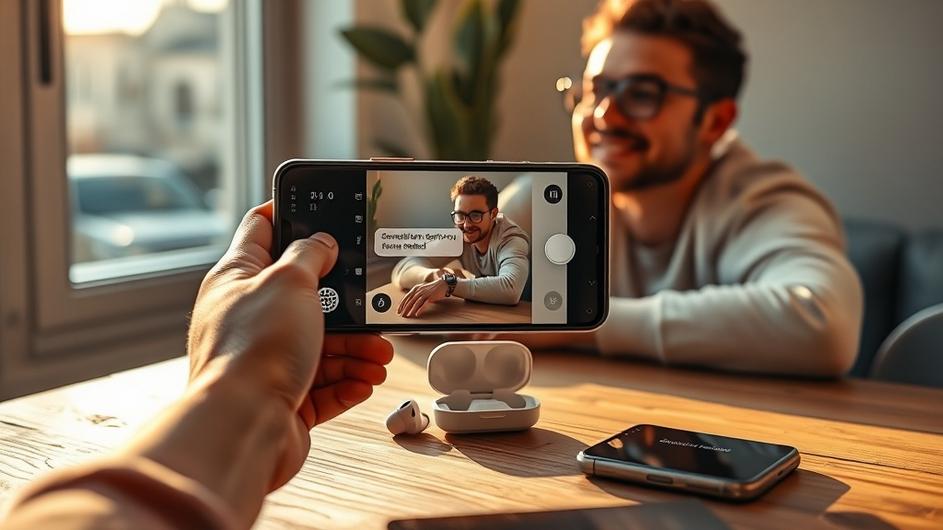
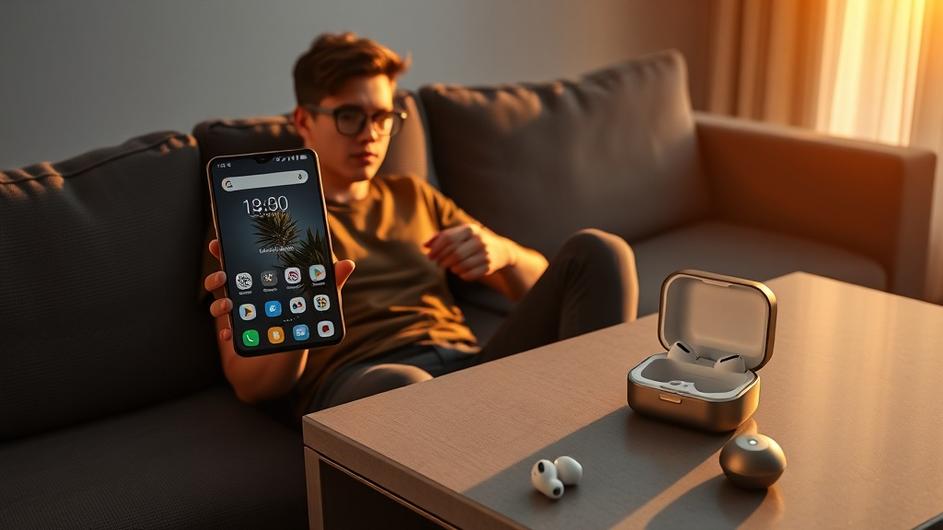
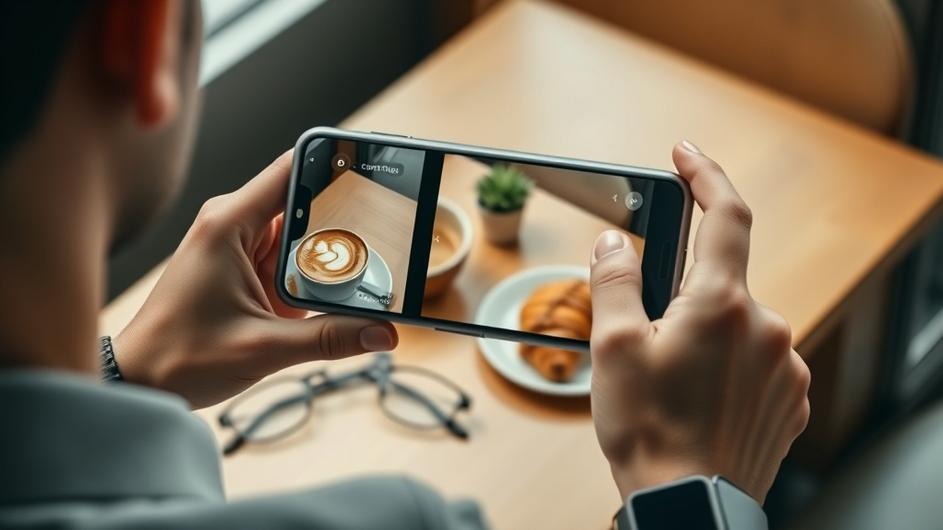
Apple’s iOS 27 rumors offer a clear signal of this shift. According to recent leaks covered by Geeky Gadgets, the upcoming update will treat the iPhone camera as an active sensor for contextual AI, not just a passive image recorder. Expect a redesigned camera app, tighter Siri integration, and a suite of AI-driven features that analyze, label, and even interact with what the lens sees. That could mean automated scene interpretation that offers next-step actions, or live object recognition that ties into reminders, search, or compositional suggestions while you shoot.
Put simply, generative and discriminative AI models are being embedded into the camera workflow. Generative models create new content, for example suggesting backgrounds or compositional variants. Discriminative models identify objects and extract metadata, such as detecting a plant species or scanning text from a receipt. When these models run on-device, you get lower latency and better privacy, but they also demand smarter power and thermal management from phone makers. This push toward on-device inference is becoming the new baseline for mobile computing.
Viral AI and the Emotional Pull of Personalized Imagery
This trend is already visible in consumer behavior. The recent ChatGPT driven viral trend of generating side-by-side images with your younger self shows how powerful and emotional personalized image AI can be. As Moneycontrol reported, people are using relatively accessible tools to synthesize cinematic, nostalgic portraits that blend storytelling and visual computing. That kind of personal, affective use demonstrates a growing appetite for AI that understands identity, context, and aesthetics, and then turns that understanding into shareable content.
It also raises a question for developers: if users are this eager to run AI on their own photos, what happens when that capability gets baked directly into the operating system? The answer is probably a lot more than just filters.
Android Responds: Galaxy S27, Pixel 10, and the AI Arms Race
Android makers are responding on multiple fronts. Forbes’ Android Circuit this week highlights new Galaxy S27 camera details and experiments that tie hardware signals back into AI, such as bringing back a colored notification LED and connecting it to Google’s Gemini AI for contextual alerts. Hardware upgrades, price adjustments on existing models like the Pixel 10, and performance boosts in devices like the OnePlus 15T all point to one thing: competition shifting from raw specs to how devices deliver AI experiences in everyday workflows.
This is not just a spec war anymore. When Samsung and other OEMs start tying hardware LEDs to AI context, you know the game has changed. The camera becomes the gateway sensor, and AI becomes the interpreter.

Wearables and AR: Leaving the Lab Behind
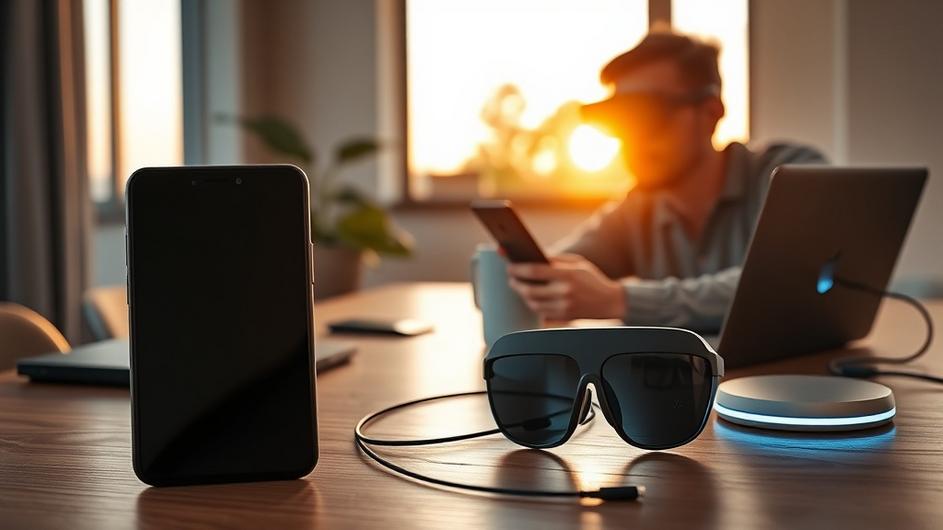
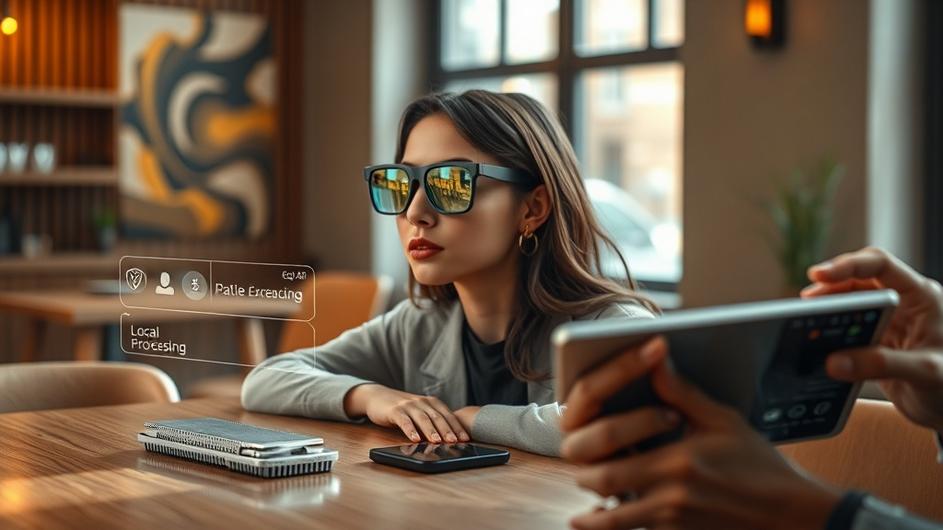
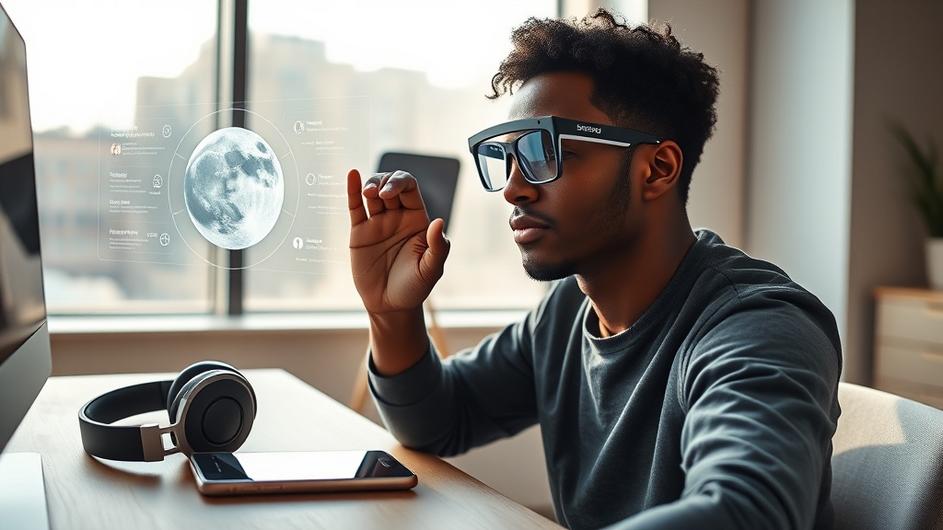
At the same time, wearables and AR are moving out of lab demos and into retail trials. Major companies have accelerated partnerships and product designs that make smart glasses more comfortable, modular, and prescription friendly. Apple is reportedly testing multiple frame styles, and other players from Meta to Snap are shipping prescription-ready options. Glass Almanac tracked six major AR launches in 2026 alone that could reshape the wearables space. Progress in XR silicon, such as Snapdragon XR, promises smoother graphics and lower power consumption, which are essential for mixed reality devices that must be lightweight and always on.
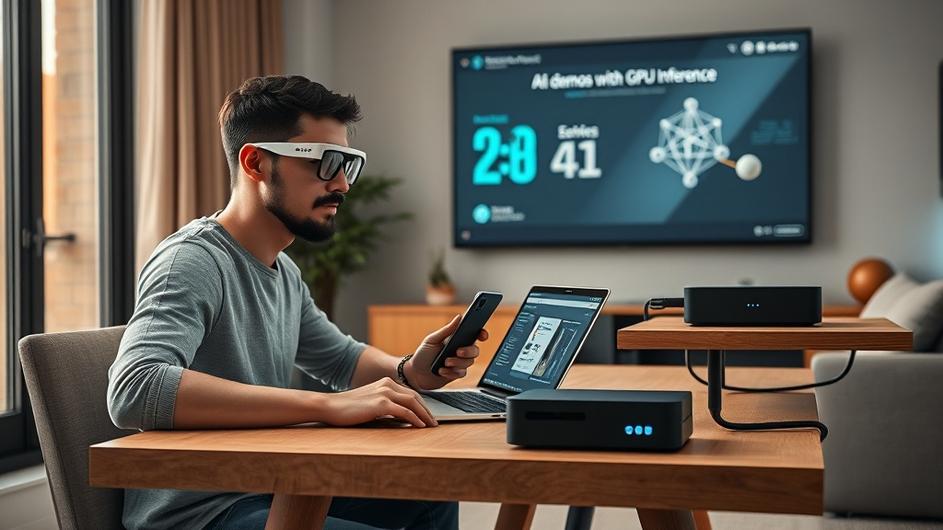
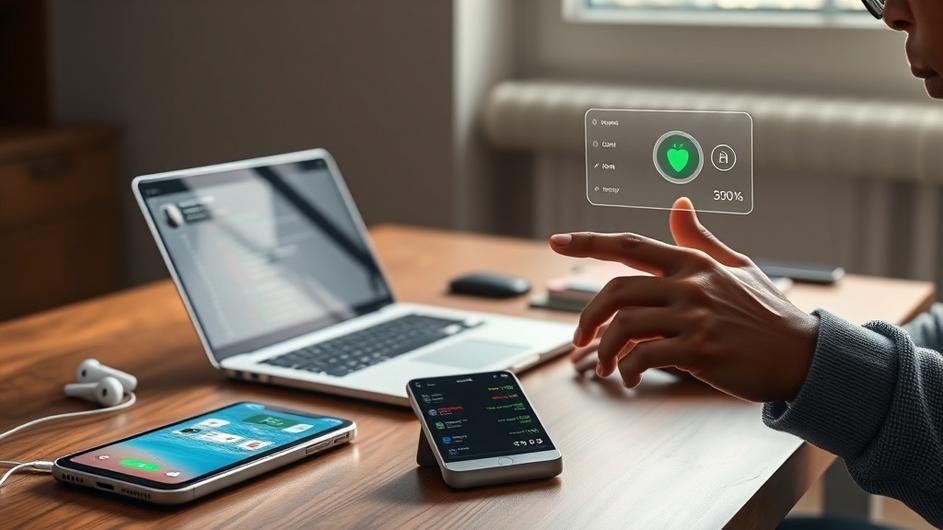
So what ties these threads together? The camera, increasingly powered by AI, becomes a primary sensor and interface for augmented reality. Imagine an iPhone that not only labels what you see, but streams that semantic understanding to a pair of smart glasses so overlays can persist after you look away. Or a glasses platform that leverages phone processing for heavy lifting, while keeping low-latency inference on-device for critical tasks. These are not futuristic sketches. They are the practical directions companies are taking right now, as we’ve seen in how 2026 is rewriting the tech playbook.
What Developers Should Be Thinking About
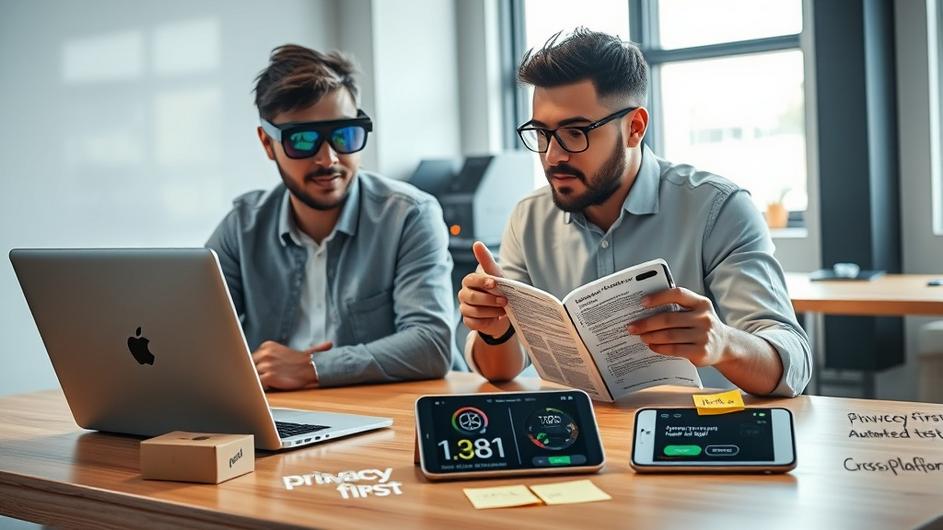
Developers should pay attention to a few concrete implications. First, context matters more than ever. Building apps that leverage scene metadata, temporal cues, and multi-device continuity will provide richer, stickier experiences. Second, on-device inference is becoming the baseline for privacy-sensitive features, which means optimization frameworks and model quantization will be high-value skills. Third, UI paradigms will need to evolve. Users do not want AI that intrudes. They want helpful nudges, predictable behavior, and clear controls for consent and correction.
There are also open questions and trade-offs. Running advanced models locally consumes power and requires new thermal designs, which explains the renewed interest in specialized silicon and cross-device compute. Cloud-based models offer scale and freshness, but introduce latency and privacy concerns. Standardized ways to share semantic context between phone, watch, and glasses will make ecosystems more useful, but they also raise questions about data ownership and consent.
The Hardware Puzzle: Integration Across Form Factors
For hardware companies, the challenge is integration. Rumors of next-generation MacBooks, foldable iPhones, and even an iPhone Ultra suggest Apple is trying to cover more form factors, creating a pipeline where camera and AR capabilities can flow across devices. MacRumors covered these rumors in detail, pointing to a product lineup that spans from pocket to desktop. Android OEMs are similarly expanding the hardware playbook, and chipmakers are racing to provision dedicated AI blocks that balance efficiency and throughput. This push for AR-ready hardware is creating new opportunities and new constraints.
Where This Is All Headed
We are arriving at an era where imaging is both a utility and a conversational interface. Photos and video will remain core, but their value will increasingly come from the metadata and actions attached to them. The most successful products will be those that make that intelligence feel natural, respectful of user intent, and seamlessly integrated across screens and frames.
Looking ahead, expect accelerated convergence. Cameras will become the central sensor for personal, contextual AI. Smart glasses and head-worn devices will shift from experiment to option for daily use. Developers who master model efficiency, cross-device continuity, and humane permission models will shape the next wave of compelling experiences. And for users, the payoff will be less about flashy new filters, and more about devices that genuinely understand and assist in the moment.
The technologies are moving fast, but the design challenge remains timeless. Build tools that enhance human agency, not replace it, and you will unlock the real promise of a world where cameras learn to see.
Sources
- iOS 27 Camera Leaks: Every New AI Feature Revealed – Geeky Gadgets, 03 May 2026
- ChatGPT younger self trend goes viral: how to create your ‘meet your younger self’ image – Moneycontrol, 02 May 2026
- Android Circuit: Galaxy S27 Details, OnePlus 15T Performance, Pixel 10 Price Cuts – Forbes, 01 May 2026
- Top Stories: MacBook Ultra, Vision Pro, and iPhone Ultra Rumors – MacRumors, 02 May 2026
- 6 AR Product Launches And Partnerships In 2026 That Could Reshape Wearables – Glass Almanac, 30 Apr 2026
- Why 2026 Feels Like the Year Augmented Reality Finally Gets Real – TechDailyUpdate
- From Monumental Models to Whisper Quiet Voices: AI Is Reshaping Both Cloud Power and Edge Privacy – TechDailyUpdate
- Galaxy Unpacked 2026 and the Quiet Forces Shaping the Next Mobile Era – TechDailyUpdate
- From Chips to Cameras to Courtrooms: How 2026 Is Rewriting the Tech Playbook – TechDailyUpdate
- 2026 Hardware Moment in Focus: AR Everywhere, Cheaper Compute, and What Developers Should Prepare For – TechDailyUpdate