
From Dev Demos to Living Rooms, How 2026 Is Turning AR Into Real Hardware and Real Demand
This spring feels like an inflection point for augmented reality. Not in the hype sense. In the real sense. After years of demos, developer previews, and the occasional vaporware announcement, the AR space is finally delivering products that people will actually buy and use.
The shift shows up in quiet ways at first. A price cut here. A chip partnership there. A streaming app that suddenly treats a headset like a regular living room TV. But taken together, these moves point to something bigger: the transition from proof of concept to consumer trials. And that matters for developers, hardware engineers, and product leaders who need to build for the AR era that is actually arriving.
Hardware Gets Affordable and Comfortable
Two concrete trends make this transition tangible. First, the hardware itself is becoming both cheaper and more comfortable to wear.
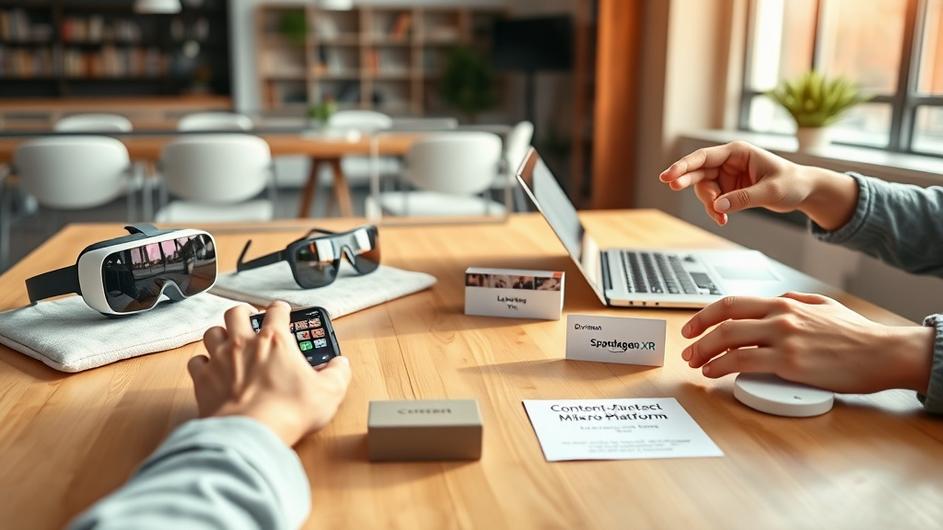
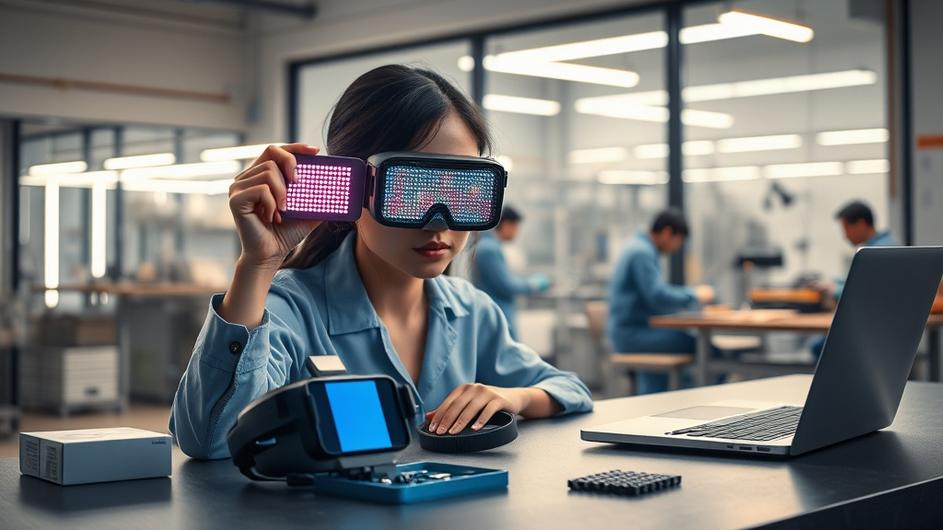
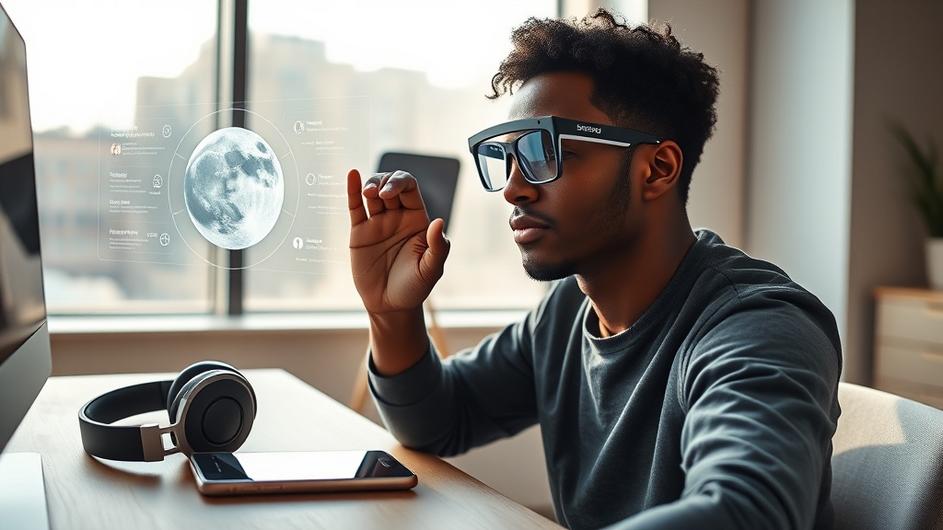
Xreal, a company focused on consumer AR glasses, made headlines by permanently dropping the price of its One Pro model to $599. That puts a capable private big screen within reach of a much larger pool of early adopters. At the same time, Meta and other manufacturers are now shipping models designed to accept prescription lenses. Apple reportedly tested multiple frame styles behind the scenes, which suggests a focus on fit and fashion rather than just engineering showcase devices.
These details might sound trivial. They’re not. Prescription readiness and comfortable frames determine whether someone can wear these glasses for hours. They decide whether older users or people with visual impairments can participate. And they ultimately determine whether AR can escape the weekend demo cycle and enter daily life. For a deeper look at how hardware and compute trends are shaping this moment, the trajectory is clear: affordability is the gatekeeper.
Standardized Silicon Changes the Game
The second thread is about what happens under the hood. The foundational components that make smooth AR possible are finally being standardized and scaled.
Qualcomm has pushed its Snapdragon XR platform as the reference compute stack for many XR makers. In early April, Snap’s hardware arm, Specs, announced a multiyear partnership with Qualcomm to use Snapdragon XR. This is a move backed by years of large scale AR investment from Snap. When chip makers, platform vendors, and device teams converge on common silicon, developers win. A common baseline means fewer device specific quirks. Better optimization tools. Faster iteration on performance challenges like battery life and thermal limits.
For those not deep in the acronyms: XR stands for extended reality, a catchall term for virtual reality and augmented reality experiences that blend digital content with the physical world. The Specs and Qualcomm partnership is a strong signal that the industry is serious about creating a unified hardware baseline.
Software Catches Up with Content Deals
That joined momentum between chips and devices matters because the software story is finally catching up too.
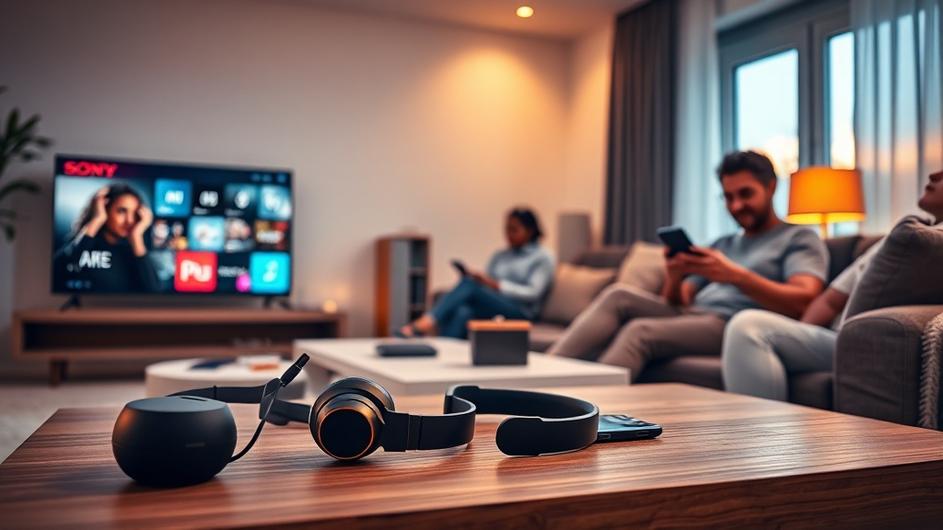
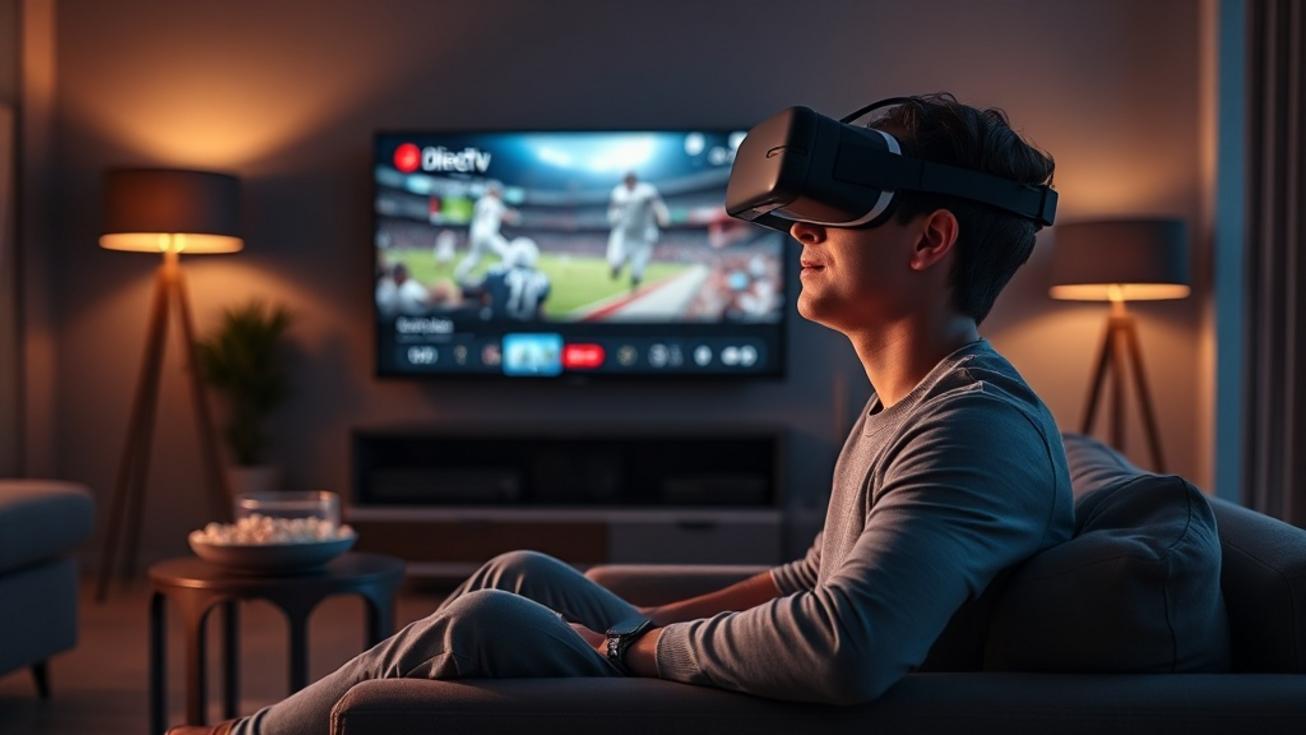
Meta now supports live and on demand DirecTV streaming inside Quest headsets. Think about that for a second. The company is effectively turning a headset into a personal living room TV for users who want a private, large screen experience. This pairing of content and hardware shows how AR could first win in verticals where there is immediate consumer value. Media consumption. Remote collaboration. Niche productivity workflows.
Developers building spatial interfaces or converting existing apps into head mounted experiences will find clearer use cases when platform owners ship compelling content partnerships. They’ll also find more monetizable distribution channels. From private theaters to surgeon overlays, the range of applications is expanding fast.
A Broader Field of Contenders
Apple continues to refine its approach to wearables, testing multiple smart glass designs alongside foldable phones and new laptop form factors. Samsung and other Android partners are active too, with rumors and roadmaps pointing to their own glasses and wearable plays. Recent reports from MacRumors suggest Apple is still iterating heavily on its AR strategy, while Forbes notes that Samsung’s Galaxy Glasses roadmap is picking up steam.
This multiplatform competition will shape developer priorities. Cross platform toolchains and standards will become essential if apps need to reach users across Meta, Apple, Snap, and Android ecosystems without requiring dozens of custom builds. The hardware moment is real, and it’s multi-brand.
What This Means for Developers
So what does all this mean for the people actually building the software?
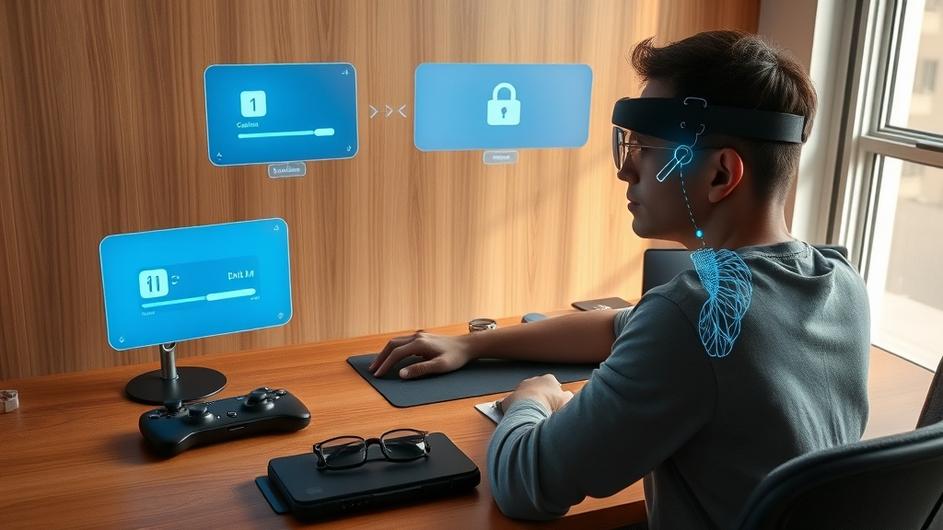
The implications are immediate and practical. Expect to spend more time on spatial UX, designing interfaces anchored to the world instead of a flat screen. Test for comfort and motion tolerance. Prioritize battery efficient rendering techniques like foveated rendering, which reduces detail in peripheral vision to save power.
Think about distribution beyond app stores. Content partnerships with media companies and enterprise buyers who value private displays for collaboration could become major channels. And prepare for tighter integration with cloud services for compute heavy features, because not every use case will be solved on-device without better connectivity.
The Business Realities
Supply chain realities will still shape adoption. Price cuts make early buys more likely, but component shortages and the economics of prescription lenses will influence which companies scale quickly. Even with favorable chip deals, manufacturers must reconcile display quality, weight, battery capacity, and consumer expectations. Viral demos can drive demand overnight, but users will only stick with hardware that fits their faces and daily routines.
The rise of living room style use cases suggests another dynamic worth watching: content first or hardware first? Streaming DirecTV into Quest headsets shows how content owners can leap into new form factors and pull users along with them. At the same time, better silicon and prescription friendly frames will enable fresh categories of apps in healthcare, enterprise maintenance, education, and immersive productivity. Developers who can stitch content, devices, and human centered design into cohesive experiences will have the advantage. New interfaces and displays are already reshaping what’s possible.
Privacy Cannot Be an Afterthought
Privacy, safety, and standards can’t be afterthoughts. Head mounted devices collect more continuous sensor data than phones, and that raises new questions about what gets shared, how it gets stored, and how consent gets handled. Regulatory scrutiny will follow as AR moves from novelty to mainstream. Open APIs, transparent telemetry, and clear privacy defaults will be competitive advantages for platforms and brands that want long term trust.
The Window Is Open
We are not at the finish line. But the finishing line is now visible. Reduced price points, prescription ready designs, compelling media integrations, and unified chip platforms are converging to make AR an actual category consumers will test in the market. Six AR devices and trends in 2026 that surprised buyers confirm this momentum isn’t slowing down.
For developers and product leaders, the next 12 to 24 months will be a window of intense opportunity. Build with cross platform compatibility in mind. Prioritize ergonomics. Design for the kinds of content users will value most, whether that is private TV, remote collaboration, or hands free workflows.
Looking ahead, these combined shifts will nudge AR from experimental to essential. A mainstream feel will accelerate new business models, from subscription media packs designed for headsets to enterprise AR services that reduce downtime on factory floors. The underlying hardware and silicon trends will also spill back into phones and PCs, changing how we think about displays and input across devices.
Competition among platform owners will push quality up and prices down. It will also force the industry to reckon with privacy and interoperability in ways that haven’t been fully addressed yet. Product launches and partnerships coming through 2026 suggest this is just the beginning of a much larger shift.
The coming months will not be quiet. But for anyone building in this space, that is precisely the point.
Sources
- Glass Almanac – 6 AR Devices And Trends In 2026 That Surprise Buyers, Apr 27 2026
- Glass Almanac – 6 AR Product Launches And Partnerships In 2026 That Could Reshape Wearables, Apr 30 2026
- Glass Almanac – Specs Reveals Snapdragon XR Partnership In 2026 Why This Shift Matters Now, May 2 2026
- MacRumors – Top Stories: MacBook Ultra, Vision Pro, and iPhone Ultra Rumors, May 2 2026
- Forbes – Android Circuit: Galaxy S27 Details, OnePlus 15T Performance, Pixel 10 Price Cuts, May 1 2026