
AI at a Crossroads: Markets, Makers, and the Next Era of Intelligence
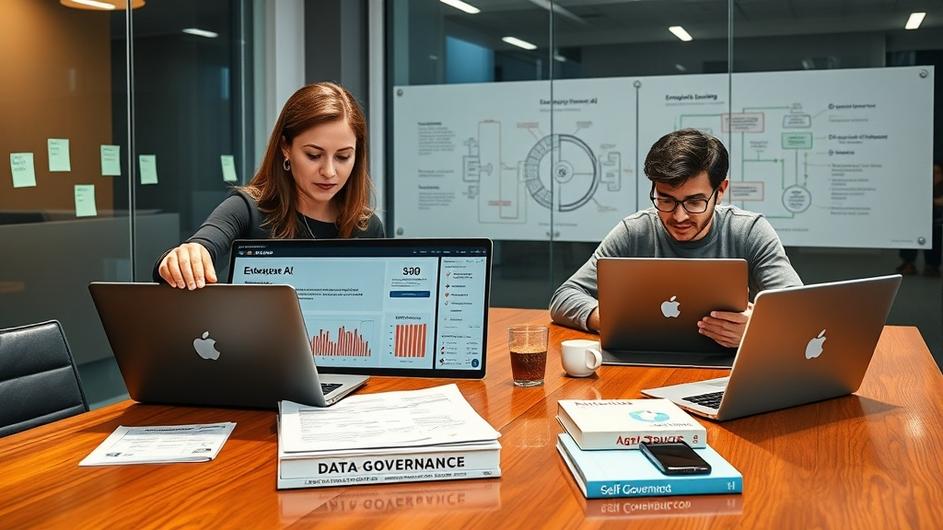
For anyone watching the AI space closely, the past week felt less like a typical news cycle and more like a gear shift. You had market analysts making contrarian calls that cut against the hype. You had product teams at the biggest tech companies quietly shipping features that will touch billions of screens. And you had philosophers, researchers, and regulators wading into debates about what these models actually are and what they might become.
What ties it all together? An industry that is moving from big ideas to real infrastructure, and from breathless speculation to tangible consequence.
The Unlikely Arbiters Shaping AI’s Narrative
Credit where it’s due. Observers recently pointed to three unexpected sources for pushing back on the dominant AI narratives: the S&P 500 index itself, specialist research shops like SemiAnalysis, and longform publications like The Atlantic. Their contributions were less about shouting down AI and more about asking tough questions around how capital flows through the AI ecosystem.
Consider what happens when an index like the Nasdaq prepares to include a company like SpaceX within days rather than quarters. That is not just an accounting exercise. Index inclusion funnels passive capital into firms, sometimes regardless of their near-term numbers. That dynamic can accelerate investment in ambitious projects, sure. But it can also paper over the granular tradeoffs those projects face on the ground.
Michael Parekh captured this tension well in his recent analysis, noting how traditional market arbiters are making counterintuitive calls that challenge prevailing sentiment. The S&P 500 telling a story that differs from the VC chatter? That is worth paying attention to.
The Passive Index Effect Hits AI Infrastructure
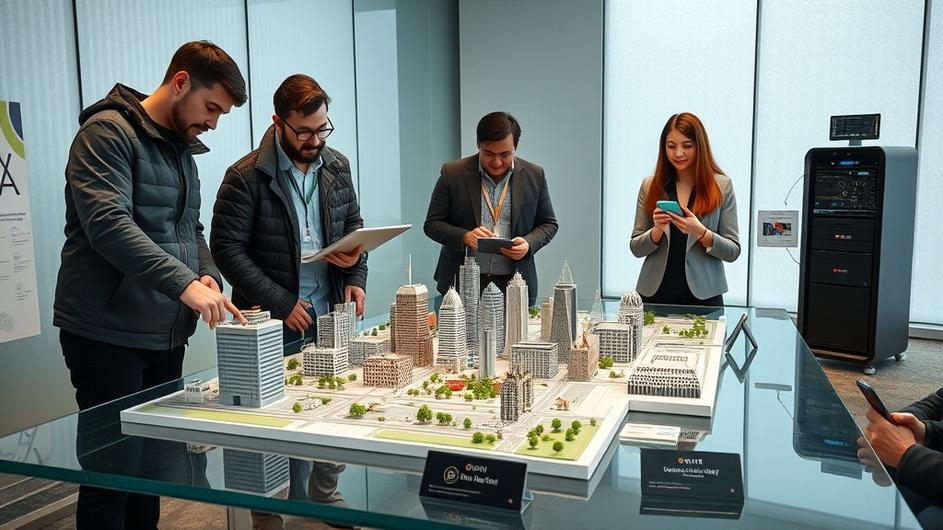
That index dynamic is part of a bigger shift. We are seeing a wave of AI related IPO filings pile up. And there is renewed interest in infrastructure that goes way beyond traditional data centers. Space based AI data centers have gone from science fiction to a serious investment thesis. SpaceX and its affiliates are quietly preparing to turn orbit into a theater for AI compute, storage, and networking.
The logic is audacious but simple. More proximity to satellites means lower latency for certain kinds of services. It means more control over global networks. Whether the math works out on the capital intensity side is an open question, but it is a high stakes one. This kind of thinking reflects how infrastructure models are evolving fast, borrowing lessons from both crypto mining operations and hyperscale cloud builds.
When Models Start Improving Themselves
At the same time, founders and researchers are wrestling with uncomfortable questions about risk. Publications from Anthropic and reporting in the Wall Street Journal have raised alarms about models that can self-improve, using their own outputs to train the next generation. That scenario opens up questions about model collapse, runaway optimization, and whether we have the right guardrails in place.
The Atlantic published a measured piece arguing that AI is not conscious. That might sound obvious, but it is a useful corrective at a time when both doomsayers and careless anthropomorphism are muddying the waters. How we talk about these systems matters. It shapes policy, it shapes investment, and it shapes engineering priorities. When we treat models as complex software instead of minds, we can focus on measurable risks like misuse and self-reinforcing errors rather than metaphysical anxiety.
This is not academic. The language we use today will influence regulation tomorrow.
Apple’s Quiet Bet on Practical Intelligence
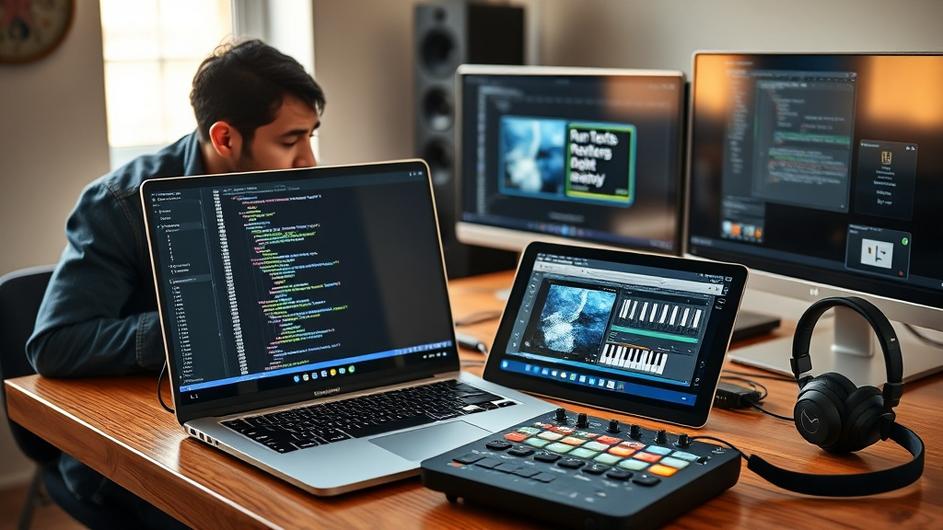
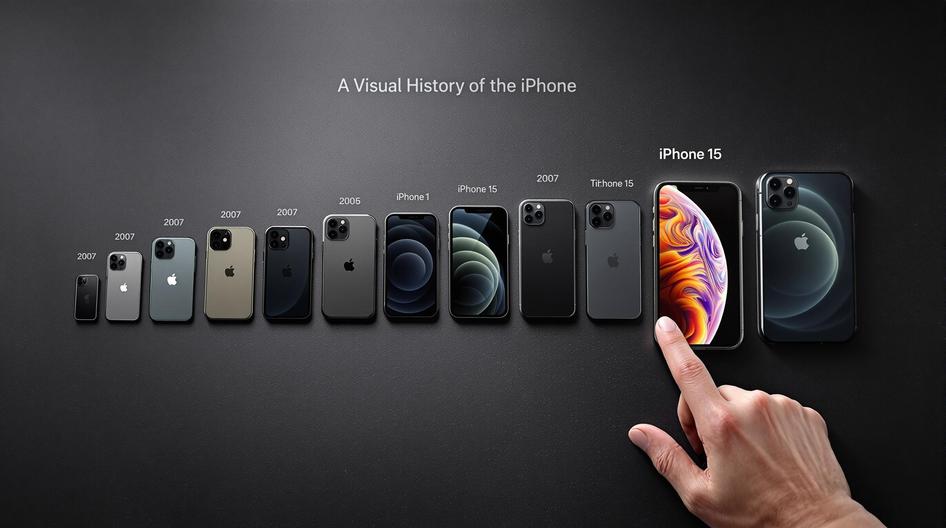
Product roadmaps are not immune to these cross currents. Apple has been quietly and steadily building what it calls Apple Intelligence into the iPhone, iPad, and Mac. We are talking about generative tools embedded inside core apps, a rethought Siri, and new APIs that let developers tap into on device and cloud assisted intelligence.
This work reflects two truths about where AI is right now. First, embedding generative capabilities into everyday software is the clearest path to mass adoption. Second, user trust and device ecosystems matter just as much as raw model capability. You can have the most powerful model in the world, but if people do not trust it with their data, it will not go far.
CNET recently rounded up every AI feature Apple has shipped since last year’s WWDC, and the list is longer than most people realize. From writing tools to image generation to smarter notifications, Apple is methodically stitching intelligence into the OS layer. That approach stands in contrast to companies that treat AI as a separate product or a chatbot bolted onto the side.
An Industry That Looks Like a Relay, Not a Sprint
Step back and the picture becomes clearer. This is not a winner take all race. It is more like an elaborate relay.
Startups are rushing to prove new model architectures and novel datasets. Public markets and institutional investors are deciding which teams get the capital to build out massive compute clusters on Earth and maybe in orbit. Big tech companies are stitching intelligence into products where trust and latency matter most. Researchers and ethicists are pushing back against misleading metaphors and flagging technical pathways that need guardrails.
What should developers and technical leaders take away from all this?
First, the incentives around capital and indexing will keep shaping what gets built. If passive money flows into certain kinds of companies, those companies will have an easier time raising more. That affects everything from how AI monetization strategies evolve to which research directions get funded.
Second, practical product work will determine how most users experience AI. The philosophical debates about consciousness and self improvement will rage on, but what actually lands in people’s hands are features like smarter autocomplete, better photo editing, and assistants that do not misunderstand every other request.
Third, these debates are not ivory tower exercises. They will affect regulation and investment. Clear technical communication is essential. Developers who can explain what their models actually do, and what they do not do, will have an edge.
What Comes Next
Looking ahead, expect a more plural landscape. Some teams will double down on massive centralized compute and exotic infrastructure, including orbital options. Others will prioritize pragmatic privacy preserving on device intelligence. Policy and public discourse will remain crucial because they will shape which behaviors get rewarded.
For developers and technical leaders, the opportunity is to translate ambition into dependable systems. Write the guardrails into the architecture. Design experiences that make powerful models useful rather than mystifying. That is how you build something that lasts.
We are moving into a phase where market mechanics, engineering discipline, and public understanding need to line up. That alignment will determine whether the next decade of AI is defined by durable products and responsible scale, or by brittle eruptions of hype. Either way, the choreography has started. Every team building at the intersection of models and products will play a part.
Sources
- AI: Kudos to 3 AI Arbiters on ‘Against the Grain’ Calls. ARD #91 – Michael Parekh, Substack
- Apple’s AI Era: Every AI Drop Since Last Year’s WWDC – CNET
- Claude, Market Volatility, and the New Rules of AI – TechDailyUpdate
- From Mining Rigs to Model Halls: How Crypto Infrastructure Is Powering the AI Era – TechDailyUpdate
- Self-Improving AI Meets Brand Creativity: What Developers and Agencies Should Expect – TechDailyUpdate
- The Monetization Inflection: Why Enterprise and Self-Supervised Learning Are Redrawing the AI Map – TechDailyUpdate
- Apple, AR, and the AI Hardware Wave: How 2026 Is Rewiring the Device Landscape – TechDailyUpdate