
Hardware, High Refresh, and Headsets: How 2026 Is Rewiring the Device Map for Developers
This spring feels like a hardware moment. Not the kind where companies post spec bumps and call it a day. The kind where the whole idea of what a device should be gets renegotiated in public. Apple is floating rumors about an iPhone Ultra and foldable prototypes while quietly tightening supplies of Mac mini and Mac Studio machines. Meta, Oppo, and OnePlus are pushing hard on AI, optics, and display tech from entirely different angles. For developers, this matters more than most headlines let on. It changes where computation happens, how users touch your software, and what capabilities you can safely assume exist on the other end of a network request.
Apple’s Hardware Calculus
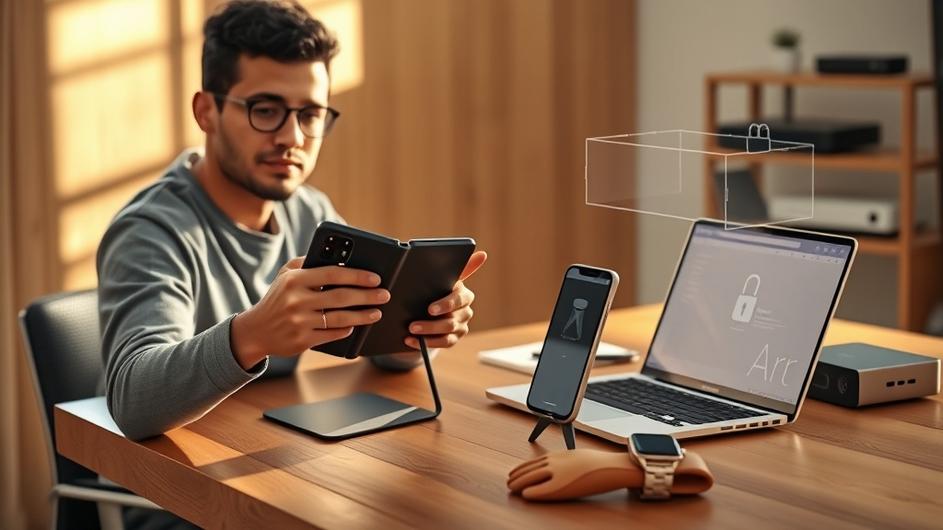
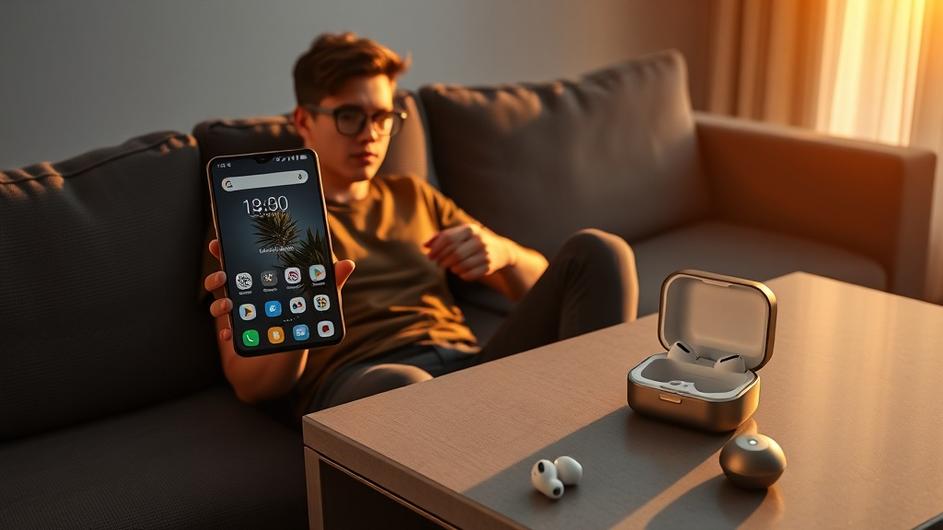
Let’s start with the biggest story. Apple’s device pipeline is sending signals in multiple directions at once. Rumors of an iPhone Ultra and a foldable iPhone suggest the company is exploring both premium tiers and entirely new form factors. Software updates like iOS 26.5 and early hints at iOS 27 show the platform keeps evolving underneath. At the same time, Apple is tightening supplies of Mac mini and Mac Studio machines, which reminds us that hardware availability still dictates who gets desktop-class performance and who doesn’t.
For developers, this creates a tricky balancing act. You want to support cutting edge features on the newest devices, but you also need to stay resilient when hardware is scarce and users lag behind on upgrade cycles. It’s not a new problem, but the gap between what flagship devices can do and what the average install base runs is widening again.
Behind the product chatter, there’s organizational change worth watching. Tim Cook is preparing to hand the reins to John Ternus, Apple’s senior vice president of hardware engineering. Industry observers are already asking whether Apple will lean even harder into large consumer hardware bets. One scenario being discussed is a more aggressive push into big screen devices, possibly a modestly priced AI-enabled smart TV that eliminates the need for a separate set-top box. That kind of thinking signals a renewed emphasis on hardware-led experiences where device design, silicon, and operating systems get tightly integrated to unlock new software functionality.
Refresh Rates Go Extreme
That hardware focus echoes across the Android ecosystem. OnePlus is reportedly pushing display refresh rates up to 240Hz on the next OnePlus 16. That’s a serious escalation in display fluidity, one that benefits gaming and fast user interfaces in obvious ways. Higher refresh rates reduce motion blur and make interactions feel more immediate. But they also demand more from power management, thermal design, and GPU scheduling.
If you build animation-heavy or latency-sensitive applications, you’ll need to test across refresh rate variants and optimize frame budgeting to avoid battery penalties. It’s the kind of problem that sounds small until your app gets flagged for draining a phone in two hours. Device heterogeneity is real, and it’s accelerating.
Camera Tech That Changes the Math
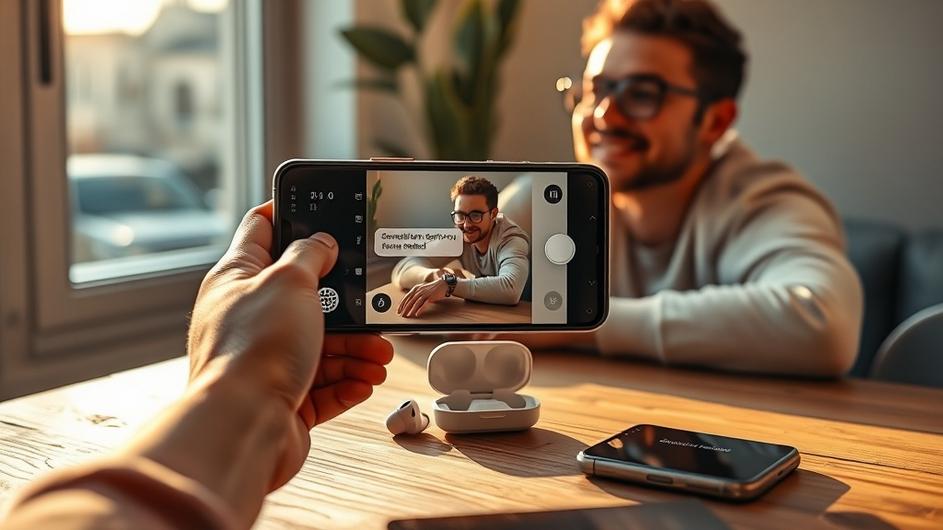
Camera technology is another front where the numbers are getting serious. Oppo confirmed details for the Find X9 Ultra ahead of its launch, including a 200 megapixel sensor and 10x zoom. High-resolution sensors paired with extended optical or periscope zooms expand what computational photography can do, from lossless cropping to improved digital stabilization.
For app developers, this opens up opportunities for richer imaging features. But it also raises hard questions about storage, bandwidth for cloud processing, and how to manage user expectations for quality across different network conditions. A 200MP photo looks great on a demo unit in a store. It looks less great when your app is trying to upload it over a congested cellular link. The mobile wave is rewriting how we think about camera pipelines and the tradeoffs they introduce.
Meta’s Wearable AI Push
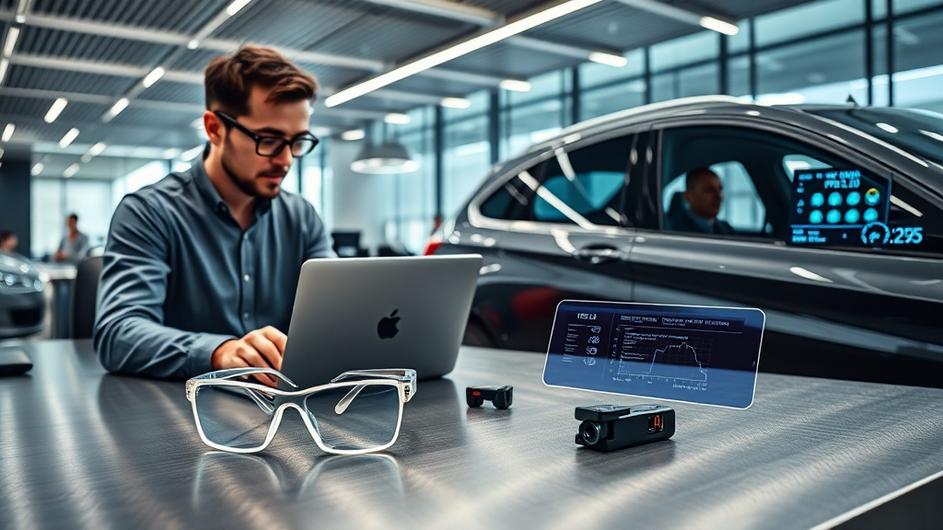
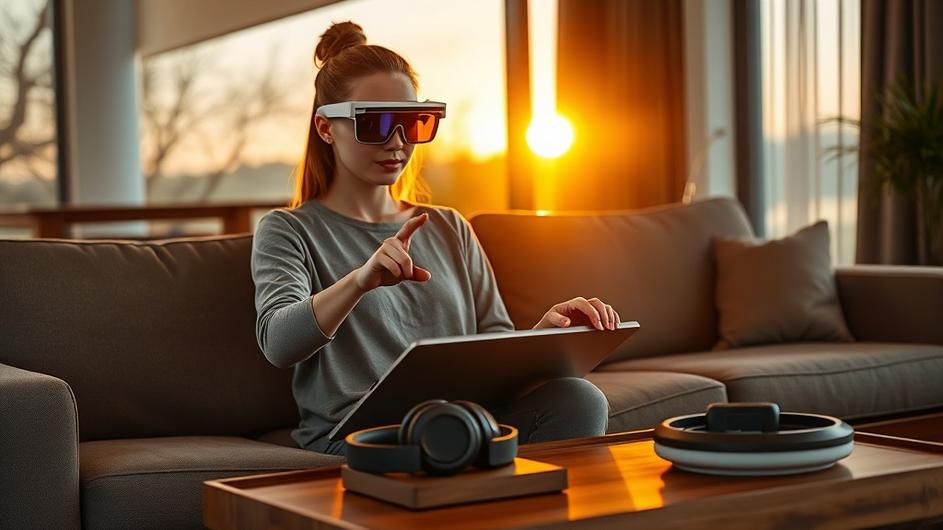
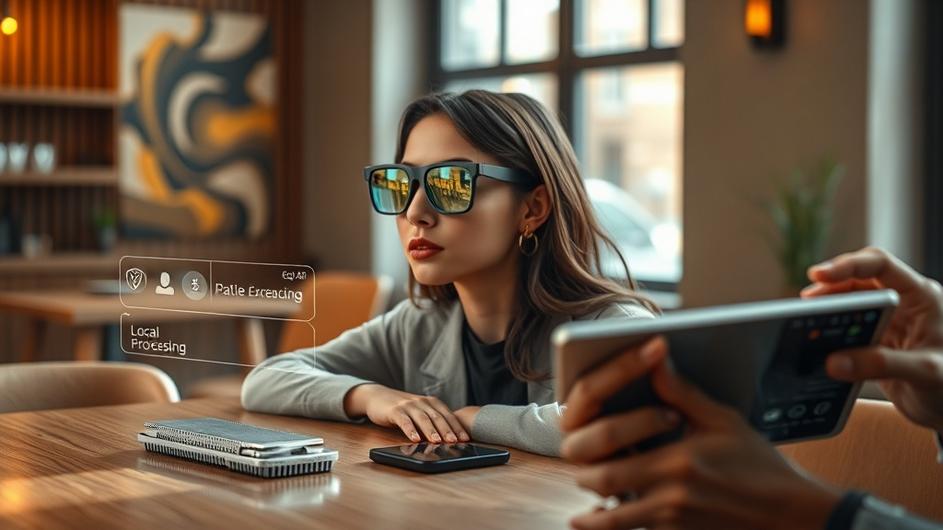
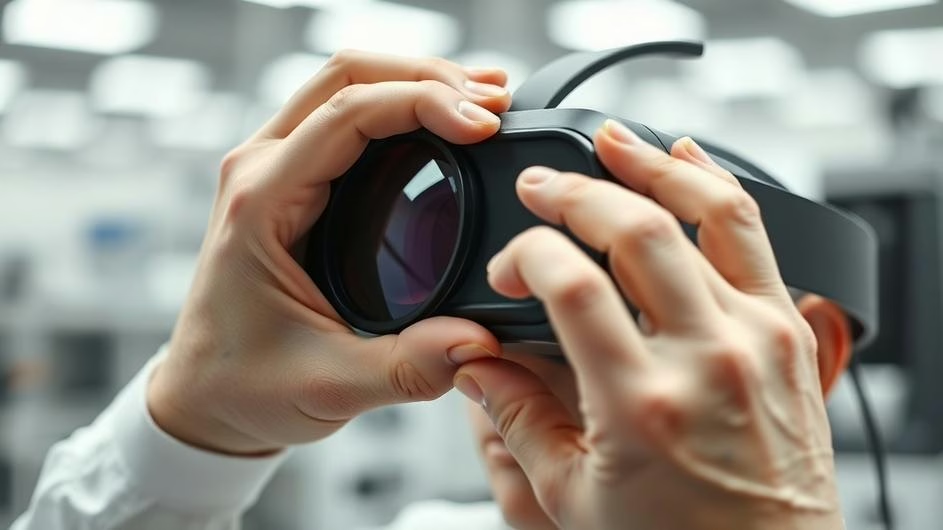
Meta is accelerating its timetable for wearable AI with Muse Spark, a multimodal model designed to power the Meta AI app and integrate into smart glasses. Multimodal means the model handles text, images, and audio at the same time, enabling a more natural conversational experience. Because Meta controls distribution channels like Instagram and WhatsApp, Muse Spark can scale quickly into consumer-facing surfaces. That matters because it forces developers to reckon with new interaction models and privacy requirements almost immediately.
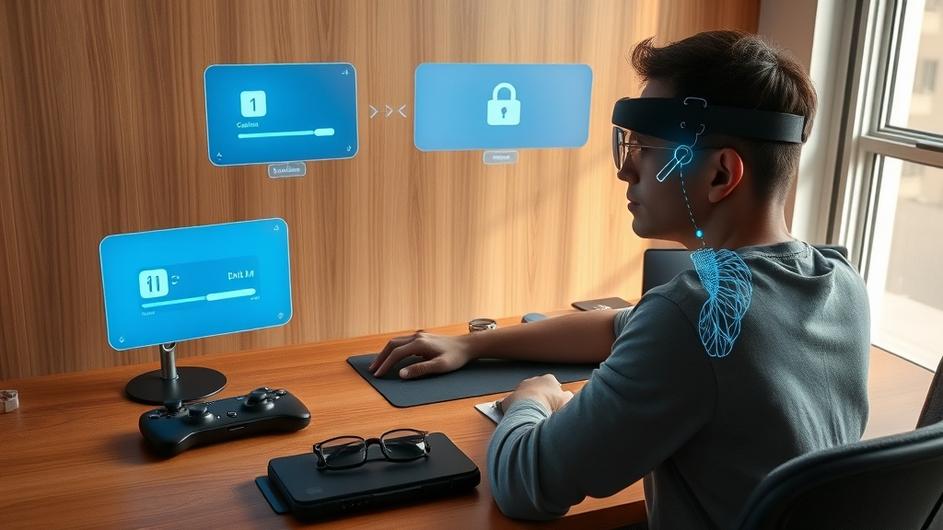
The rollout is dividing experts. Some praise the ambition. Others urge caution on accuracy and safety. For developers building AR and wearable experiences, accuracy, latency, and energy efficiency will be the key constraints that separate useful apps from gimmicks. The coming wave of smart glasses will demand a different kind of engineering discipline than mobile development does.
Connectivity Gets a Satellite Backbone
Another infrastructure story is quietly shifting the role of connectivity. Amazon announced plans to acquire a satellite provider that has been a partner for Apple services when users are outside terrestrial networks. Satellite-backed connectivity changes assumptions about where apps can run and how they handle intermittent networks.
Services that previously assumed reliable high-speed links will need to adapt to higher-latency or lower-bandwidth satellite paths. Other services can exploit ubiquitous coverage to offer always-online features in remote locations. Either way, the old assumption that “the user has a solid connection” is getting harder to rely on. The software that holds it together will need to handle connectivity as a variable, not a given.
The Mac Shortage Problem
The tightening of Mac mini and Mac Studio supplies deserves attention on its own. Those machines are workhorses for developers, content creators, and designers. Shortages create friction for teams that rely on local build servers, testing rigs, or high-performance desktop compute. Some organizations will accelerate cloud-based development workflows, but that migration brings tradeoffs in latency, data transfer costs, and tooling compatibility.
What This Means for Developers
Take all of this together and a few practical takeaways emerge.
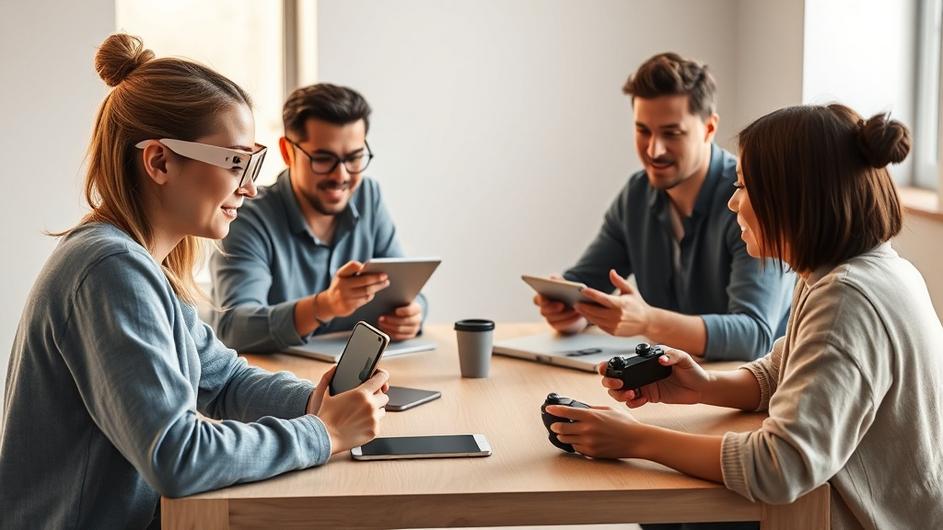
First, device heterogeneity is increasing. Expect a wider range of display refresh rates, camera capabilities, and form factors from foldables to glasses. Second, compute is becoming more distributed. Powerful local silicon, cloud backends, and satellite links will coexist, so design for variable connectivity and offload intelligently. Third, AI and multimodal models are moving from research demos into daily user surfaces, which raises hard questions about accuracy, privacy, and meaningful developer controls.
The next year will not be a simple race for specs. It will be about integration, ergonomics, and trust. Companies that combine thoughtful hardware design with clear developer APIs and responsible AI practices will have an advantage. For developers, that means investing in adaptable architectures, telemetry to understand real-world device behavior, and privacy-first approaches that respect user expectations while enabling new features.
The Road Ahead
The device map for 2026 is being redrawn by faster displays, smarter cameras, wearable AI, and new connectivity rails. The challenge for the developer community is to turn those raw capabilities into experiences that feel cohesive, reliable, and useful. That requires technical rigor, cross-disciplinary thinking, and a willingness to embrace both the constraints and opportunities of a more diverse hardware ecosystem.
Looking forward, expect the next wave of products to blur the lines between phone, computer, glasses, and living room screen, with AI as the connective tissue. Developers who prepare now by focusing on adaptability, efficiency, and user trust will be best placed to shape the software that runs on these new devices. And they’ll help define what human-centered computing looks like in the years ahead.
Sources
- Top Stories: ‘iPhone Ultra’ Rumors, Mac Mini and Mac Studio Shortages, and More, MacRumors, 18 Apr 2026
- Apple Focuses On ‘Hardware’: Thinking Big Screens? MediaPost, 22 Apr 2026
- Next-gen OnePlus 16 leak reveals key display upgrades, Notebookcheck, 23 Apr 2026
- Muse Spark Reveals Meta’s Plan For Smart Glasses In 2026, Glass Almanac, 19 Apr 2026
- Oppo officially reveals key specs of the Find X9 Ultra, Notebookcheck, 19 Apr 2026
- Beyond the Fold, Beyond the Frame: What 2026 Hardware Leaks Tell Developers, TechDailyUpdate
- Muse Spark, the App Boom, and the Coming Wave of Smart Glasses, TechDailyUpdate
- From Foldables to AR Glasses and the Software That Holds It Together, TechDailyUpdate
- How 2026’s Mobile Wave Is Rewriting Devices, Cameras, and AR, TechDailyUpdate
- Apple, AR, and the AI Hardware Wave: How 2026 Is Rewiring the Device Landscape, TechDailyUpdate