Why 2026 Feels Like the Year Phones Learned to Think, See, and Listen
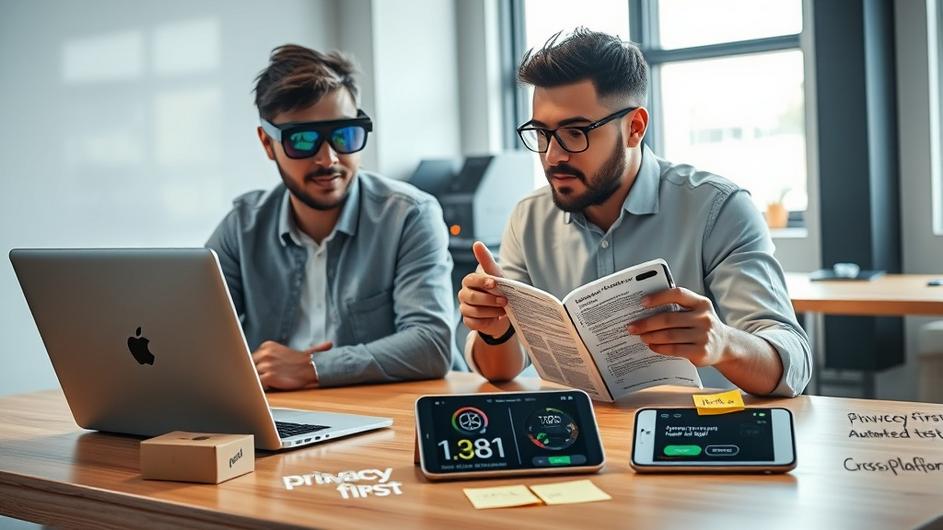
If you have been watching the mobile space closely, the last few weeks probably felt like an entire semester crammed into a month. On-device AI, display engineering, imaging breakthroughs, and wearable services all collided at once. And the signal coming through is pretty clear: software is driving hardware value, while hardware keeps unlocking new software experiences. For developers and product teams, that means fresh opportunities to rethink user experiences. It also means new obligations to design for privacy, performance, and longevity.
Samsung Makes the Case for Software-Led Longevity
Samsung kicked things off by extending Galaxy AI features beyond its newest flagships. The company rolled out functions like Audio Eraser, Creative Studio, Call Screening, and Photo Assist to Galaxy S24 and S25 devices. This is not just a feature drop. It is a statement about how software can keep older hardware relevant long after launch.
Generative AI features, the kind that create or transform content from text, voice, or images, can dramatically shift how users perceive a device’s value over time. For app developers and OEM partners, two priorities emerge. First, design modular services that update independently of hardware. Second, expect user expectations to evolve. More phones are gaining AI-powered photo editing and conversational utilities through software updates, not by waiting for the next silicon refresh. That changes the entire upgrade cycle.
You can read more about how Samsung is reshaping device expectations in our coverage of Unpacked 2026.
AI Processing Moves to the Edge
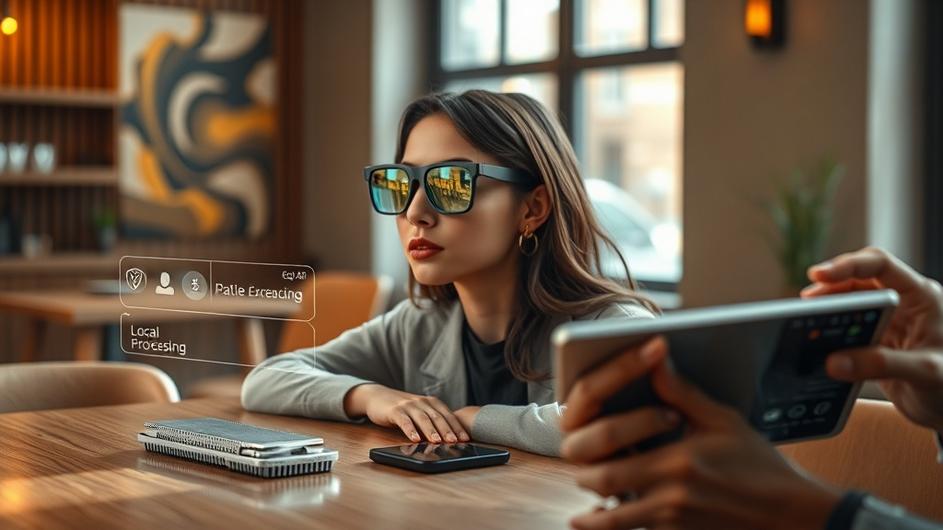
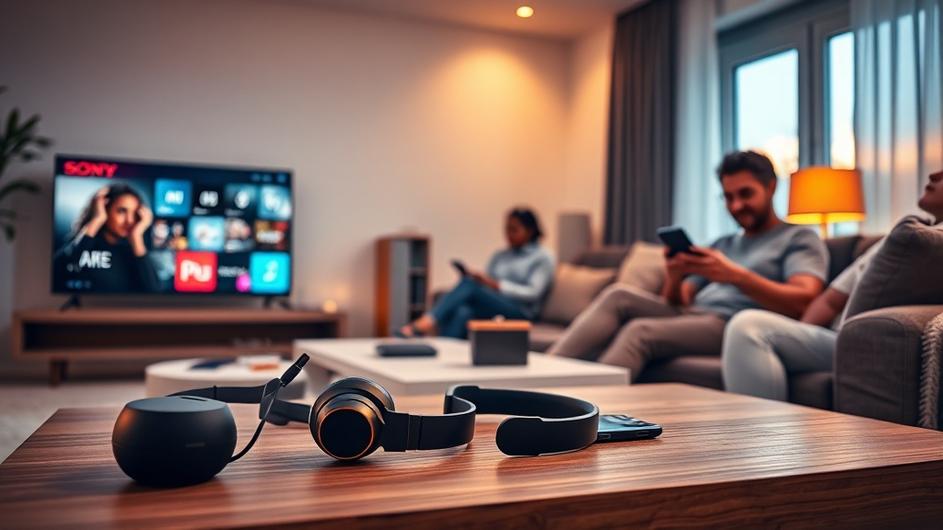
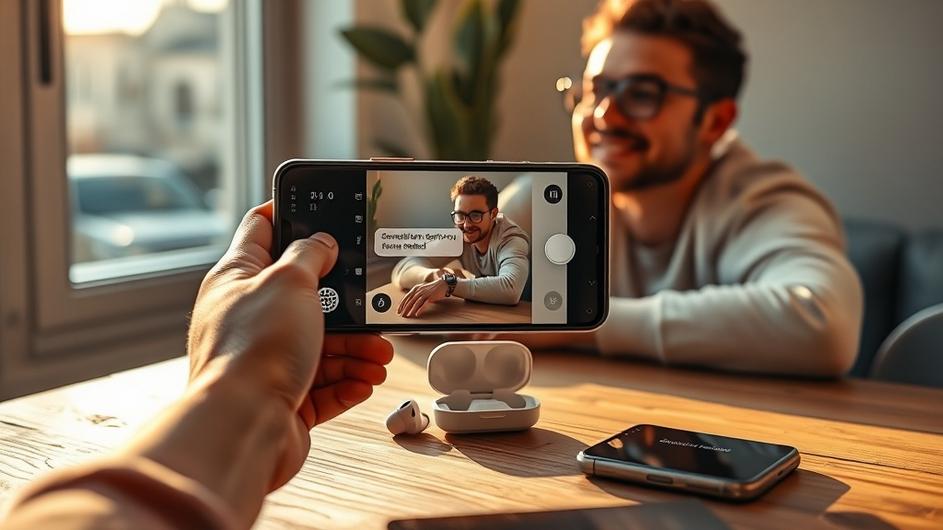
Silicon is evolving too, but not just inside phones. Anker, the company best known for charging accessories and audio products, is reportedly moving into AI chips for audio. By packing voice and audio processing into local hardware, often called edge AI, the approach reduces latency and limits privacy exposure. Sensitive audio never has to leave the device.
For audio app developers, this opens up higher-fidelity real-time processing in earbuds and speakers. Think on-device voice separation, low-latency music effects, and smarter assistants that run completely offline. The shift toward edge AI and privacy-first processing is one of the quieter but more meaningful trends in 2026.
Displays and Cameras Feed the AI Pipeline
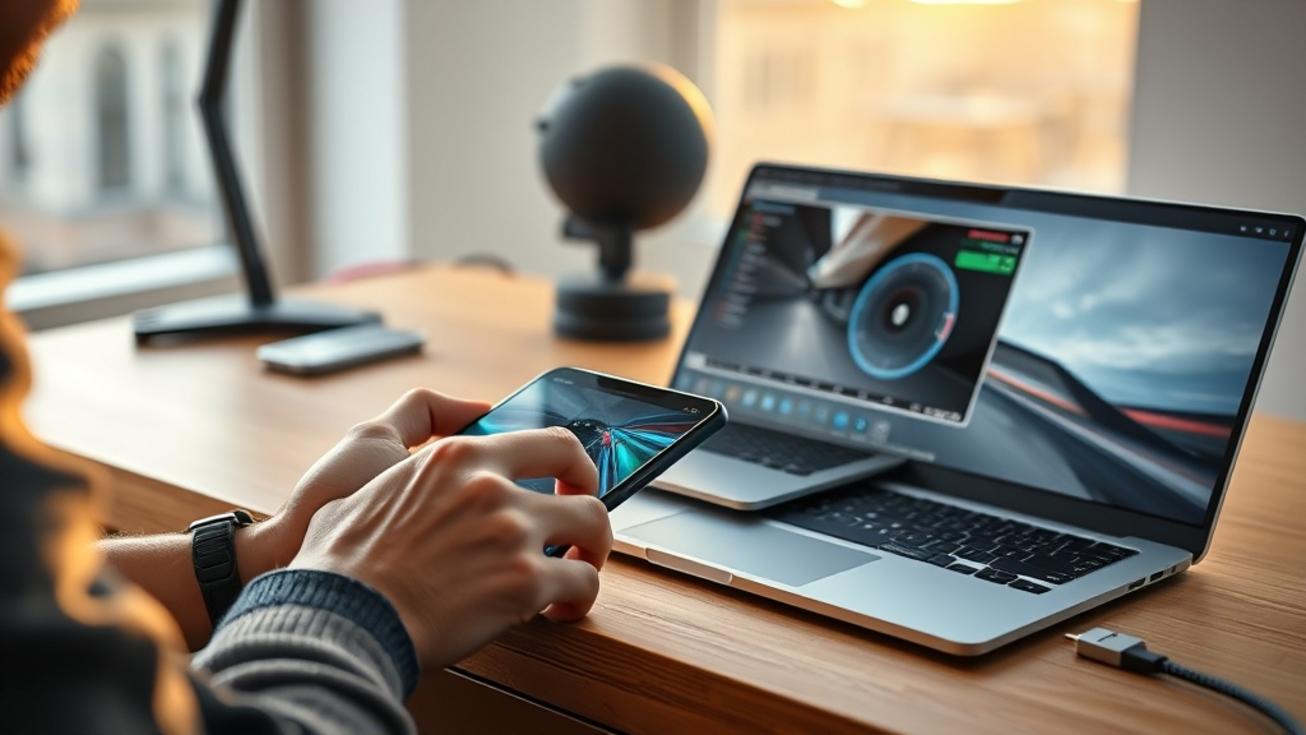
Hardware makers are pushing displays and cameras to feed these AI experiences. OnePlus is rumored to push refresh rates up to 240Hz on the OnePlus 16. That move targets competitive mobile gaming and high-frame-rate rendering. For those unfamiliar, refresh rate is how many times a screen updates per second. Higher rates make motion look smoother and reduce input lag, but they also demand more from the GPU and battery.
Developers building real-time experiences, whether games or augmented reality apps, need to balance frame budgets with power budgets. Variable refresh techniques help, but they require smart implementation.
Then there is imaging. Oppo confirmed key specs for the Find X9 Ultra, including a 200MP sensor with 10x zoom samples already circulating. Higher megapixel counts combined with computational photography pipelines enable new creative tools. You can crop with preserved detail. You can stitch multiple frames for better low-light shots. But these advances also mean app teams need to handle larger files, design smarter upload strategies, and optimize on-device processing. Otherwise, users drain their storage and battery chasing perfect photos.
For more context on how hardware and AI are converging at the tipping point, check our earlier analysis.
Form Factors Are Expanding Again
Leaks hint at a new Asus Pad Android tablet. Huawei has a wide foldable device in the pipeline. Honor is positioning its 600 series for European markets. The takeaway is simple: manufacturers are exploring form factor diversity again. They are not just chasing thinner profiles. They are experimenting with larger canvases and novel folding mechanisms.
For developers, this means designing interfaces that scale properly, respect multi-window multitasking, and leverage sensors in unexpected layouts. The days of designing for one screen size are long gone.
Wearables Go the Subscription Route
Wearables are following their own platform playbook. Google appears to be preparing a new subscription called Google Health Premium for the Pixel Watch 4 and the Fitbit Air. This continues the trend of bundling health features behind a monthly fee.
Subscriptions can fund ongoing R&D and data services. But they also shift user expectations about baseline capabilities. Developers working in health and fitness face a strategic question: do you rely on platform subscriptions for advanced features, or do you build independent value propositions that attract and retain users without lock-in? There is no single right answer, but the decision will shape your product roadmap for years.
Augmented Reality Gets Real
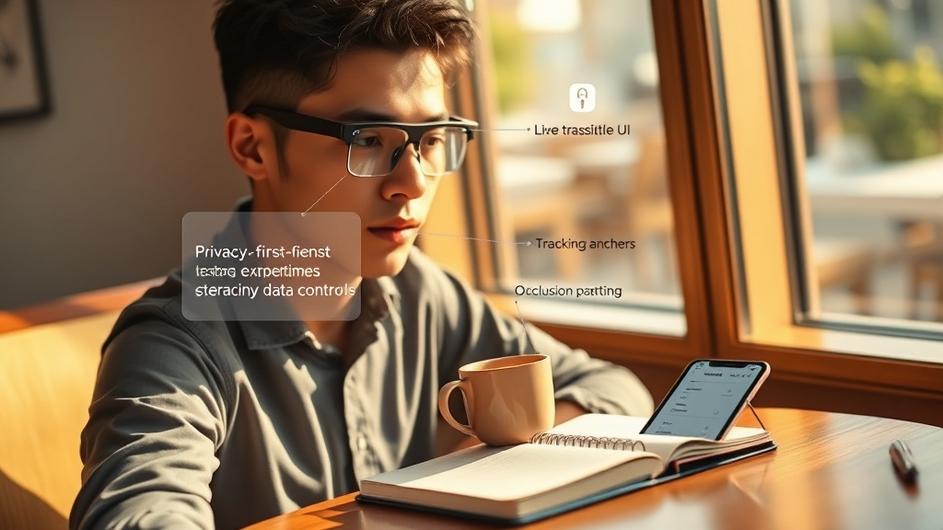
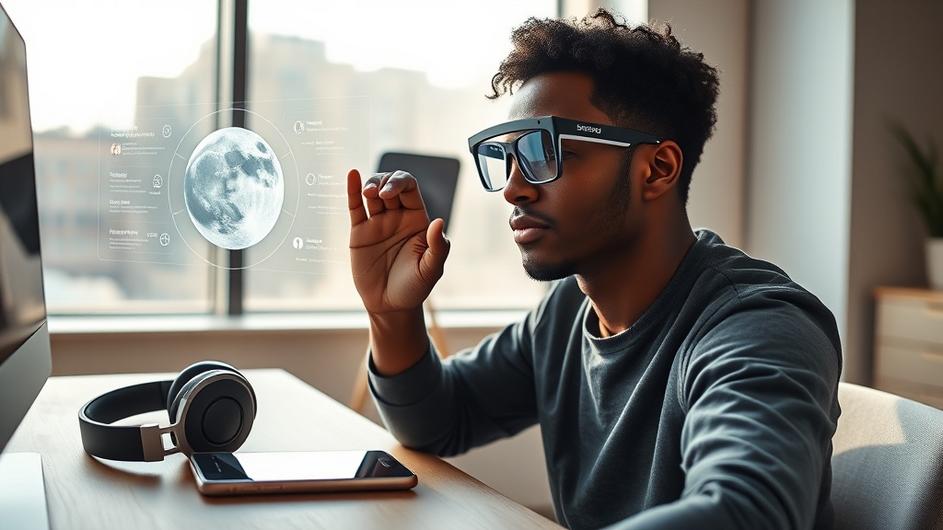
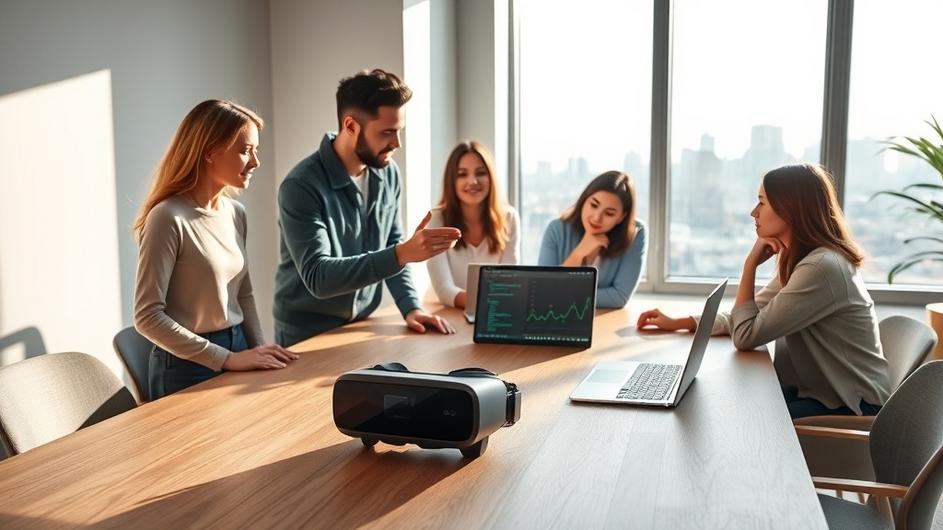
Overlaying all of this is augmented reality, which is moving from novelty to genuine product cycle readiness. Analysts point to seven major AR shifts this year alone. Apple and Snap are pushing wearable hardware. Hospitals are piloting clinical overlays, AR interfaces that display patient data and visual guidance directly in a surgeon’s field of view.
For software teams, AR is a convergence point. High-refresh, low-latency displays and local AI processing are prerequisites for comfortable, useful AR. That means the display and edge AI trends we see in phones and accessories will directly influence how feasible AR experiences become. The 2026 AR momentum is real, and developers should start preparing now.
The Risks Worth Watching
None of this comes without trade-offs. Pixel 11 concerns in recent coverage remind us that moving too fast or betting on a single hardware design can backfire. Fragmentation across vendors, differing update cadences, and subscription silos create friction for developers trying to reach broad audiences.
Then there are privacy considerations. Health data and always-on sensors are becoming monetized features. Transparent data policies, granular permissions, and local-first processing can mitigate some of that friction. But they require thoughtful engineering from the start.
The broader tech landscape in 2026 is being rewritten across multiple fronts, and developers need to keep up.
What Connects It All
If you look for a common thread, it is this: compute is migrating outward from data centers into phones, earbuds, and glasses. Displays and sensors are getting better at capturing user intent. Software becomes the multiplier that coordinates those capabilities into coherent experiences.
For pragmatic developers, that means investing in adaptable architectures, focusing on power and latency budgets, and designing for multiple form factors. It is not glamorous work, but it is what separates products that last from those that feel dated after one update cycle.
What Happens Next
Some of what comes next is predictable. More devices will gain AI features through updates, making software agility a competitive advantage. Peripherals and accessories will carry meaningful compute, enabling new classes of low-latency, private experiences. Displays and cameras will keep improving, raising the bar for visual and interaction design.
And AR will pull these threads together, first in vertical, high-value use cases, then into consumer wearables as hardware and power efficiency improve.
The fast-moving ecosystem favors teams that can iterate on software while anticipating hardware directions. Teams that treat features as platform-agnostic services. Teams that build for privacy from the ground up.
In short, 2026 looks like the year devices became collaborators, not just portals. For developers and product leaders, that is both a challenge and an invitation to create richer, more human-centered technology.
Sources
- Forbes: Samsung’s Free Galaxy Upgrades, Anker’s AI Chip, Honor 600’s European Twist
- Notebookcheck: Next-gen OnePlus 16 leak reveals key display upgrades
- Notebookcheck: Google leaks brand new subscription for Pixel Watch 4 and Fitbit Air
- Notebookcheck: Oppo officially reveals key specs of the Find X9 Ultra
- Glass Almanac: 7 AR Shifts In 2026 That Could Reshape Phones And Surgery