Hardware Is Back, But the Future of Devices Will Be Mixed: Cameras, AR, and the New Shape of Consumer Tech
If you’ve been following this year’s tech events, you’ve probably noticed something interesting happening. Companies are taking very different paths when it comes to building the next generation of devices. Some are betting big on better silicon, improved optics, and smarter physical design. Others are leaning hard into machine learning and software to squeeze new experiences out of existing hardware. This split isn’t just academic, it’s going to shape what developers can build and what users actually experience.
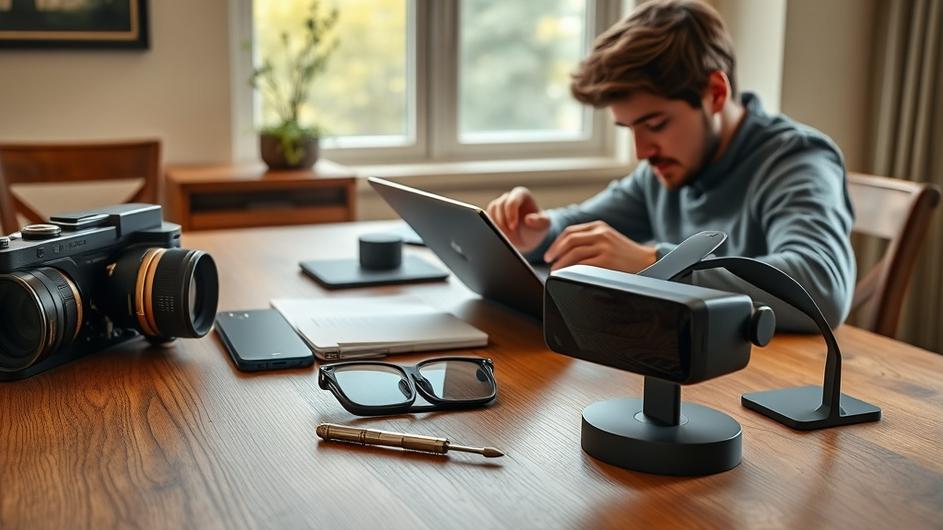
Take smartphone photography, where this divide is playing out in real time. At MWC 2026, Xiaomi made a statement by what it didn’t emphasize. Instead of pushing flashy AI modes or computational tricks, the company showed off upgrades to lenses, sensors, and mechanical design, including a special edition co-created with Leica. Angus Ng from Xiaomi put it bluntly, telling reporters the company is still focused on hardware limitations. Sure, software and AI are part of the package, but they’re not the star of the show.
That’s a different approach from rivals who increasingly treat photography as an AI problem, refining images through model stacking and heuristics after capture. As The Verge reported, Xiaomi believes camera hardware comes first.
Why does this distinction matter for everyday users and developers? Computational photography uses algorithms to fix optical flaws, expand dynamic range, and create detail that sensors didn’t actually capture. It’s been transformative, letting midrange phones produce images that would have required much larger cameras just a few years ago. But algorithms have their limits. A physically larger sensor captures more light. Better optics reduce aberrations. New focal systems unlock compositional possibilities that software can’t fully replicate.
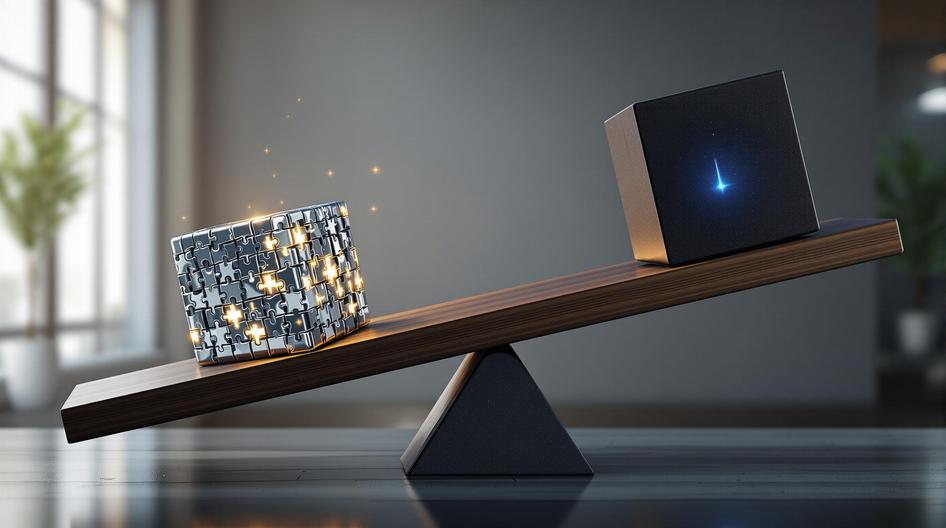
Xiaomi’s bet is pragmatic, there’s still room to improve the fundamentals and let software polish rather than compensate. Other companies have chosen the opposite route. When hardware iterations slow, they pursue rapid perceptual gains through software updates and model-driven features. The result can be dramatic improvements in image style, night performance, and computational zoom. Both approaches make sense, and we’ll likely see them continue in parallel.
| Approach | Philosophy | Key Players | Strengths | Trade-offs |
|---|---|---|---|---|
| Hardware-First | Physical improvements, better optics | Xiaomi, Leica | Superior light capture, optical quality | Higher cost, physical constraints |
| Software-First | Computational fixes, AI enhancement | Google, Samsung | Rapid updates, algorithmic magic | Computational artifacts, battery drain |
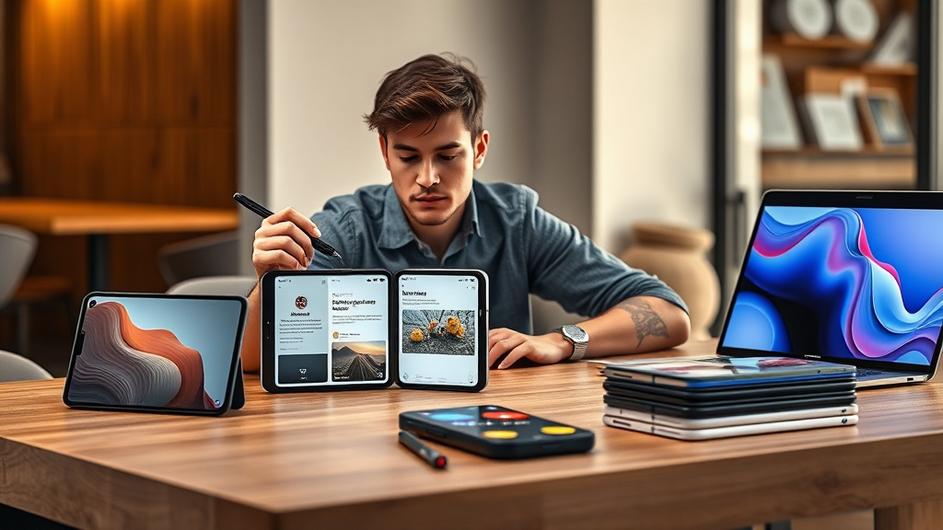
This hardware versus software tension extends beyond cameras to the very shape and purpose of devices themselves. Headlines like “The Future of Phones Is Weird” capture what’s happening. Vendors are experimenting with more than just colors and bezels. Foldables, chunky camera bars, and new sensor configurations might look odd today, but they’re prototypes for the next generation of interaction metaphors. CNET’s hands-on coverage has highlighted this exploratory phase where manufacturers test different compromises between durability, battery life, and novel features to see what consumers will actually adopt.
Apple’s MacBook Neo signals another hardware-driven shift, this time at the laptop level. It’s a deliberately budget-friendly, colorful machine that trades some premium finishes for accessibility and broad appeal. For developers and makers, the Neo shows how hardware segmentation addresses price sensitivity, education markets, and hybrid work needs. A lower-cost but thoughtfully engineered device can expand the install base for platform-specific software, creating new opportunities for apps that assume certain baseline capabilities.
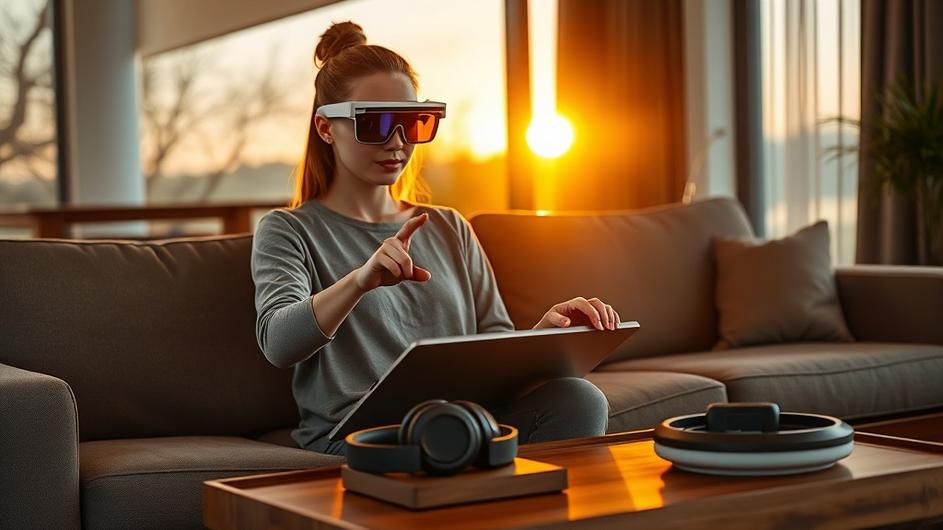
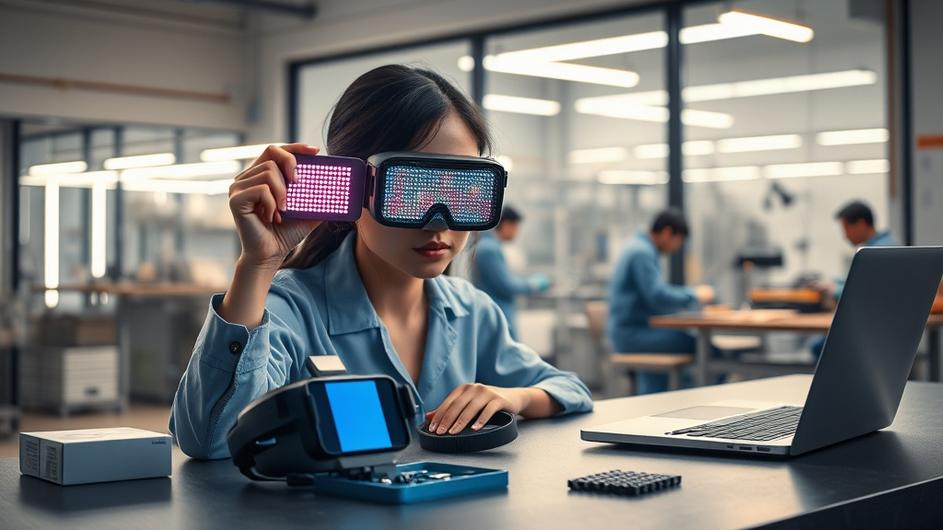
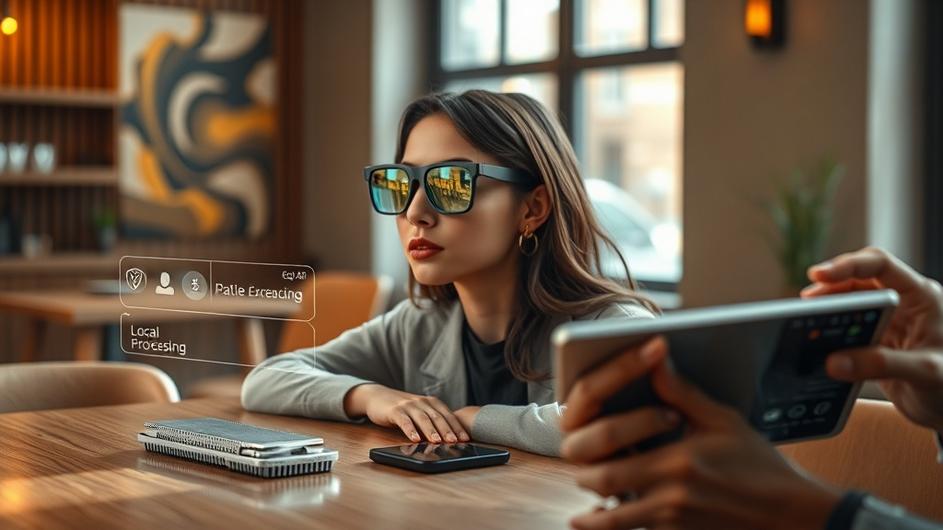
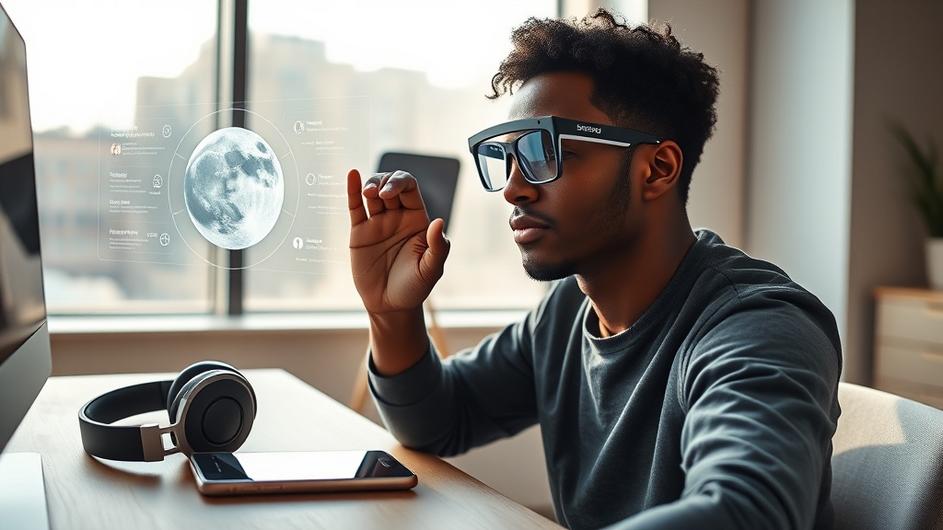
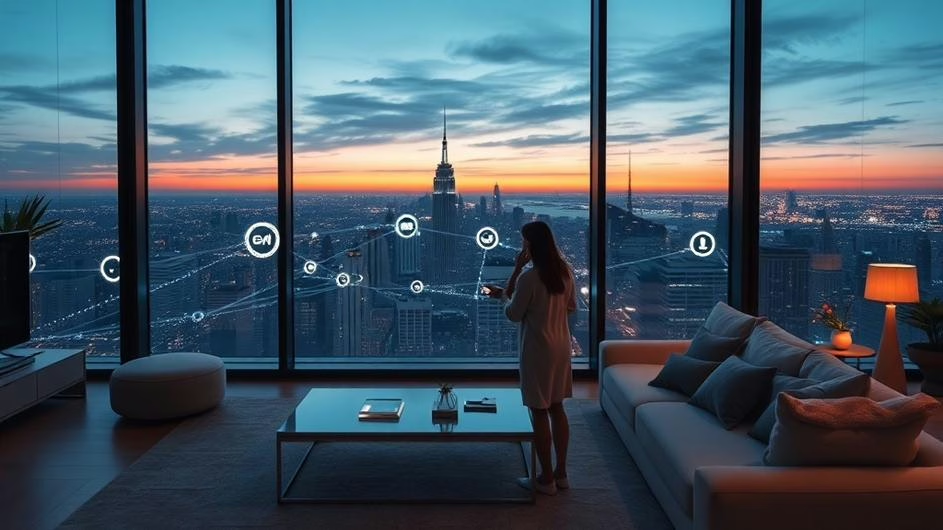
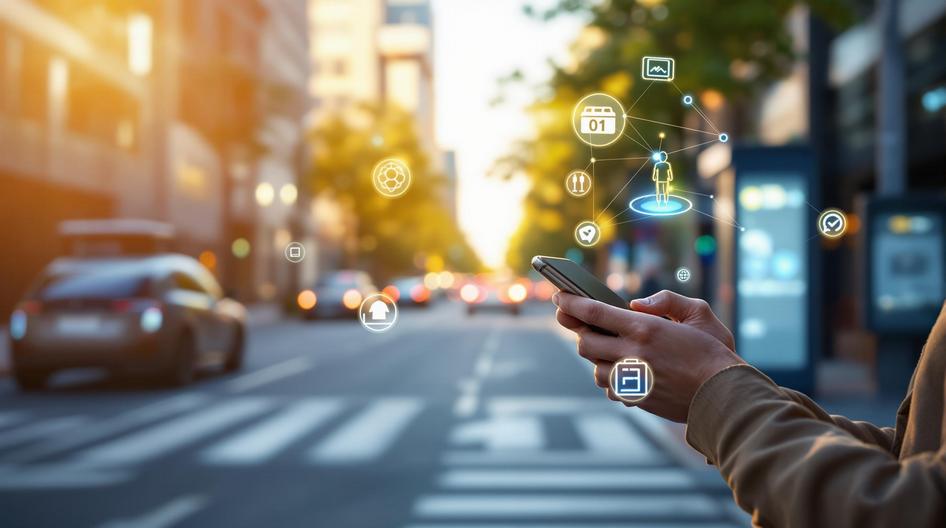
As our previous analysis noted, arguably the most consequential hardware frontier this year is augmented reality. Advances in displays, optics, and manufacturing are finally converging with practical price points. 2026 feels like the moment AR begins to break out of demo halls. Companies like Meta and Snap are pushing more consumer-oriented glasses, and the price signals matter. Meta and Ray-Ban’s product positioned around $799 suggests vendors are targeting a midrange market, not just high-end research labs. That pricing will influence who tries these devices and how developers design for them.
Expect two tiers to emerge. On one side are midrange, phone-paired AR glasses aimed at social and lightweight utility use cases, designs that prioritize wearability and camera-forward features. On the other side are higher-end headsets with stereo AR optics and higher-resolution microdisplays, intended for gaming, immersive media, and enterprise workloads. XGIMI’s stereo AR demos from CES hint at a future where a wearable presents a giant virtual screen for gaming or movie playback, a use case less about overlaying navigational data and more about replacing a physical monitor.
There are also interesting material and optical innovations in play. Apple’s so-called Liquid Glass lineage has re-entered conversations as a manufacturing lever for lighter, more compact optics. Liquid Glass is shorthand for techniques that shape and optimize lenses and waveguides with new materials, not a single proprietary trick. For developers, that means displays could get thinner, lighter, and less obtrusive, lowering the barrier to daylong wear.
These hardware improvements don’t make software redundant. Quite the opposite, they change what software can do. Higher fidelity sensors enable better input signals for computer vision, and richer displays create new UI affordances. Developers will need to adapt to different input models, from glanceable notifications in AR glasses to full-screen stereo spaces for immersive apps. At the same time, fragmentation rises because an app tuned for a Leica-grade camera will behave differently on a phone optimized for computational fixes.
So what does this mean for product teams and engineers building the next wave of tech? We’re looking at hybrid solutions where hardware and software integrate tightly, but the balance point varies by company and market segment. Modular thinking becomes crucial, designing features that degrade gracefully across devices while exploiting new sensor signals when available. The developer toolchain matters more than ever, as AR screens and new camera systems proliferate.
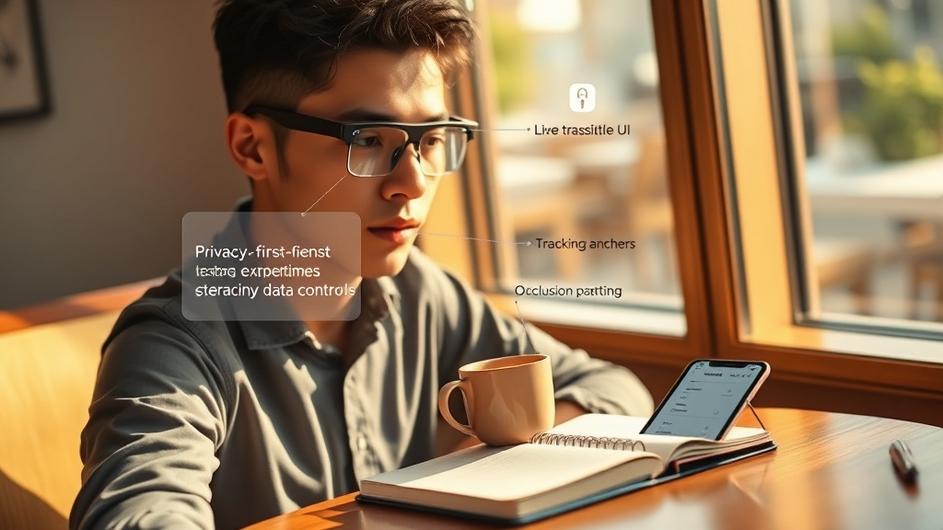
Privacy and experience considerations can’t be ignored either. More sensors and always-on wearables raise questions about social norms and data collection. Engineers should bake in transparency and consent by design from the start. Battery life, thermal constraints, and repairability will also shape how these devices get used at scale.
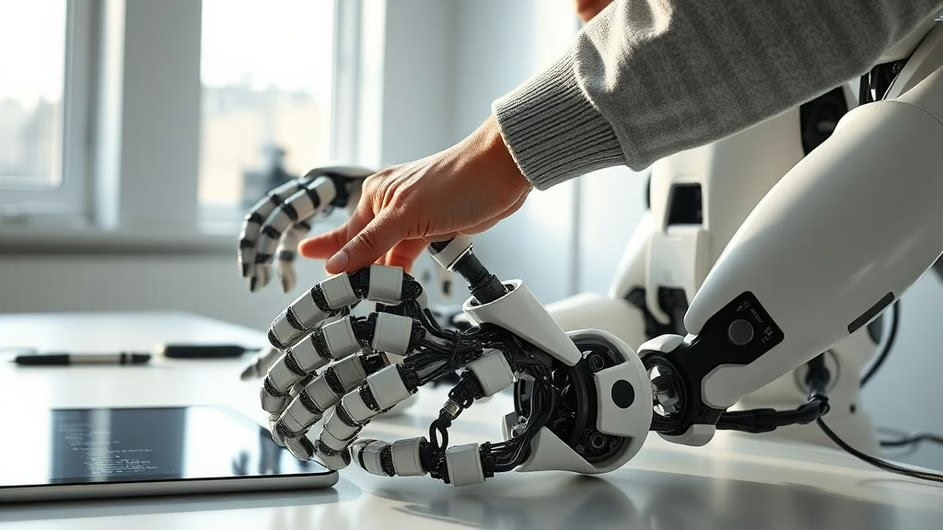
We’re in a period of hardware renewal, not hardware determinism. The most interesting products will fuse better optics, brighter and more efficient displays, and smarter models into cohesive experiences. Over the next 12 to 24 months, expect a proliferation of experiments, clearer product tiers in AR, and phones that look weirder as manufacturers chase new user interactions. For developers, this is a generative moment to rethink interfaces with new signals and build software that embraces, rather than replaces, better hardware.
The future won’t be decided by silicon or software alone. It’ll be written where both meet. That intersection is where we’ll find the next generation of delightful, surprising, and genuinely useful devices. As the device momentum builds through 2026, we’re seeing hardware reassert its importance while software learns to work with it rather than around it.
Sources
- Xiaomi, unlike Google and Samsung, thinks camera hardware comes first, The Verge, 03 Mar 2026
- The Future of Phones Is Weird, CNET, 07 Mar 2026
- Apple Gets It Right! Hands-on with MacBook Neo, CNET, 06 Mar 2026
- 7 AR Devices And Company Shifts Dropping In 2026 That Will Surprise Buyers, Glass Almanac, 06 Mar 2026
- 7 AR Glasses In 2026 That Reveal Price, Leaks, And One Surprising Feature, Glass Almanac, 09 Mar 2026
- 2026 Hardware Moment: From Apple Refreshes to Snap’s Specs and the Year AR Goes Mainstream, Tech Daily Update