2026 Hardware and AR, Where Phones Hold the Key and Prices Tell the Story
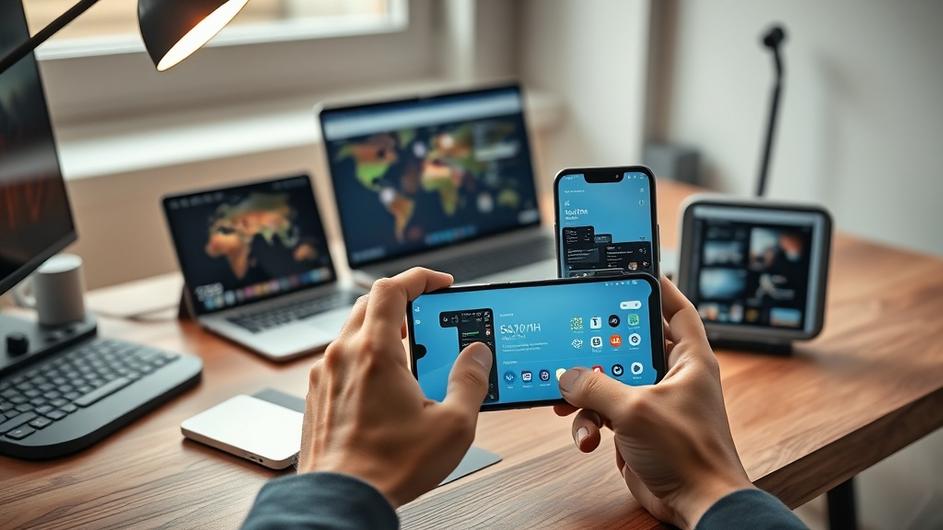
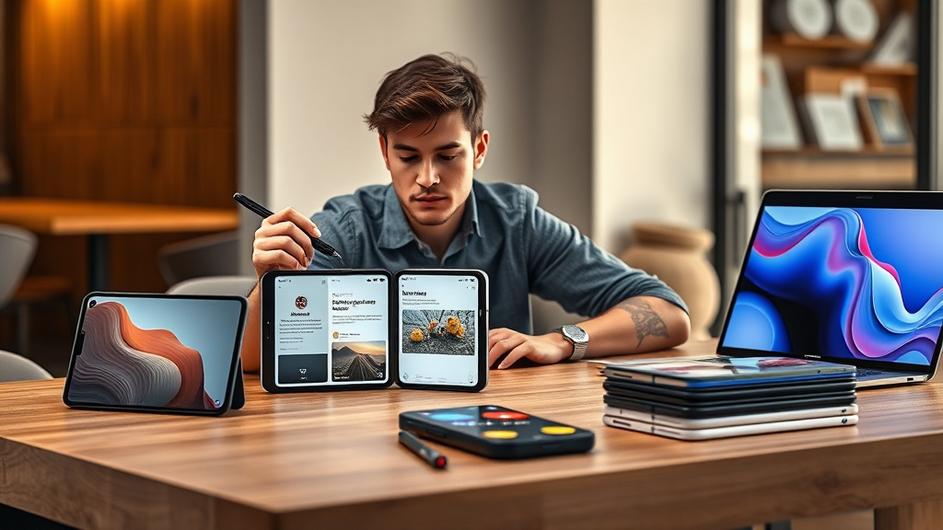
This spring feels different for consumer tech. It’s one of those hinge moments where everything seems to be pushing and pulling in new directions at once. Flagship phones are getting more polished, midrange pricing is shifting upward, and augmented reality is finally moving from exotic demos toward something you might actually use every day. Samsung and Xiaomi just staged their traditional phone theater with new devices and features, while reports from CES and MWC show AR hardware getting serious about everyday utility.
The common thread here is pretty clear. Phones remain the central hub of our digital lives, but how they connect to wearables and headsets will determine which experiences actually scale and which ones stay niche curiosities.
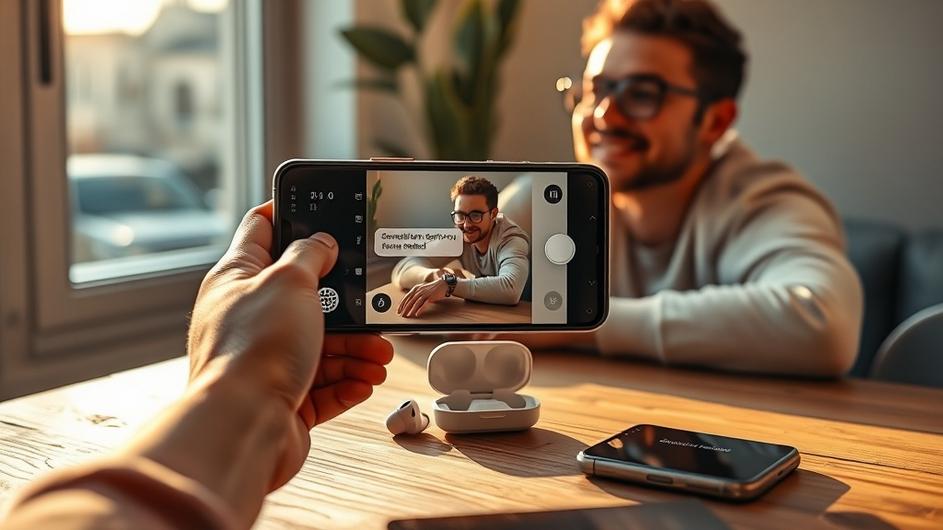
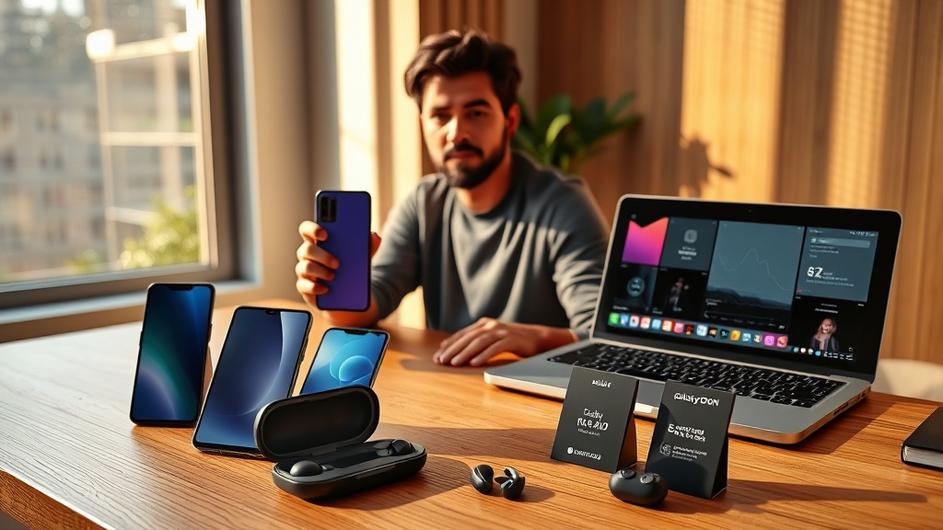
Samsung set the tone with its Unpacked announcements, introducing the Galaxy S26 family alongside audio upgrades and a feature they’re calling Privacy Display. That feature narrows who can clearly read your screen, reducing shoulder surfing by limiting viewing angles. It’s a small change that forces designers to rethink UI contrast and notification delivery. Samsung also refreshed its earbuds and wearable accessory lines, signaling that the company expects users to move fluidly between phone, audio, and visual surfaces. You can read more about Samsung’s broader hardware strategy in our coverage of Samsung Unpacked 2026 and the new hardware landscape.
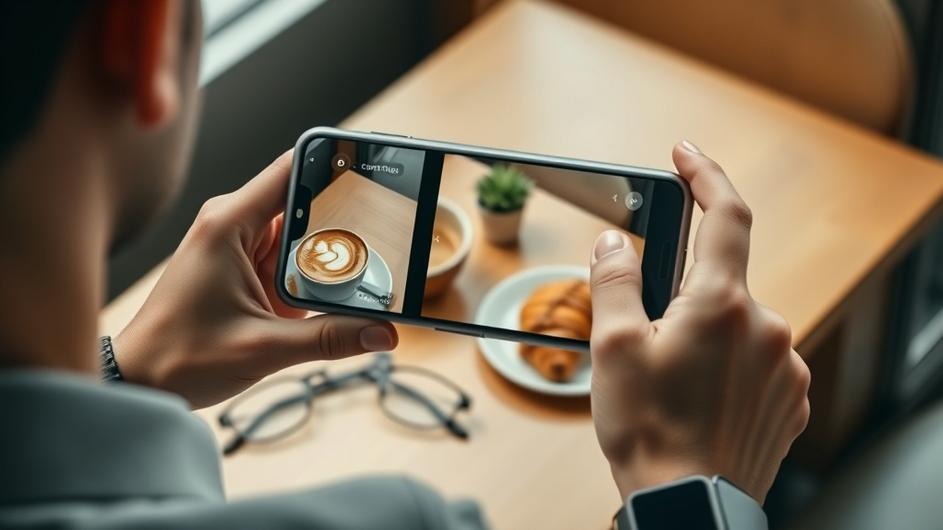
At the same time, Xiaomi used Mobile World Congress to flex its camera and imaging chops with the 17 Ultra, reminding everyone that flagship photography continues to be a key differentiator. The company’s focus on imaging excellence shows how competitive the high-end smartphone market remains, even as other form factors emerge.
Those flagship moves matter, but the real story might be happening in the midrange. A recent leak around Samsung’s upcoming Galaxy A37 and A57 suggests steeper starting prices than their predecessors. For buyers who value bang for buck, a price increase of 50 to 60 euros isn’t trivial. For product teams, it matters even more.
Midrange phones drive volume. They host the majority of active Android devices, and they anchor expectations for app performance, feature parity, and platform telemetry. When pricing shifts upward, developers and product managers should expect a gradual rise in baseline hardware capabilities, but also a wider variance in installed silicon as some buyers continue to prioritize cost over specs. It’s a balancing act that will shape the Android ecosystem for years to come.
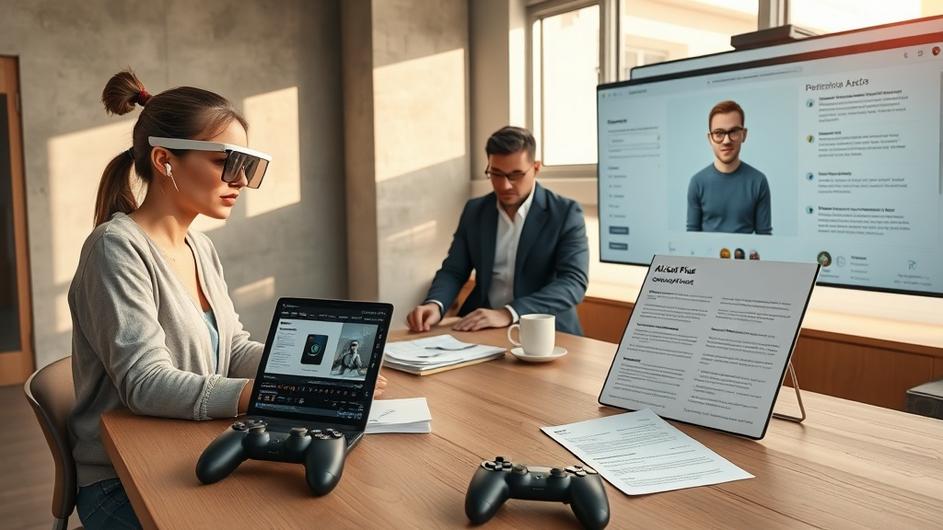
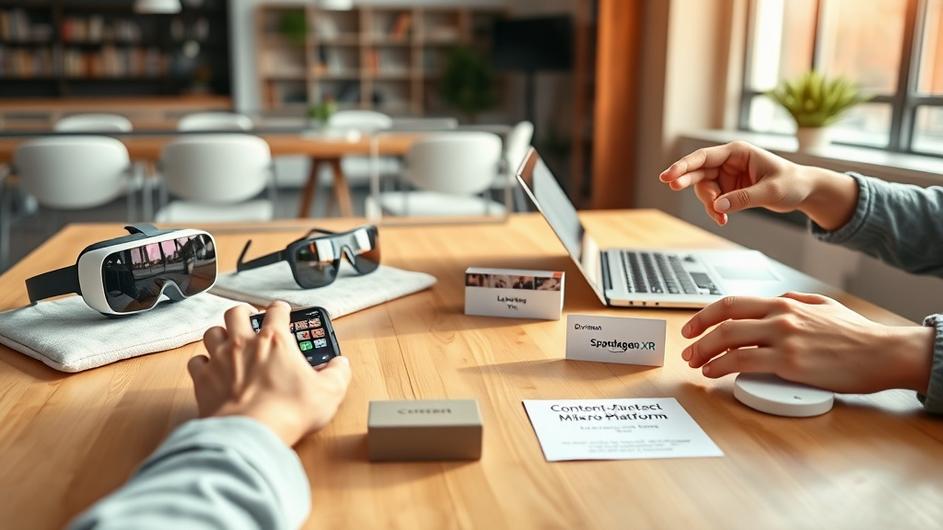
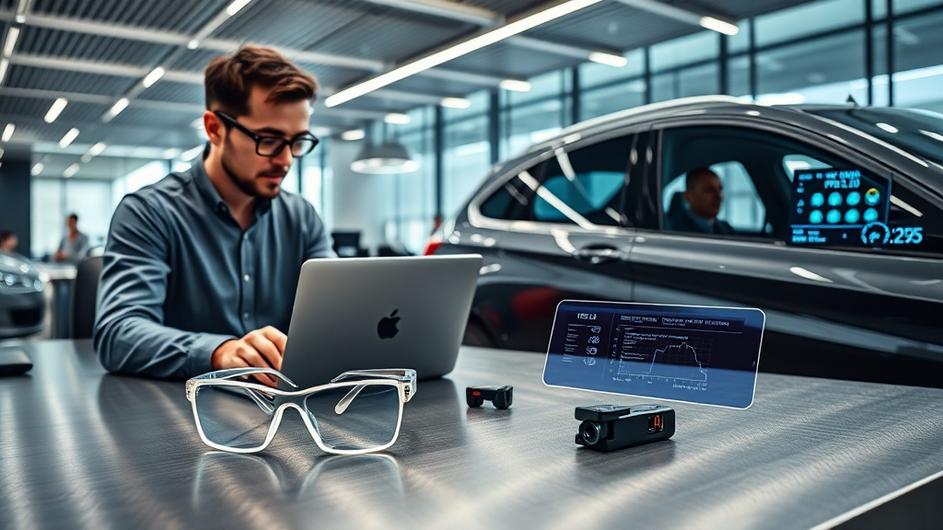
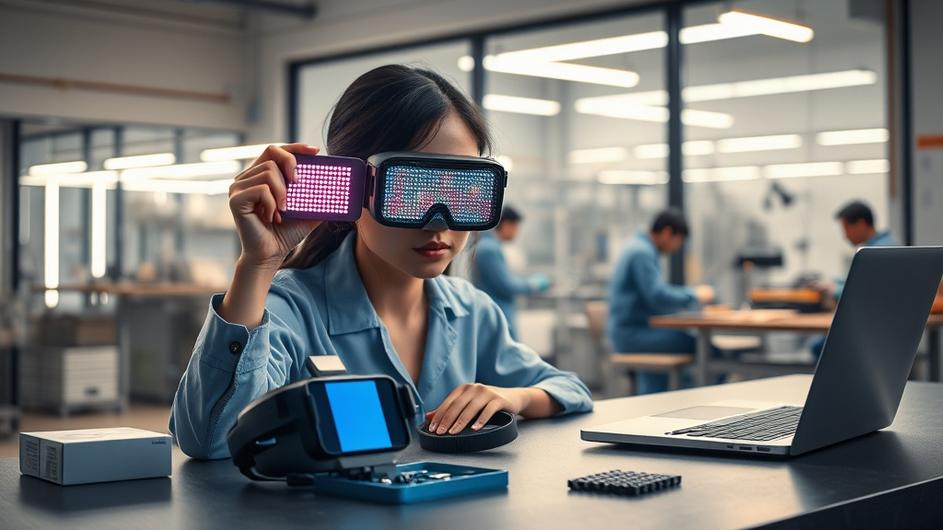
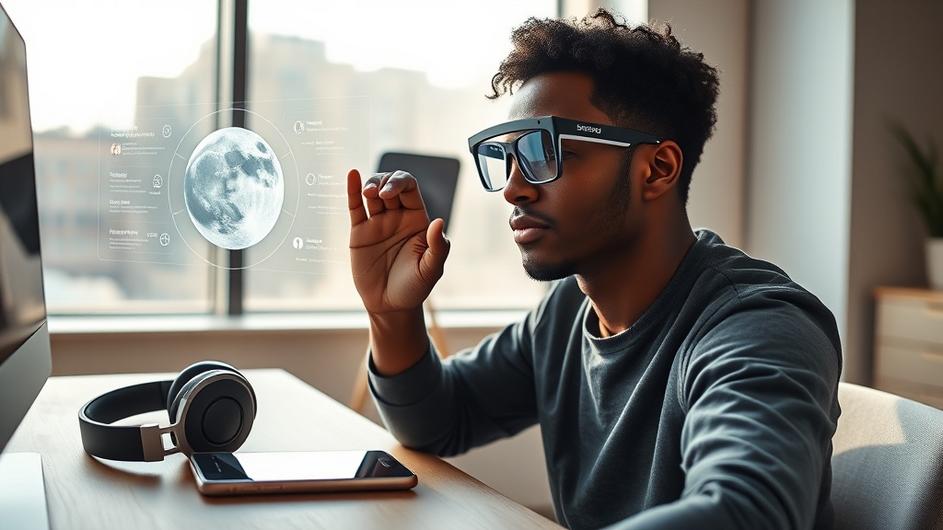
Parallel to all this phone news, augmented reality hardware is moving from proof of concept to a pragmatic product cycle. Reports from Glass Almanac and others describe a surprising crop of AR devices in 2026, from lower-cost personal cinema glasses to gamer-oriented headsets with higher refresh rates, and renewed enterprise-focused XR offerings. XR is shorthand for extended reality, a blanket term that includes virtual reality and augmented reality, where digital content overlays or replaces the physical world.
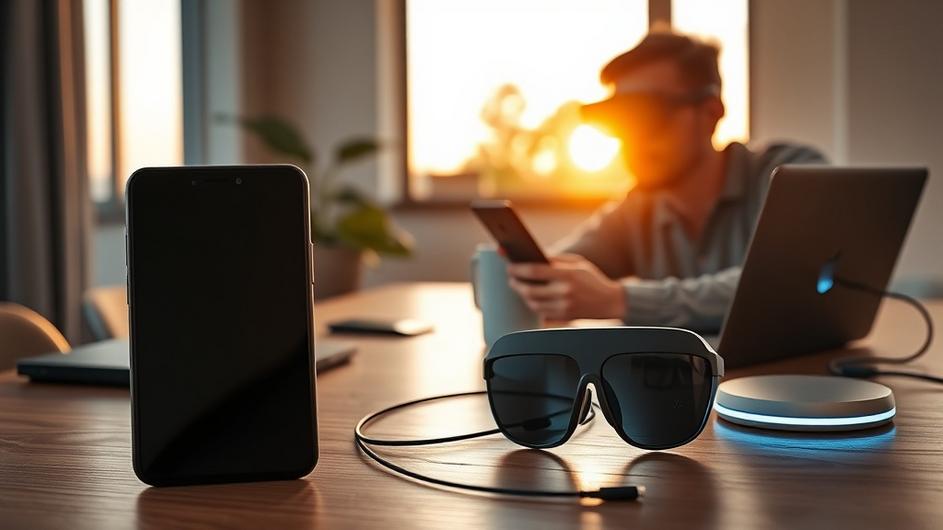
The notable shift this year is how many vendors are choosing phone-tethered architectures instead of fully standalone headsets. It’s a strategic pivot that acknowledges where the real computing power already lives, in our pockets. For more on how AR is evolving, check out our analysis of why AR hardware growth and beauty marketing are converging.
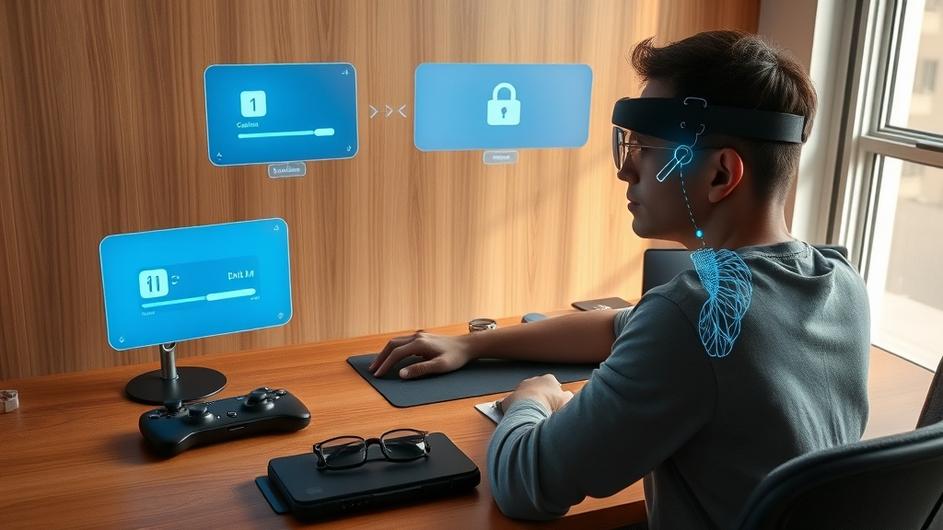
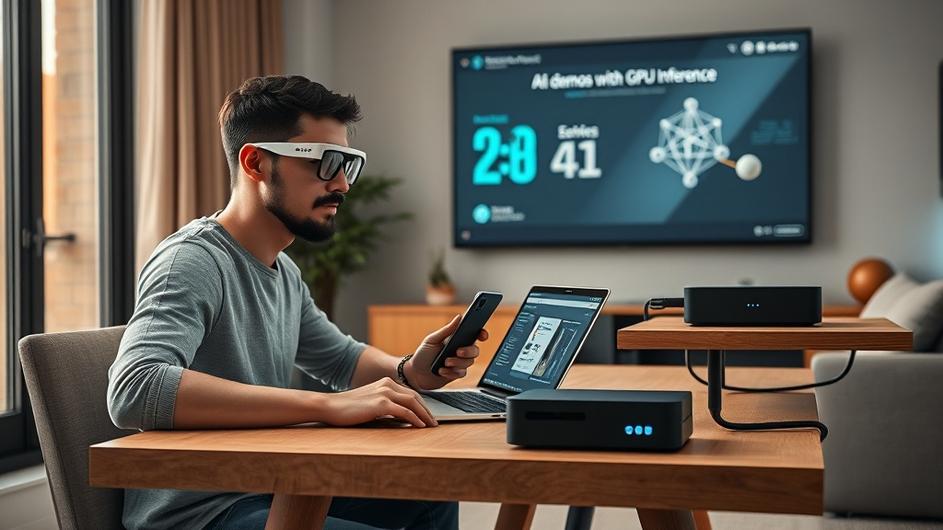
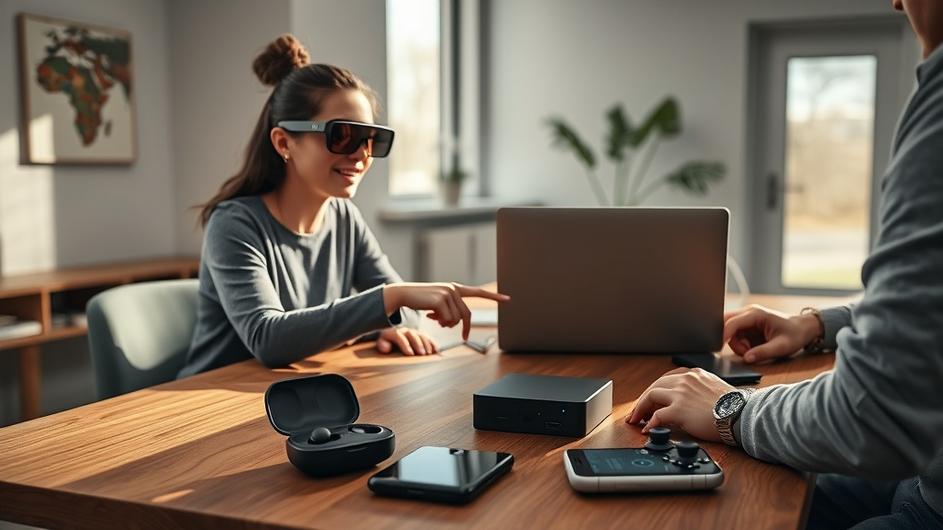
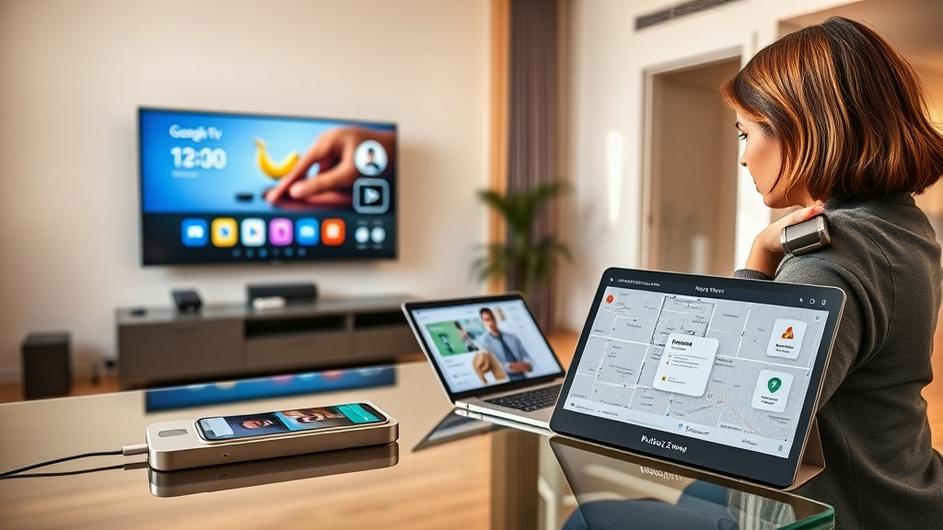
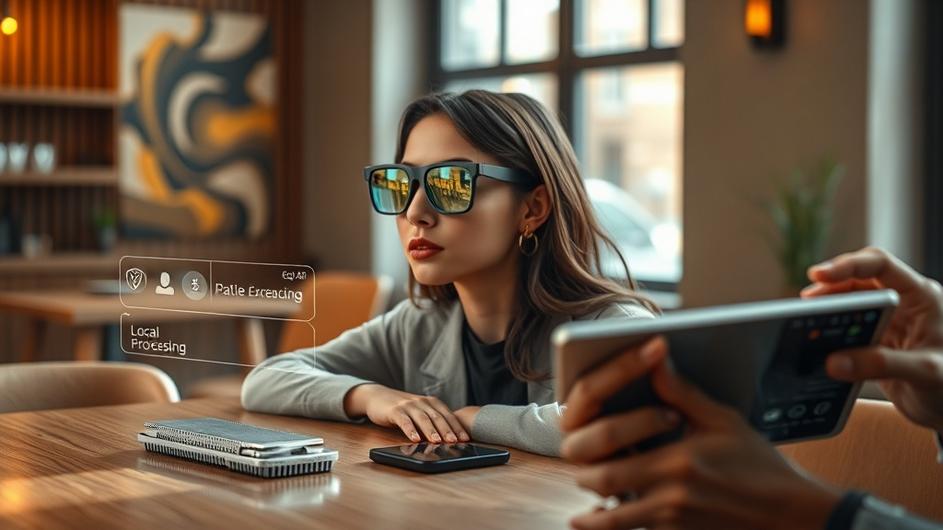
Google’s Project Aura, developed in partnership with Xreal, exemplifies this phone-centric approach. By leaning on the phone for compute and networking, these systems can be lighter, cheaper, and more power efficient. That design choice creates a new set of engineering trade-offs though. Developers must now optimize for split workloads where the phone handles AI inference or scene reconstruction, while the glasses handle display rendering and sensors.
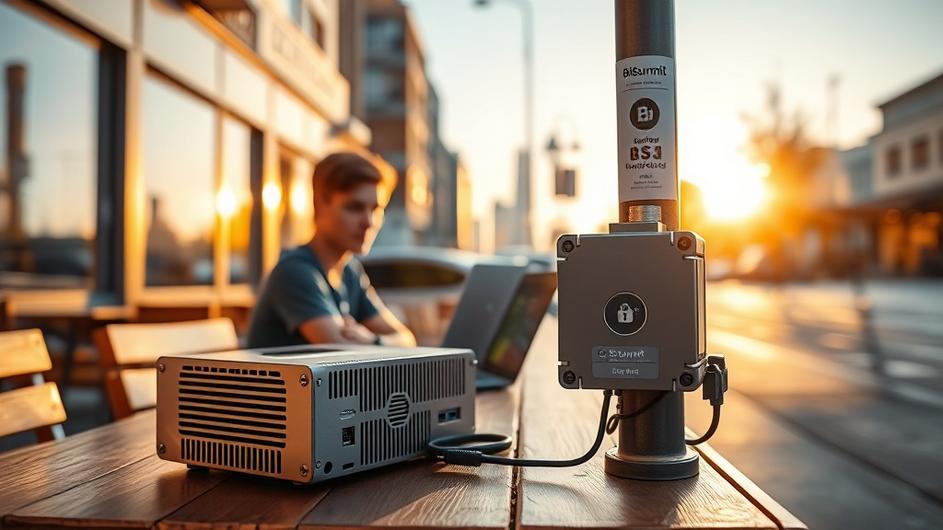
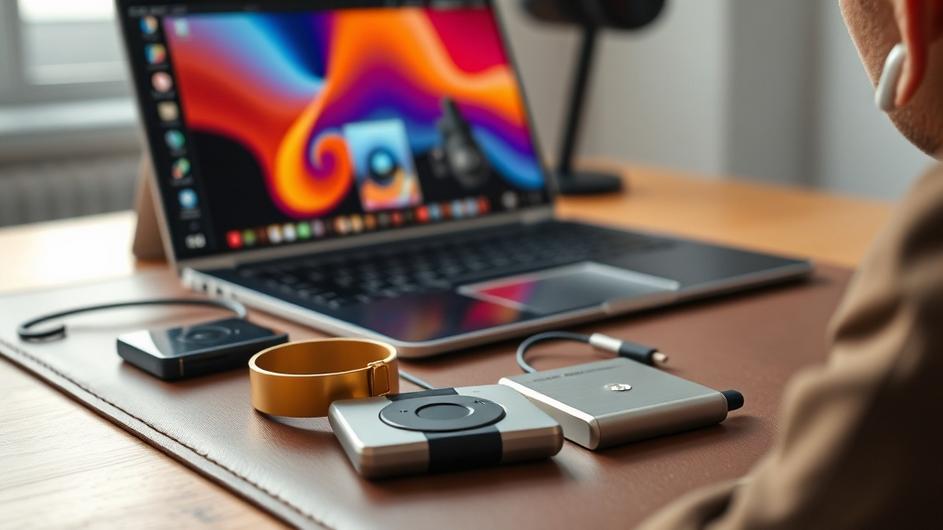
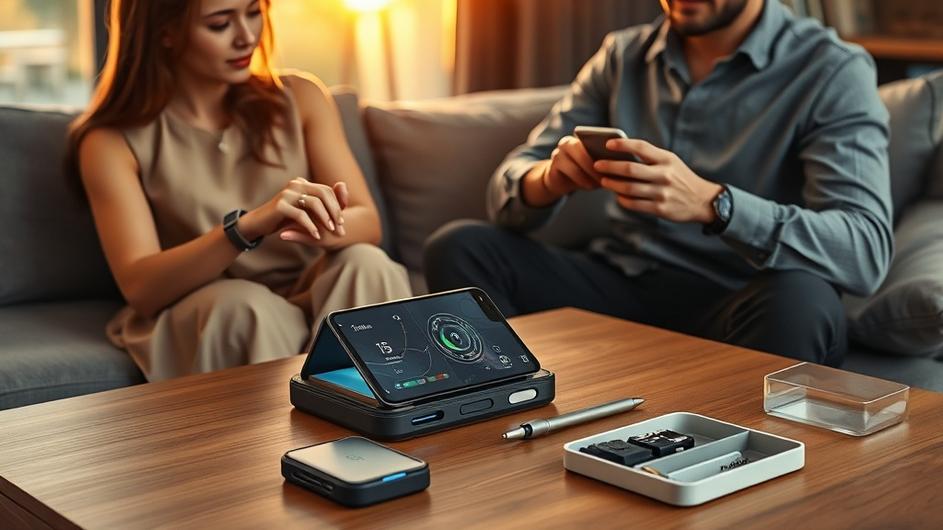
That split places latency and bandwidth considerations at the top of the technical stack, and it makes battery innovations like the Xreal Neo dock critical. Daily AR usage is constrained more by power than compute alone, which is why accessory ecosystems are becoming just as important as the core hardware.
Price signals tell an equally important story. Meta’s Ray-Ban Display listed at $799 indicates a clear segmentation between midrange smart glasses and expensive enterprise headsets. When companies bifurcate the market like this, product planners and app developers need to position experiences accordingly. Lightweight social-first AR, like camera filters and ephemeral messaging, will target cheaper, fashion-forward glasses. Deeper spatial computing, with persistent 3D objects and complex collaboration features, will aim at pricier headsets with more sensors and battery life.
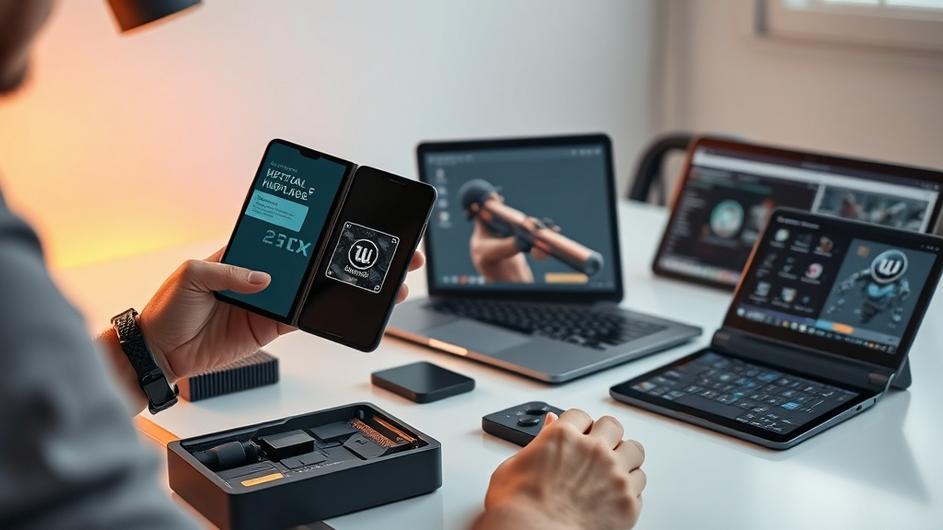
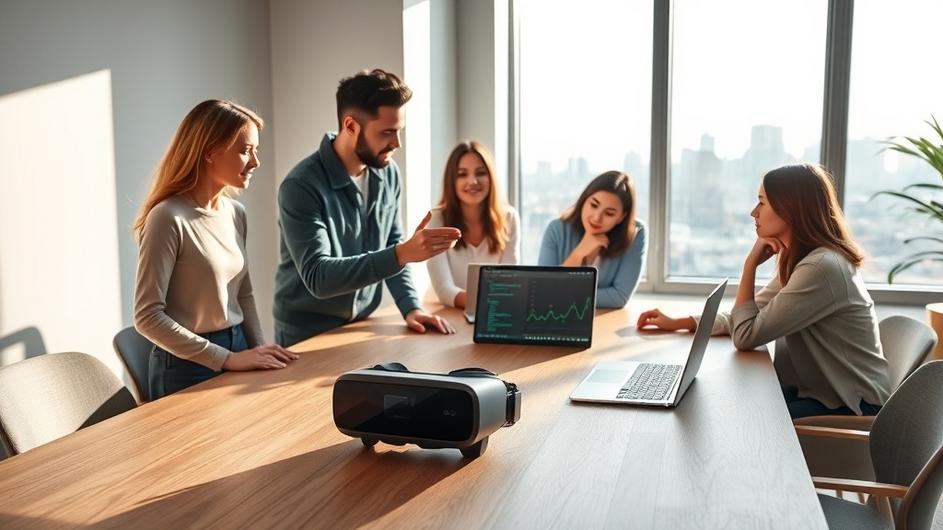
So what does all this mean for developers building for mobile, AR, or both? The landscape is getting more heterogeneous, not less. You can expect a continuum from low-power phone-tethered glasses with simple displays to full XR headsets with high-refresh panels and onboard processing. Keeping latency budgets tight is crucial, because perceptual discomfort grows quickly when overlaid visuals lag head motion.
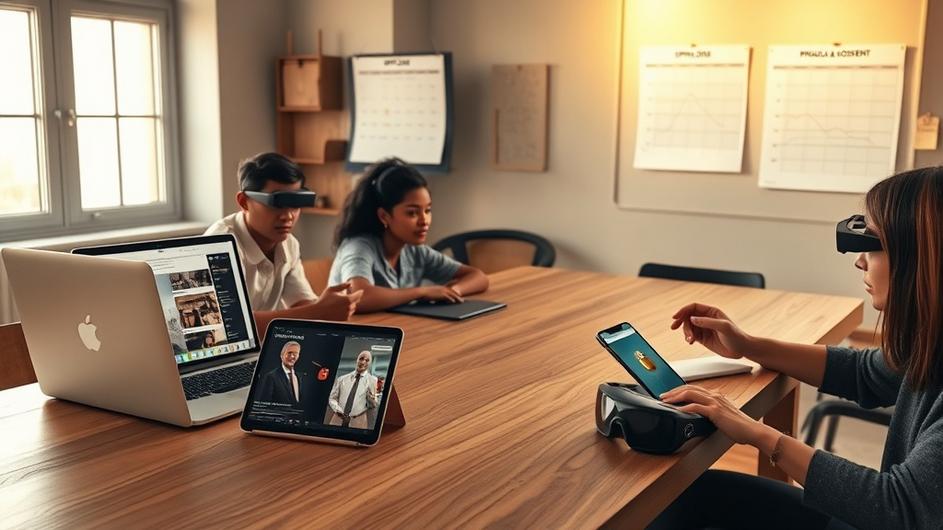
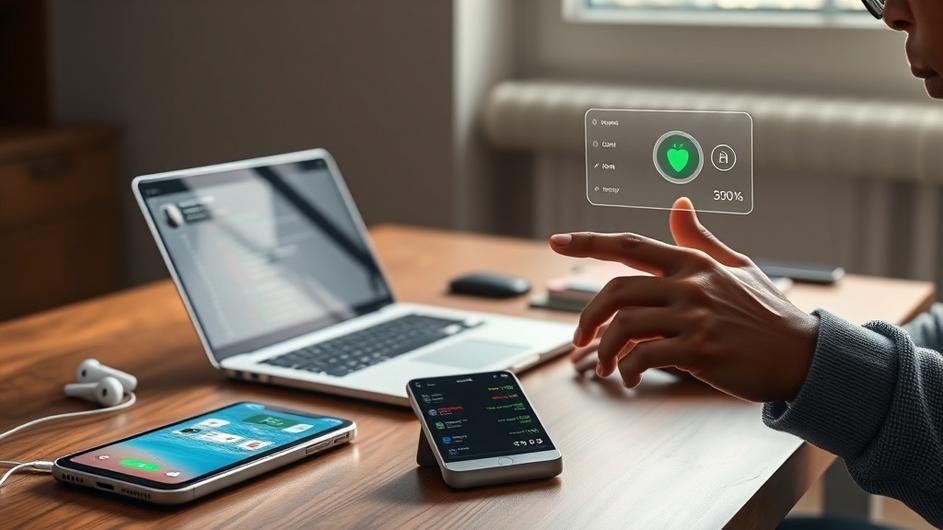
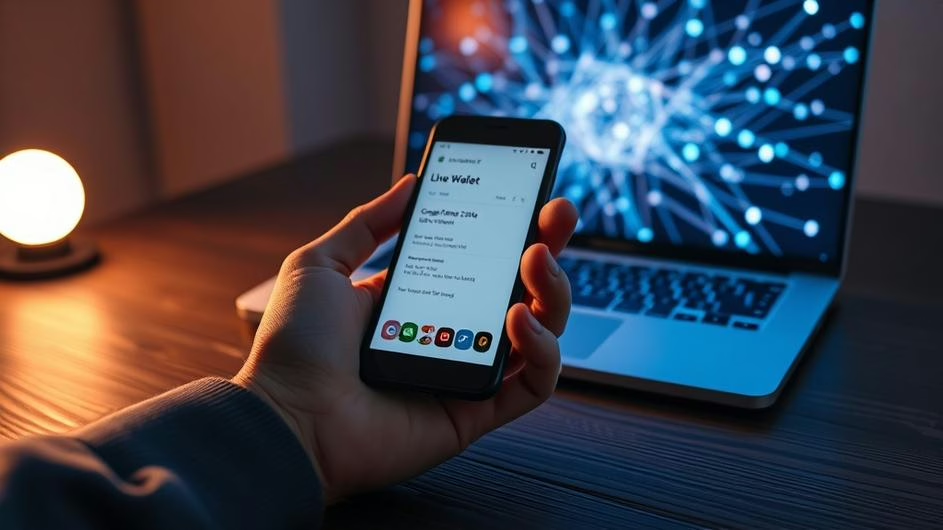
Optimizing for intermittent connectivity and power is another must. Docking accessories and battery packs will become part of the recommended hardware profile for longer sessions, so surfacing graceful degradation when the device is running on reserve becomes a key UX consideration. And you’ll need to anticipate cross-device interaction models, where phone UIs act as configuration and content authoring surfaces, while glasses become the consumption canvas.
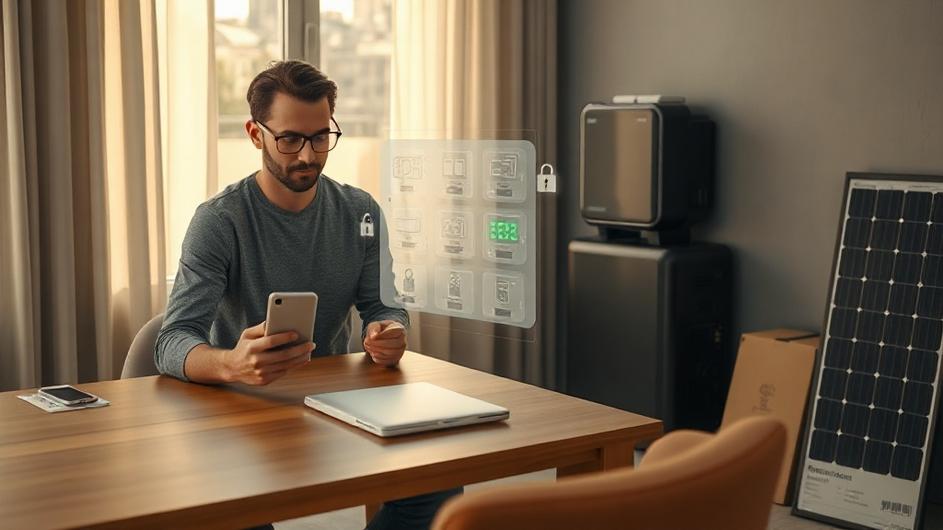
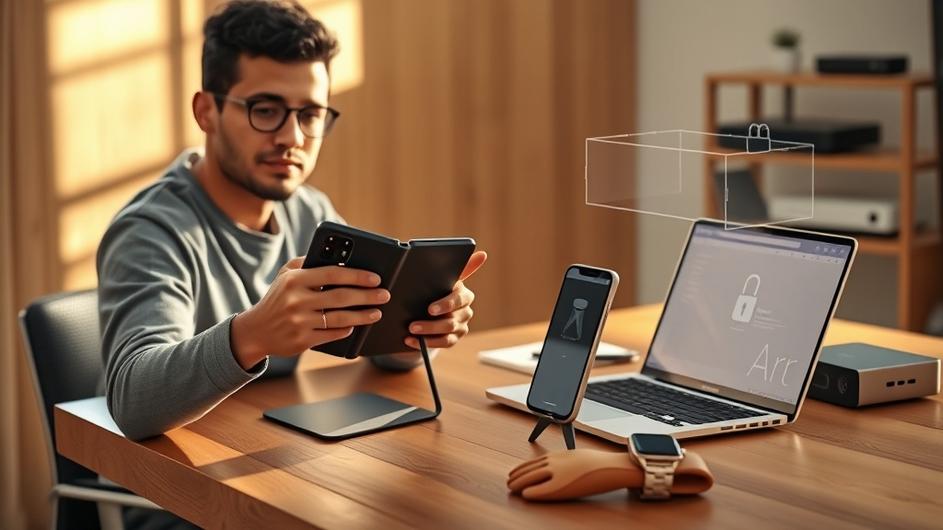
Privacy and UX implications deserve special attention too. Features like Samsung’s Privacy Display change how and where users can safely view sensitive information. Notification design, ambient displays, and authentication flows need rethinking to avoid exposing private content in public, while still keeping apps responsive. For AR, the presence of cameras and microphones raises additional trust questions, so transparent permissions and clearly visible status indicators should be treated as first-class features, not afterthoughts.
The interplay between prices and capabilities will influence which scenarios reach mainstream adoption. Higher midrange prices may accelerate the baseline hardware available to consumers, enabling richer AR experiences on more devices. Conversely, cheaper AR glasses and phone-tethered headsets lower the entry barrier for everyday use, especially in contexts like personal media, lightweight gaming, and workplace collaboration. As we noted in our look at how early 2026 hardware signals the next wave of consumer tech, these pricing shifts aren’t happening in a vacuum.
Looking ahead, the next 12 to 24 months are likely to be defined by convergence rather than replacement. Phones will continue to refine sensors, compute, and connectivity, while glasses and headsets take advantage of that foundation to expand visual computing into daily workflows. For developers, this is a moment to invest in cross-device engineering patterns, to optimize for power and latency, and to treat privacy as a core product value. For product leaders, it’s time to decide whether to pursue depth with high-end spatial apps, breadth with social and media-first experiences, or a hybrid approach that gracefully adapts to whatever device a user brings to the table.
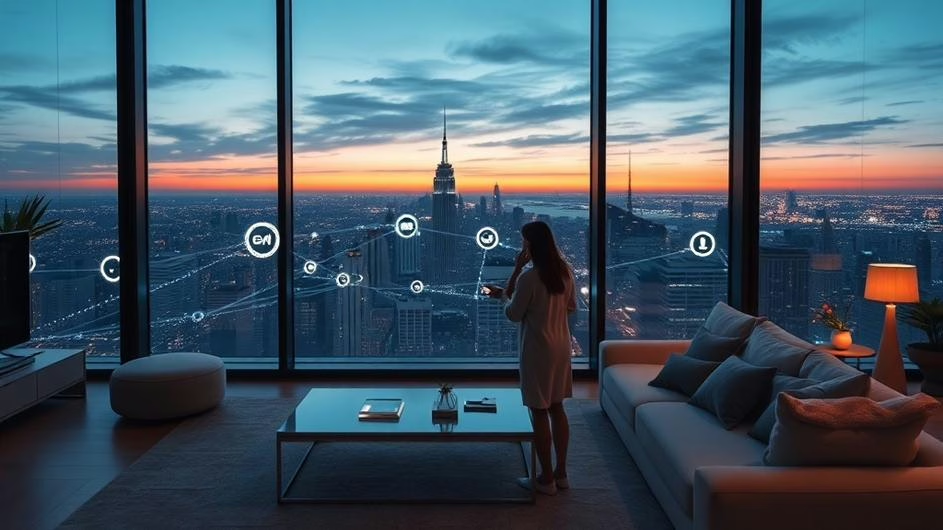
The current wave of announcements and leaks shows an industry moving beyond standalone showmanship toward a more practical ecosystem, where phones, wearables, docks, and headsets form a coordinated stack. That stack will determine which new interactions become useful, which fall flat, and which open unexpected opportunities for creators and engineers. The tools are arriving, the prices are reshaping expectations, and the design challenges are clear. The next breakthroughs will come from teams who can think across devices and constraints, translating hardware variety into reliable, delightful user experiences.
But here’s the question worth asking: Are we building for the hardware we have, or the hardware we want? The answer probably lies somewhere in between, in that messy middle ground where practical constraints meet ambitious vision. That’s where the most interesting tech usually gets built anyway.
For developers watching these trends, the message is clear. Start thinking about your apps as multi-surface experiences now, because the device landscape is only going to get more complex. Test on midrange hardware, not just flagships. Consider power consumption as a first-class design constraint. And maybe most importantly, remember that all this fancy hardware exists to serve human needs, not the other way around.
The AR devices coming in 2026 might surprise us, but they won’t change the fundamental rules of good product design. They’ll just give us new canvases to work with, and new constraints to navigate. That’s exciting, but it’s also a reminder that the basics still matter. Clear value propositions, thoughtful UX, and respect for user privacy will determine which of these new devices actually stick around.
As we explore in our coverage of how 2026’s mobile wave is rewriting devices, cameras, and AR, this moment represents more than just incremental upgrades. It’s about rethinking how different pieces of hardware work together. And as detailed in our analysis of 2026 tech momentum from AR glasses to tiny chips, the changes happening now will ripple through the entire ecosystem for years to come.
Staying grounded in those fundamentals might be the smartest move any developer or product team can make. After all, the best hardware in the world is useless without software that people actually want to use. And that’s a lesson that never goes out of style, no matter how fancy the glasses get.
Sources
- Samsung Galaxy A37 and A57 pricing leak reveals heavier MSRPs, Notebookcheck, Tue, 03 Mar 2026
- 7 AR Devices in 2026 That Surprise Fans, Here’s What Changes, Glass Almanac, Thu, 05 Mar 2026
- Everything announced at Samsung Unpacked 2026: Galaxy S26 Ultra, Privacy Display, Buds 4 Pro, ZDNET, Fri, 27 Feb 2026
- Xiaomi’s 17 Ultra Mobile World Congress 2026 Reveal, CNET, Mon, 02 Mar 2026
- 7 AR Devices And Company Shifts Dropping In 2026 That Will Surprise Buyers, Glass Almanac, Fri, 06 Mar 2026