Agents, Glasses, and Sensors: How AI Is Moving from Cloud Models to the Physical World
Remember when artificial intelligence was mostly something academics debated in research papers? That era’s over. Today, AI isn’t just analyzing data in some distant server farm, it’s driving tractors through fields and helping tourists navigate foreign cities through smart glasses. Two recent developments make this shift impossible to ignore. First, there’s solid market research showing sustained investment in AI for precision agriculture. Second, Meta’s latest earnings call dropped hints about conversational AI agents and wearable devices becoming everyday tools. Together, they’re painting a clear picture: AI is leaving the cloud and entering our physical reality.
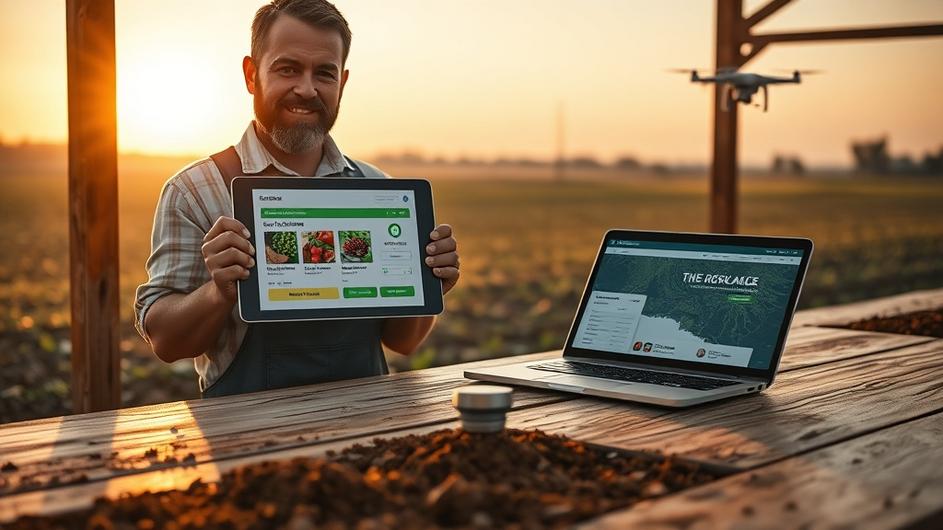
When Drones Become Farm Managers
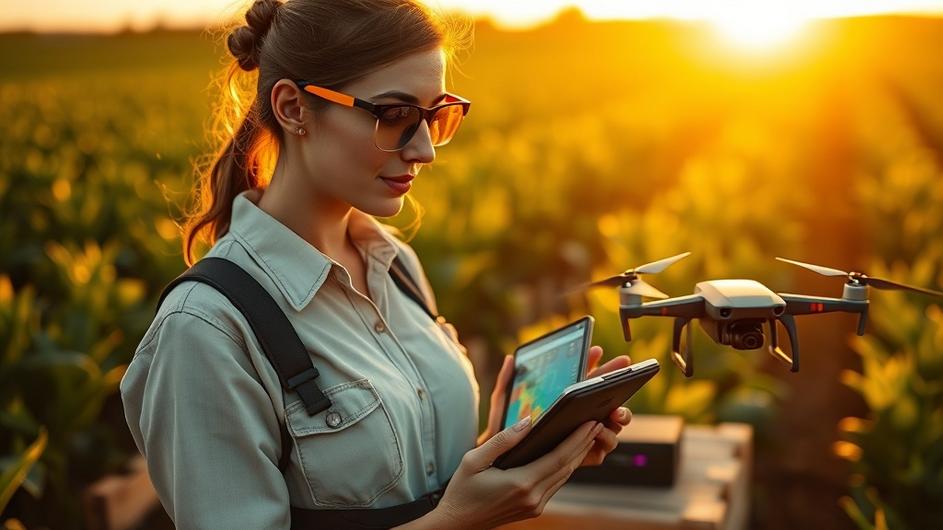
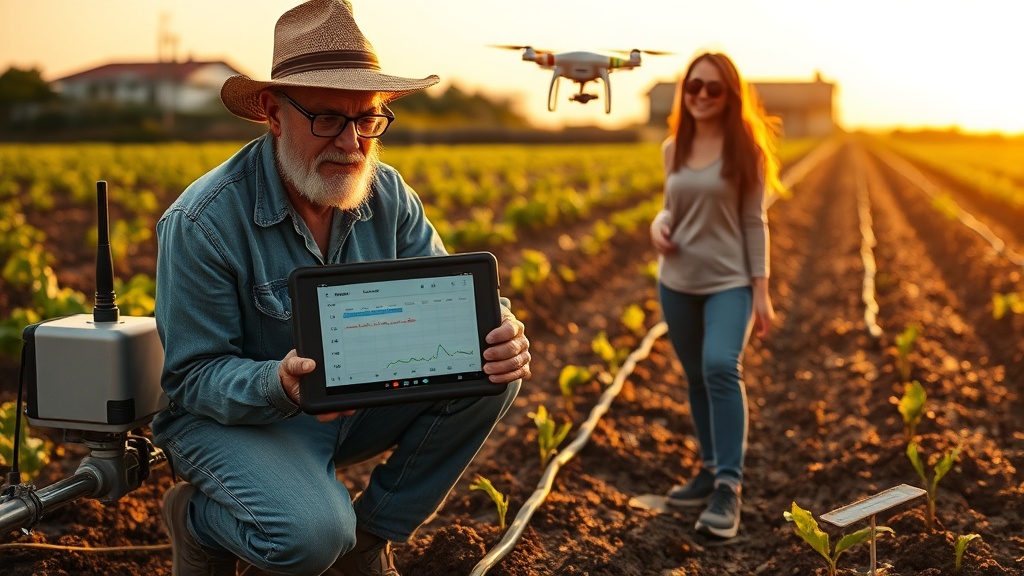
Precision agriculture shows what happens when AI gets real-world responsibilities. We’re talking about systems that combine machine learning, computer vision, and predictive analytics to monitor crops, predict yields, analyze soil, manage irrigation, and detect pests. Satellites, drones, and ground sensors collect imagery and data, computer vision spots plant stress, and predictive models turn those signals into actionable advice for farmers.
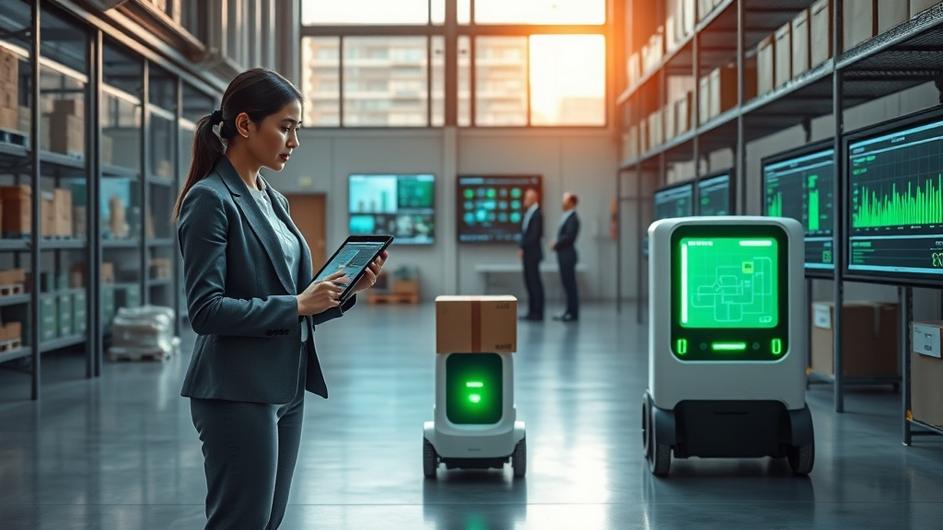
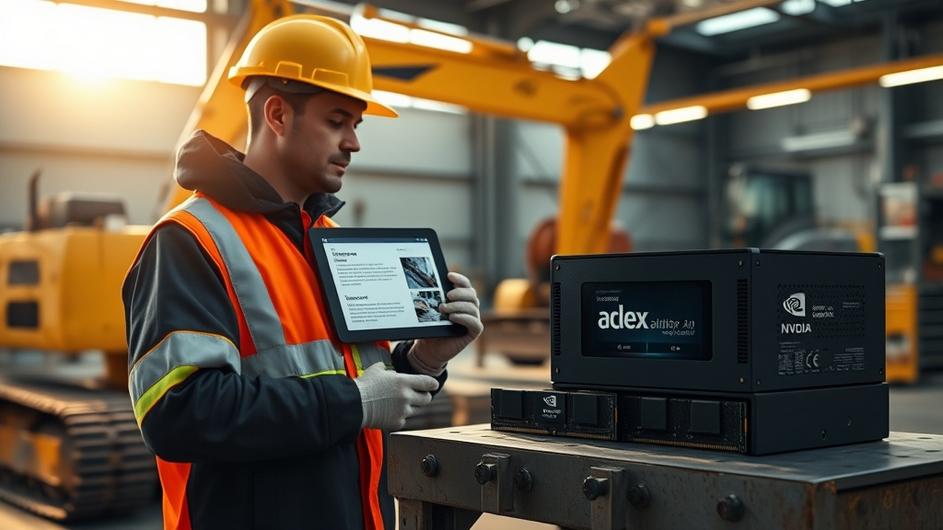
What’s the technical lesson here? Precision agriculture is essentially a massive sensor fusion challenge. Models have to work with messy, varied data, often with spotty connectivity. This creates two big requirements for developers. Inference needs to happen efficiently at the network edge, on drones or local gateways, to cut down on latency and bandwidth use. Training pipelines must handle sparse labels, seasonal changes, and class imbalances, which makes tools like transfer learning and synthetic data generation incredibly valuable.
It’s not so different from what we’ve seen in other real-world AI applications. The move from cloud-based analysis to edge-based action is becoming a defining pattern across industries.
Smart Glasses and Conversational Commerce
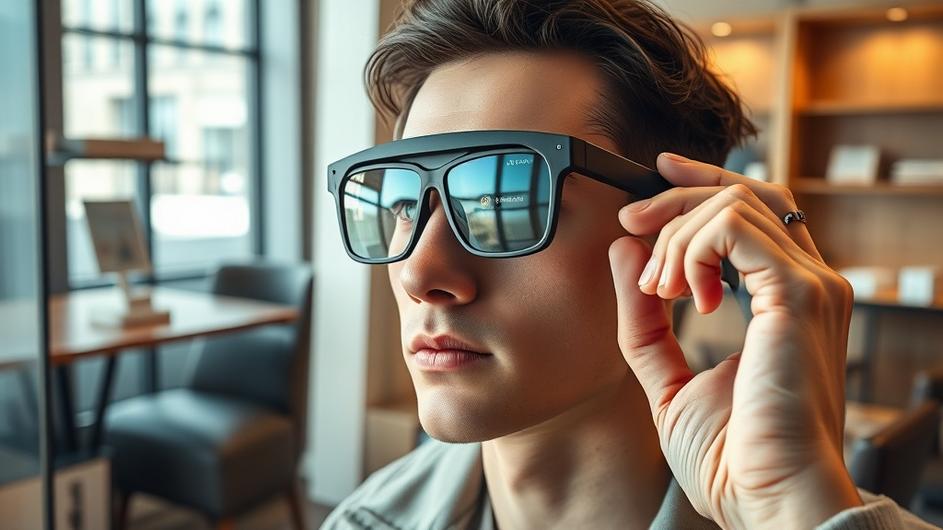
While farmers are using AI to grow food, consumer tech is pushing intelligence into different kinds of physical interactions. Meta’s recent commentary highlighted four shifts that matter far beyond social media: better marketing attribution, AI agents for conversational commerce, wearable smart glasses that capture real-world experiences, and scalable content localization.
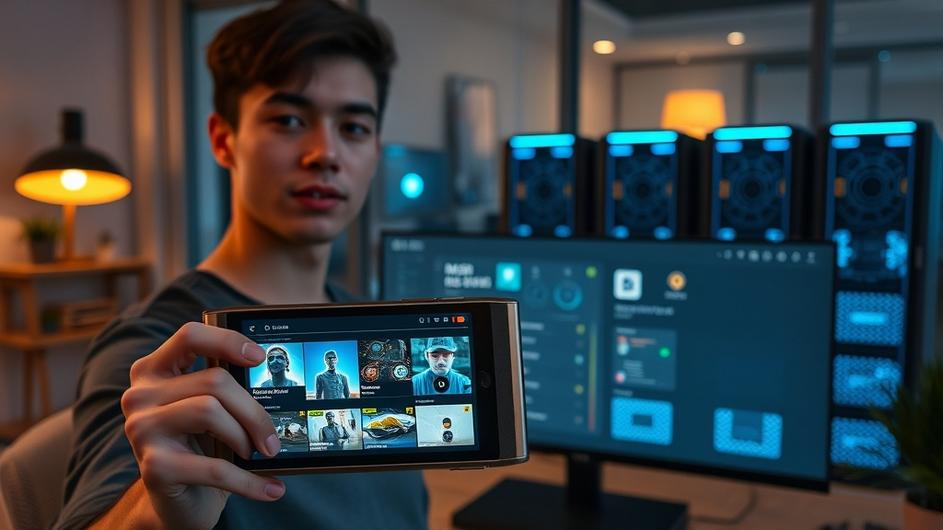
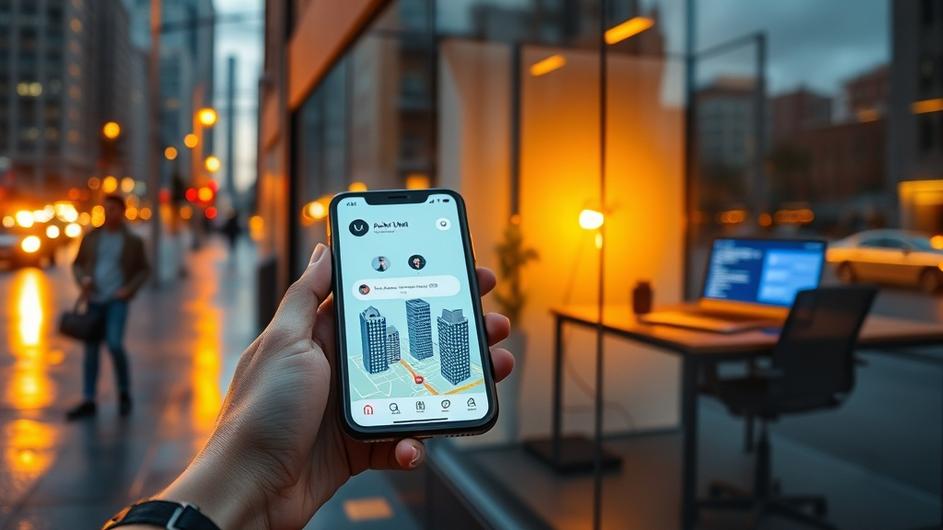
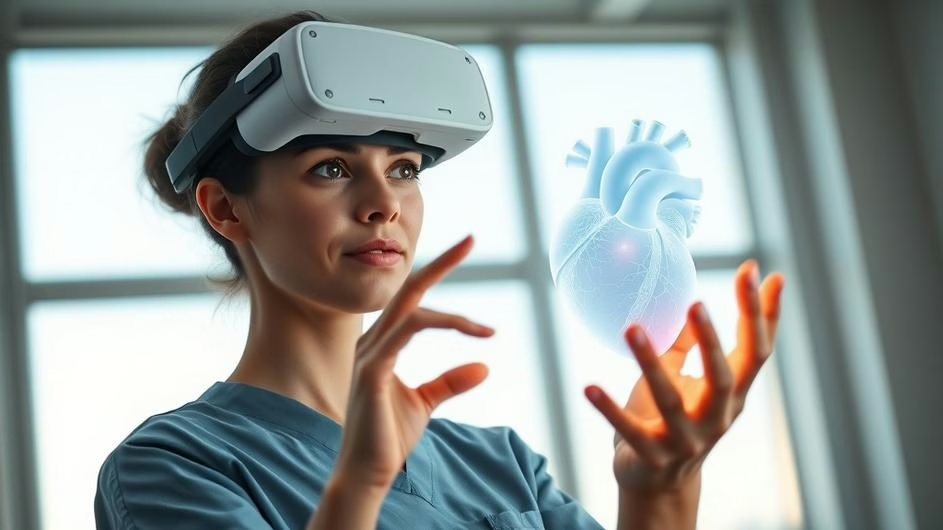
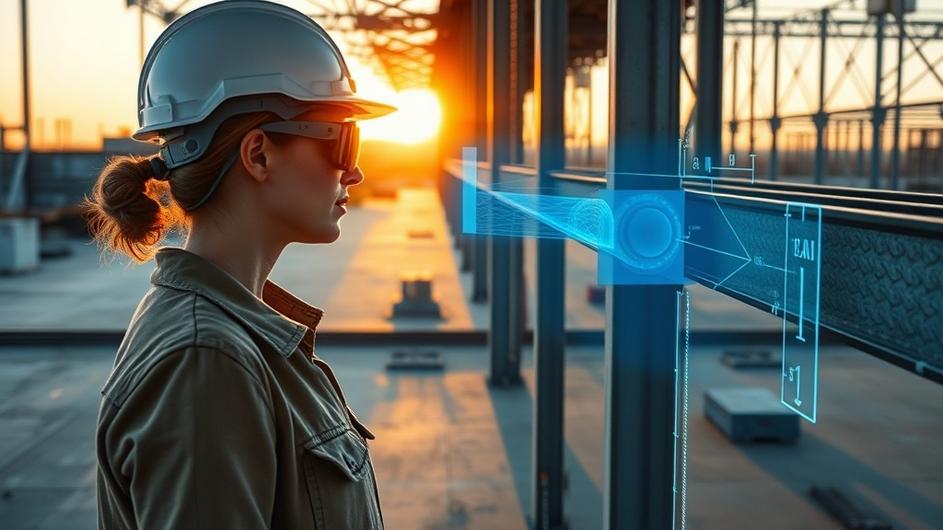
Let’s break that down. Attribution means better tracking across channels so marketers understand what actually converts users. Conversational AI agents are those autonomous or semi-autonomous systems that can book trips, answer questions, and handle transactions right inside messaging apps. Then there are smart glasses, which introduce a whole new sensor stream, continuous first-person images and spatial data that can be processed in real time or analyzed later.
This isn’t just theoretical. As we saw at CES 2026, the line between digital and physical is blurring fast. Wearables aren’t just fitness trackers anymore, they’re becoming platforms for ambient computing.
The Architectural Pattern Emerging
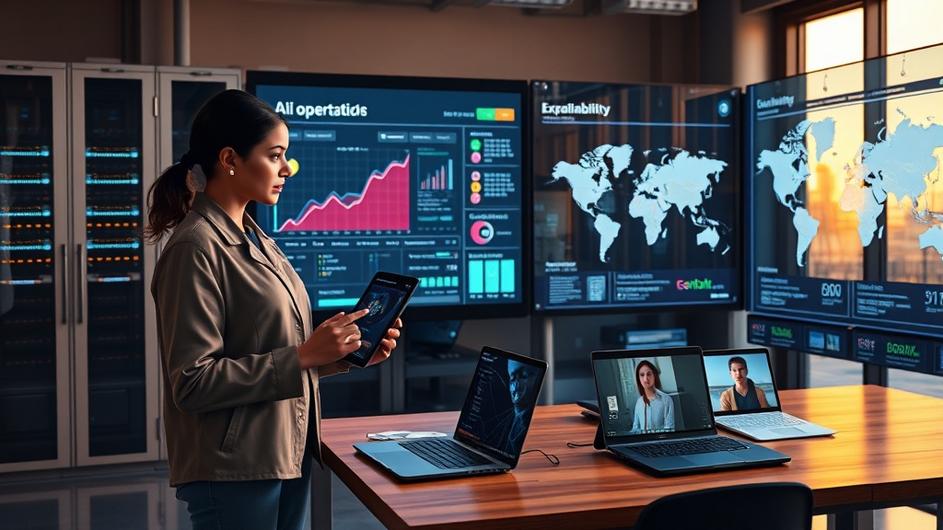
Look at agriculture and travel together, and you start to see a broader pattern. These systems are increasingly multimodal, combining vision, telemetry, and text. They need to compute both in the cloud and at the edge. They require solid data contracts for privacy and attribution, especially when dealing with personal or location data. And they depend on interfaces that understand context, whether that’s delivering an irrigation schedule to a farmer or providing real-time translation to a tourist through glasses.
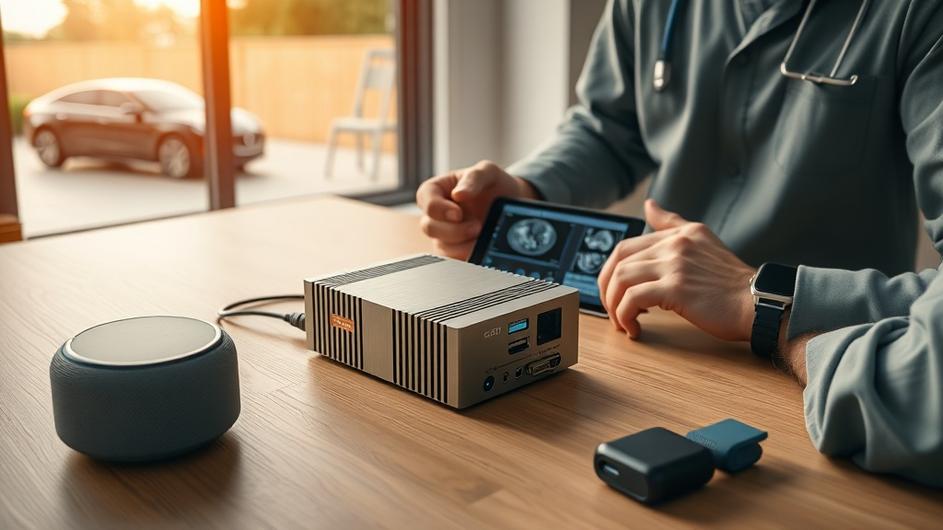
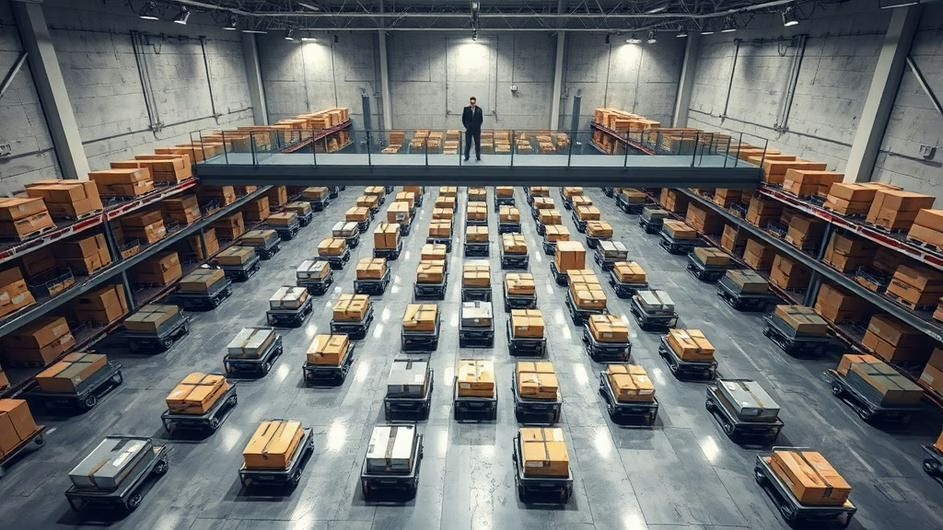
This shift toward edge intelligence represents a fundamental change in how we think about AI infrastructure. It’s no longer just about training bigger models, it’s about deploying them where they can actually interact with the world.
| AI Deployment Type | Primary Use Case | Key Challenge |
|---|---|---|
| Cloud AI | Training large models, batch processing | Latency, bandwidth costs |
| Edge AI | Real-time inference, sensor processing | Hardware constraints, power efficiency |
| Hybrid AI | Distributed systems, continuous learning | Orchestration, data synchronization |
What This Means for Developers
For developers building these systems, the implications are practical and immediate. Design for modularity so perception pipelines, decision logic, and actuator commands can be updated independently. Embrace edge-friendly model architectures and quantization techniques to squeeze inference into constrained hardware. Use transfer learning and synthetic data to overcome labeling bottlenecks, and build strong telemetry for model monitoring and feedback loops.
Privacy and explainability need to be first-class concerns from day one. Both agriculture telemetry and wearable imagery can expose sensitive information. It’s similar to the challenges we see in smart city deployments, where data collection and privacy exist in constant tension.
Developers should also think about the tools they’re using. Just as crypto developers optimize smart contracts for gas efficiency, AI developers need to optimize models for edge deployment. The principles aren’t so different, reduce complexity, minimize resource consumption, and ensure reliability in unpredictable environments.
Cross-Sector Opportunities Are Everywhere
Here’s where things get interesting. Conversational agents and localization engines built for travel can be adapted for agriculture to deliver multilingual, voice-driven guidance to field workers. Smart glasses and drone cameras used in travel experiences point toward richer augmented reality tools for on-site machinery maintenance or plant inspection.
We’re seeing similar cross-pollination in the broader AI landscape. Techniques developed for one domain often find unexpected applications in others. It’s like how blockchain concepts from finance ended up powering supply chain tracking and digital identity systems.
Looking Ahead: The End-to-End Challenge
The most successful systems won’t treat AI as just a model training exercise. They’ll approach it as an end-to-end product challenge. That means building resilient data infrastructure, designing for edge and cloud cooperation, and embedding responsible practices around privacy and attribution from the start.
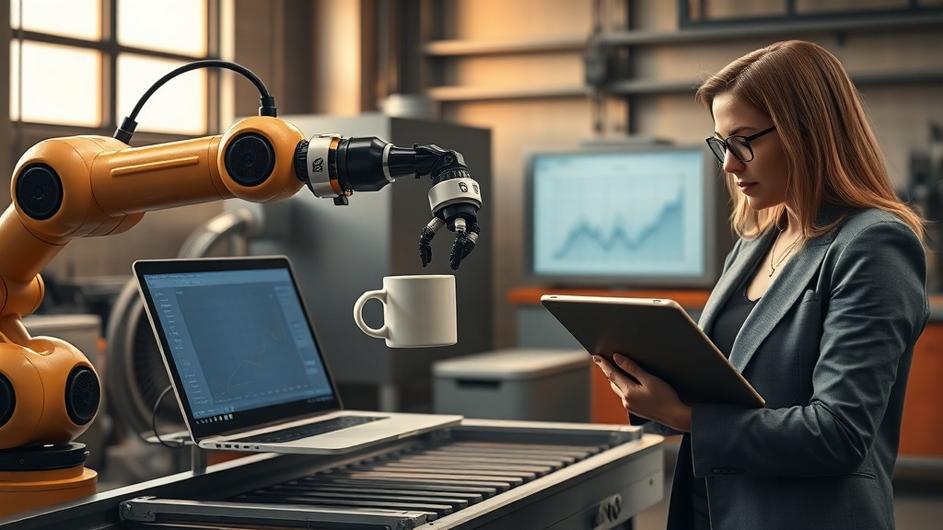
The transition from models that live in the cloud to agents and sensors that act in the world will redefine what users expect and how industries make money. For developers who can master sensor fusion, efficient edge inference, and conversational orchestration, the next decade offers a chance to build technology that actually touches people’s lives.
What does this mean for different stakeholders? For users, it means more intuitive, context-aware interfaces. For traders and investors, it creates opportunities in hardware, edge computing, and specialized AI services. For policymakers, it raises questions about data sovereignty, privacy regulations, and infrastructure requirements. And for developers, it’s a call to think beyond the API endpoint and consider how their code interacts with the physical world.
The journey from cloud-based intelligence to embodied AI is just beginning. But if recent signals from agriculture and consumer tech are any indication, it’s a journey that will reshape not just how we build technology, but how that technology builds our world.
Sources
AI in Precision Agriculture Market Global Trends and Growth Outlook 2026 to 2035, openPR (InsightAce Analytic Pvt Ltd.), January 28, 2026
Smart Glasses to AI Agents: 4 Shifts for Travel From Meta’s Earnings, Skift, January 28, 2026
Transfer Learning Explained, NVIDIA
AI on Devices, Google AI