From Robots to Renegotiated Software: How AI Is Moving Out of the Cloud and Into the Real World
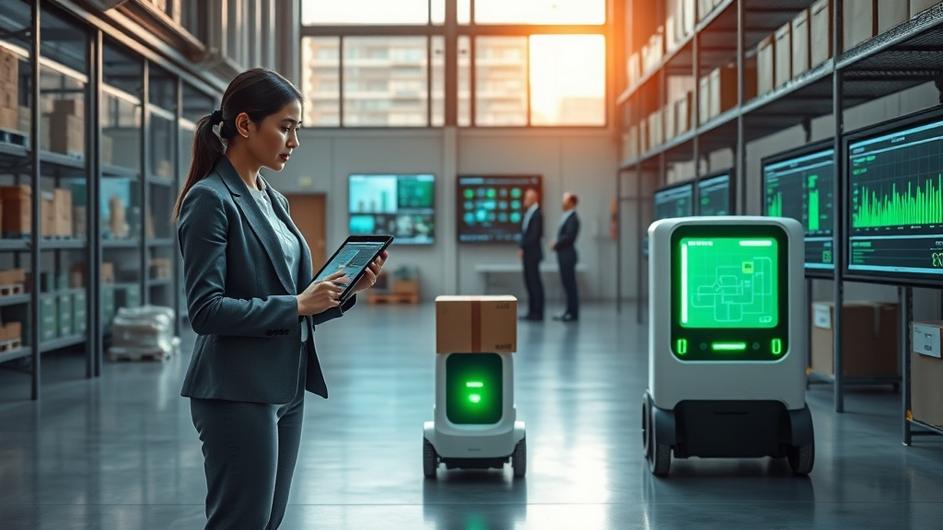
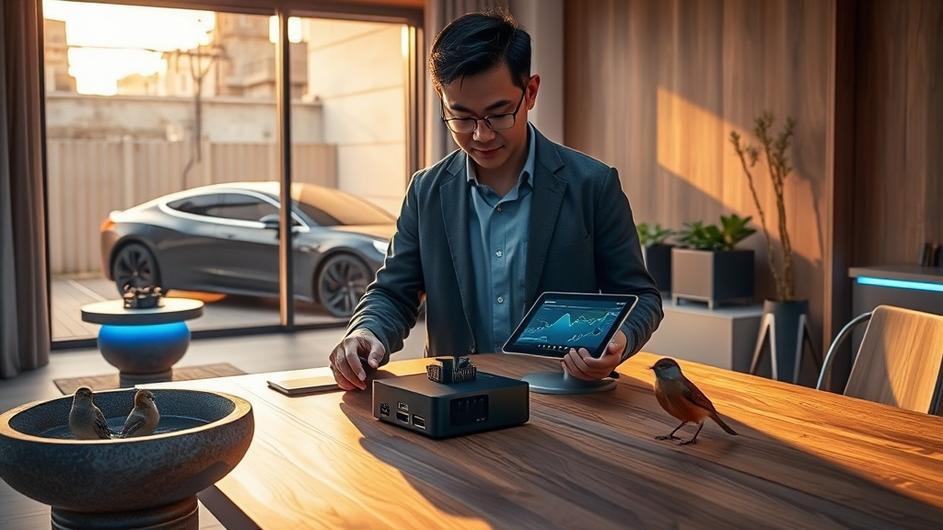
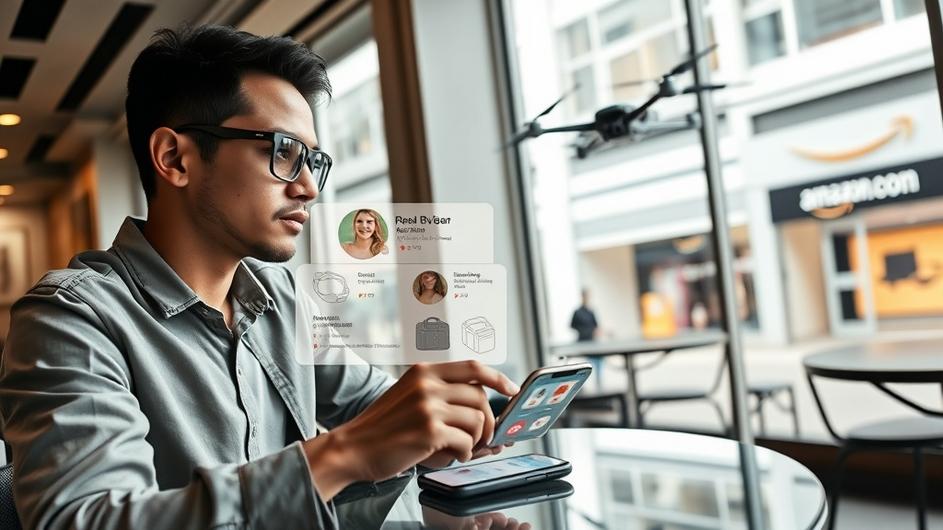
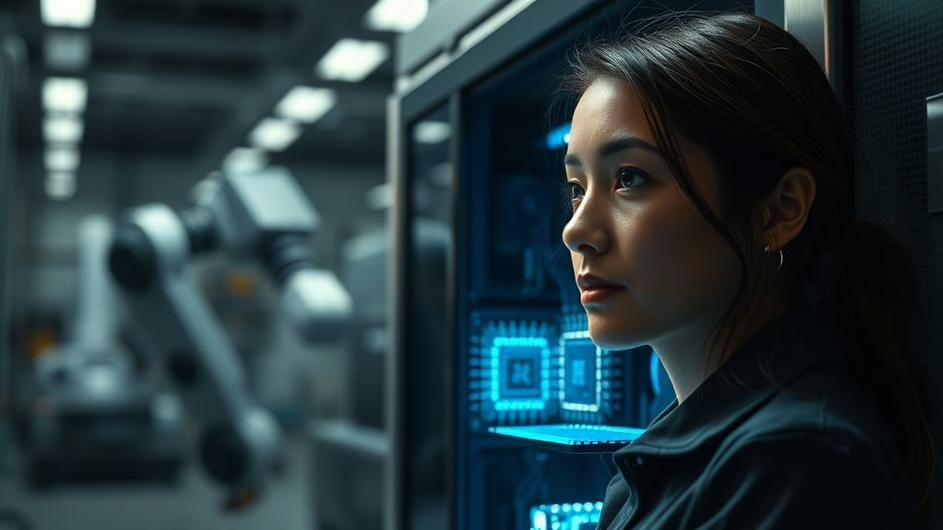
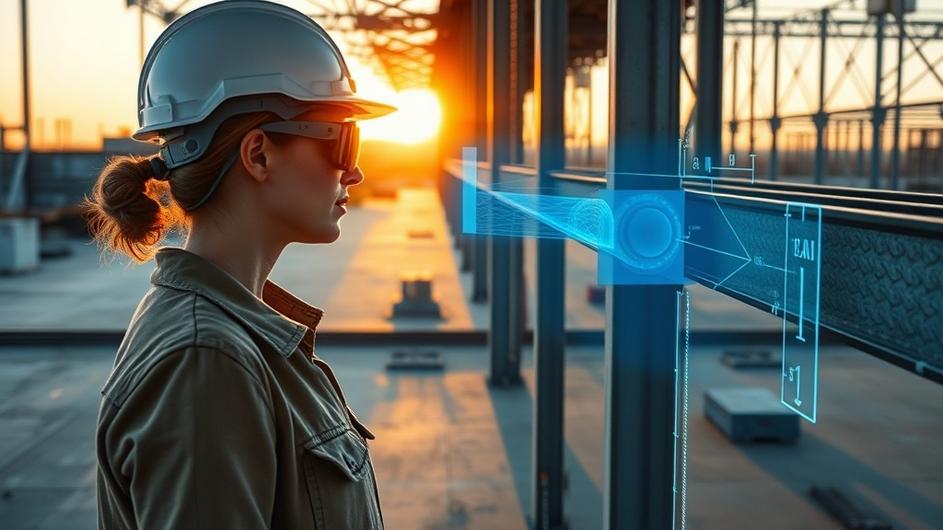
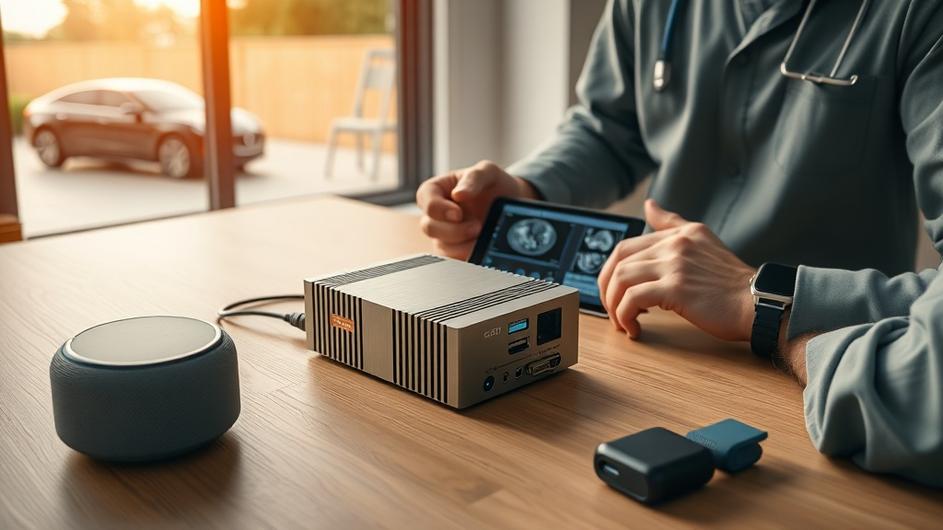
Remember CES back in January? The annual gadget fest usually delivers shiny new toys and incremental upgrades. But this year felt different, almost like a turning point. Chinese manufacturers didn’t just show off the latest tech, they demonstrated something fundamental: artificial intelligence has broken free from the cloud and started living in the physical world. We’re talking humanoid robots, smart cars, and yes, even AI-powered birdbaths. It sounds quirky until you realize what it means: AI you can actually hold, deploy, and interact with every day.
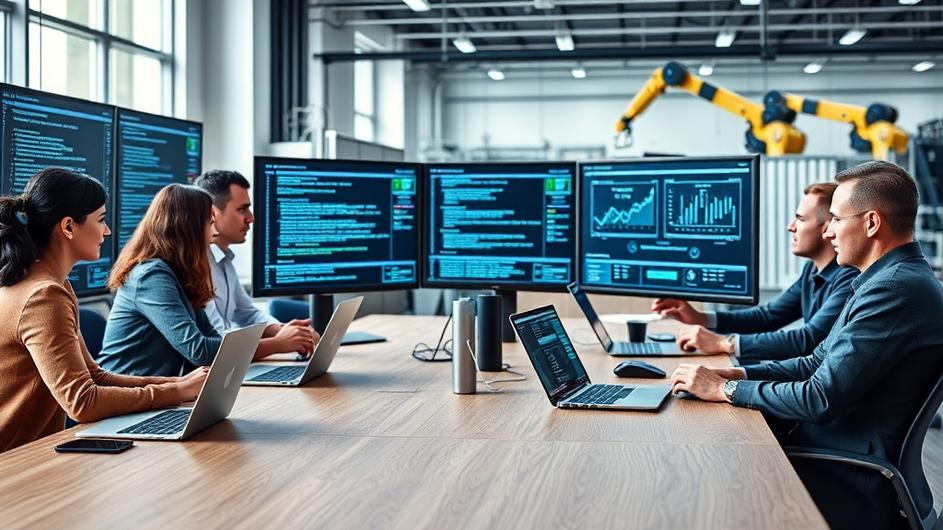
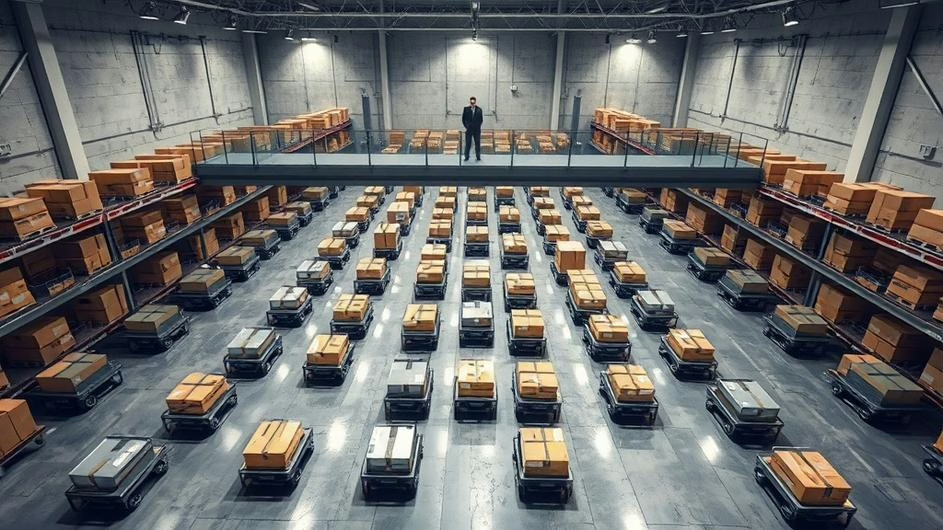
Why should anyone care about hardware? Because it changes everything about how AI reaches us. Market researchers expect China’s AI hardware market to grow roughly 18 percent annually through 2030. That’s not small change, it’s building on an already massive base. When robots can interact in real time, when vehicles make their own driving decisions, when everyday devices come with built-in perception and inference engines, developers face a whole new set of challenges. They’re not just writing code for cloud servers anymore. They’re dealing with latency, power constraints, safety considerations, and edge computing environments that work completely differently.
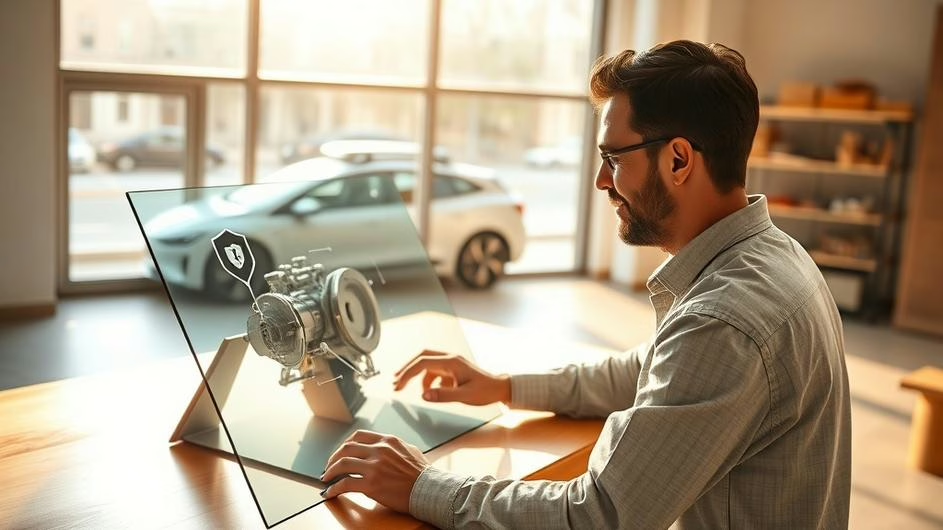
Meanwhile, there’s another earthquake shaking the software industry. Recent announcements from top AI model developers have investors sweating again. Generative AI, the technology behind those text and image creators, could seriously undermine traditional software business models. Companies selling vertical software, those specialized applications for healthcare, finance, or other specific industries, are facing fresh scrutiny. Analysts are warning that as AI capabilities improve and become more accessible, the proprietary workflows and premium pricing these companies rely on might not hold water much longer.
Put these two trends together and you see the bigger picture coming into focus. On one hand, AI is becoming embodied in hardware, bringing intelligence right to where we live and work. On the other, foundation model advances are making cognitive tasks either automatable or dramatically more efficient. This combination doesn’t just change how products get designed, it rewrites the entire revenue playbook. If customers can access powerful generative and domain-specific models through new interfaces, why would they pay premium prices for custom vertical software?
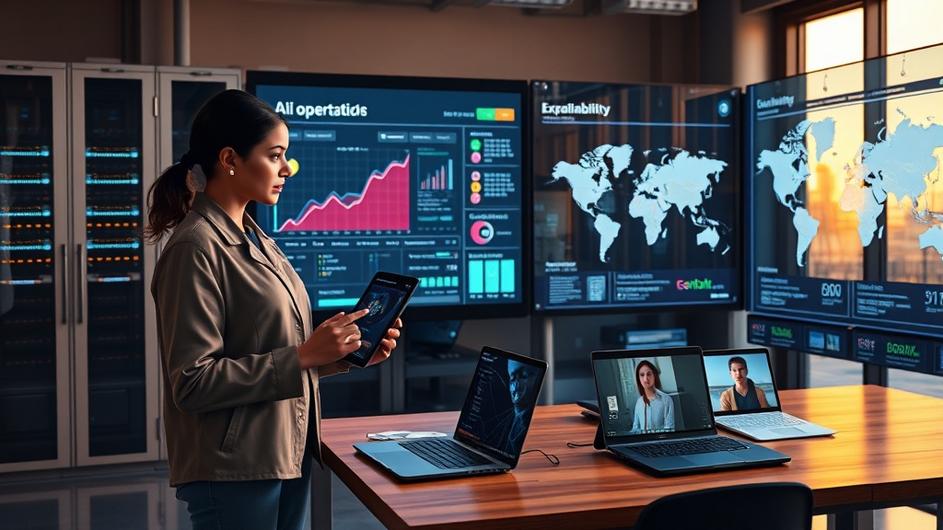
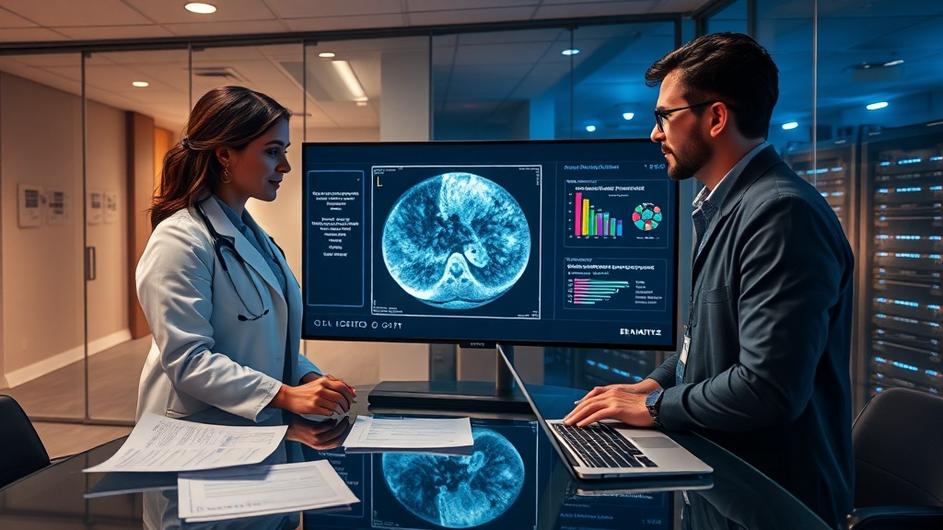
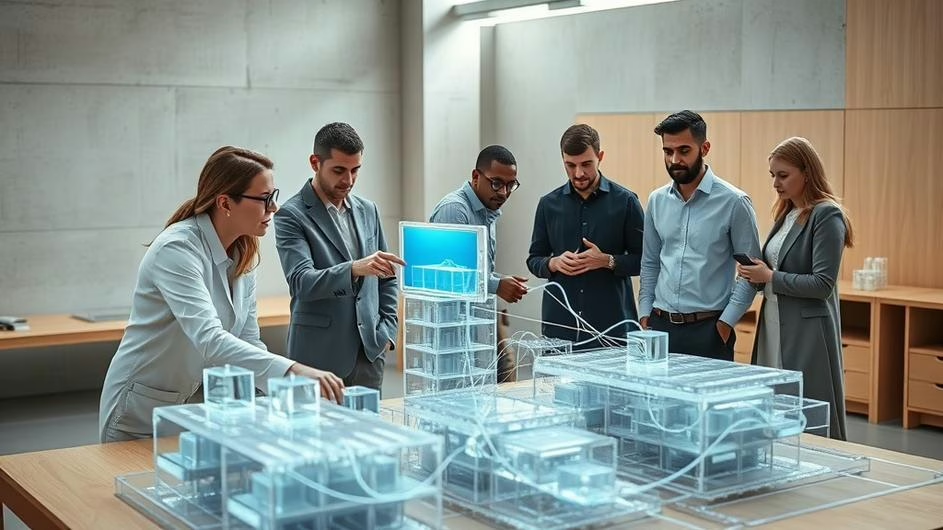
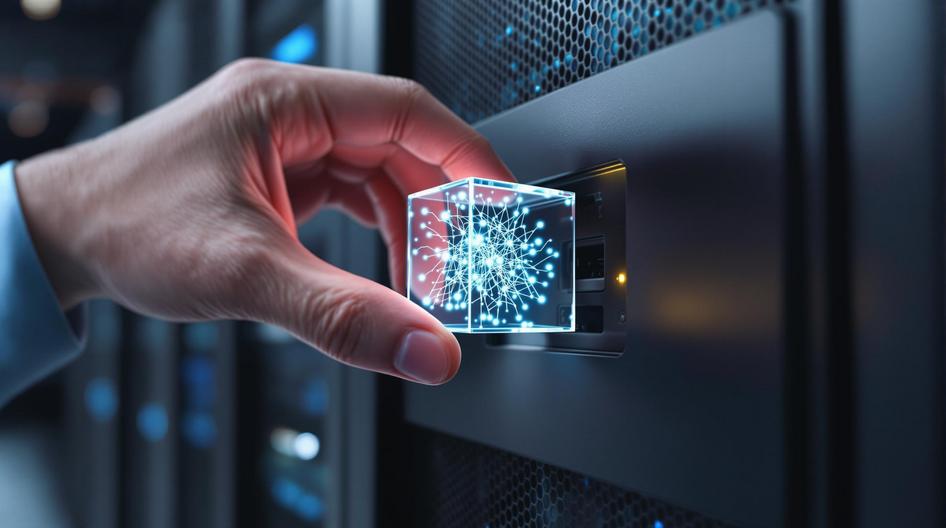
For developers and product leaders, this means going back to the drawing board. Building something defensible requires more than just adding AI features as an afterthought. Teams need to design for integration, modularity, and most importantly, explainability. That last one, explainability, the ability to trace and justify AI decisions, becomes absolutely critical when models operate in the real world. Whether it’s a robot on a factory floor, a vehicle on the highway, or a medical diagnosis system, people need to understand why the AI made certain choices. Edge deployment adds another layer of complexity, demanding model compression, on-device inference, and reliable update mechanisms to patch vulnerabilities before they become problems.
There’s a geopolitical dimension here that’s impossible to ignore. The country that can ship delightful, trustworthy, and scalable AI-enabled devices gains more than just commercial advantage. They get to set standards and build ecosystems that others will have to follow. Hardware manufacturing, chip availability, and software toolchains will determine who wins in different markets around the world. Don’t be surprised to see companies and governments investing heavily in alliances, domestic capabilities, and regulatory frameworks designed to protect both consumers and strategic industries.
But here’s the thing, this moment isn’t all about disruption and risk. It’s also a massive opportunity to rethink how software gets sold and built. New business models could combine cloud services with device subscriptions and continuous learning systems that keep products improving long after purchase. Startups might find their niche by focusing on safety, domain specialization, or creating seamless human-machine interactions. Established vendors can leverage their existing customer relationships to bundle AI capabilities in ways that add real operational value, rather than watching their entire stack get commoditized.
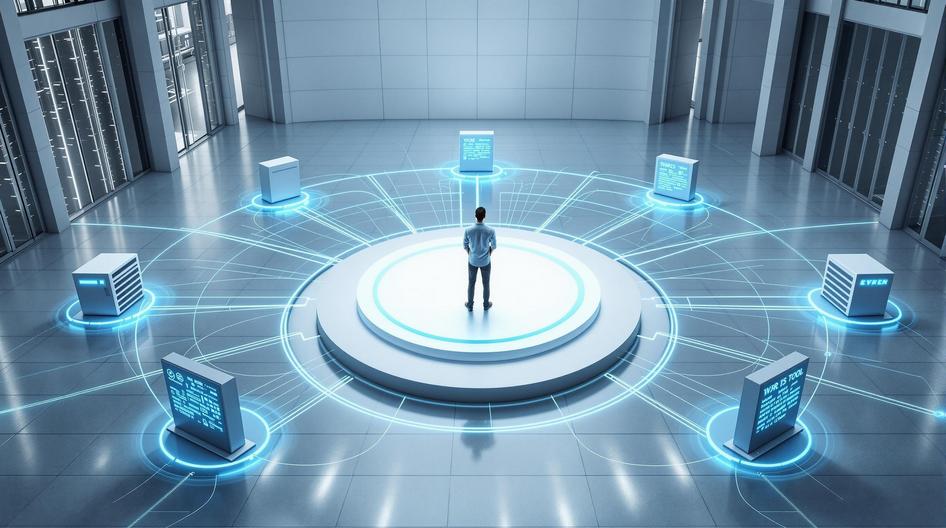
What’s next? Expect a period of rapid experimentation. We’ll see hybrid architectures that mix cloud models with compact edge networks, regulatory frameworks demanding transparency and safety, and competitive tension between firms that own the models and those that own customer relationships. For developers, the practical takeaway is clear: prioritize robustness, privacy, and interoperability. For product strategists, it’s about designing for a world where intelligence is both ubiquitous and portable.
The pace of change isn’t slowing down, but the shape of the next decade is becoming clearer. AI is leaving the cloud’s comfortable confines and entering devices that shape our daily lives. At the same time, model advances threaten to completely redefine what software is actually worth. The winners in this new landscape won’t be those with the fanciest algorithms alone. They’ll be the ones who can marry physical systems engineering with responsible, adaptable AI, creating products people actually trust and businesses can sustainably build upon.
If you’re curious about how this physical AI trend is playing out, or want to understand the broader platform shifts happening right now, there’s plenty to explore. The transition from cloud-based to real-world AI represents one of the most significant tech shifts of our time, affecting everything from chip manufacturing to healthcare applications.
Sources:
- China is already putting AI in everything from cars to birdbaths, Los Angeles Times, Thu, 15 Jan 2026
- OpenAI freaked out the software industry. Now, it’s Anthropic’s turn, Business Insider, Thu, 15 Jan 2026