Why AR Hardware Growth and Beauty Marketing Are Converging, and What Developers Should Build Next
If you’ve been watching the augmented reality space, you’ve probably noticed something interesting happening. The technology isn’t just getting better, it’s getting real. Like, actually-in-your-hands, try-it-before-you-buy-it real. And nowhere is this shift more visible than in the beauty industry, where AR is moving from cool demo to core commerce tool.
What’s driving this change? It’s not just one thing. It’s a perfect storm of hardware scaling, retail partnerships, and brands rethinking how they connect with customers both online and offline. Together, these forces are creating new opportunities for developers and fresh challenges for product teams trying to keep up.
Hardware Scaling: From Experiments to Mass Production
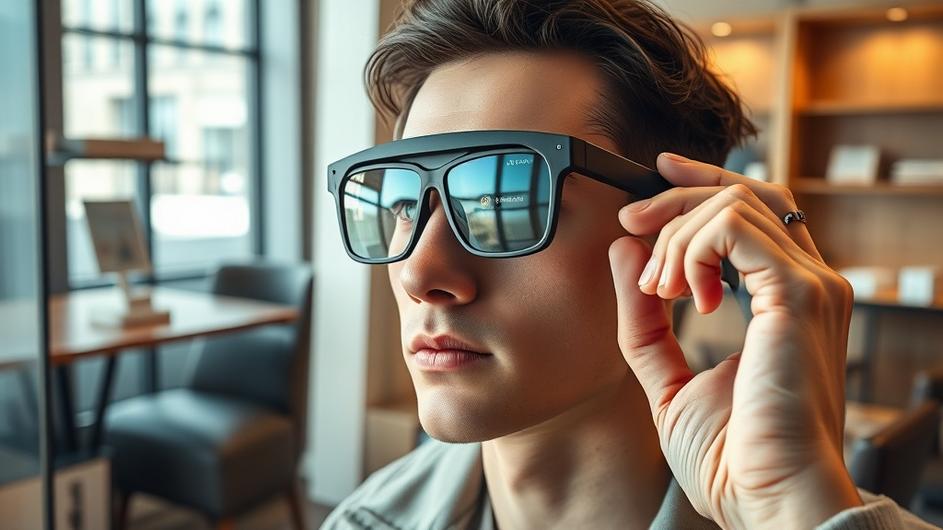
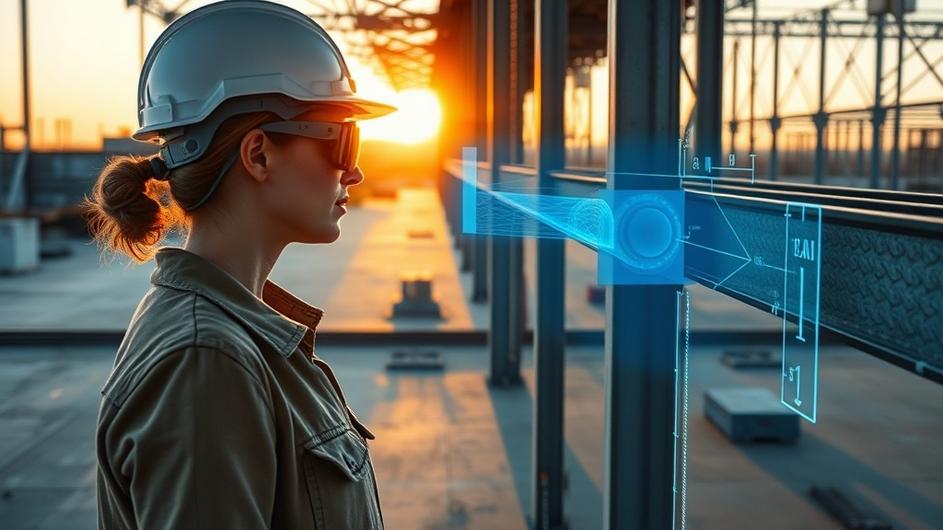
Remember when AR glasses felt like something out of a sci-fi movie? That’s changing fast. Major players are moving from experimental prototypes to serious production plans. Meta’s Ray-Ban collaboration, for instance, isn’t just a limited run anymore. They’re talking about manufacturing in the tens of millions. That’s not a pilot program, that’s a product line.
Snap made a similar move, spinning its AR spectacles into a standalone business unit. Why does that matter? Because it signals that AR has graduated from the lab to the factory floor. We’re talking industrial processes, supply chain design, and long-term operating system support. The kind of infrastructure that supports real consumer electronics, not just research projects.
These announcements change the economics of AR entirely. When hardware scales to this level, it becomes plausible that regular people will own dedicated AR eyewear instead of just using their phones. That shift opens up entirely new use cases and business models. As we’ve seen in our coverage of 2026’s hardware moment, this isn’t just about better specs, it’s about changing what’s possible.
Software Integration: AR Becomes Commerce Infrastructure
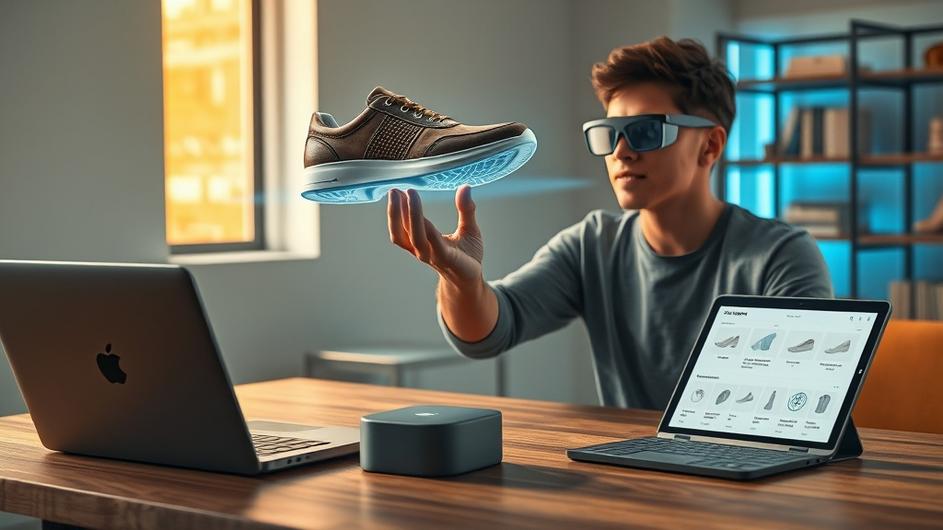
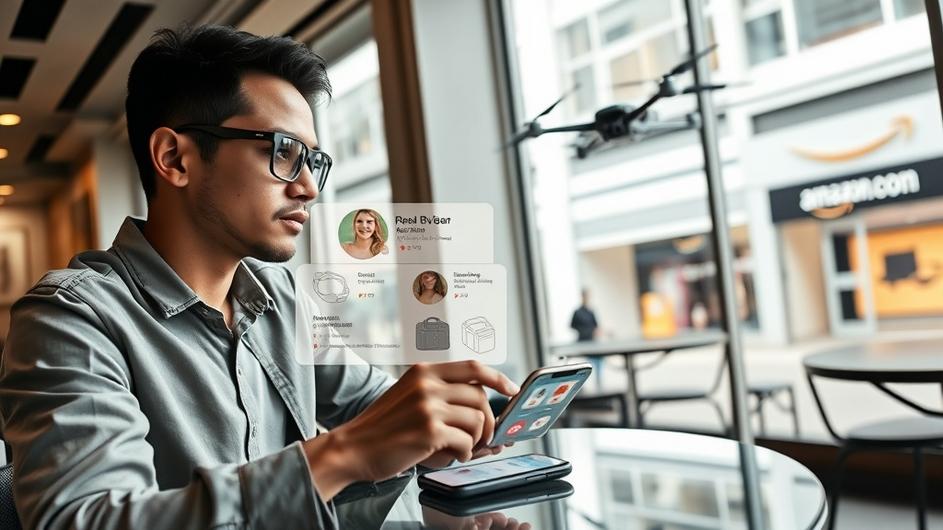
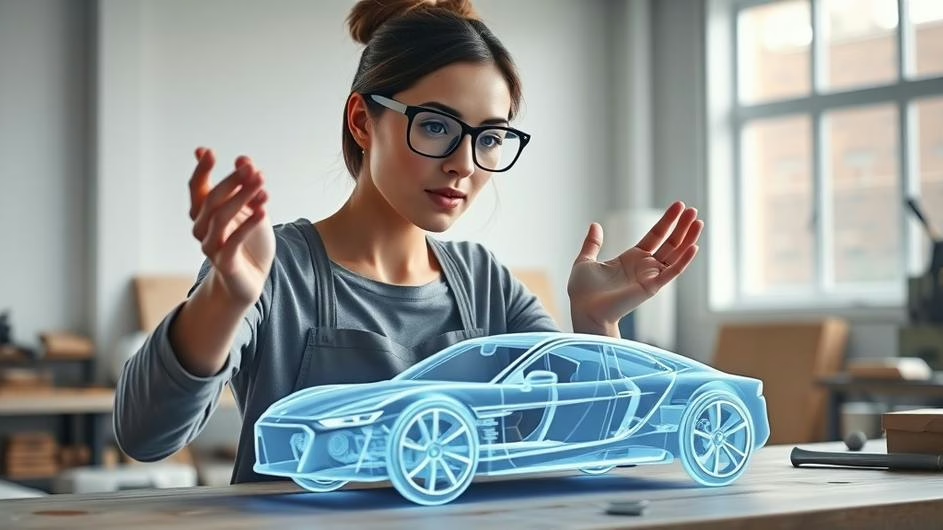
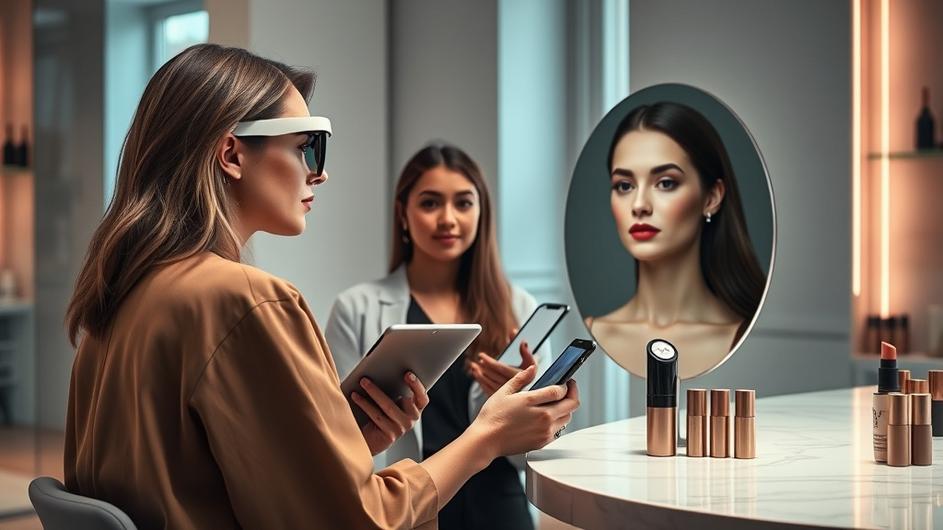
Hardware is only half the story. What really makes AR useful is how it integrates with existing retail systems. Companies like Perfect Corp are rolling out AI-powered 3D augmented reality tools that turn ordinary product pages into dynamic fitting rooms. Warby Parker and Google expanded their collaboration to bring AR try-on into physical stores, blurring the line between online convenience and in-store confidence.
This isn’t about novelty filters anymore. AR is becoming core commerce infrastructure, where accuracy, latency, and privacy actually matter. When a customer tries on virtual lipstick or glasses, they need to trust what they’re seeing. The color has to match, the fit has to feel realistic, and the whole experience needs to be seamless.
Think about it from a developer’s perspective. Building these systems requires solving real engineering challenges, not just creating cool visual effects. As we explored in our look at AR’s leap from labs to everyday life, the transition from demo to daily use involves serious technical work.
Beauty Industry’s AR Pivot
The beauty world isn’t just watching this happen, they’re actively shaping it. Take Anastasia Beverly Hills, which recently tapped a new global brand ambassador. On the surface, that sounds like traditional marketing. But look closer, and you’ll see something more interesting happening.
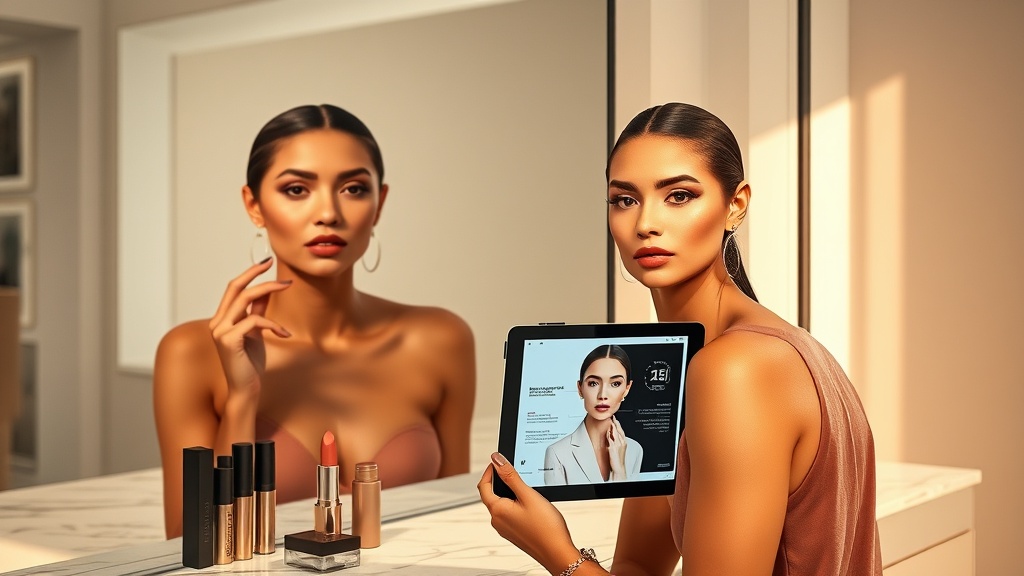
When a brand ambassador gets paired with AR try-on tools and AI-generated avatars, that same face becomes an interactive layer across e-commerce sites, in-store mirrors, and social media. According to Beauty Packaging’s coverage, this isn’t just about putting a famous face on packaging. It’s about creating a living, breathing digital presence that customers can actually interact with.
Packaging, product metadata, and digital swatches all need to be curated differently for this new reality. The goal isn’t just to look good on a shelf, but to translate accurately into AR experiences. That requires new workflows and new thinking about how products get presented to customers.
What Developers Need to Build Now
So what does all this mean for developers building AR systems? Several things become critical priorities.
First, model accuracy and real-time performance aren’t nice-to-haves anymore, they’re requirements. Virtual try-on depends on physiologically accurate rendering of materials, skin tones, and facial geometry. That means optimized 3D pipelines and sometimes on-device inference to avoid latency issues. Customers won’t wait for a lipstick shade to load.
Second, interoperability and standards matter more than ever. As hardware volumes rise, vendors and retailers will expect consistent formats for 3D assets, color profiles, and fit metadata. A pair of glasses or a lipstick shade should look the same whether you’re viewing it on a phone, AR glasses, or an in-store kiosk. This isn’t just a technical challenge, it’s a business requirement.
Third, privacy and data locality can’t be afterthoughts. Retail partnerships expose different market regulations and consumer expectations. European customers might have different privacy concerns than American ones. Edge processing and transparent telemetry become important design decisions, not just technical details.
As Glass Almanac’s analysis of 2026 AR announcements shows, these hardware shifts create ripple effects throughout the entire ecosystem. Developers need to think about their systems in this broader context.
Tooling for Creators at Scale
Engineers should also consider the tooling needed for content creators. Brands will rely on product teams and agencies to produce AR-ready assets at scale. That means automated conversion pipelines, validation suites that check color fidelity and physical plausibility, and content management systems that sync packaging data to AR views.
The rise of AI avatars and stylized product videos suggests demand for composable tools that mix procedural animation with brand-controlled assets. Think about it, if every product needs an AR representation, how do you create those assets efficiently? You can’t hand-craft each one.
This connects to broader trends we’ve been tracking around design and AI reshaping hardware. The tools for creating AR content need to evolve alongside the hardware that displays it.
The Reality of Scaling Hardware
Let’s not underestimate what it takes to move from prototypes to millions of units. This isn’t just about manufacturing more devices. It requires supply chain visibility, firmware update channels, and maintainable SDKs. Software teams need to design for long lifecycle support, and operations teams must plan for regional differences in features and data processing.
Consider the challenges of supporting AR glasses across different markets. Some regions might have stricter privacy regulations. Others might need different connectivity options. The hardware might be the same, but the software and services around it need to adapt.
This scaling challenge reminds me of what we’ve seen in other tech sectors. As we discussed in our analysis of how 2025 rewrote the AI playbook, moving from small-scale experiments to mass adoption requires rethinking everything from infrastructure to user experience.
Looking Ahead: When Tech Meets Brand Experience
The intersection of AR hardware growth and beauty marketing shows something important about how immersive tech becomes mainstream. It happens when hardware, software, and brand experience align around real customer needs.
For developers, this means building systems that are scalable, performant, and privacy-aware, while staying flexible enough to serve both global campaigns and local retail needs. The companies that get this right will create experiences where a curated brand ambassador and a precision virtual try-on feel like parts of the same product, not separate channels.
What’s next? We’ll likely see more industries adopting similar approaches. Fashion, home decor, even automotive could benefit from these same technologies. The beauty industry is just the leading edge of a much larger shift.
Developers should pay attention to how AR glasses and flexible AI chips are redefining wearables. The hardware is getting better, the software is getting smarter, and the use cases are getting more practical. That’s a powerful combination.
The question isn’t whether AR will become mainstream, but how quickly different industries will adapt. For beauty brands, that adaptation is already happening. For developers, the opportunity is to build the tools and systems that make these experiences possible at scale.
So what should you be building? Focus on the infrastructure that connects hardware capabilities with real customer needs. Think about interoperability, performance, and privacy from day one. And remember that the most successful AR experiences won’t feel like technology at all, they’ll just feel like better ways to shop, explore, and connect.
Sources
Anastasia Beverly Hills Taps New Global Brand Ambassador, Beauty Packaging, 13 Feb 2026
7 AR Announcements In 2026 That Shift Hardware Production, Glass Almanac, 13 Feb 2026