Where Battlefields and Headsets Meet, New AI and AR Platforms Are Rewriting Developer Priorities
Here’s something you might not have connected yet. While defense contractors race to build battlefield-ready AI, consumer tech giants are quietly preparing an AR hardware wave for 2026. These two seemingly separate tracks are about to collide, and the implications for developers, investors, and policymakers are bigger than you might think.
It’s not just about cool gadgets or military tech. This convergence is reshaping how we think about software architecture, deployment models, and ethical guardrails. If you’re building anything that involves sensors, real-time data, or edge computing, you need to pay attention.
The Military AI Shift: Beyond General Purpose Models
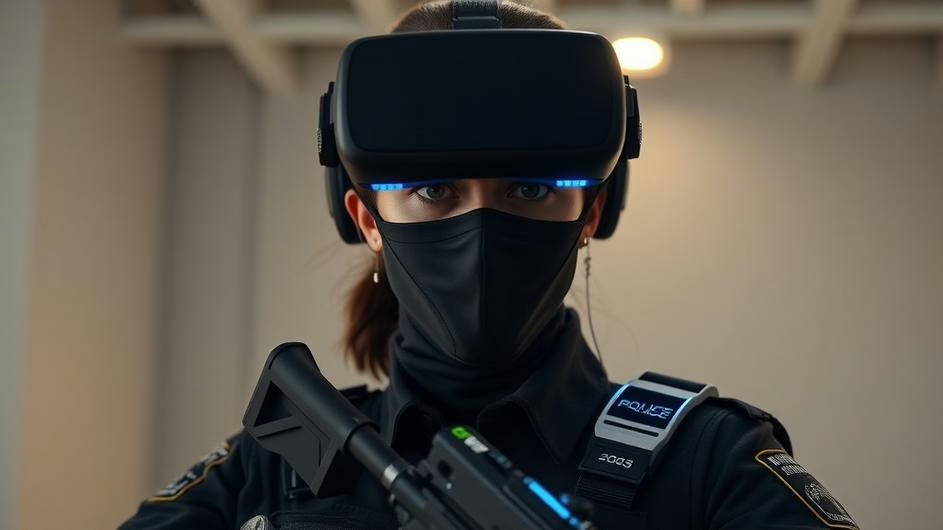
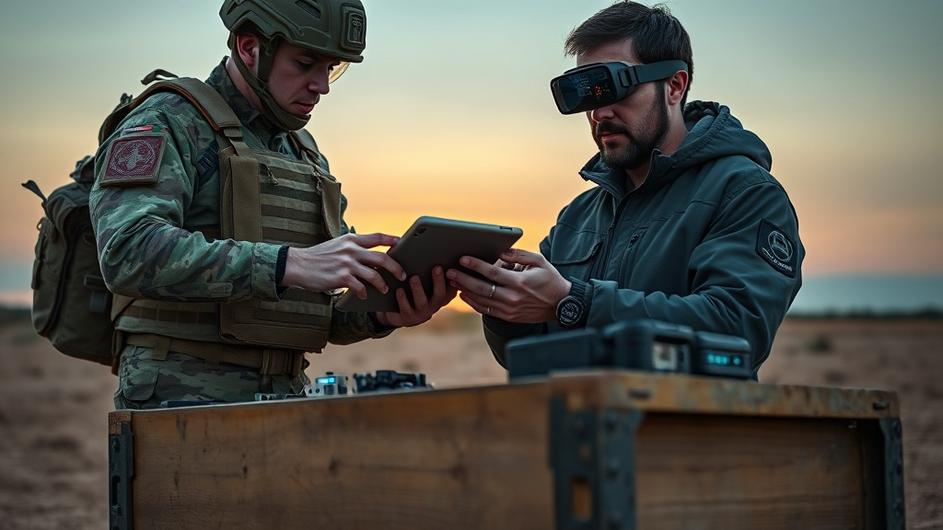
Let’s start with what’s happening on the defense side. Companies like Anthropic and OpenAI built their generative AI models for broad audiences, and sure, the Pentagon finds them useful for drafting reports or summarizing intelligence. But here’s the catch, military users need something different. They need AI trained on classified sources, operator experience, and built for environments where connectivity is spotty and hardware takes a beating.
Entrepreneurs are jumping on this gap. According to a recent Defense One report, startups are building model suites that look familiar to civilian developers but run on military intelligence. Others focus on systems designed for remote battlefields where rugged hardware matters as much as accuracy. It’s not just about better algorithms, it’s about AI that works when the network doesn’t.
This creates real tension between policy and engineering. Commercial AI typically comes through cloud APIs, which makes integration with weapons or edge hardware tricky. Some providers restrict deployments to cloud-only models for safety, but that frustrates operators who need offline capabilities. The result? An active market for military-specific AI that blends usability with audit trails and physical constraints.
The 2026 AR Hardware Wave: More Than Just Glasses
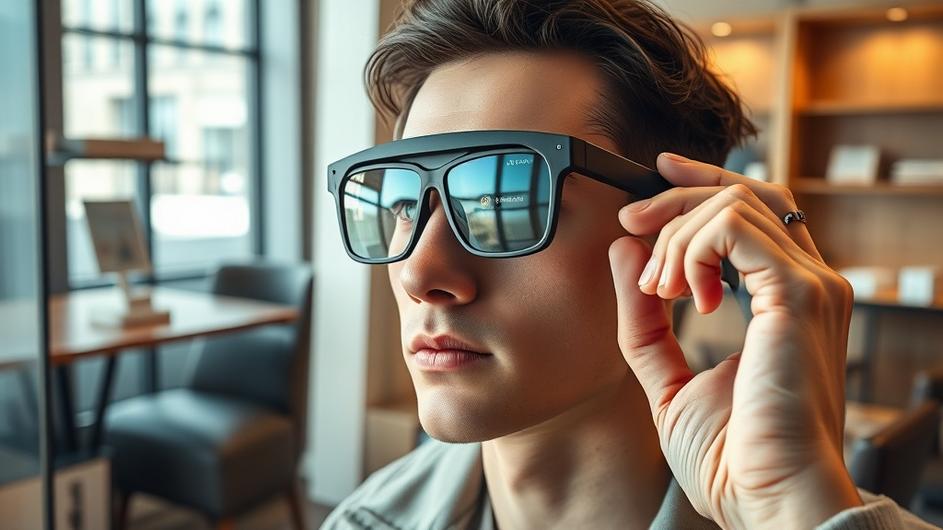
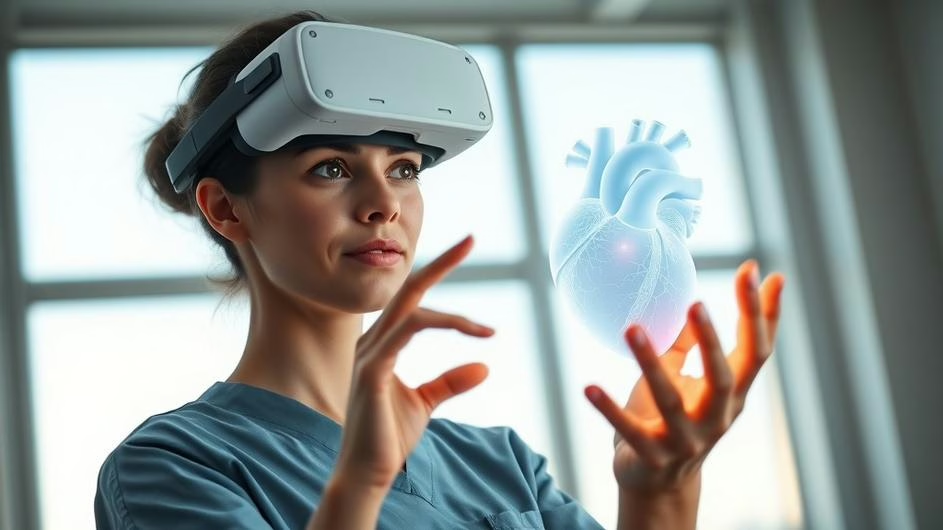
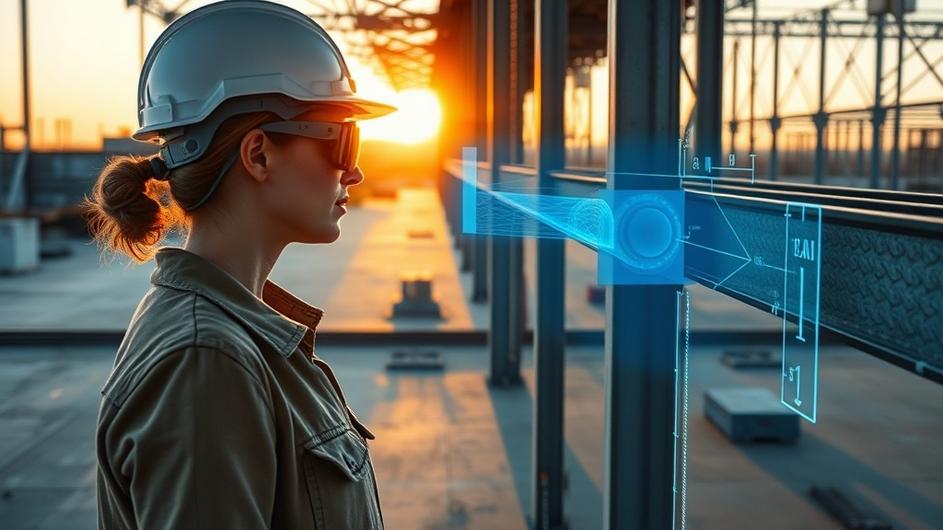
Meanwhile, over in consumer tech, 2026 is shaping up to be a landmark year for augmented reality. We’re looking at half a dozen new AR headsets hitting the market, from social-first lightweight glasses to high-resolution utility devices. Meta wants social AR you’ll wear daily, Snap is focusing on cameras and frictionless sharing, and Google’s Project Aura emphasizes maps and assistant features.
A recent analysis highlights seven major AR headsets coming in 2026 that promise significant UX shifts. Hardware improvements like ultra-dense displays and better battery life will compress adoption timelines, forcing developers to choose which platforms to support first. It’s not just about building apps anymore, it’s about building for entirely new interaction paradigms.
As we’ve covered in our analysis of the 2026 hardware landscape, this isn’t just incremental improvement. We’re talking about devices that convert your environment into a continuous sensor stream. That’s a fundamental shift in how software interacts with the physical world.
Why These Worlds Are Colliding Now
So why do these two narratives matter together? It’s practical, not just theoretical. AR headsets create constant sensor streams, and specialized AI is what makes sense of those streams in real time. In commercial settings, that means heads-up directions, live translation, or contextual social overlays. In defense settings, it means battlefield awareness, sensor fusion, and decision support under pressure.
Both domains demand models that are compact, explainable, and verifiable. Both force developers to think about latency, intermittent connectivity, and the ethics of automating decisions. As AI moves from cloud models to the physical world, the requirements from military and consumer applications start to look surprisingly similar.
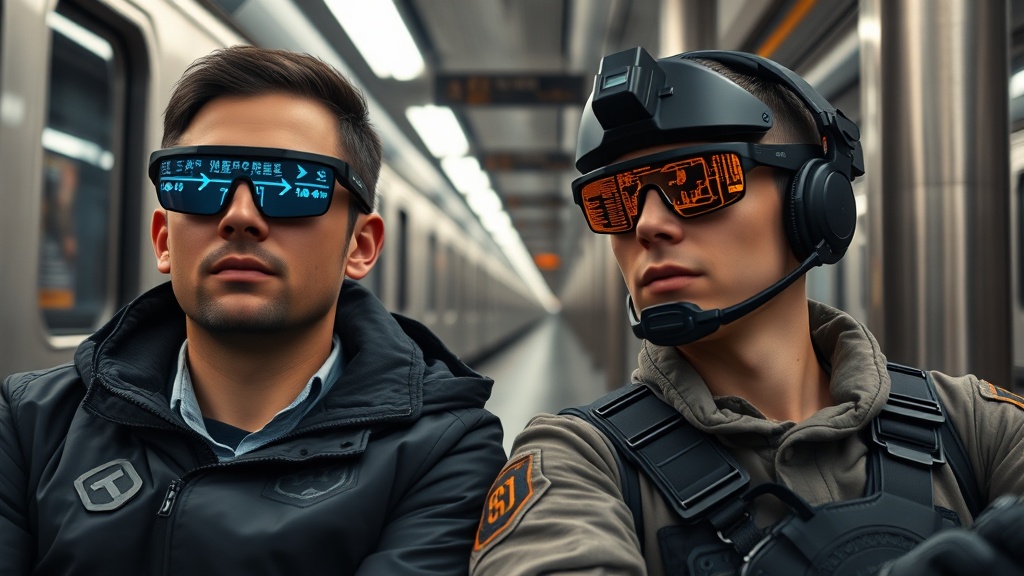
Think about it. A soldier needs AI that works without cloud connectivity. So does someone using AR glasses in a subway tunnel. Both need models that can run on device, both need systems that handle sensor fusion, and both need interfaces that don’t distract from the real world. The technical challenges overlap more than you’d expect.
What This Means for Developers and Architects
For developers, this moment is packed with opportunity and responsibility. Building for new AR hardware means completely rethinking interfaces. Attention is split, interactions are spatial, and you can’t rely on traditional UI patterns. It also means optimizing models to run on-device or on constrained edge servers, reducing dependence on cloud APIs.
For teams targeting defense or regulated industries, provenance and audit logs aren’t optional anymore. You’ll need robust data lineage, explainability mechanisms, and secure update paths. Using synthetic data to augment scarce labeled examples will become common, but so will rigorous validation against real operational conditions.
As we’ve seen in the broader mobile and AR transformation, the skills that matter are changing. Developers who understand both UX design and low-level optimization will be in high demand. Those who can bridge the gap between consumer convenience and military-grade reliability will lead the next wave of innovation.
The Governance Questions You Can’t Ignore
Here’s where it gets tricky. Dual-use technology, the reality that the same system can enable both helpful and harmful applications, isn’t hypothetical anymore. Companies need clear policies for deployment, controls for sensitive integrations, and partnerships with customers to align on acceptable use.
Technical mitigations like access controls, model watermarking, and runtime monitoring will be part of the toolkit, but organizational processes are equally vital. Who decides what’s acceptable? How do you audit AI decisions in the field? What happens when a consumer AR feature could be repurposed for surveillance?
These aren’t just ethical questions, they’re practical engineering challenges. As AI and automation redraw the technological map, developers need to build with governance in mind from day one. It’s not something you can bolt on later.
The New Software Priorities Emerging
So what changes across the industry? First, expect more work on multimodal models that combine vision, language, and sensor data. Second, modular architectures will become essential, letting teams certify or swap components without rebuilding entire stacks. Third, hardware and software teams will need to collaborate more tightly than ever before.
There’s also a renewed premium on tools that help test systems under realistic conditions. How does your AR app perform in low light? How does your AI model handle sensor noise? These questions matter whether you’re building for consumers or combat zones.
The market dynamics are shifting too. As we’ve explored in our look at 2026’s tech reset, affordability and accessibility will drive adoption. The same economic pressures that make foldables cheaper and AI subscriptions more affordable will shape how these converged technologies reach users.
Looking Ahead: Beyond the Consumer-Military Split
The near future won’t be a simple split between consumer convenience and military rigor. Instead, these markets will borrow from each other constantly. Military-grade security features will trickle down to consumer devices. Consumer UX innovations will influence defense systems. Developers who can bridge these worlds will have a significant advantage.
As headsets make computing more immediate and specialized AI makes it more insightful, the fundamental question shifts. It’s no longer about what technology can do, but how we choose to deploy it responsibly. The convergence of battlefield AI and consumer AR isn’t just a technical trend, it’s a forcing function for better engineering practices, clearer governance, and more thoughtful innovation.
For developers watching this space, the message is clear. Start thinking about edge computing now. Get comfortable with sensor fusion. Understand the ethics of automation. The lines between consumer and defense tech are blurring, and the developers who adapt will define what comes next.
Sources
Internal References:
• 2026 Hardware and AR: Where Phones Hold the Key and Prices Tell the Story
• How 2026’s Mobile Wave is Rewriting Devices, Cameras, and AR
• From Agents to Robots: How 2026 is Redrawing the Map for AI and Automation
• Agents, Glasses, and Sensors: How AI is Moving from Cloud Models to the Physical World
• 2026 Tech Reset: Cheaper Foldables, Affordable AR, and the AI Price War Reshaping Device Markets
External References:
• Meet the startups trying to build military-specific AI, Defense One, March 8, 2026
• 7 AR Headsets Coming in 2026 That Promise Major UX Shifts, Here’s Why, Glass Almanac, March 8, 2026