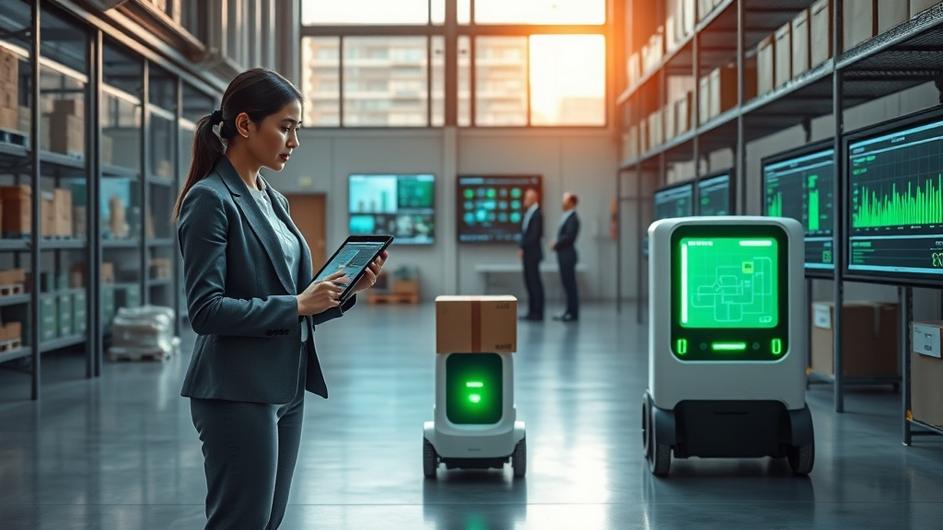
When Agents Meet Robots: How 2026 Is Redrawing the Map for AI and Automation
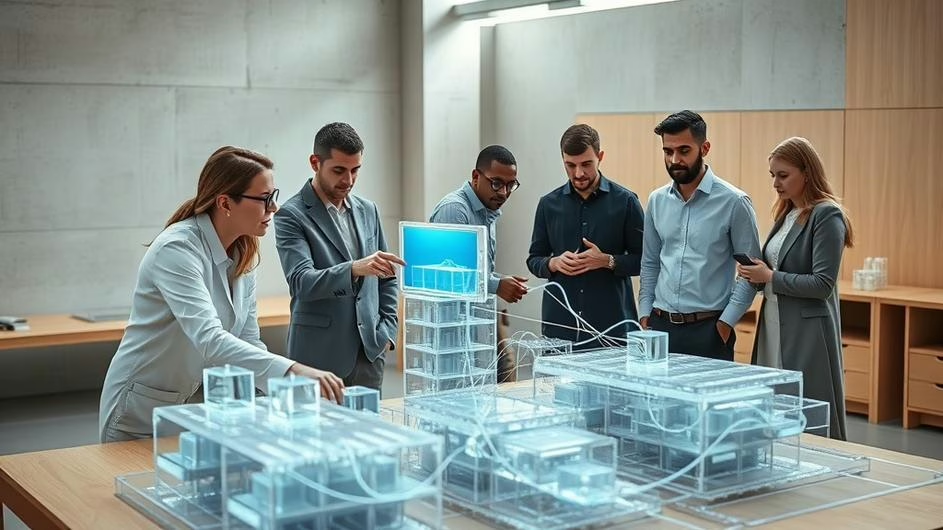
If you’ve been watching the tech landscape unfold this year, you might have noticed something different. The opening months of 2026 don’t feel like just another incremental step forward. Instead, they’re shaping up to be a genuine turning point, a moment where two powerful technological currents that have been building separately are finally converging. On one side, we have autonomous AI agents, software that can plan, act, and coordinate across services with minimal human hand-holding. On the other, a new generation of robots, from humanoids to industrial systems, are getting smarter thanks to foundation models trained on multimodal sensory data. The result? The industry is pivoting from isolated point innovations toward building truly interoperable ecosystems.
Beyond Chatbots: The Rise of Enterprise AI Agents
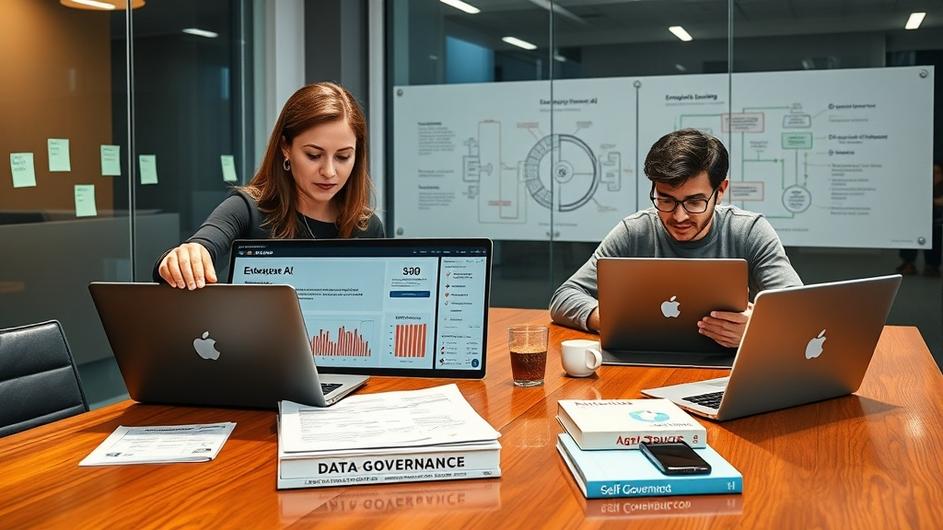
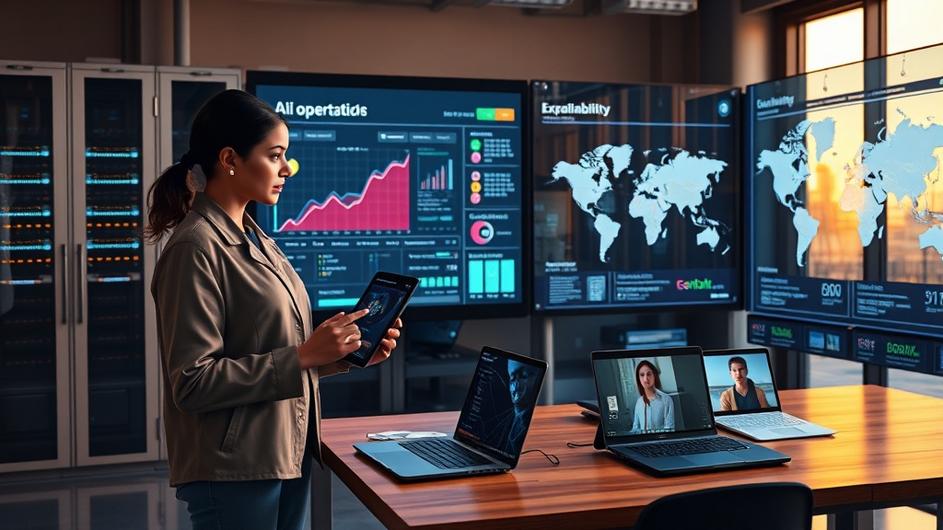
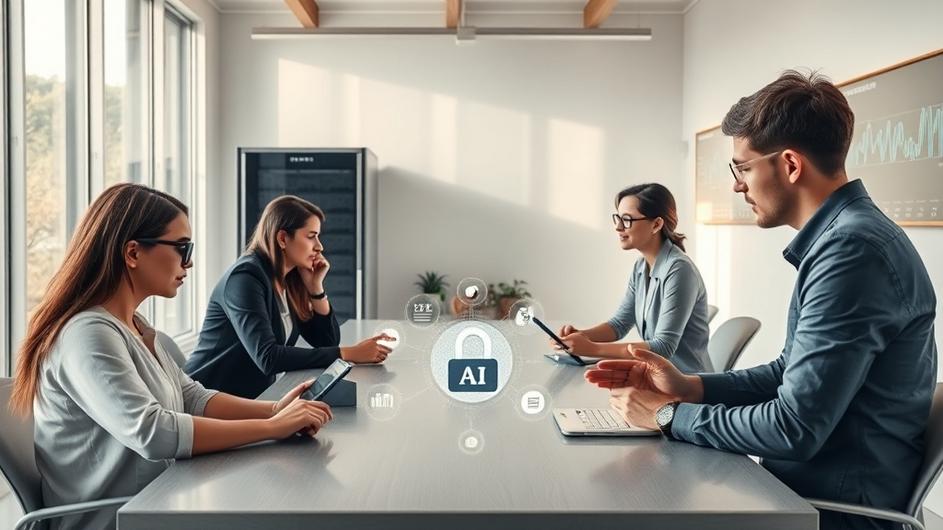
Let’s be clear about one thing: the AI agents we’re talking about here aren’t your average chatbots. Large enterprises are already preparing for a significant increase in autonomous agents operating at scale. These aren’t just answering questions, they’re orchestrating complex workflows, querying internal systems, and taking actions that directly touch sensitive business data. That shift creates immediate needs that companies can’t ignore.
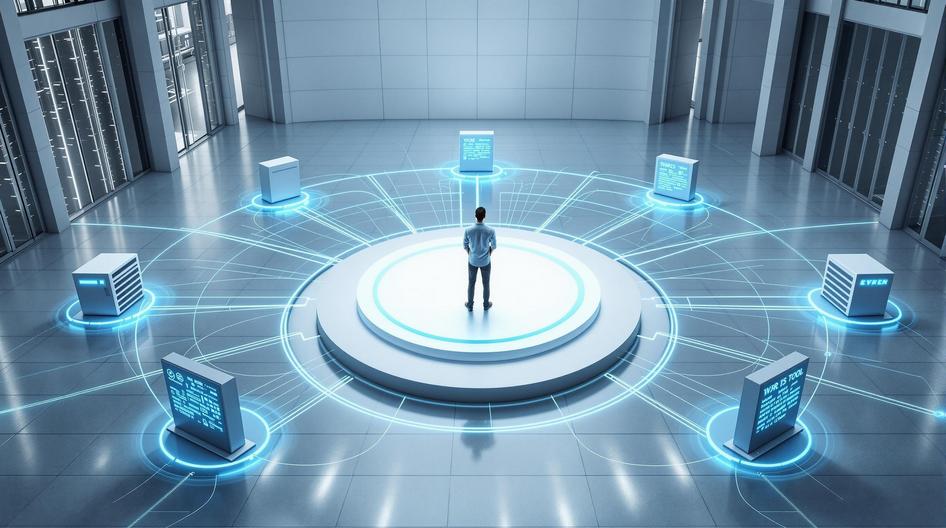
First, there’s the question of orchestration. How do you standardize the way agents are discovered, authenticated, and safely delegated duties across an organization? Second, and perhaps more critically, companies need to build trust rails that combine identity verification, comprehensive auditing, and real-time monitoring. A fleet of unmonitored agents could quickly become a liability rather than an asset. As enterprise AI agents become more capable, the governance frameworks around them must evolve just as quickly.
Robotics Leaves the Lab
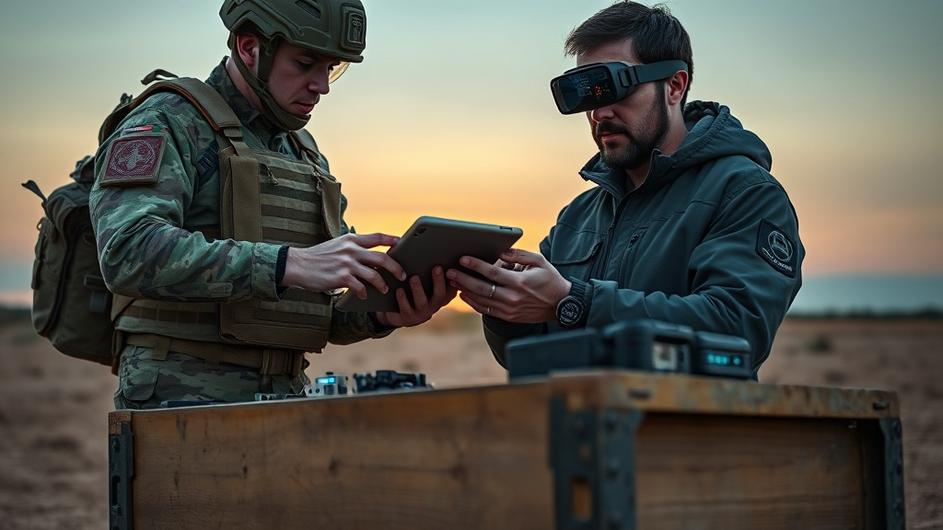
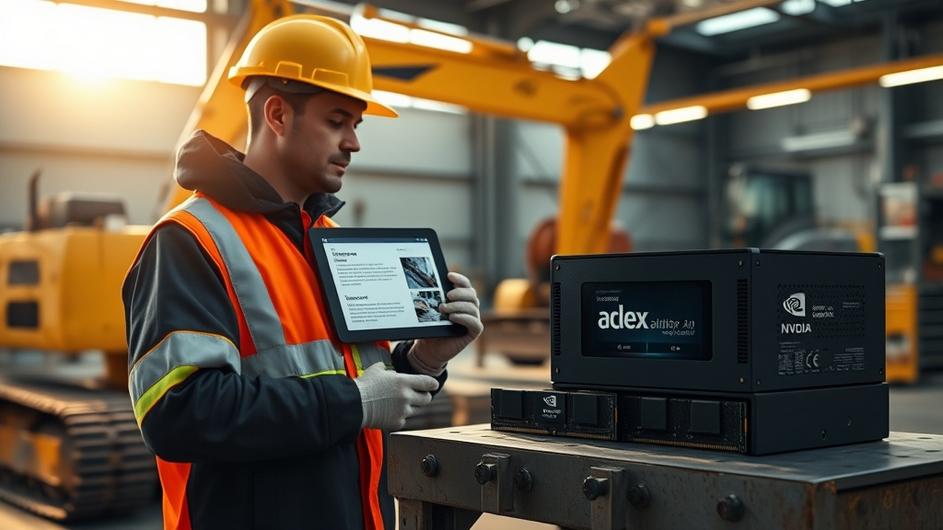
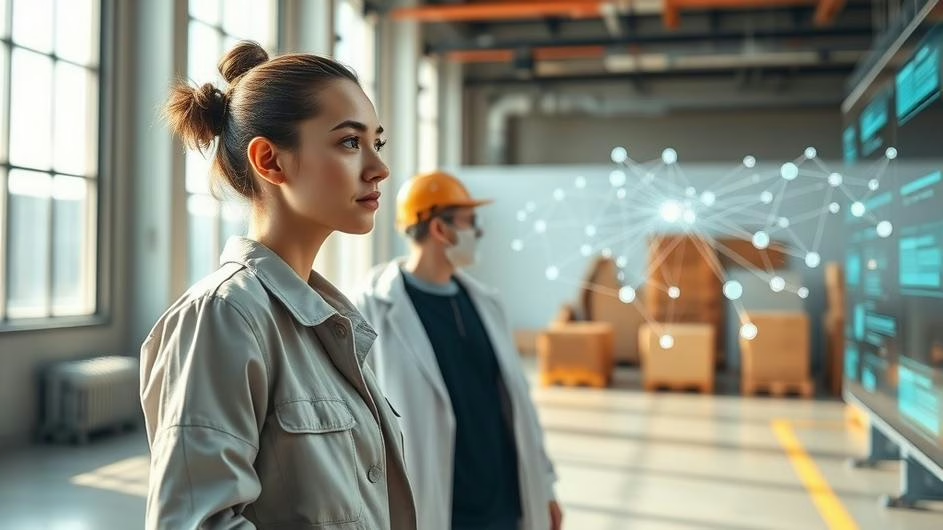
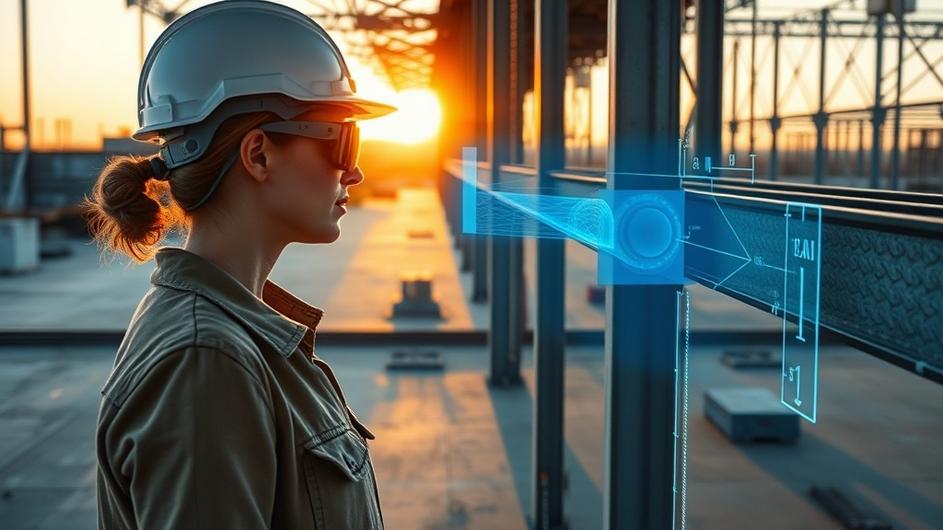
While software agents are getting smarter, robotics is undergoing its own quiet revolution. The technology is moving decisively out of controlled lab environments and into more dynamic, human-centric spaces. What’s driving this? Humanoid platforms and industrial robots are becoming more capable because their underlying AI systems now learn from a rich mix of visual, haptic, and proprioceptive inputs.
These foundation models are large, pre-trained networks that can be adapted to many tasks, similar to how language models transformed text applications. For robots, this means perception and decision-making capabilities that can generalize across different jobs. A robot trained on one type of assembly line work can potentially shift to inspection or logistics duties with far less retraining. According to The Robot Report’s January 2026 roundup, we’re seeing this play out in real-world demonstrations that are turning abstract capability into commercial propositions.
When Software Meets Hardware
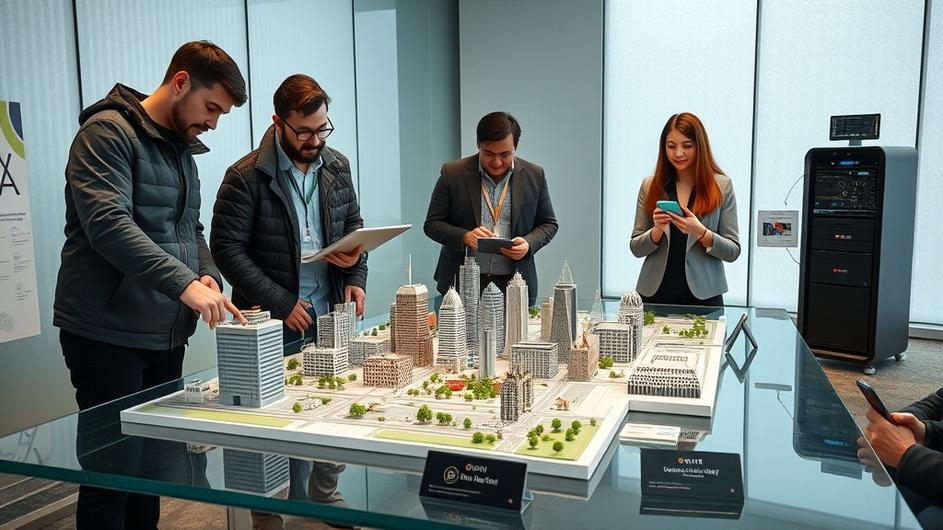
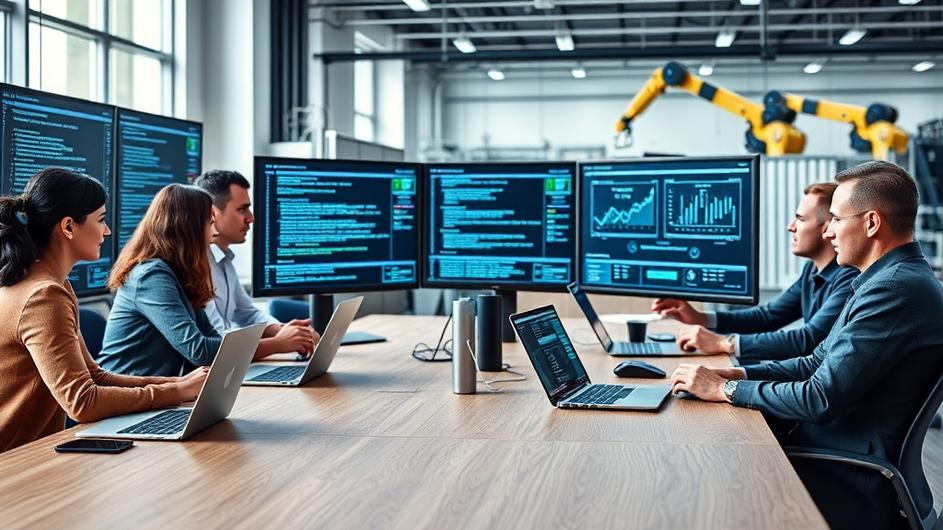
Here’s where things get really interesting. These two trends don’t exist in isolation, they amplify each other. Autonomous agents become far more useful when they can command physical actuators through standardized APIs. Conversely, robots reach new levels of utility when they’re addressed as programmable endpoints within a larger software ecosystem.
We’re beginning to see this convergence play out in strategic partnerships between model providers, cloud infrastructure companies, and industrial robot manufacturers. These alliances are creating the essential plumbing that allows agents to coordinate across platforms, handing off tasks to robots, cloud services, and human teams in logical sequences. It’s a shift that mirrors what we’ve seen in AI’s broader move from cloud to physical world.

The Energy Equation
This interoperability isn’t automatic, and it’s not purely a technical challenge. It hinges on practical constraints, with energy emerging as a front-runner. Where earlier debates centered on chips and raw model size, 2026 is revealing a new bottleneck: power consumption.
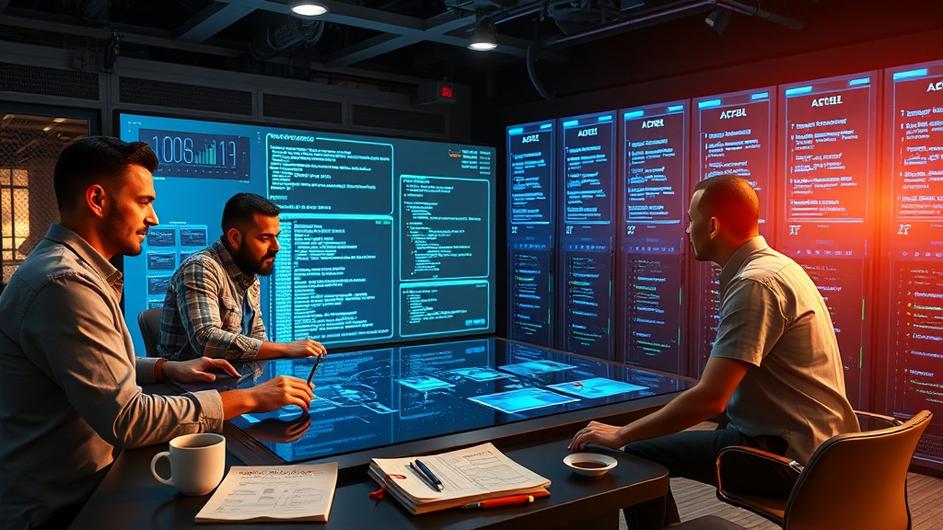
Running fleets of agents alongside multimodal models for physical robots dramatically increases power demands across both data centers and edge computing sites. Leadership in this new era will depend as much on energy strategy and operational efficiency as it does on silicon design. Expect to see more investment in power-optimized hardware, smarter scheduling algorithms, and tighter integration between on-premise energy management and cloud provisioning systems. This energy challenge is part of a larger infrastructure reckoning that’s reshaping how we think about sustainable AI deployment.
Follow the Money
Investment patterns tell a clear story about where this is heading. Funding into humanoid developers surged throughout 2025, and early 2026 has been defined by compelling demonstrations of robots executing complex tasks with AI that integrates multiple sensors. Why do these demos matter so much? They turn abstract capability into tangible commercial propositions.
When a robot can handle real variability on a factory floor or in a warehouse environment, it unlocks new use cases and establishes new expectations for service level guarantees from both software and hardware vendors. As IBM’s Mauricio Torres Echenagucia noted in his 2026 AI trends analysis, we’re moving from theoretical potential to practical implementation.
The Developer’s New Reality
All of this creates new responsibilities for developers and operations teams. Building systems that safely connect agents and robots requires clear interfaces, robust simulation and testing environments, and observability that spans both physical sensors and digital logs. Governance must be embedded from the initial design phase, with role-based controls, fail-safe modes, and predefined escalation paths for when agents encounter edge cases.
For developers, the lesson is both practical and optimistic. Learning to think in cross-domain systems becomes essential. For infrastructure teams, priorities shift toward power management and comprehensive monitoring. For business leaders, the message is clear: invest in standards and strategic partnerships now, while the shape of these ecosystems is still forming. This convergence represents what some are calling the year AI left the cloud and started working in the physical world.
What Comes Next?
Looking ahead, the technology landscape will increasingly favor orchestration and ecosystem thinking. The most successful companies will be those that make it easy to assemble agents, models, cloud services, and robots into coherent workflows that are secure, energy-aware, and auditable. This shift will create space for specialized middleware, verification tools, and industry standards, while generating new job opportunities at the intersection of AI, controls engineering, and infrastructure management.
The convergence of autonomous agents and capable robots promises more than just greater automation. It opens the door to entirely new classes of products and services. If managed with care, transparency, and technical rigor, this next phase won’t be about simply replacing human tasks. Instead, it will focus on orchestrating complementary capabilities, unlocking higher value for businesses and creating more meaningful roles for people.
For those building in this space, the path forward involves embracing complexity while maintaining simplicity at the interface level. It means thinking about energy consumption as a first-order design constraint, not an afterthought. And it requires recognizing that the most powerful applications will emerge not from isolated breakthroughs, but from thoughtful integration across previously separate domains.
Sources
Mauricio Torres Echenagucia (IBM) shares AI trends to watch in 2026, consultancy.lat, Thu, 29 Jan 2026
Top 10 robotics developments of January 2026, The Robot Report, Sat, 31 Jan 2026
AI Agents: The Next Leap in Business Transformation and Security, Tech Daily Update
From Robots to Renegotiated Software: How AI Is Moving Out of the Cloud and Into the Real World, Tech Daily Update
2026 Infrastructure, Intelligence, and the New Race for Reliable AI, Tech Daily Update
CES 2026: When AI Left the Cloud and Entered the Real World, Tech Daily Update
The Year of Reckoning for AI Infrastructure: Investors and the Race for Viable Models, Tech Daily Update