The New AR Reset: Why 2025 Rewrote the Hardware Playbook and What Developers Should Build Next
Remember when everyone thought augmented reality hardware would follow a predictable path toward bulky headsets and sci-fi interfaces? 2025 had other plans. This wasn’t just another year of incremental updates, it was a full commercial reset that caught even seasoned industry watchers off guard. Big companies changed priorities, prices shifted dramatically, and a new class of wearables emerged showing what practical, everyday AR might actually look like.
For developers and product teams, this isn’t some minor calendar adjustment. It’s a fundamental rethink of product roadmaps, engineering tradeoffs, and the user experiences that will actually gain traction when hardware finally finds its footing. The old playbook got tossed out, and a new one is being written in real time.
The Headlines Tell the Story
Look at what happened with Meta. They delayed their flagship mixed reality glasses, internally called Phoenix, from an imminent launch all the way to 2027. That single move recalibrated expectations for what was supposed to be a high-profile platform debut. But here’s what’s interesting, Meta didn’t just hit pause. They acquired Limitless, a startup known for its pendant-style recorder and robust transcription features, and they recruited top design talent from Apple.
What does that tell us? According to analysis from Glass Almanac, these moves signal a strategic pivot away from mass-market, high-end headsets toward lightweight, always-on wearable AI experiences. The goal seems to be adding utility without the social friction of bulky headgear. It’s a recognition that people might not want to wear computers on their faces, but they might wear computers that help them navigate the world.
The Market Echoes the Pivot
This shift isn’t happening in a vacuum. Retail pricing and discounting on earlier AR products, like the Ray-Ban Meta glasses, showed bargain-level reductions that revealed something important, weak early consumer demand for existing designs. Meanwhile, more affordable pass-through VR and MR devices are starting to make home experimentation practical for regular people.
These devices use external cameras to present the real world inside a headset while layering digital content on top. Lower price points and simpler form factors are converging with a new focus on ambient intelligence, where small, stylish devices augment daily tasks instead of replacing them entirely. As another Glass Almanac report notes, these shifts could upend everything from headsets to software pricing models.
Why This Matters for Builders
So what does this mean if you’re building the next generation of tech products? Let’s break it down.
The hardware trajectory is moving decisively from maximal spectacle to practical augmentation. Think about the technologies that make sense in this phase, high-quality audio, efficient on-device speech transcription, low-power sensors, and compact display elements. Limitless-style pendant recorders show that users value unobtrusive devices that capture and augment real-world interactions, like producing instant transcripts or contextual reminders.
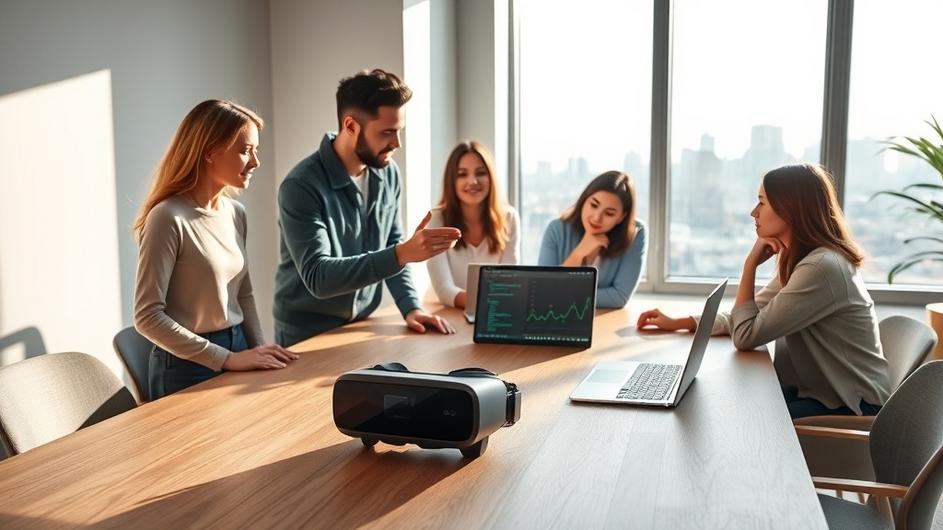
These features rely on tight integration of hardware, local AI, and cloud services. They’ll reward developers who optimize across all those layers, not just one. And here’s a crucial point, the delay of flagship headsets actually creates a valuable window for experimentation. Developers can target cheaper, pass-through MR devices as proving grounds for interaction models and middleware.
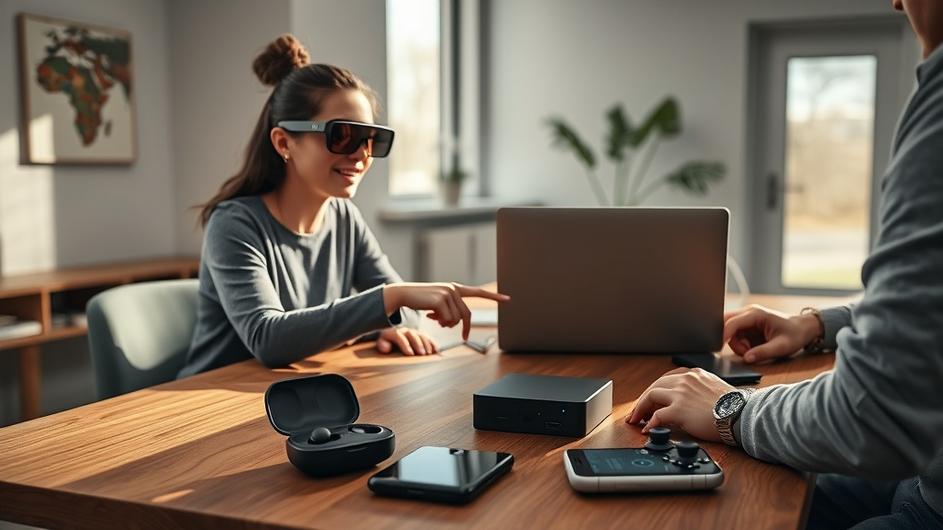
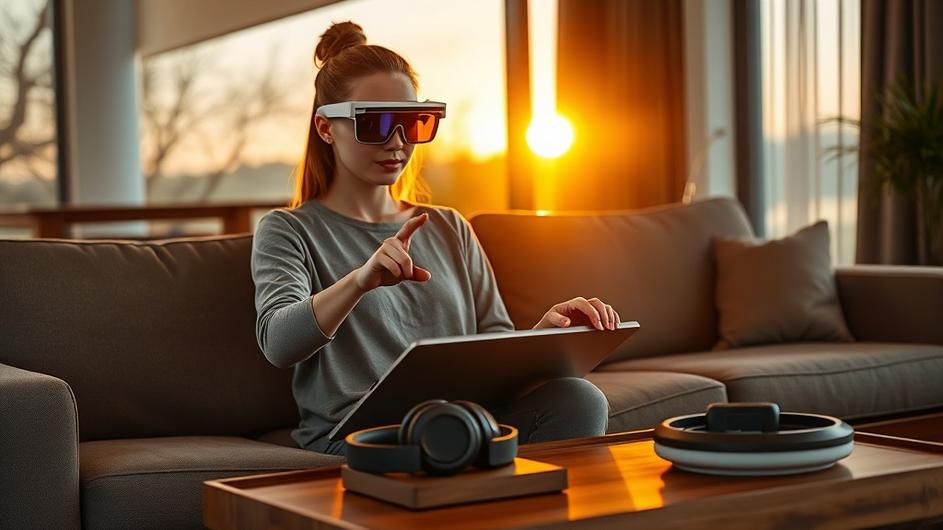
Why pin your entire product strategy on a single closed platform that might arrive years from now when you can test concepts today? Pass-through MR is particularly useful for testing spatial UI concepts because it preserves hand tracking and real-world context while allowing virtual augmentation. That combination is more forgiving than fully immersive VR for many everyday tasks.
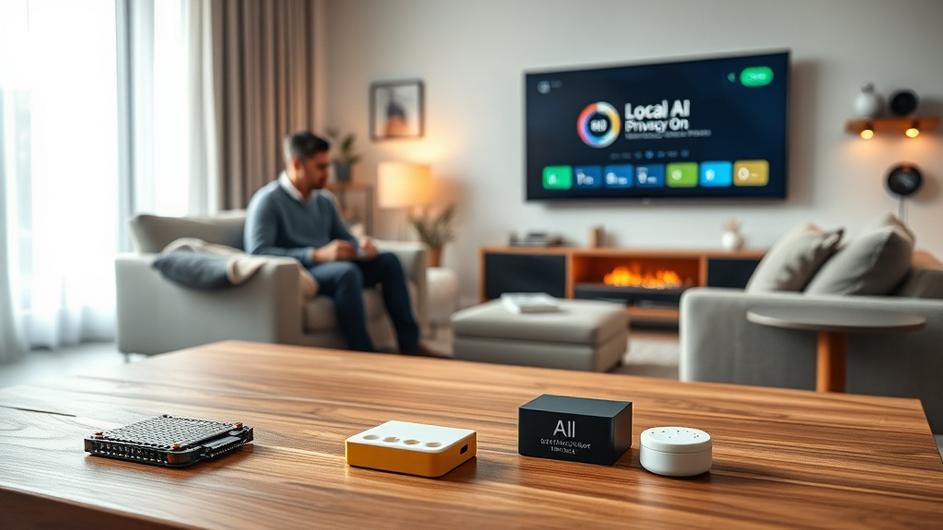
Then there’s the privacy and power question. The new emphasis on always-on assistants amplifies these constraints in ways developers can’t ignore. Always-on doesn’t mean always sending everything to the cloud. It means better on-device models for wake word detection, local transcription, and ephemeral context processing, with selective cloud synchronization for heavier tasks.
Developers should expect tighter scrutiny from regulators and more cautious users. Building transparent controls for data capture, storage, and sharing from day one isn’t just good practice, it’s becoming a market requirement.

Platform Changes You Can’t Ignore
Don’t forget about the mobile ecosystem. OS updates and vendor-specific skins continue to influence how wearables integrate with phones and watches. Samsung, for example, is actively iterating its One UI line. As SamMobile reports, the company just officially announced its One UI 8.5 beta program, underscoring how smartphone software remains a primary anchor for wearable interaction and configuration.
Seamless pairing, cross-device notifications, and consistent permission flows might sound like technical details, but they’re the practical elements that determine whether a wearable feature feels polished enough for mainstream use. Get these wrong, and your brilliant AR app becomes a frustrating experience.
What’s Coming Next
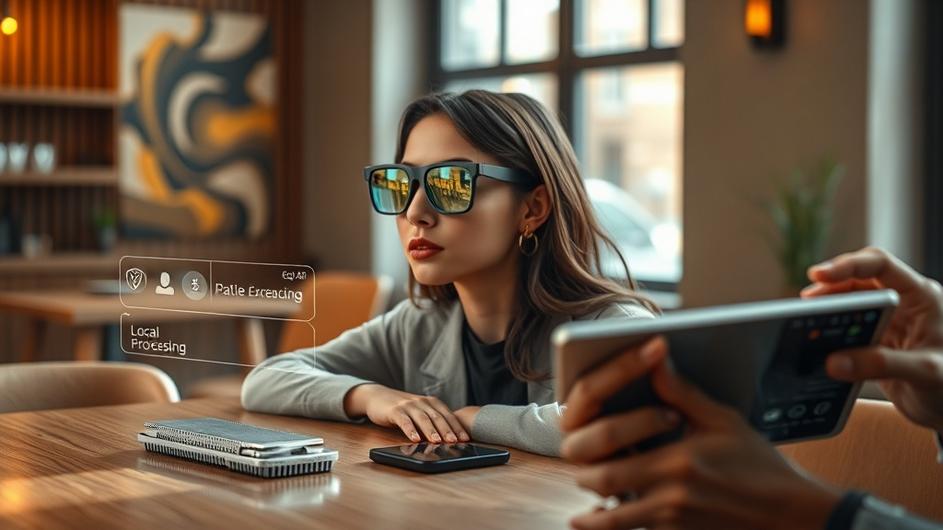
Looking ahead, reporting and demos point to a near future where glasses and compact wearables offer hands-free AI, live translation, and face-aware AR. These capabilities were until recently confined to speculative concept videos, but they’re getting real fast.
Live translation will lower barriers for global communication, while face-mapping and personal avatars will enable more expressive, context-aware overlays. As CNET’s analysis of smart glasses in 2026 suggests, these aren’t just flashy demos. They’re new input and output modalities that change what apps can actually do.
Think about it, live transcription plus contextual search makes meetings and on-the-fly note taking far more valuable. Face-aware AR opens up assistive applications, from accessibility features to real-time guidance in enterprise workflows. The implications for always-on wearable AI are profound.
A Practical Developer Checklist
So what should you actually do? Here’s a practical approach.
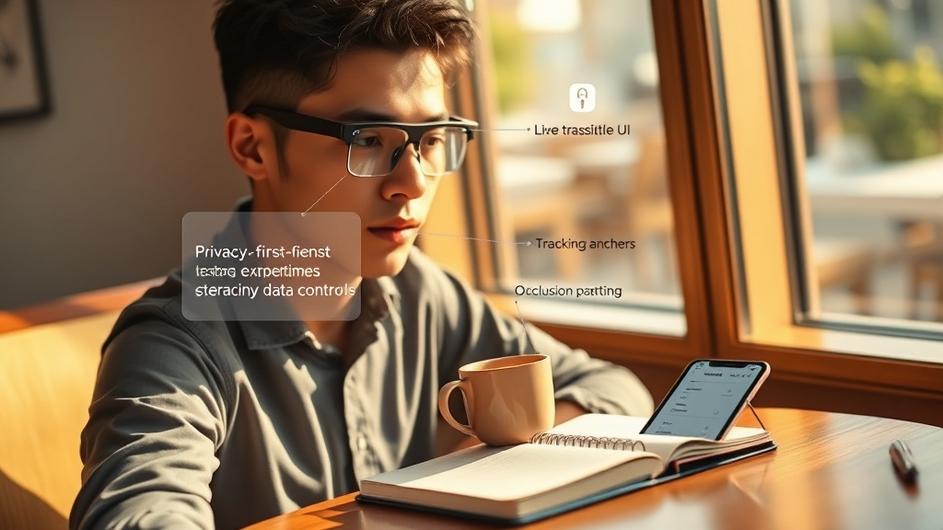
Focus on lightweight, modular experiences that can degrade gracefully as hardware and network conditions vary. Prioritize battery-efficient inference, privacy-first data handling, and UX patterns that respect social context. We’re talking subtle haptics, glanceable surfaces, and quick opt-out gestures that don’t make users feel awkward in public.
Use lower-cost pass-through MR devices as testbeds for spatial UI, but design for migration to thinner, always-on wearables that may have different sensing and compute budgets. And don’t overlook the opportunity for middleware and tooling. As hardware diversifies, developers will need consistent libraries for tracking, occlusion, and multimodal input.
Analytics that respect privacy while enabling iteration will be crucial. Edge AI frameworks that compress models without sacrificing latency will be particularly valuable, as will techniques for incremental sync that minimize cloud reliance.
The Big Picture
2025 didn’t end the AR dream, it refined it. The race is no longer just about who ships the most impressive headset. It’s about who ships devices that people actually want to use daily. That comes down to price, form factor, utility, and trust, in that order.
This reorientation benefits developers who build useful, respectful experiences rather than spectacle-first demos. If you’re planning roadmaps for 2026 and beyond, treat this reset as an invitation. Experiment now on affordable hardware, prioritize privacy and battery life, and design for gradual adoption rather than a single big launch.
Those choices will pay dividends when the next generation of thin, AI-enabled wearables arrives. The market will reward products that make life demonstrably better, not just technologically impressive. And isn’t that what good technology should do anyway?
Sources
- Glass Almanac, 7 AR Moves In 2025 That Reveal Who Wins Hardware, Here’s What Changes
- Glass Almanac, 7 AR Shifts In 2025 That Could Upend Headsets, Software, And Prices
- SamMobile, Samsung officially announcing One UI 8.5 beta program today, here’s what you need to know
- CNET, Smart Glasses in 2026: Hands-Free AI, Live Translation and AR That Maps Your Face
- Newser, Consumer Reports: These 10 Car Brands Are Tops
For more insights on how emerging technologies are reshaping development, check out our coverage of mixed reality glasses and the broader hardware landscape.