
Inside 2025’s Smartest Gadgets And What They Mean For Web3
Look around you in 2025, and you’ll notice something interesting. Consumer gadgets aren’t just getting smarter, they’re quietly becoming the front end of a whole new digital economy. Smart glasses are learning to see your world, laptops now rival workstations while sipping power, and wearables have evolved into continuous health monitors that know more about your body than you do. For crypto investors and builders, this isn’t just another hardware upgrade cycle. It’s a clear signal showing where attention, data, and real economic value will live over the next ten years.
From Screens To Lenses: Smart Glasses As The New Interface
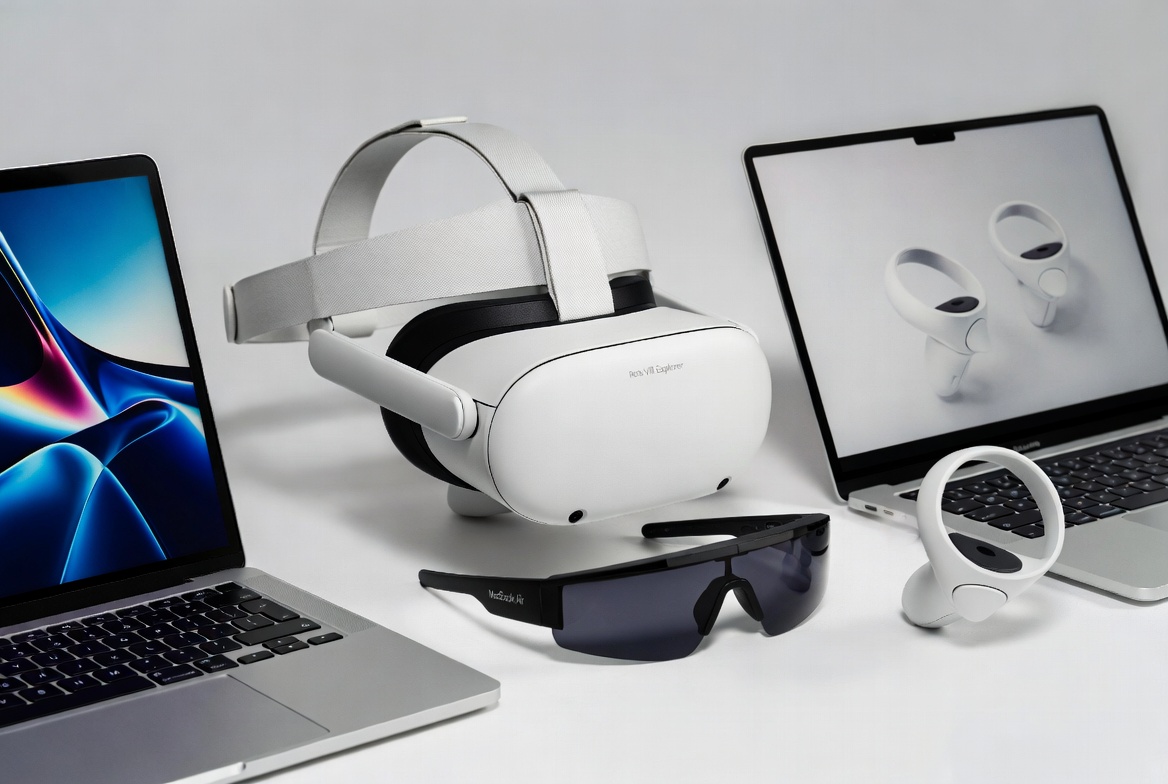
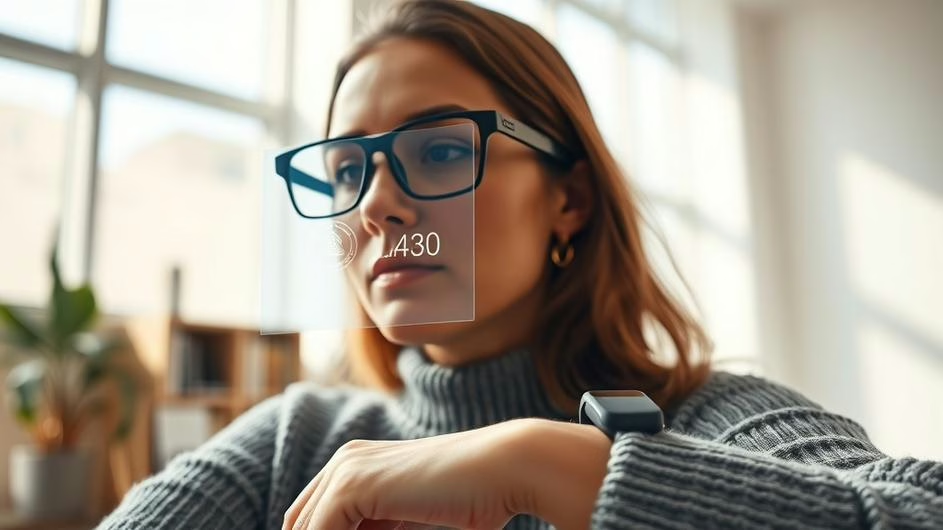
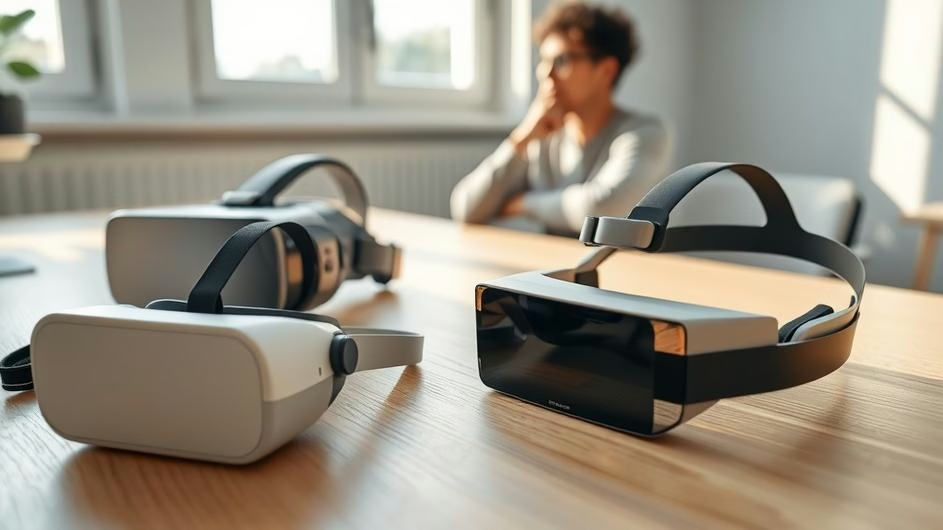
If you’ve been following gadget reviews this year, you’ve probably noticed reviewers can’t stop talking about one category. Smart glasses. Publications like TechRadar keep highlighting devices like the Xreal One Pro as standout products, praising how they pull immersive visuals into a form factor you can actually wear all day. On the lifestyle side, products like the Ferrari x Ray Ban Meta AI glasses and loomos AI Glasses show how AI assistants are migrating from our phones right into our field of view.
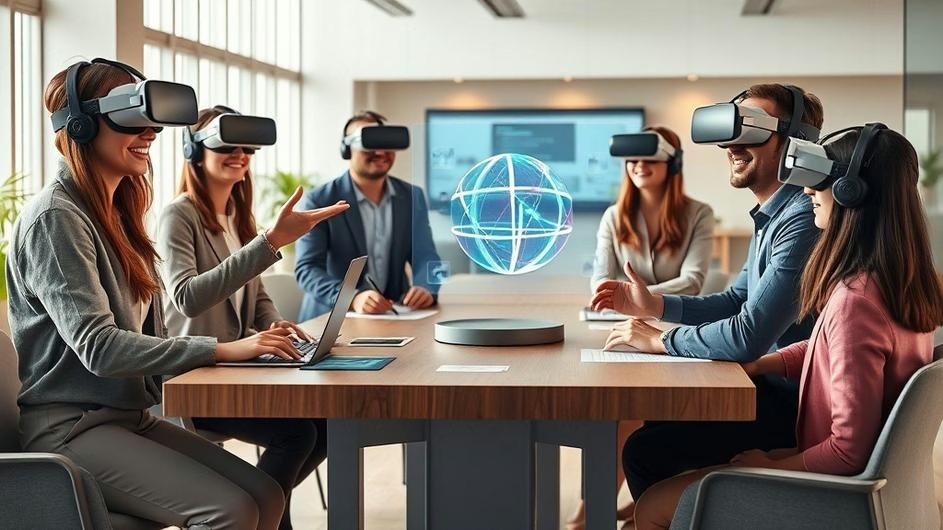
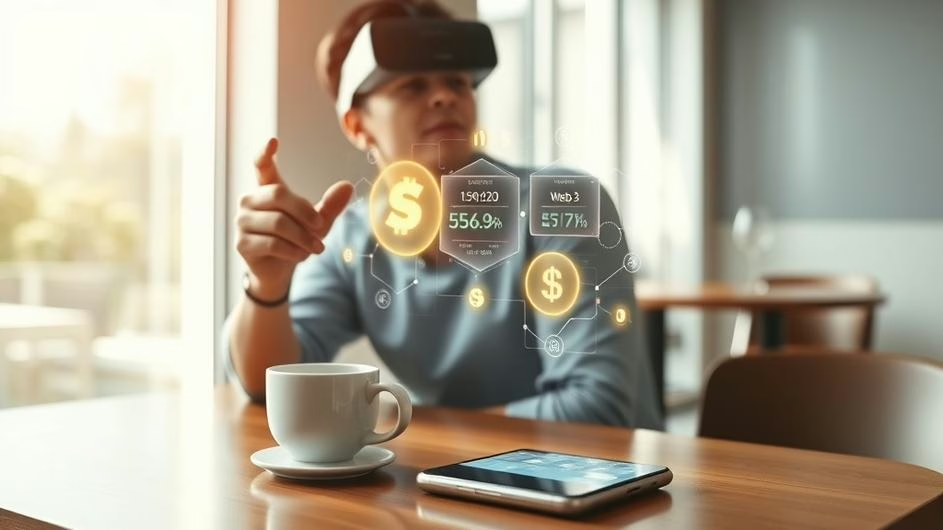
So why should Web3 folks care about this shift from screens to lenses? Well, if users start accessing apps through voice commands and simple gestures instead of tapping screens, the crypto protocols that win will be the ones that can authenticate, transact, and display value in a glanceable way. Think about token-gated AR experiences tied to your NFTs, or identity proofs embedded in real-world navigation, or location-based airdrops that appear as subtle overlays instead of annoying push notifications.
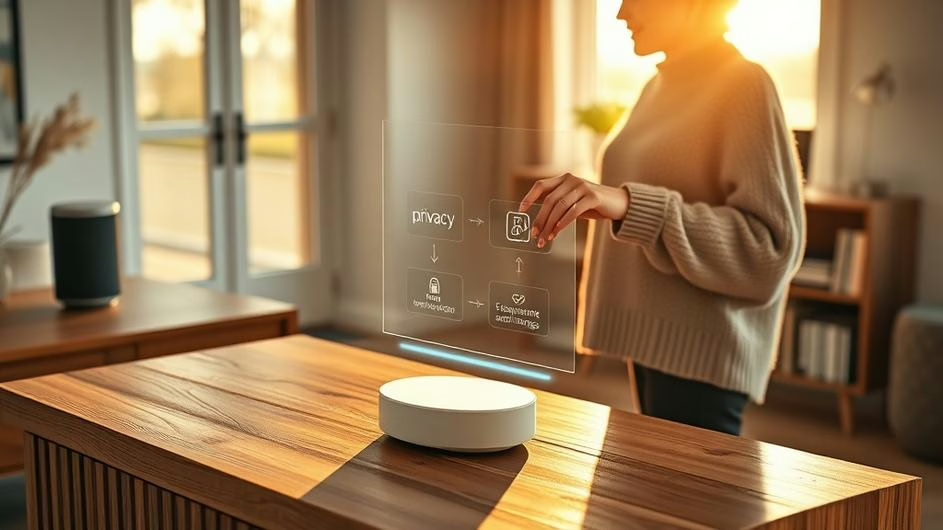
These devices collect incredibly rich context too, what you’re looking at, where you are, even how you move through space. That raises legitimate privacy concerns, sure, but it also creates a perfect use case for decentralized identity and encrypted data markets. Instead of dumping all that personal context into some corporate cloud, users could hold the keys to their own visual history. They could selectively grant access to AI models or advertisers in exchange for tokens, creating a new data economy where you actually own your digital footprint. As smart glasses mature, the question won’t just be who builds the best optics. It’ll be who builds the trust layer underneath all that data they’re collecting.
Laptops, Edge Compute, And Crypto Native Workflows
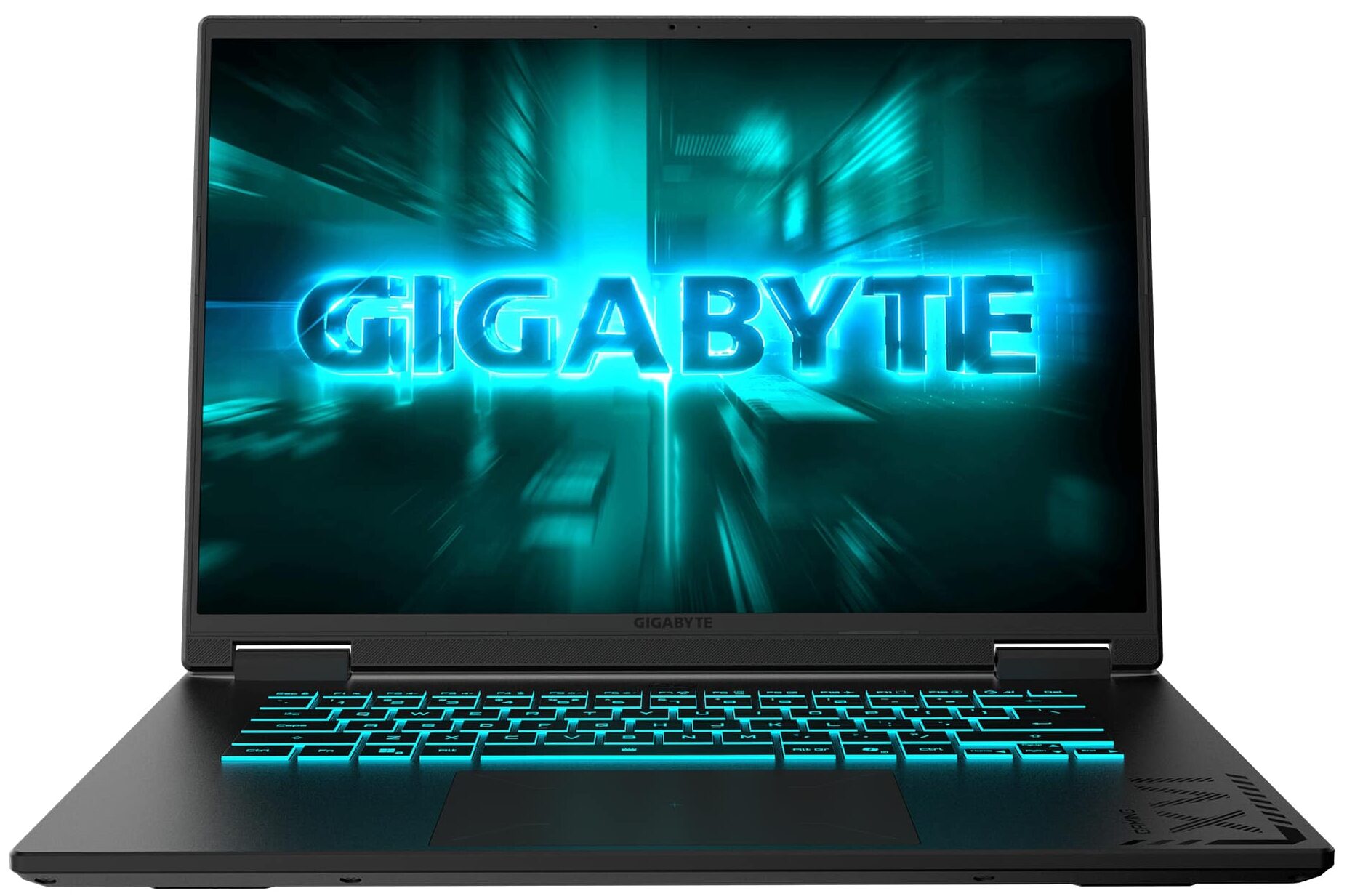
On the more traditional computing side, the Apple MacBook Air with the M4 chip keeps getting praised as that near-perfect blend of performance, weight, and cost. Reviewers note that competitors simply can’t match the combination of speed, battery life, and slim profile at this price point. Gamers and creators are finding similar power in niche devices like the ONEXPLAYER G1 handheld console and high-performance keyboards like the Machenike KT84.
This matters because serious crypto activity has shifted toward always-on, multi-device workflows. Validators, quants, and DeFi traders need machines that can run local nodes or light clients, crunch data, and maintain secure key storage without needing a server rack in their basement. The rise of efficient laptops and powerful handhelds opens the door to more decentralized infrastructure living right at the edge of the network.
What if your M-series laptop could quietly run a rollup sequencer or generate zk-proofs while you travel? Or imagine gaming handhelds doubling as secure wallets, signing on-chain actions inside the same device that renders your metaverse assets. As power efficiency keeps climbing, it’s becoming more realistic to treat personal hardware as part of the network fabric, not just a portal into it. This shift toward crypto-native computing could fundamentally change how we think about network participation.
Wearables, Health Data, And Tokenized Incentives
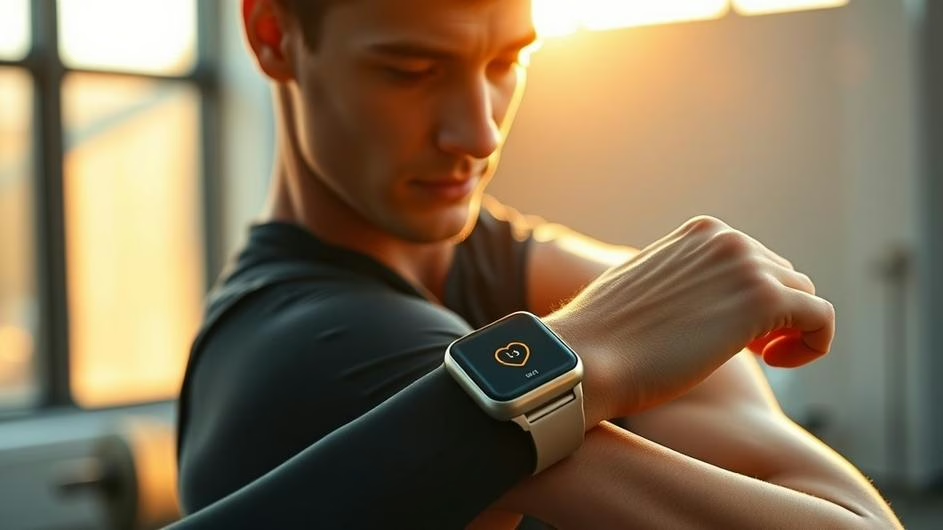
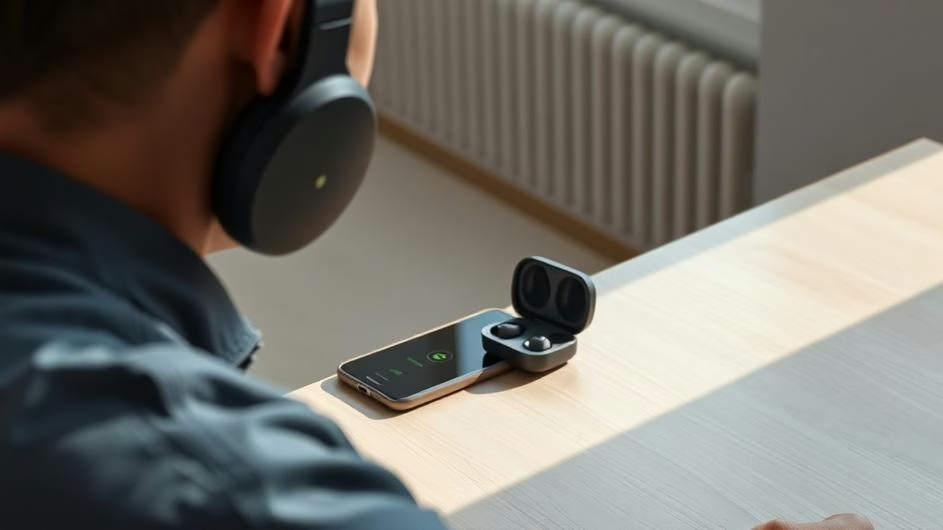
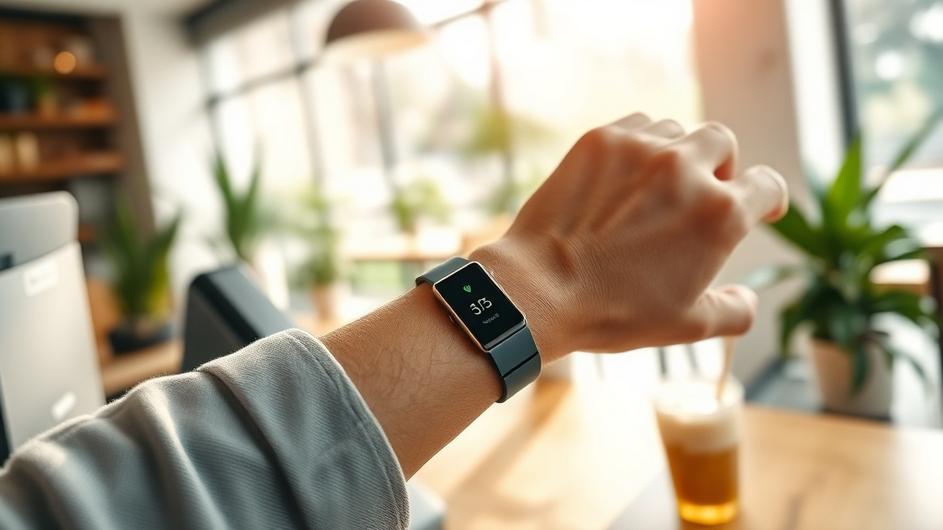
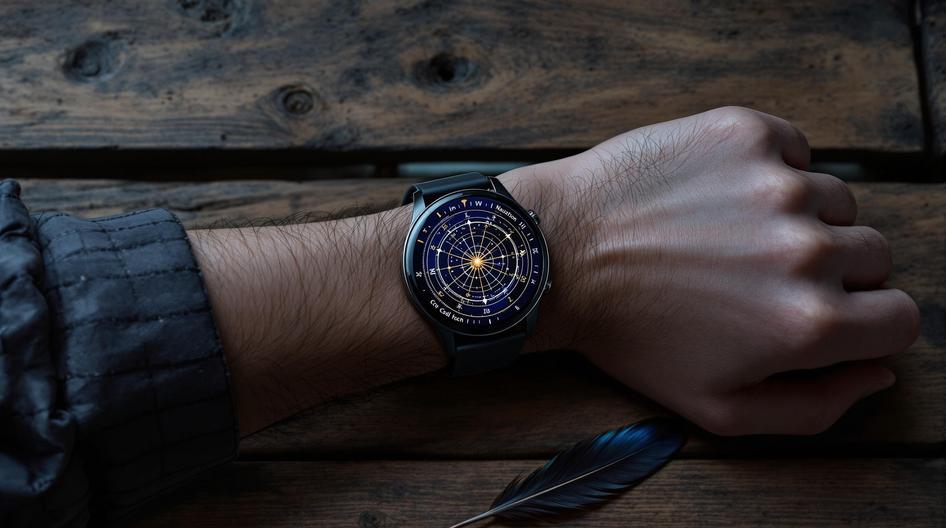
Across 2025 gadget releases, one trend stands out clearly, the elevation of health and behavior tracking. Analysts point to strong demand for more accurate smartwatches and rings, with explicit calls for better battery life and more reliable biometrics. Devices like the Xring D13, advanced sleep systems like Pod 4 Ultra, and AI-enhanced earbuds like OSO show just how far continuous sensing has come.
This is exactly the kind of data that could power tokenized health and wellness ecosystems. Imagine a protocol where verified sleep quality, heart rate variability, or workout volume can be zero-knowledge attested to DeFi platforms or insurers. Users wouldn’t share their raw biometric data, but they could still unlock lower borrowing costs, premium discounts, or access to curated communities based on proofs of healthy behavior. It’s like getting better loan rates because you can prove you actually sleep eight hours a night.
To make this real, we need standardized attestations that move cleanly from wearables onto chains. That’ll demand robust AI at the edge to filter and compress signals, plus cryptography that lets users prove claims without revealing sensitive health information. The hardware trend toward better health tracking is obvious. The economic rails behind it are where Web3 can really lead.

Smarter Homes, Smarter Farms, And On-Chain Coordination
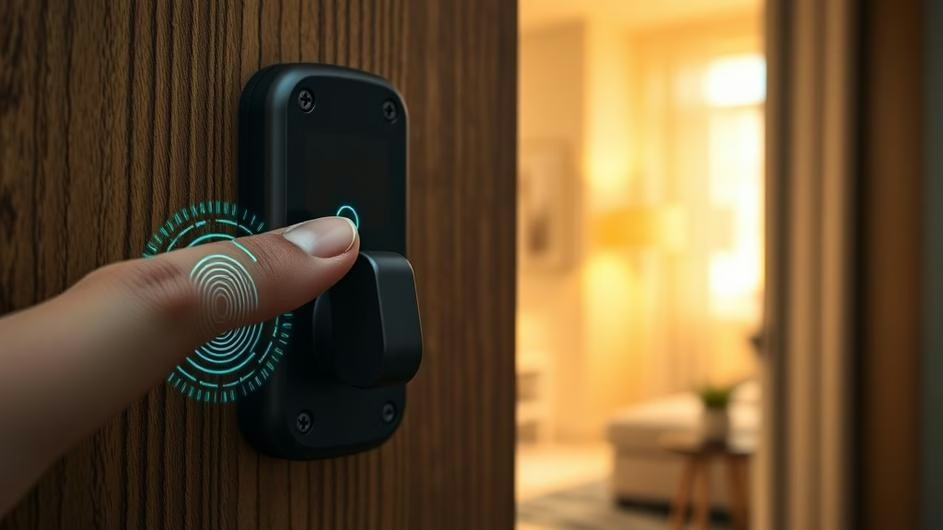
The 2025 gadget ecosystem isn’t confined to our pockets and backpacks. Smart home devices and even indoor farming systems are climbing the innovation charts. Products like Gardyn use AI to automate home growing, while BusyBar uses simple visual cues to signal availability in hybrid work setups. At the same time, guides to the best gadgets on platforms like Amazon highlight a long tail of connected sensors, AI-powered cameras, and portable projectors.
All this hardware generates streams of machine-readable events, lights turning on, energy usage patterns, plant growth cycles, presence detection. Web3 builders should see a giant coordination engine waiting to be wired in. Smart contracts can already price carbon, distribute rewards, and manage shared resources. Coupling them with reliable real-world feeds from homes, vehicles, and micro-farms will let communities coordinate on everything from neighborhood microgrids to DAO-governed shared offices.
Here’s where AI and blockchain security become deeply linked. As more decisions get automated, from watering plants to opening doors, there’s real value at stake. AI models will help interpret sensor data and propose actions. Blockchains will log those actions, enforce access controls via wallets, and handle payments. Crypto search engines that index both on-chain activity and selected IoT signals could become the dashboards that operators and regulators use to monitor entire smart districts. The future of connected living depends on getting this integration right.
AI Everywhere, Policy Catching Up, And The Road To Web3
The most striking pattern across this year’s gadget roundups is how thoroughly AI has seeped into every single category. Earbuds promise real-time translation and meeting summaries. Webcams like OBSBOT Tiny SE auto-frame and track speakers. Compact devices like TinyEdge are built specifically for AI inference at the edge. Behind them are guides, like those from Future Tech, that exist mainly to help users navigate this saturation of intelligence.
For crypto builders, this convergence presents both opportunity and warning. The opportunity lies in pairing AI inference with verifiable execution. Your headset might propose a portfolio rebalancing strategy. Your smart ring could suggest changing your insurance tier. But only a deterministic system like a blockchain can execute and settle those decisions in a way that counterparties can actually trust.
The warning is regulatory. As AI systems start influencing financial choices and devices collect more intimate data, policymakers will be forced to respond. That will almost certainly include rules about data portability, transparency, and algorithmic accountability. Web3 projects that bake in user control and auditable logic from the start will be better positioned than closed platforms relying on opaque recommendation engines. The race is on to define how edge AI and blockchain can work together responsibly.
| Gadget Category | 2025 Standout | Web3 Implication |
|---|---|---|
| Smart Glasses | Xreal One Pro, Ferrari x Ray Ban Meta | Glanceable transactions, AR NFT displays, decentralized identity |
| Laptops/Handhelds | MacBook Air M4, ONEXPLAYER G1 | Edge node operation, secure wallet integration, mobile validation |
| Wearables | Xring D13, Pod 4 Ultra, OSO earbuds | Tokenized health incentives, zero-knowledge health proofs |
| Smart Home/IoT | Gardyn, BusyBar, AI cameras | On-chain coordination, automated DAO governance, resource tracking |
| AI-Enhanced Devices | OBSBOT Tiny SE, TinyEdge | Verifiable AI execution, regulatory-compliant automation |
Looking ahead, the gadgets of 2025 aren’t just cool toys. They’re early signals of how value, identity, and coordination will work in a world where every surface can sense and every device can think. If crypto and Web3 can provide the ownership layer and the settlement rails for that environment, then the next wave of adoption might not start with some killer dApp. It could start with the glasses on your face, the laptop in your bag, and the ring on your finger. The hardware is getting ready. The question is whether our economic systems can keep up.
Sources
- “The best tech of 2025 so far – the 17 finest gadgets we’ve tested this year,” TechRadar, 2025
- “23 New Gadgets And Inventions (2025) That You Will Want to Buy,” Future Tech (YouTube), 2025
- “Latest Tech Gadget Releases and Trends 2025: What’s New?,” Accio, August 2025
- “Amazon Best Tech Gadgets 2025: Top Innovations Guide,” Vertu, 2025
- “13 New Tech (2025) That You Will Want To Buy,” Future Tech (YouTube), June 1, 2025