
How AR Glasses, AI Chips, and Privacy Debates Will Redraw Consumer Tech in 2026
If the last months of 2025 felt like a handoff, that’s because they were. Prototypes and press releases finally stepped aside for actual products and serious platform bets. Hardware makers and software giants are converging on a simple, powerful idea: apps will determine which AR ecosystems win, and the economics of AI infrastructure will decide who can afford to play at all. For developers and tech leaders, this convergence isn’t just interesting, it’s creating new design constraints, fresh business models, and some urgent questions about privacy and regulation that can’t be ignored.
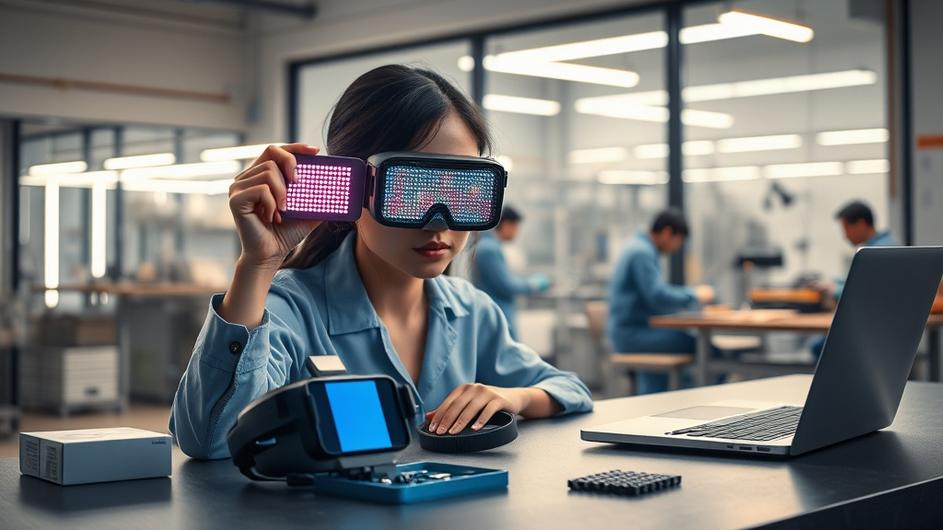
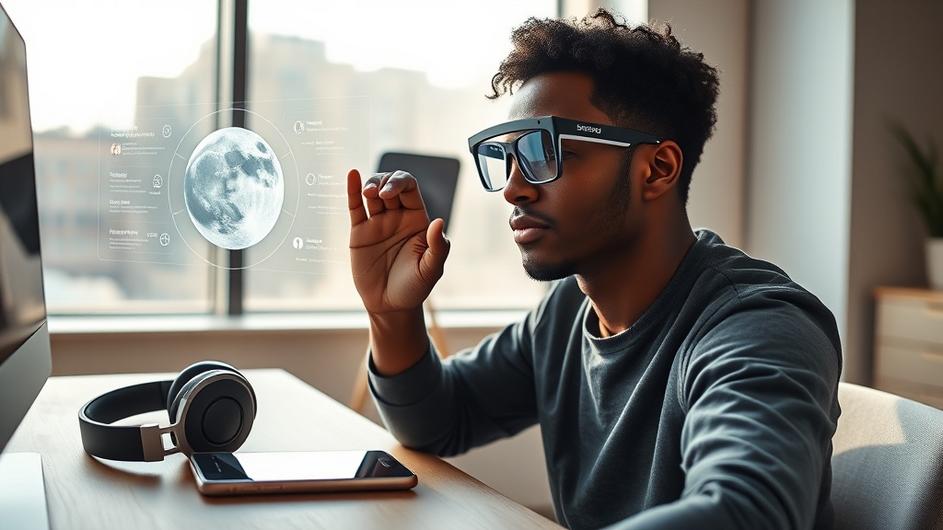
Google’s Project Aura made that direction crystal clear. By positioning Android XR as an app-first platform, Google signaled that compatibility matters more than bespoke hardware. Think about it: Android XR is essentially a framework that lets augmented reality applications run across different glasses and headsets. For developers, that means one codebase could, in theory, reach multiple devices. That lowers the friction for experimentation and distribution dramatically. For consumers, it means buying a pair of glasses shouldn’t lock them out of an entire ecosystem of apps. It’s a smart play, and it reflects a broader reset in how we think about AR hardware.
When Fashion Meets Function
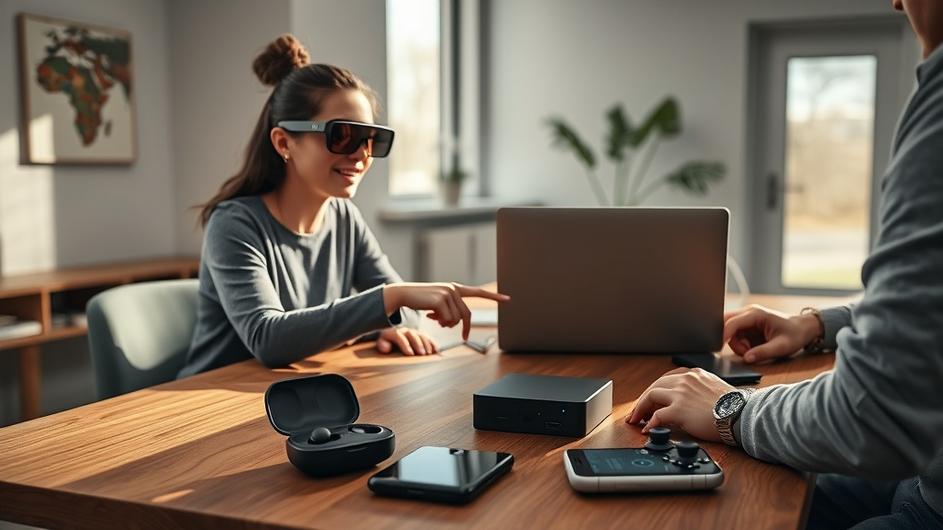
At the same time, fashion and retail brands are getting their hands dirty with hardware. Warby Parker and Gentle Monster announced partnerships to ship lightweight, AI-enabled glasses that will support Android XR apps. This is way more than a marketing move. Let’s be honest, whether people actually adopt wearable AR will depend on comfort, style, and battery life just as much as on flashy features. Will consumers want to wear these things for hours, or just minutes? Design partnerships with companies that understand wearability will decide that question. It’s part of a larger trend we’ve been tracking, where design is becoming as critical as silicon.
Apple, of course, is pressing in its own direction. Internal cues like the rumored Liquid Glass UI hint at an AR-first interface, suggesting Apple might offer a completely different interaction model than Android XR. Meanwhile, products like Apple’s Vision Pro have already pushed concepts like digital avatars into the mainstream conversation. That raises fascinating UX questions about identity, presence, and the social norms of mixed reality. How do you represent yourself in a space that’s both digital and physical? It’s not just a tech problem, it’s a human one.
The Hardware Pipeline Gets Real
The speculation is over, the hardware pipeline is becoming real. Snap has consumer AR glasses entering the mainstream pipeline, and several startups and incumbents are preparing mass-market launches for 2026. For developers, this timing is everything. A true mass market will reward apps that can scale and integrate seamlessly with cloud services, on-device AI, and the unique sensors that glasses bring to the table. This isn’t about niche gadgets anymore, it’s about building for what comes after the smartphone, as we explored in our look at how 2026 will rewire our expectations.
Which brings us to the unsung hero, or maybe the potential bottleneck, of this whole equation: AI infrastructure. Nvidia’s move to license inference chip technology from Groq, coupled with hiring senior talent, reflects a much larger pressure point. Inference chips are the specialized processors that run trained AI models to produce outputs, like transcribing audio or recognizing objects, in real time. They’re absolutely critical for wearables because always-on or near-real-time AI tasks need efficient, low-power inference. If chipmakers and cloud providers can align to deliver inexpensive, powerful inference, product teams can build incredibly rich on-device experiences. If the market gets cold feet about the returns on AI infrastructure, funding dries up, margins compress, and the whole product rollout slows to a crawl. It’s the kind of behind-the-scenes move that defines a new wearable moment.
The Privacy Elephant in the Room
Then there’s the issue that keeps regulators up at night: privacy. Meta’s acquisition of Limitless, a startup known for a conversation-recording pendant, didn’t just raise eyebrows, it sharpened alarm bells among advocates and lawmakers. Always-on assistants that record, analyze, and respond to ambient conversations create obvious, massive surveillance risks. The very technology that makes the user experience magical also creates novel vectors for misuse. Europe and other jurisdictions are already scrutinizing smart glasses and AI wearables, and those reviews will directly shape product features, data flows, and developer responsibilities. You can’t build the future without building trust first.
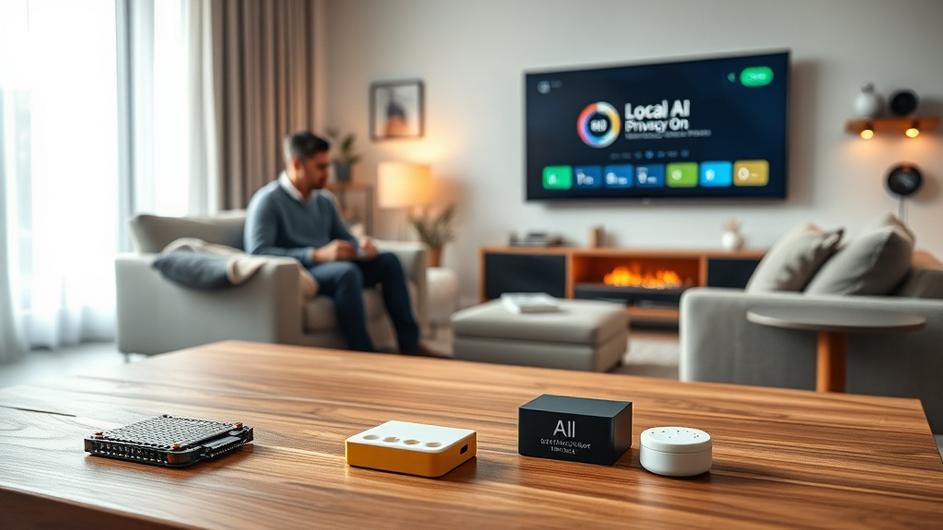
For developers, the implication is clear, even if the regulatory timeline is messy. Apps must be built with privacy by design, offering genuine transparency and user controls for data collection, transfer, and deletion. On-device processing becomes not just a performance choice, but a fundamental privacy feature. When possible, performing sensitive inference locally reduces the exposure of raw audio and video to cloud systems. It’s a technical challenge, but also a necessary one for consumer acceptance.

Phones Aren’t Going Anywhere (Yet)
Let’s be clear, smartphones aren’t disappearing overnight. As highlighted in the roundup of the best phones of 2025, these devices remain the central computing hub for most users. Foldable devices and AR-capable handsets will continue to evolve. But glasses aim to be a companion, not a replacement. They’re about providing glanceable, context-aware interfaces that offload common tasks from a screen in your pocket to a surface on your face. It’s an augmentation, a shift in how we interact with information, not a wholesale swap. This complementary relationship is a key part of understanding the new era of personal tech.
What Builders Should Do Next
So, we’re at a design and business inflection point. What does that mean for the people actually building this future?
Developers should prioritize cross-platform compatibility, low-latency inference, and clear privacy affordances. Don’t build for a single device, build for an ecosystem. Product teams need to partner with industrial designers early, maybe earlier than they’re used to, because consumer adoption will be decided at the intersection of utility and comfort. Is it useful? Great. Is it also comfortable to wear for a full workday? That’s the harder question. Investors and infrastructure teams should watch chip licensing and talent moves like a hawk, because these will determine the cost of delivering compelling AR experiences at scale.
Looking forward, expect the pace to be bifurcated. In the next 12 to 18 months, we’ll see mainstream hardware arrive, with lighter glasses and broader app platforms. Regulation and public debate will shape default privacy settings and define what society deems acceptable use cases. Meanwhile, parallel advances in inference chips and edge AI will decide just how rich and responsive those experiences can be without murdering battery life or exploding cloud budgets.
The story here isn’t only about headsets or chips. It’s about an interconnected ecosystem. Apps, hardware design, cloud economics, and governance are all linked now, more than ever. The companies that succeed will be the ones that can connect these pieces, deliver seamless cross-device experiences, and genuinely heed the social consequences of deploying always-listening, always-seeing interfaces into the world.
For developers and technologists, this is genuinely exciting territory. There will be hard engineering problems to solve, ethical trade-offs to navigate, and new opportunities to craft experiences that feel natural rather than intrusive. If you’re building for this future, think compatibility first, optimize ruthlessly for inference, and make privacy a visible, celebrated feature. Do that, and the next wave of AR won’t feel like a leap into science fiction. It’ll feel like the next sensible, inevitable chapter of everyday computing.
Sources & Further Reading
This analysis is informed by recent reporting and industry shifts. For a deeper dive into the AR landscape, check out 5 AR Moves That Will Reshape 2026, which outlines the concrete changes coming for consumers. To understand the full context of this hardware transition, our previous coverage on how AR unfolded in 2025 provides essential background. The journey from prototypes to products is never straightforward, but as 2025 demonstrated, it’s in these pivot years that the foundations for the next decade are laid.