How 2026’s Mobile Wave Is Rewriting Devices, Cameras, and AR
If you’ve been tracking the tech beat lately, 2026 is shaping up to be one of those years where everything seems to click into place. It’s not just about faster processors or brighter screens anymore. We’re watching steady hardware improvements collide with genuine platform shifts, and the results are rewriting what our devices can do. From Samsung’s latest unveilings to the buzz at Mobile World Congress, from Apple’s supply chain chess moves to the quiet rollout of Android XR, the industry is aligning around a few themes that actually matter to people who use this stuff every day.
Cameras are getting smarter in ways that help you take better photos without thinking about it. Displays are becoming more expressive, not just brighter. Augmented reality is finally moving from flashy demos to actual retail shelves. And where these devices get built is starting to matter as much as what’s inside them. For developers, product teams, and anyone who cares about where tech is headed, 2026 feels like a checkpoint moment.
Samsung’s Practical Upgrades: More Than Just Specs
At Samsung’s Galaxy Unpacked event, the company did what it often does: announced an S26 family that leaks had already revealed. But look past the predictable reveals, and you’ll find practical upgrades that change how these phones work in your hand. The S26 Ultra keeps pushing camera performance, but this time with wider apertures on both the main and ultrawide lenses. What does that actually mean for your photos? More light reaches the sensor, which translates to better low-light shots without leaning entirely on software tricks to clean things up.
According to CNET’s coverage of the biggest announcements, Samsung also previewed display tech that prioritizes real-world utility over headline brightness numbers. We’re talking about visibility in direct sunlight and screens that adapt intelligently to different lighting conditions. The Galaxy Buds 4 got a fresh design and internal upgrades, while Samsung’s software work leaned heavily into AI features that augment your daily interactions rather than replace them. For developers watching this unfold, the pattern is clear: device makers are mixing modest sensor improvements with serious investment in AI-driven experiences.
Xiaomi’s MWC Play: Cameras and Smooth Screens
Meanwhile, over at Mobile World Congress, Xiaomi made its move. The company showed off the 17 Ultra and a Leica Leitzphone Camera Edition, signaling that camera partnerships and computational imaging remain central to how Android flagships differentiate themselves. The message was straightforward: optics, software, and brand collaborations still sell phones. But Xiaomi didn’t stop there. The company also launched the Pad 8 globally with a 144 Hz display at competitive pricing, as Notebookcheck reported.
That 144 Hz refresh rate means the screen updates 144 times per second, making motion, scrolling, and gaming noticeably smoother than traditional 60 Hz panels. That responsiveness isn’t just about gaming bragging rights. It matters for emerging AR interfaces and consumer apps that demand fluid interaction. The broader context here, as we explored in our MWC 2026 analysis, is about how massive AI funding is reshaping mobile networks and what developers can build on top of them.
Apple’s Two-Track Strategy
Apple’s roadmap is playing its own part in this 2026 story. Recent leaks around the iPhone 18 Pro and the decision to outfit the budget iPhone 17e with an A19 chip reveal a two-track strategy: make premium experiences even stronger while future-proofing entry-level models for longer upgrade cycles. Rumors of a crease-free folding display, likely debuting late in 2026, speak to the ongoing engineering push to make foldables feel like normal phones rather than exotic prototypes.
On the manufacturing side, Apple’s commitment to bring Mac mini production to Houston highlights something bigger: a strategic recalibration of supply chains and national manufacturing footprints. As Forbes noted in their Apple Loop coverage, hardware strategy isn’t only about silicon and displays anymore. It’s also about where devices are built, who builds them, and what that means for global tech ecosystems. We’ve been tracking how Apple’s product blitz and the AR glasses surge are converging to create new opportunities for developers.
The Android XR Factor: Why This Changes Everything
Underpinning all these product moves is an infrastructure change that might be the most consequential for developers: Android XR. Launched late in 2025, Android XR has turned what was once a scattering of headsets and SDK prototypes into a coherent platform. Suddenly, it’s easier for apps to target immersive displays and spatial interfaces. That platform momentum is showing up in surprising places.
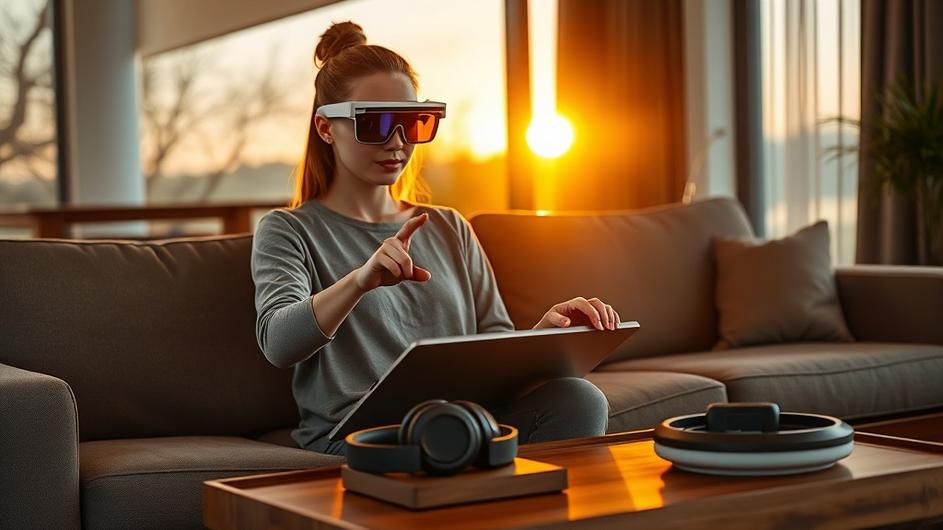
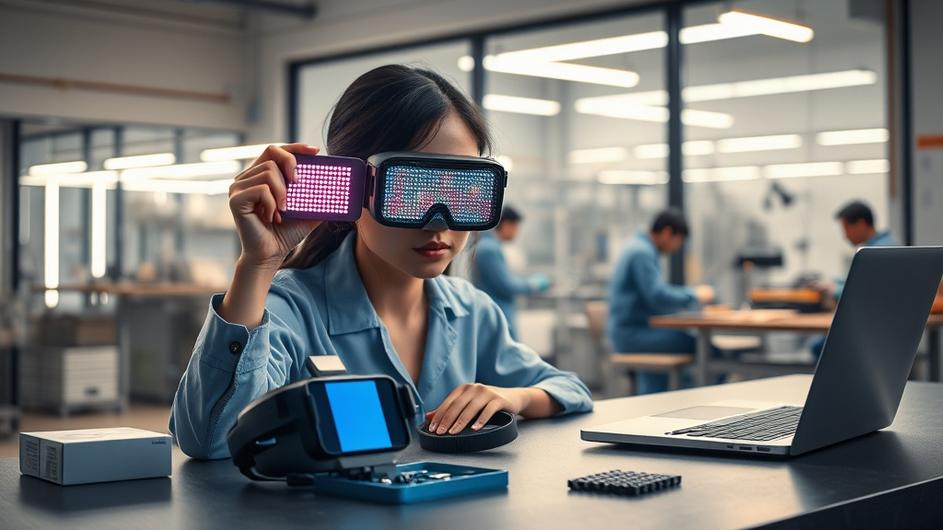
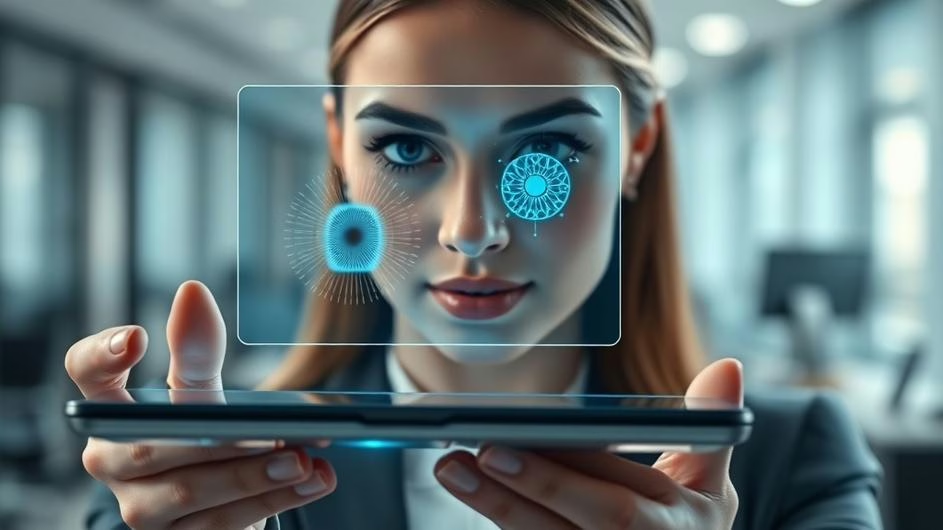
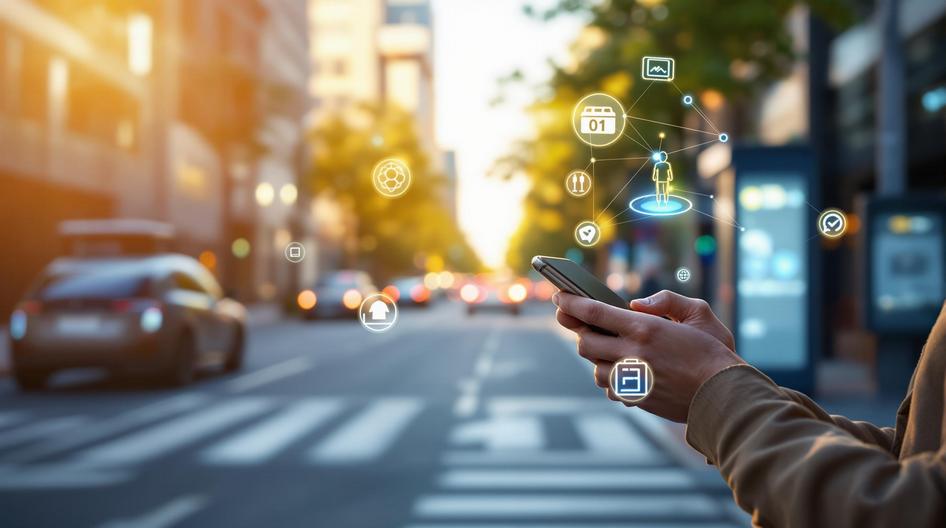
Lightweight consumer glasses are creeping back into retail, exemplified by Snap’s renewed hardware push. Hologram avatars, like the Ailias concept, promise persistent AI personalities that meet you in augmented reality. These aren’t just fancy demos. They’re AI-driven agents rendered in shared spaces that raise real product questions about identity, latency, and data handling. As Glass Almanac highlighted in their analysis of 2026’s AR surprise winners, we’re seeing products and shifts that reveal where the real opportunities lie.
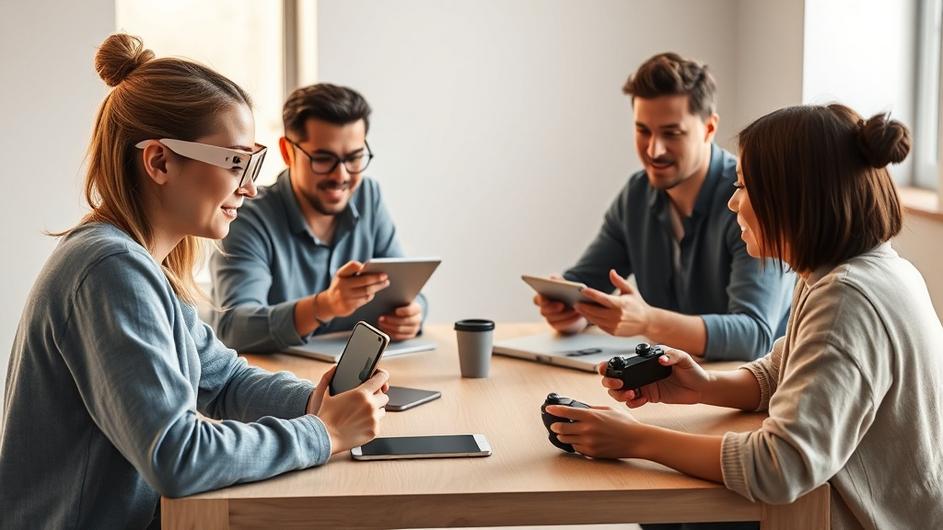
For engineers and product managers, this convergence creates new priorities that look different from last year’s checklist. Interface design needs to adapt for multiple display modalities, from high-refresh tablets to foldable surfaces to head-worn displays. Computational workloads are shifting, with more real-time inference happening at the edge to support AR overlays and avatar interactions, while still offloading to cloud models when latency allows. App ecosystems will need clear incentives to port experiences to XR, which means tools for spatial mapping, audio positioning, and consistent privacy controls across devices.
What This Means for Builders and Businesses
Let’s talk about the business side of this mobile wave. Enterprise customers are already evaluating headsets for training and remote assistance, while consumer choices will likely split between pocketable AR displays, full XR headsets, and hologram services. For content creators and developers, the question isn’t whether to engage with these platforms, but which ones to bet on first, and how to design services that degrade gracefully across different screens.
The sandbox is still wide open, but timing matters. Platform APIs and hardware revisions are aligning in 2026 in a way they didn’t the year before. As we’ve discussed in our look at how pricing pressure and AI access are rewriting hardware playbooks, the rules are changing faster than many companies can adapt.
Of course, there are technical trade-offs to manage. Higher refresh rates and richer AR experiences increase power draw, so battery chemistry and thermal design remain critical. Foldable displays demand new approaches to app continuity and layout. Camera systems that combine wider apertures with AI computational photography need pipelines that preserve color fidelity and avoid artifacts when stitching frames together. It’s not all smooth sailing, but the challenges are becoming clearer.
| 2026 Mobile Trend | Key Impact | Developer Consideration |
|---|---|---|
| Android XR Platform | Unified AR/VR development | Target spatial interfaces consistently |
| Higher Refresh Displays | Smoother motion, better AR | Optimize for 144Hz+ fluidity |
| Computational Photography | Better low-light, AI enhancement | Leverage camera APIs for context |
| Foldable Form Factors | New screen real estate patterns | Design for continuity across states |
| Edge AI Inference | Faster AR, privacy benefits | Balance on-device vs cloud processing |
Looking Ahead: The Interoperable Future
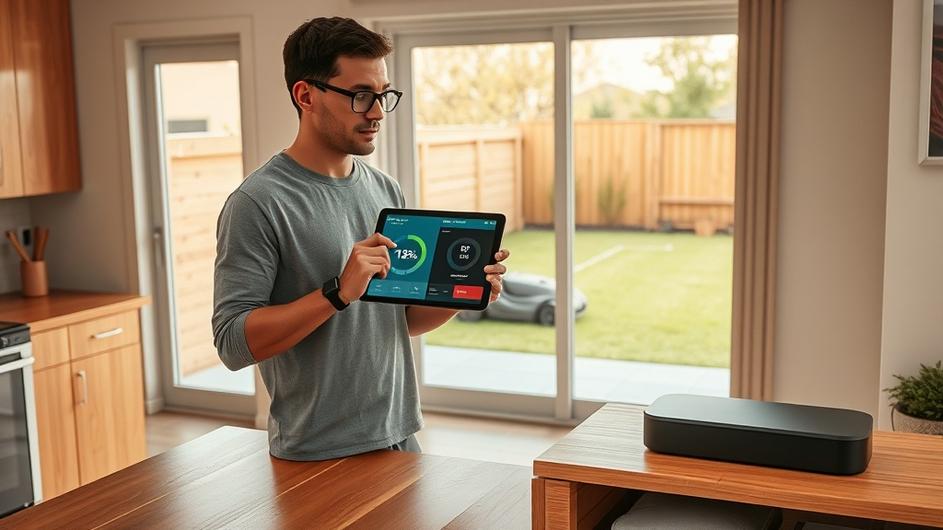
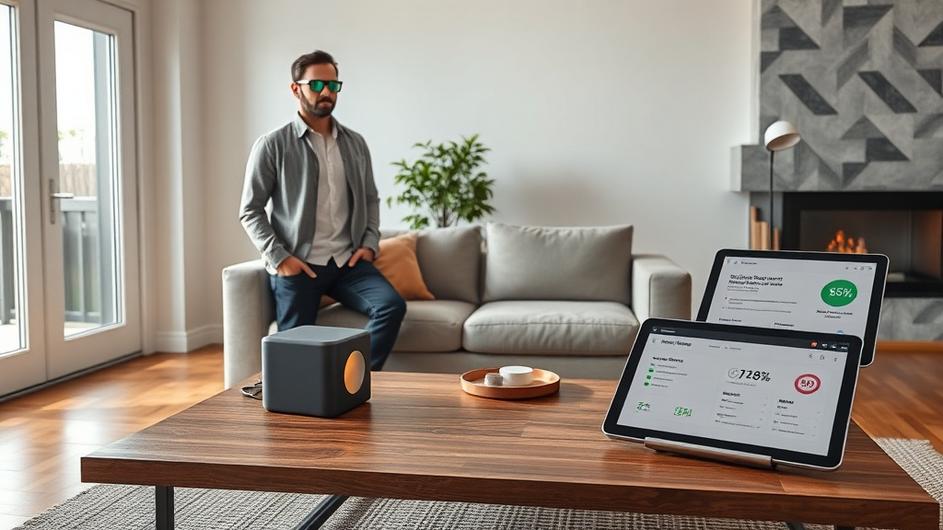
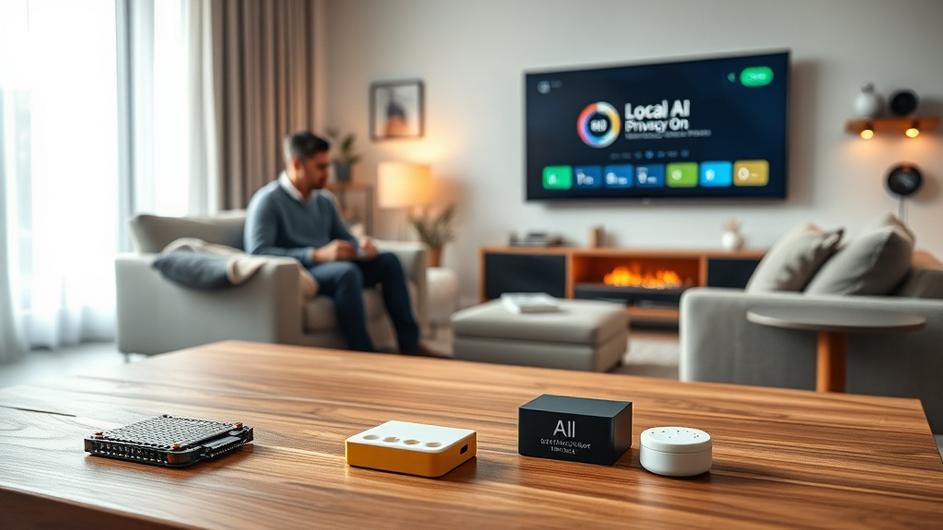
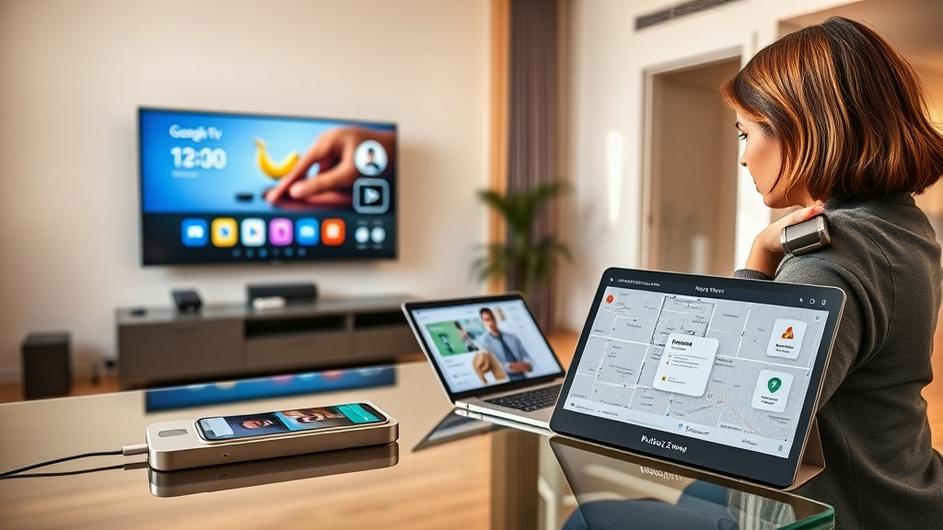
The most interesting result of these converging trends won’t be a single killer device. Instead, we’re heading toward a new expectation for interoperable, context-aware experiences that move smoothly between your pocket, your tabletop, and displays you wear on your face. For developers, this is an invitation to build systems that can adapt UI on the fly, offload smart features intelligently between device and cloud, and respect user privacy while enabling rich AR interactions.
2026 looks set to be the year where incremental hardware progress and major platform work finally meet, producing real choices for consumers and clear opportunities for innovators. If you’re a developer, start thinking in terms of modality first, then features, and design for graceful fallback. If you’re a product manager, prioritize the cross-device user journey. For everyone else, expect your phone to become a better camera, a more capable hub for AI, and the gateway to experiences that once felt futuristic but will soon feel ordinary.
The conversation around how AR glasses and flexible AI chips will redefine wearables is just getting started. What happens next depends on how quickly developers can adapt to these new paradigms, and whether the platform tools mature fast enough to support the ambitious experiences users are starting to expect.
Sources
External References:
- The 8 Biggest Announcements from Samsung’s Galaxy Unpacked 2026 Event, CNET, February 25, 2026
- 7 AR Products And Shifts Revealing 2026’s Surprise Winners – What Changes, Glass Almanac, March 2, 2026
- Apple Loop: iPhone 18 Pro Leaks, iPhone 17e’s Powerful Decision, Mac Mini’s American Adventure, Forbes, February 27, 2026
- Xiaomi’s 17 Ultra Mobile World Congress 2026 Reveal, CNET, March 2, 2026
- Xiaomi Pad 8 now official globally with 144 Hz display and mid-range pricing, Notebookcheck, February 28, 2026
Internal Analysis:
- Samsung Unpacked 2026 and the New Hardware Landscape
- MWC 2026 and the $110B Moment: What Massive AI Funding Means for Mobile Networks
- 2026 Device Moment: Apple’s Product Blitz, the AR Glasses Surge, and What It Means for Developers
- How AR Glasses and Flexible AI Chips Will Redefine Wearables in 2026
- From Foldables to Faceware: Pricing Pressure and AI Access Rewrite 2026 Hardware Playbooks