From Mining Rigs to Model Halls: How Crypto Infrastructure Is Powering the AI Era
If you wanted a crystal ball for where tech is headed this year, April delivered two clear signals. In Moscow, tens of thousands gathered to chart the future of AI and Web3. Meanwhile, former Bitcoin miners were quietly repurposing their energy-hungry facilities for a new kind of compute. Together, they’re showing us how software dreams are crashing into hardware realities, and it’s creating some fascinating opportunities for developers, investors, and infrastructure builders.
The AI Future Conference: Where Web3 Meets Practical Intelligence
The AI Future conference in Moscow wasn’t just another tech gathering. With over 20,000 developers, researchers, and founders from 100 countries, it felt more like a coming-out party for practical AI in Web3. The message was clear: everyone wants AI that actually works, not just demos that look good on stage.
Speakers focused on tools you can use today, analytical systems that deliver real insights, and automation that reduces operational overhead. For decentralized projects, this isn’t about chasing hype, it’s about finding new monetization models and improving user experiences. The question on everyone’s mind? How do we build AI that accelerates product development without breaking the bank or the planet?
From Bitcoin Rigs to GPU Farms: An Unlikely Infrastructure Solution
That hunger for compute creates a massive infrastructure headache. Training today’s AI models needs power, cooling, and connectivity on a scale that makes most companies blink. Building from scratch takes years and billions, something few can afford.
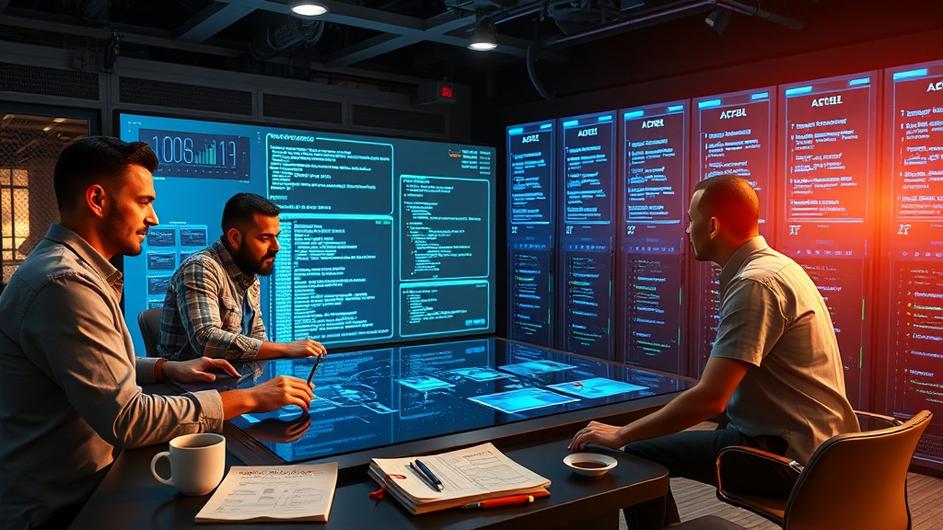
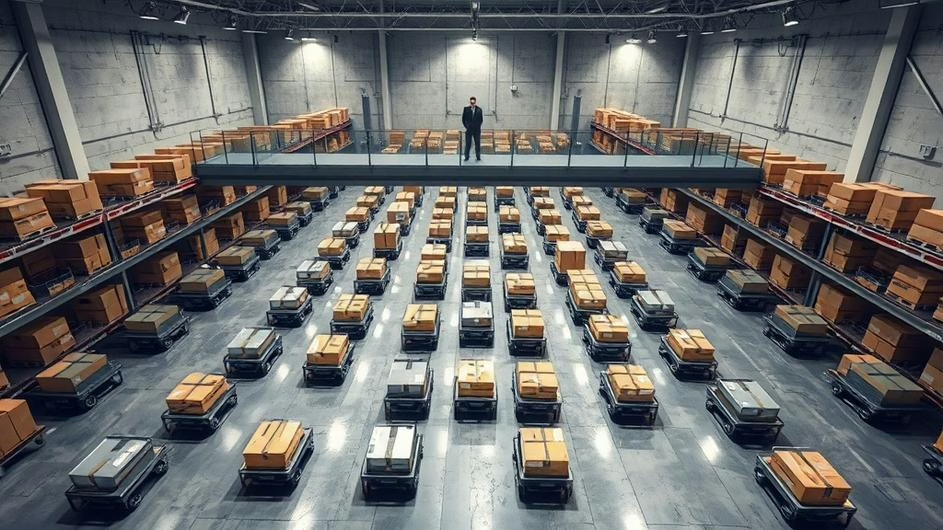
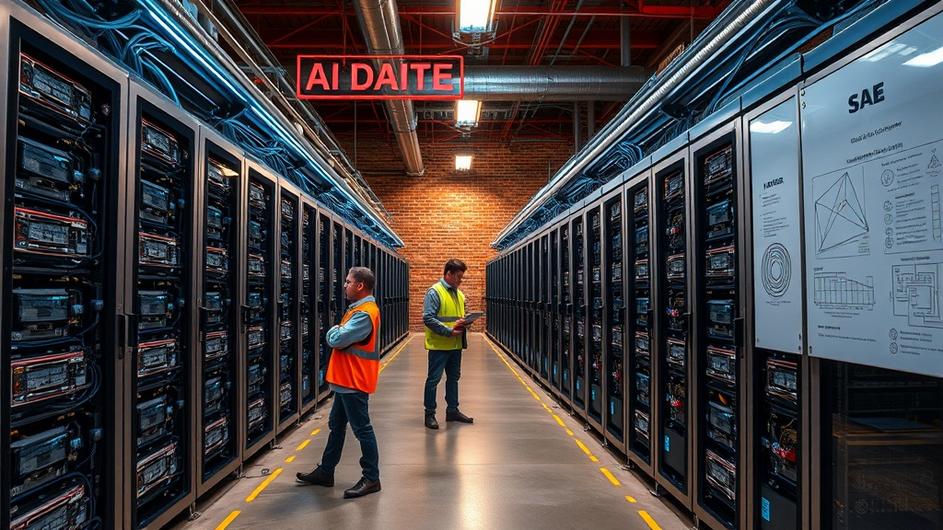
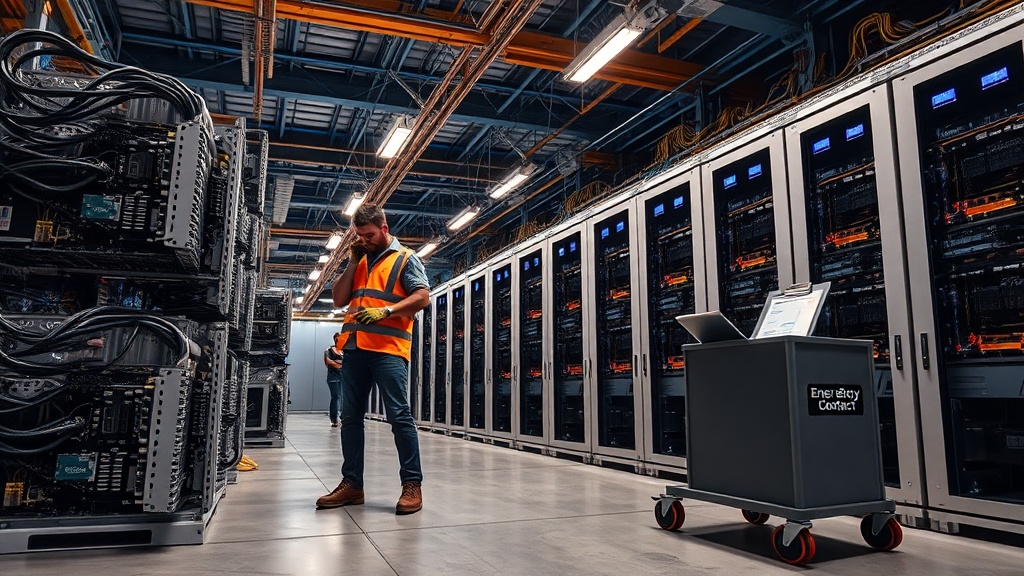
Enter an unlikely solution: former crypto miners. According to recent reports, several public crypto mining operators are now converting their facilities into AI data centers. They’re leveraging those long-term power contracts and massive footprints that once powered Bitcoin rigs to attract hyperscale tenants, the big cloud providers and AI companies that need thousands of GPUs and predictable energy.
The appeal is straightforward. Miners spent years negotiating favorable power deals for their energy-intensive operations. Those contracts, plus built-out data halls, electrical infrastructure, and permits, are suddenly valuable to AI operators. Reusing these assets cuts construction time and capital requirements significantly. Lenders like it too, they see more stable revenue streams when proven tenants sign long-term deals.
The Technical Reality: It’s Not Just a Hardware Swap
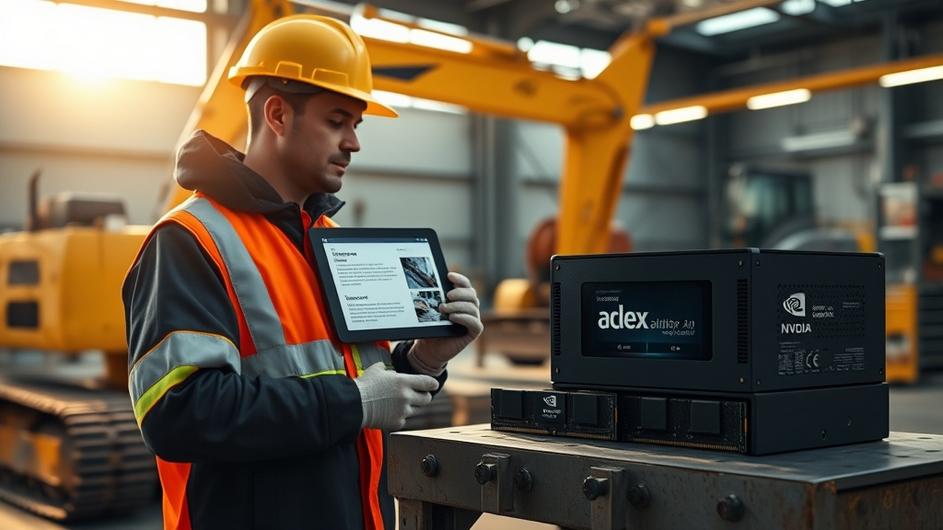
Now, converting a mining farm isn’t as simple as swapping out hardware. These facilities were built for ASICs, those specialized chips that crunch cryptocurrency algorithms. AI runs on GPUs, which have completely different power and cooling needs.
Facility owners have to retrofit electrical systems to handle different load patterns, add liquid cooling or more sophisticated air handling, and upgrade networks for the low-latency traffic between servers that AI workloads demand. Those changes aren’t cheap, but compared to ground-up construction, they’re often faster and more capital efficient.
This shift is part of a broader trend in AI infrastructure that’s rewriting how we think about compute. It’s not just about having the latest chips, it’s about having the right environment for them to run efficiently.
| Feature | Crypto Mining Facility | AI Data Center |
|---|---|---|
| Primary Hardware | ASICs (Application-Specific Integrated Circuits) | GPUs (Graphics Processing Units) |
| Power Distribution | Optimized for consistent, high-density loads | Requires flexible distribution for variable workloads |
| Cooling Requirements | Basic air cooling often sufficient | Advanced liquid cooling or sophisticated air handling |
| Network Needs | Moderate bandwidth, minimal inter-server communication | High bandwidth, low-latency interconnects between servers |
| Energy Contracts | Long-term, fixed-rate deals for mining operations | Similar contracts now valuable for AI compute |
Business Implications and Risks: A Balanced View
Financial filings suggest investors are taking this pivot seriously, but let’s be clear, the model carries real risks. Demand for GPU capacity can be cyclical, concentrated with just a handful of hyperscalers. Energy pricing remains a wild card, and regulatory scrutiny around environmental impact could affect margins.
For Web3 projects integrating AI, there’s both opportunity and complexity. Think about trading analytics that use machine learning to spot patterns before they’re obvious, or infrastructure that automatically shifts workloads to where energy is cheapest. Service automation could reduce human operations overhead significantly, but it requires new skills and monitoring systems.
The intersection of AI and Web3 is moving fast, and it’s shaping who builds what and where. Events like AI Future accelerate cross-pollination, bringing researchers and entrepreneurs together with operators who actually know how to scale hardware. For developers and infrastructure engineers, this creates career opportunities that span machine learning, high-density power engineering, and distributed systems design.
What Comes Next: The Infrastructure Evolution
Looking ahead, this marriage of crypto infrastructure and AI ambitions isn’t going away. We’ll likely see more standardized retrofits, smarter cooling solutions, and increased scrutiny on environmental performance. The winners will be teams that can blend software smarts with hardware know-how and energy market savvy.
What does this mean for the average developer or project team? First, understanding infrastructure constraints becomes more important than ever. You can’t just assume unlimited cheap compute. Second, there are real opportunities in building tools that optimize for these new hybrid environments. And third, the line between software and hardware expertise is blurring, creating demand for people who understand both domains.
The AI era won’t just be defined by smarter models, it’ll be shaped by whoever can supply the power, space, and networks those models need. As one industry veteran put it at the Moscow conference, “We spent years building infrastructure for digital gold. Now we’re retooling it for digital intelligence.”
For traders and investors watching this space, the implications are clear. Infrastructure plays matter as much as algorithm breakthroughs. And for policymakers, there are new questions about energy allocation, environmental impact, and how to support innovation without creating new bottlenecks.
So what should you watch? Keep an eye on those former mining companies making the pivot. Monitor how trading analytics and other AI-powered Web3 tools perform in production. And pay attention to energy markets, because in the end, all this intelligence needs power, and lots of it.
Sources
- AI Future: The Leading International AI and Web3 Forum to Take Place in April, Hackread, April 3, 2026
- Former Crypto Miners Pivot To AI Data Centers, Let’s Data Science, April 5, 2026