
From Incremental Upgrades to Bold Bets, 2026 Tech Is About AI, AR, and Keeping Devices Secure
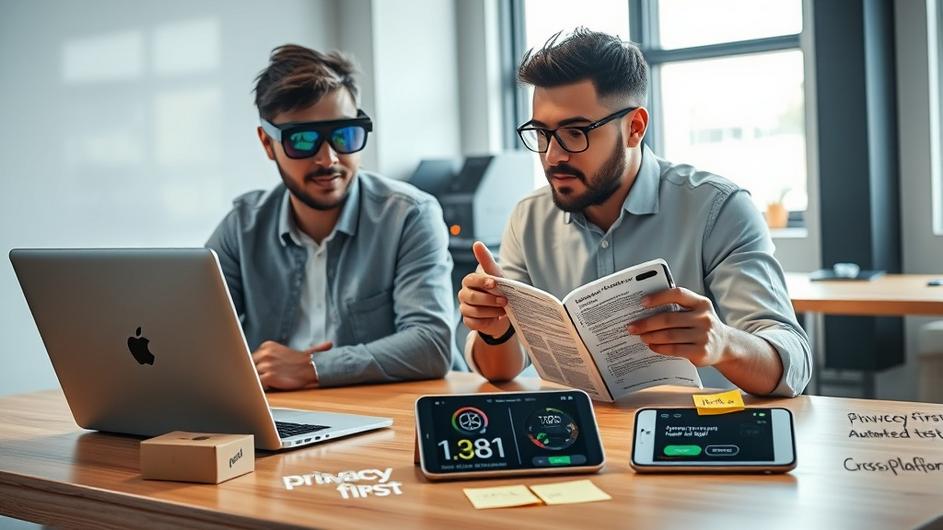
You know that feeling when spring rolls around and the tech calendar fills up with product launches? This year’s been no different, but there’s something interesting happening beneath the surface. While major vendors are shipping what look like modest hardware refreshes, they’re quietly steering the industry toward a future where artificial intelligence, augmented reality, privacy, and security all collide. For developers and product builders watching closely, the message is pretty clear: innovation in 2026 isn’t just about faster chips or sleeker designs. It’s about coordinating silicon, software, and the rules that govern how our devices see and learn from the world around us.
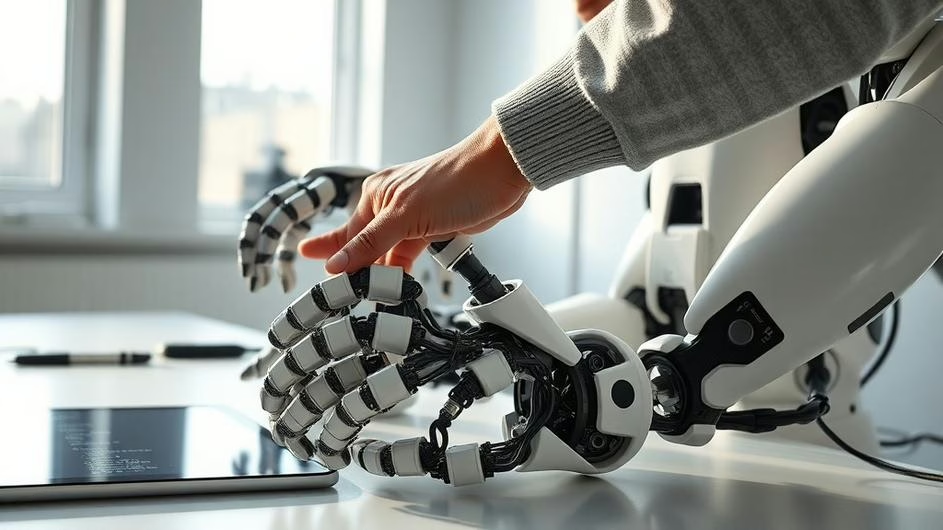
Take Apple, for instance. The company just rolled out a flood of devices that, at first glance, look pretty incremental. We’re talking refreshed iPhones, iPads, and laptops. But here’s where it gets interesting. Many of these updates center on new silicon, like the move from A16 to an A18-class chip in the new AirPods Max 2. That change brings more on-device horsepower and support for Apple Intelligence, which is Apple’s set of AI features built into iOS and macOS.
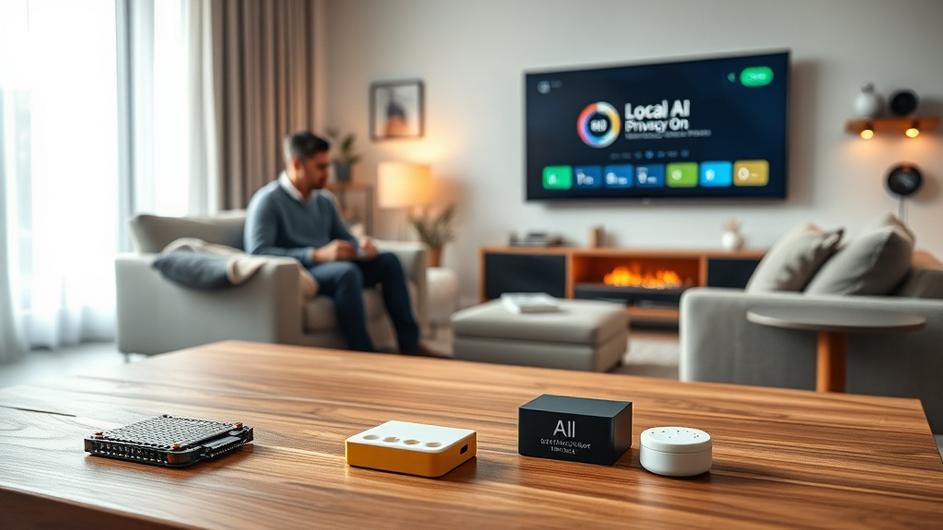
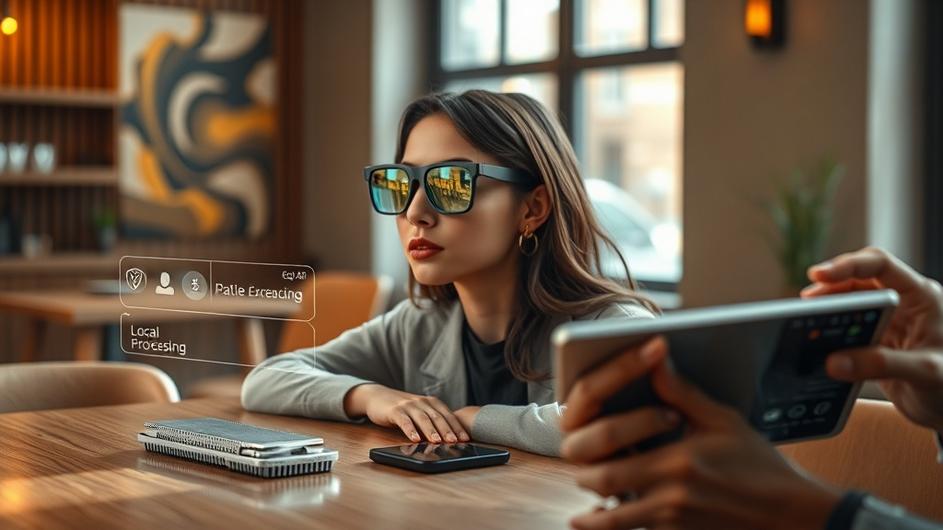
Now, why should engineers care about this? Local, on-device AI reduces latency and privacy exposure compared to cloud-only models. But it also raises expectations for battery life and thermal design. You can’t just slap a powerful chip into a device and call it a day. You’ve got to think about how it’ll perform in real-world conditions.
Critics have called some of Apple’s March releases incremental, and honestly, that assessment isn’t wrong when you’re looking at what’s mostly a chip swap. But it misses the bigger picture. Squeezing an A18-class chip into headphones suggests a roadmap where immersive audio devices become computation nodes in their own right. Those nodes will run machine learning models, manage sensor fusion, and interact with phones and cloud services. For developers, the incrementalism might feel evolutionary, but the platform implications are quietly revolutionary.
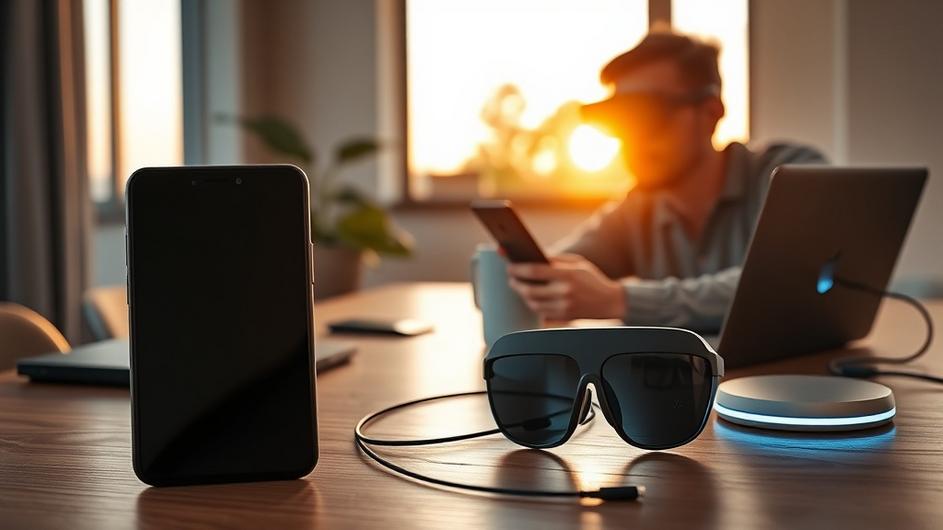
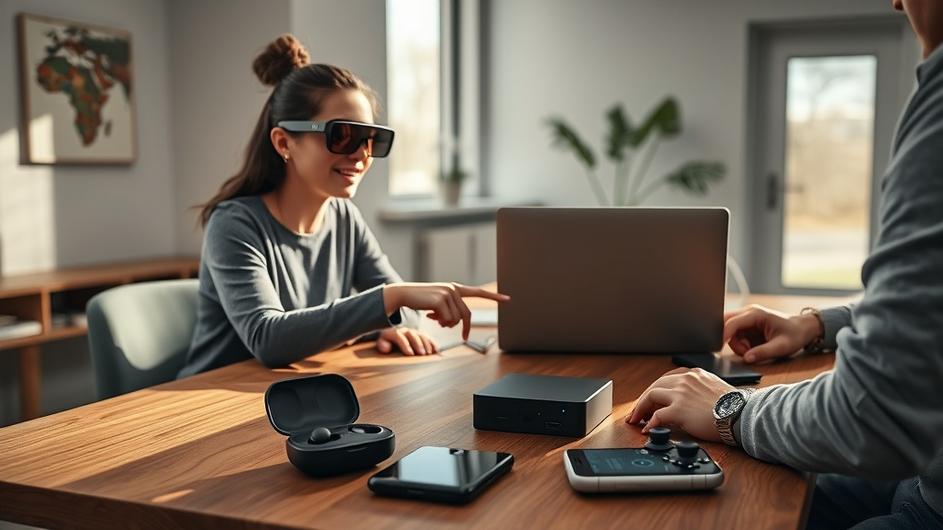
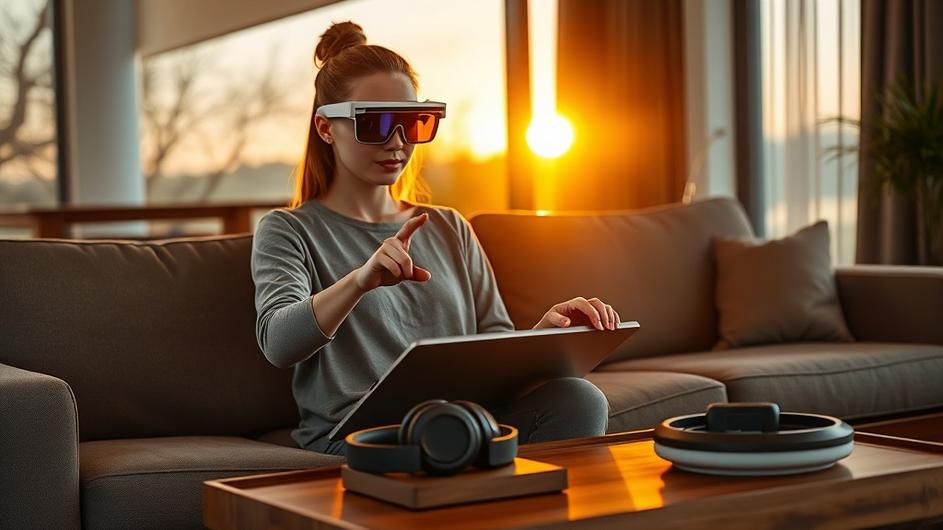
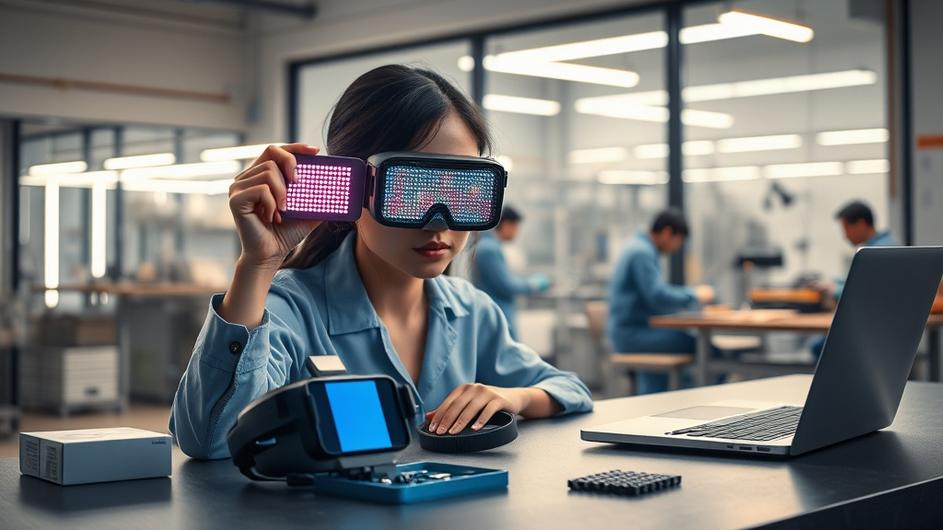
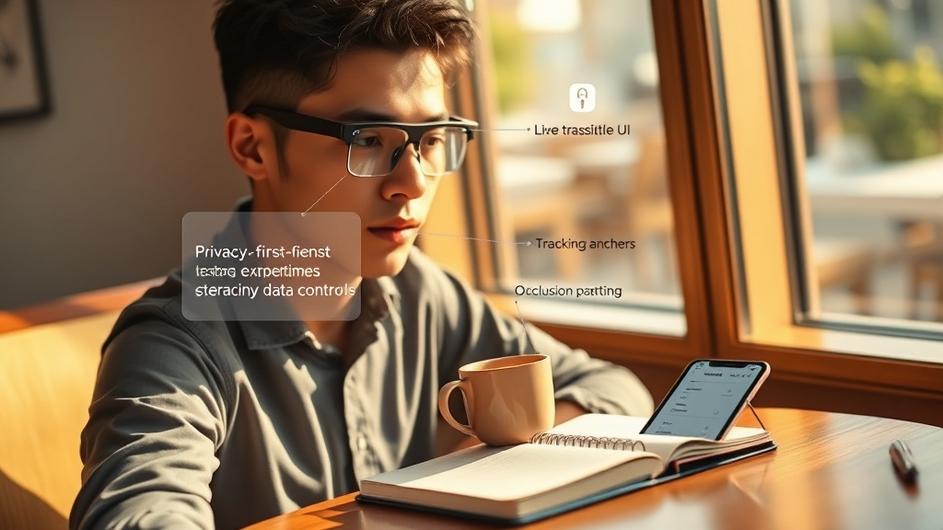
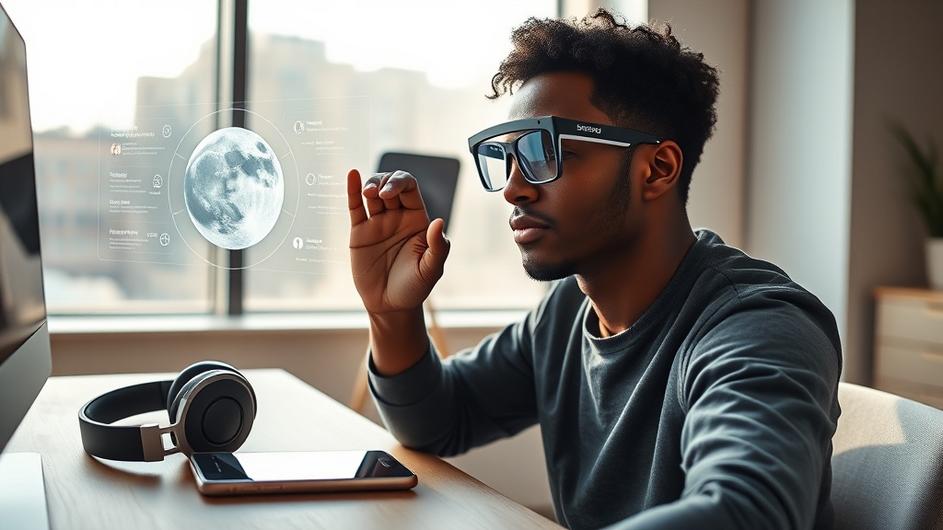
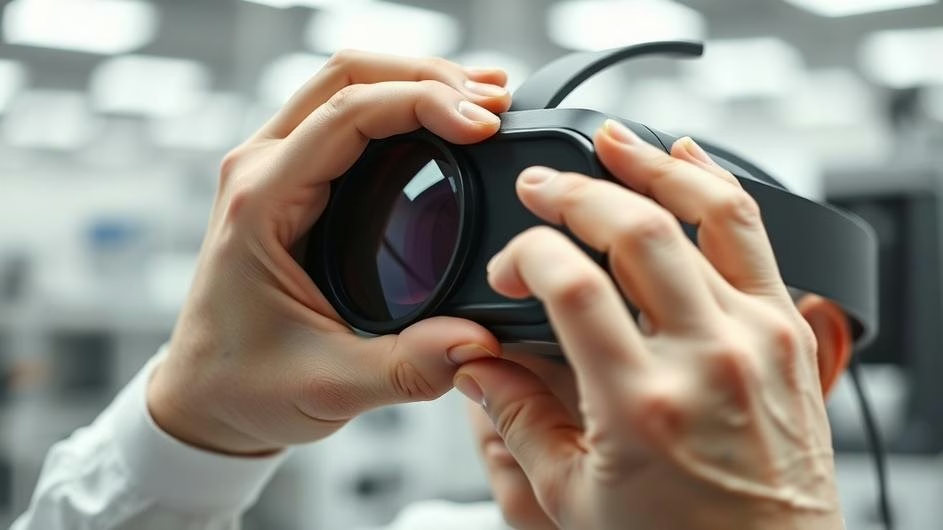
Over at Samsung and across the broader AR ecosystem, they’re making a different kind of bet. Samsung has been teasing phone-connected AI eyewear, and the wider AR landscape has been reshaped this year by a string of hardware and policy shifts. Companies from Snap to Meta and Niantic have reoriented their roadmaps, with Snap creating a dedicated Specs unit and reports suggesting Meta may revisit facial recognition for glasses.
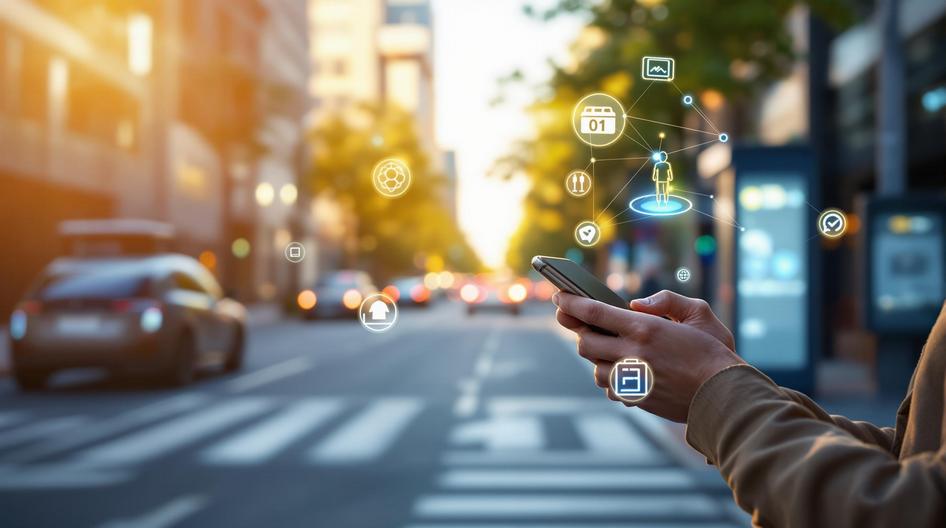
These moves show that consumer AR isn’t just an experimental layer on top of a smartphone anymore. It’s becoming a platform with commercial, privacy, and even defense implications. When I talk about phone-connected AI eyewear, I mean glasses or frames that offload heavy compute to a paired phone for tasks like real-time object recognition, language translation, or heads-up contextual cues. This approach keeps the glasses light and wearable while leveraging the phone as a mobile server.
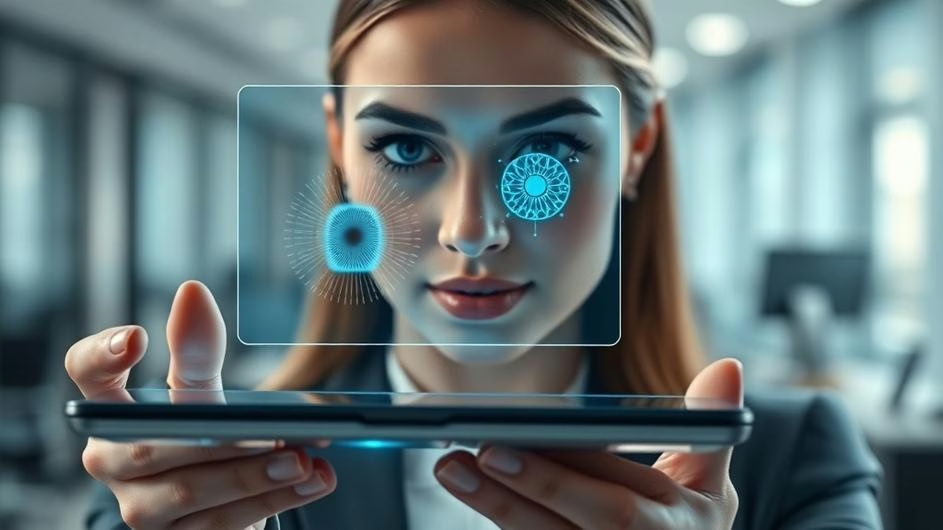
The trade-offs here are all about policy and privacy. Features like object recognition and facial analysis touch sensitive areas of personal data. Expect regulation and platform choices, like what gets processed locally versus in the cloud, to shape which experiences actually reach consumers. It’s not just about what’s technically possible anymore. It’s about what’s socially and legally acceptable.
What’s really heating up is the enterprise side of AR, partly because defense and corporate funding can accelerate product maturity faster than consumer hype alone. That means tools for mapping physical spaces, secure overlays, and business workflows will arrive sooner, even as consumer-focused features remain experimental. For developers, this split offers interesting opportunities: robust AR toolchains for industry use, and narrower consumer APIs where privacy and battery constraints are tighter.
All of this is happening alongside a less glamorous but absolutely crucial thread: device security. Samsung recently expanded the March 2026 security update for the Galaxy S25 series across more regions. Monthly security patches are the unsung infrastructure of a healthy mobile ecosystem, patching vulnerabilities in drivers, firmware, and the operating system kernel.
For app developers and systems engineers, timely patches matter because they close attack vectors that could undermine trust in higher-level services like AR platforms or AI features that process personal data. Think about it: if users don’t trust their devices to be secure, they won’t adopt new features, no matter how cool they are.
Security updates also highlight a coordination problem that’s getting more complex. New hardware, more sensors, and local AI all increase the attack surface. Vendors have to push updates not just to flagship phones but to the broader install base. That’s why seeing carriers and manufacturers expand a security rollout is encouraging. It signals that vendors aren’t just shipping chips and features. They’re investing in the software lifecycle that makes those features safe and trustworthy.
So what does all this mean for the tech landscape in 2026? The lines between incremental product updates and systemic platform changes are blurring. A new chip in a headphone can be a catalyst for distributed AI. Lightweight, phone-paired glasses can become a mainstream interface if privacy and policy find stable ground. And all of it depends on robust security practices, because sophisticated sensors and local intelligence will only be adopted at scale if users trust them.
For developers, this moment is an invitation to think systemically. Build for heterogeneous compute, plan for intermittent connectivity, and design with privacy and updateability in mind. Invest in modular architectures that let you move workloads between device, phone, and cloud. Adopt secure update mechanisms and design telemetry that helps operators patch issues without exposing user data.
Looking ahead, I expect 2026 to be remembered as the year the ecosystem matured around two linked themes: intelligent devices and responsible stewardship. Incremental releases will continue to iteratively improve battery life and performance, but the real inflection will come from composability, where chips, sensors, OS services, and regulatory frameworks combine to deliver new classes of experiences.
That’ll create opportunities for startups and established platform players alike, but it’ll also require engineers to be fluent in security, systems design, and privacy-by-default principles. As hardware gets smarter and glasses start to augment everyday perception, the next big breakthroughs won’t be single products. They’ll be the networks of software and policy that make those products safe, useful, and widely adopted.
If you’re building in this space, now’s the time to pay attention to how these trends intersect. Check out our coverage of how AR glasses and AI phones are rewriting the platform playbook, or dive into our analysis of why 2026 is the year AI hardware goes mainstream. For developers looking to prepare, we’ve got insights on what developers should prepare for in this new hardware moment.
And if you’re curious about how Apple is navigating this shift, our piece on Apple, AR, and the AI hardware wave breaks down their strategy. Finally, for a broader look at how mobile is changing, don’t miss our analysis of how 2026’s mobile wave is rewriting devices, cameras, and AR.
Sources
- Samsung expands Galaxy S25’s March 2026 security update to more regions, SamMobile, Mar 24 2026
- Apple’s AirPods Max 2 Blurs the Lines Between Marketing and Innovation, Bloomberg, Mar 22 2026
- 7 AR Hardware And Policy Shifts In 2026 That Will Surprise Consumers, Glass Almanac, Mar 25 2026
- Gurman: Many of Apple’s Latest Products Are ‘As Incremental as Ever’, MacRumors, Mar 23 2026
- Engadget review recap: Lots of Apple devices, Galaxy S26, Dell XPS 16 and more, Engadget, Mar 21 2026