From Foldables to AR Glasses, and the Software That Holds It Together
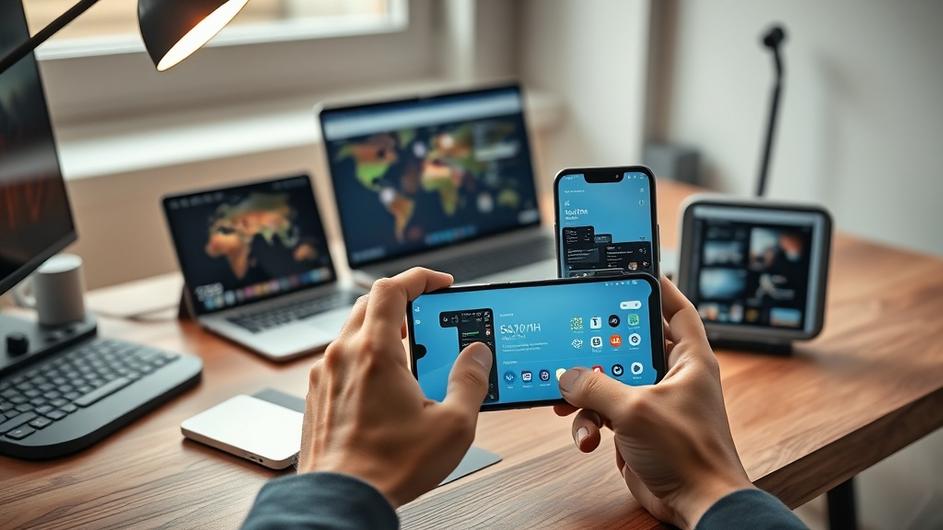
If you’ve been watching the tech news lately, you might feel like you’re seeing hardware experiments pop up everywhere. Phones that fold, screens that roll out like scrolls, glasses that paint information onto the real world. It’s not just random gadget hype. What we’re really witnessing is the next wave of consumer devices taking shape, and it’s happening right at the crossroads of bold hardware and smarter, more personal software.
For developers and anyone building tech products, this isn’t a scattered set of trends. It’s a single, coherent story about how we’ll interact with our devices, how we’ll protect increasingly complex systems, and how we’ll define the next generation of user experiences.
Apple’s Quiet Preparation for a New Shape of Computing
Apple, as usual, is right in the middle of this narrative. Recent reports and leaks point to a company getting ready for a significant shift. We’re talking about everything from a rumored foldable iPhone to refreshed HomePods and a MacBook Pro with an OLED display. There’s even chatter about a new smart home hub that would rely on a more personalized, context-aware Siri.
The company also dropped an iOS 26.5 beta, giving developers a peek at incremental software changes. Meanwhile, leaks about a supposed iPhone 18 Pro prototype suggest a much smaller Dynamic Island. Taken together, these signals show Apple is preparing for two things simultaneously: new physical device forms and software that understands you better. A smarter Siri could mean your preferences are processed locally, unlocking richer, more private home automation. It’s a classic Apple move, working on both the hardware and software fronts before making a big leap.
Samsung’s Dual Focus: Pushing Boundaries and Patching Holes
Of course, form factor innovation isn’t just Apple’s game. Samsung continues to push its foldable and flagship lines hard. Rumors are already swirling about a Galaxy S27 Pro arriving in 2027, with some talk that Ultra models might even drop the iconic S Pen.
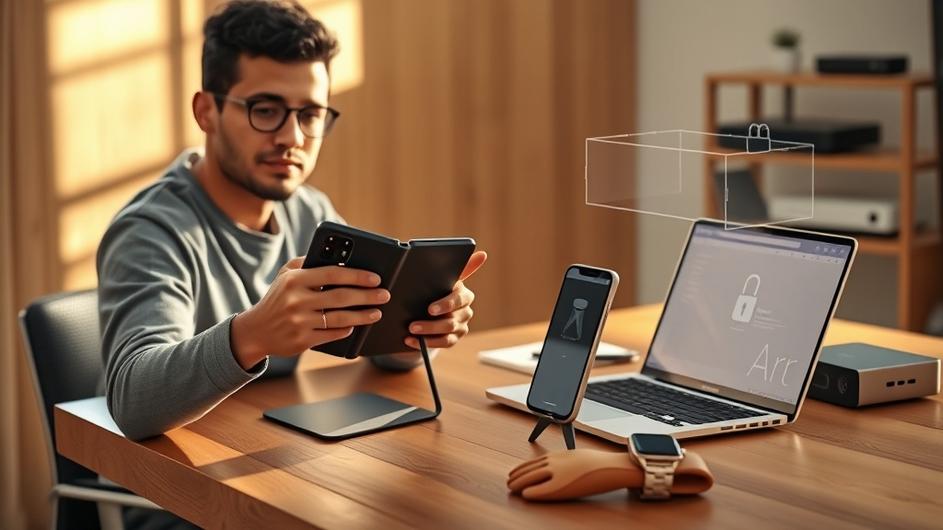
But here’s the instructive part. While dreaming about future devices, Samsung remains intensely focused on the present health of its ecosystem. The company recently shipped an April 2026 security patch for its Galaxy phones and tablets, fixing 47 vulnerabilities. This parallel tells us something important. As devices get more complex with folding screens and new sensors, their attack surface grows. The regular, disciplined work of security maintenance becomes just as crucial to product quality as having the highest screen resolution. You can’t have cutting-edge hardware without a commitment to keeping it secure.
The Ghost of Hardware Future: LG’s Almost-Launched Rollable
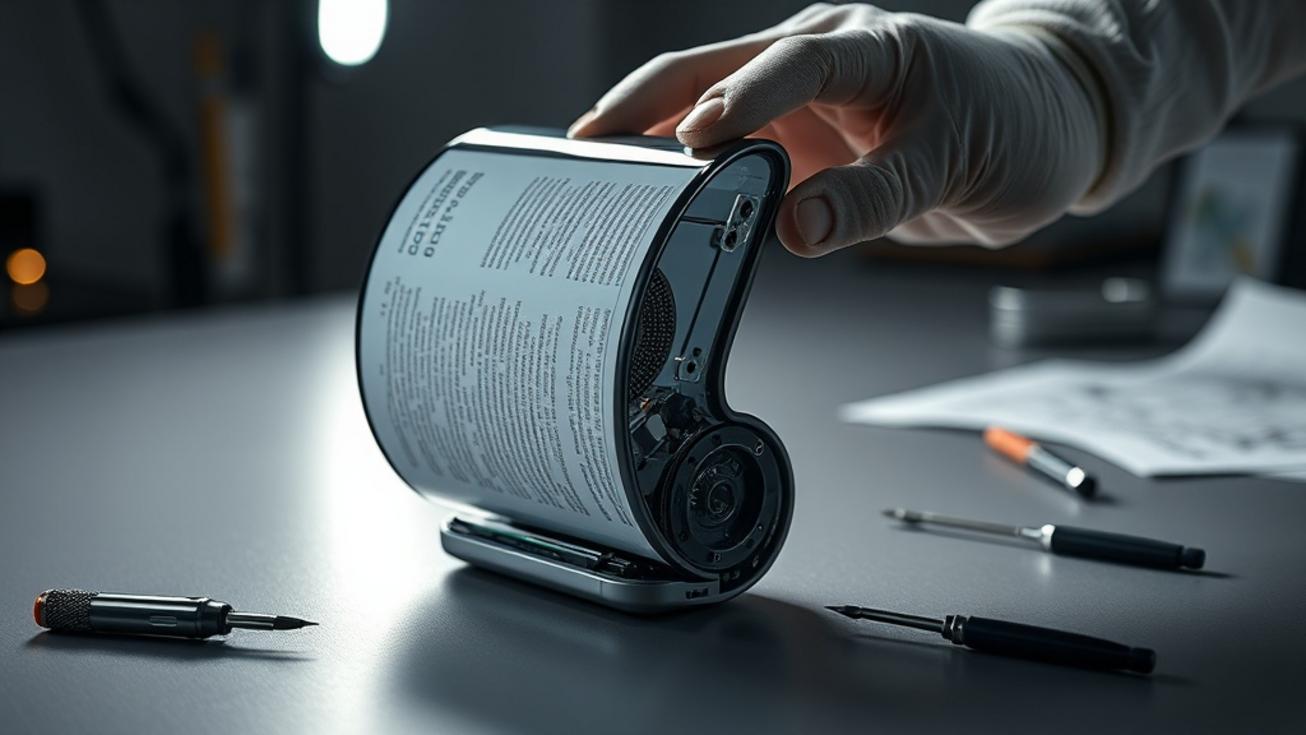
Before the current foldable hype cycle, there was another ambitious idea: the rollable phone. A recent teardown of an LG Rollable prototype reveals just how advanced the engineering was. LG built a handful of these units before exiting the smartphone business, and the internal mechanics show a design meant to extend a narrow handset into a wider display without a visible crease.
Why does this old prototype matter today? Because rollable displays represent a different kind of constraint for designers. Instead of toggling between two fixed sizes like a foldable, the screen area can expand continuously. This invites interfaces that scale fluidly, content that reflows on the fly, and entirely new paradigms for multitasking. It’s a reminder that the path to the next wave of devices isn’t always linear, and good ideas can come from unexpected places.
AR Glasses: The Third Screen That Isn’t a Screen
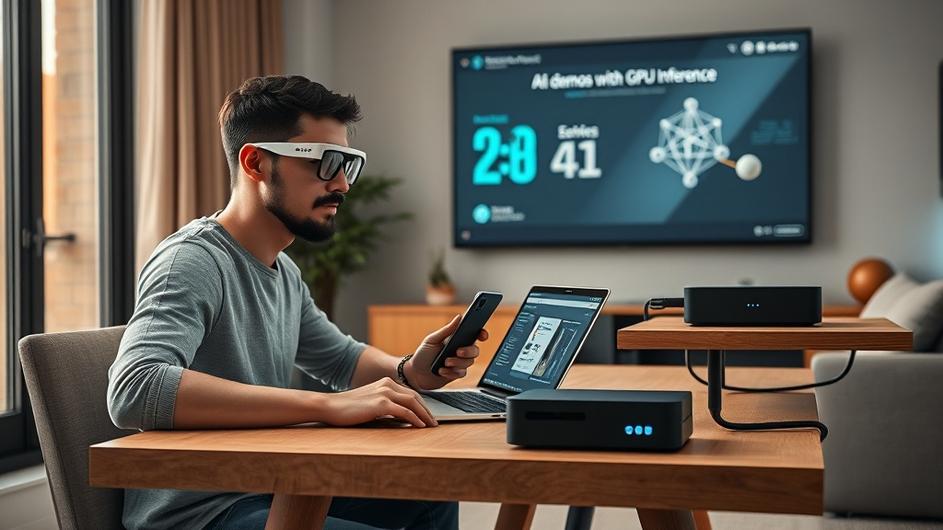
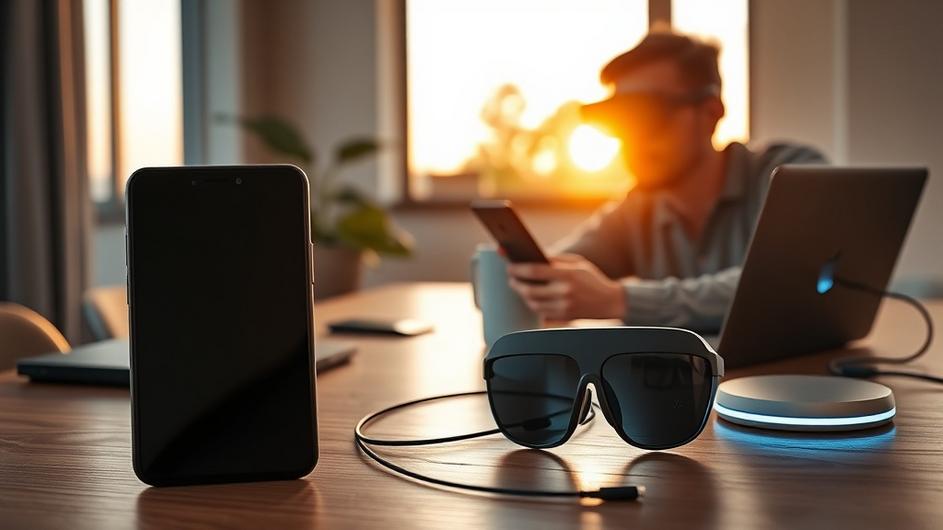
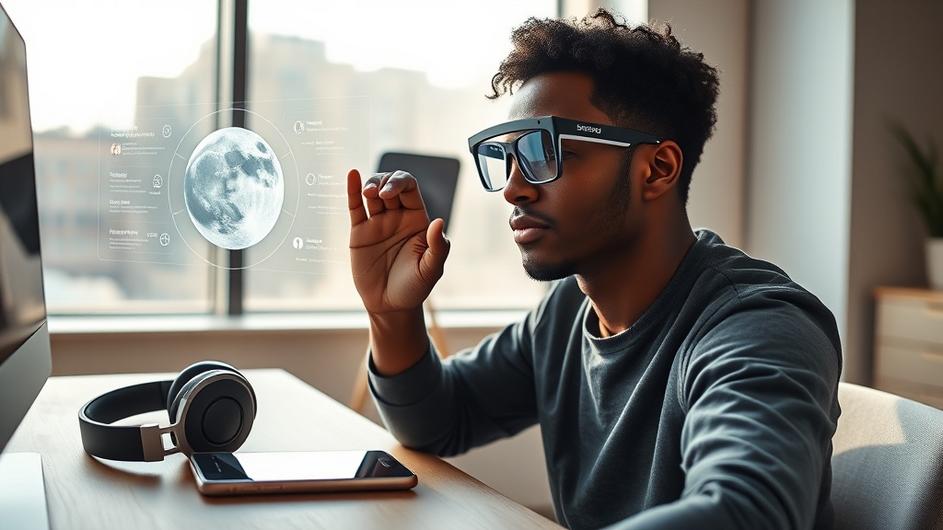
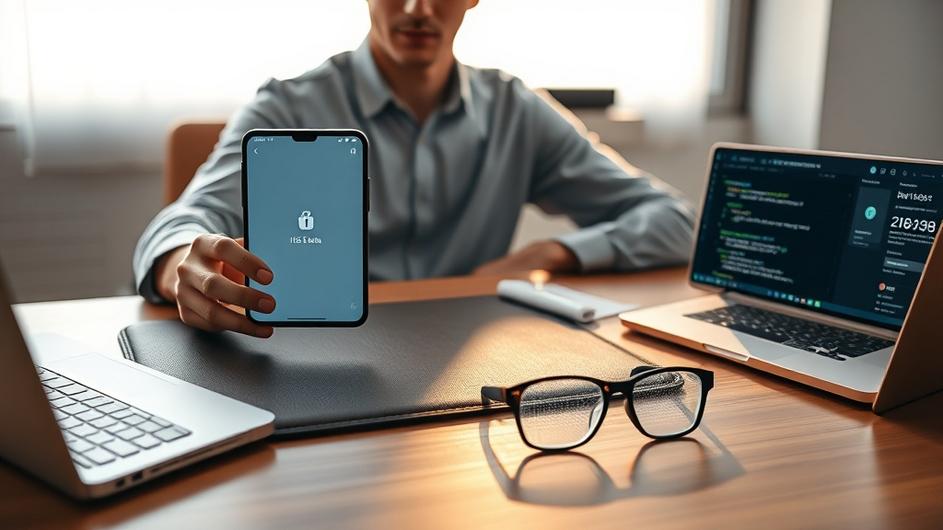
Running parallel to the foldable and rollable revolution is the steady rise of augmented reality glasses. A 2026 roundup of seven AR glasses highlights devices targeting everyone from hardcore gamers to fitness enthusiasts. Some manufacturers prioritize lightweight frames for all-day wear, while others chase overlay fidelity and low latency for immersive experiences.
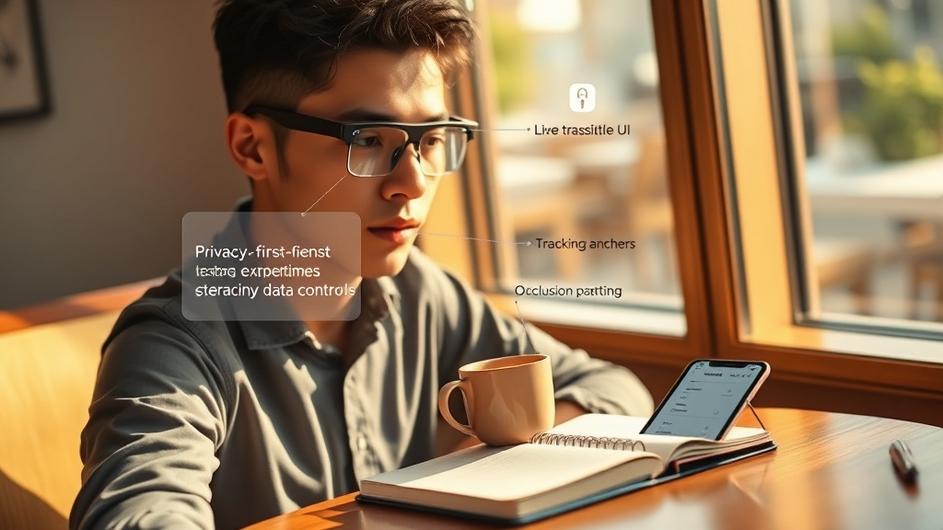
There’s an interesting detour here too. Some vendors are prioritizing AI-driven voice assistants and contextual intelligence over full visual AR overlays. For developers, this creates both opportunity and challenge. True AR requires precise spatial mapping and strict frame rate budgets. AI-first wearables raise different questions about privacy and how to handle constant sensor data. As we’ve seen in our coverage of how AR is rewriting the platform playbook, this isn’t just another screen. It’s a new layer on reality itself.
The Glue That Binds It All: Adaptive Software
So what ties these wildly different hardware directions together? The answer is software, and the need for it to be incredibly adaptive. Think about it. A single app might need to work on a compact phone interface, then expand gracefully onto a rollable canvas, rearrange itself for a multi-window foldable layout, and finally offer glanceable information through AR glasses.
This isn’t just about making things look right on different screens. It’s a fundamental call to prioritize responsive design at its core. Developers need to think about state preservation, so your work doesn’t disappear when you fold or unfold your device. They need to master progressive enhancement, serving up features only when the hardware can actually support them. The goal is continuity, making the technology feel seamless as you move between different form factors.
Security Isn’t an Afterthought, It’s the Foundation
All this fancy hardware means nothing if it isn’t secure and maintainable. Samsung’s April security bulletin serves as a timely reminder. Shipping advanced technology isn’t enough. You need regular patching, transparent disclosure about what you’re fixing, and a robust update mechanism that users can actually trust.
For developers building on these platforms, this reality has practical implications. It means designing systems that can tolerate underlying OS changes. It means actively testing on beta releases, like that iOS 26.5 beta. It means using platform abstractions that minimize how much your app breaks when a critical security patch rolls out. In many ways, as we discussed in our look at what security patches tell us about tech’s next act, software maintenance has become a core feature, not just a cost of doing business.
Why This All Matters for Builders and Businesses
The business context here is fascinating. Major players like Apple and Samsung continue to fund long-term research while keeping their current product lines profitable. The steady stream of rumors about foldables, leaked prototype images, and the legacy of near-miss devices like the LG Rollable show a market that’s willing to experiment. Consumer adoption might lag behind the hype curve, but that willingness to try new things expands the sandbox where developers can play.
Looking ahead, the practical implications for anyone building tech are pretty clear. Design for continuity so your app’s state and layout survive physical transformations. Anticipate the lower latency and richer sensors coming to AR devices, and build your data flows with privacy in mind from the start. Treat software maintenance as a competitive advantage by automating testing for multiple device geometries and staying current with security advisories.
Most importantly, start thinking beyond the single screen. The next user session might begin on a pocket-sized phone, continue on a rollable display, and finish with contextual prompts floating in their field of view through AR glasses. The era of having one primary screen is quietly ending.
The Bottom Line for Developers
Right now feels like a preparatory phase. The technical plumbing is getting more robust, and experiments are moving from research labs to limited releases. For development teams and product managers, this creates one clear strategic imperative: iterate fast on cross-form-factor user experiences.
Invest in the tooling that lets you test security updates and maintain compatibility. Start imagining interactions that don’t just live on one device, but flow naturally between different hardware modalities. The companies that will win in this new landscape aren’t necessarily the ones with the most impressive specs on paper. They’ll be the ones whose software seamlessly stitches all these different pieces of hardware together into something that just feels right.
The playbook is being rewritten, as early 2026 hardware signals clearly show. The question isn’t whether your phone will fold or your glasses will display information. The real question is what you’ll build to make the most of it all.
Sources
- Top Stories: Foldable iPhone, iOS 26.5 Beta, Apple’s 50th, and More, MacRumors, 04 Apr 2026
- Nearly launched LG Rollable smartphone reveals its innovative internals in teardown video, Notebookcheck, 05 Apr 2026
- Samsung Galaxy S27 Pro coming in 2027; S27 Ultra without S Pen?, Sammy Fans, 06 Apr 2026
- Samsung monthly updates: April 2026 security patch fixes 47 vulnerabilities, SamMobile, 07 Apr 2026
- 7 AR Glasses In 2026 That Surprise Gamers, Fitness Fans Here’s Why, Glass Almanac, 08 Apr 2026