
From Chips to Glasses to Laptops, 2026 Is the Year AI Hardware Goes Mainstream
Remember when AI felt like something that happened somewhere else, in distant data centers and mysterious clouds? That’s changing fast. Two trends that seemed like separate stories just a few years ago are crashing together in 2026, and the result is something we haven’t seen in a while, a genuine hardware moment for artificial intelligence.
Nvidia and Samsung are stitching together deeper partnerships at the silicon level. Alibaba and others are shipping augmented reality glasses you might actually consider wearing in public. And Apple, in a move that surprised plenty of watchers, just pushed a major price boundary with the MacBook Neo. Meanwhile, every consumer phone launch and software tweak proves how hardware decisions, once made, ripple through user experience for years.
For developers, investors, and anyone building the next wave of tech, the headline for 2026 is clear, compute is moving closer to people. That shift isn’t just about specs, it’s rewriting product design, forcing new conversations about privacy, and reshaping what markets expect from everyday devices.
It Starts With Silicon, Everything Else Follows
If you want to understand where tech is headed, you often have to start with the chips. A telling detail from recent industry coverage is how strategic chip partnerships are now dictating product roadmaps, not the other way around. The big news? Samsung is reportedly stepping in to produce the Groq 3 inference chips for Nvidia.
That’s more than a corporate press release. An inference chip is specialized silicon, optimized to run trained AI models quickly and efficiently. Think lower latency and much lower power use compared to general-purpose CPUs. When a memory and foundry giant like Samsung starts pumping out this kind of inference silicon at scale, the downstream effect is straightforward, suddenly, way more devices can handle capable AI locally. We’re talking phones, glasses, sensors, you name it, all working smarter without needing a constant, thirsty connection to the cloud.
Nvidia doubled down on this vision at its GTC keynote this year. Jensen Huang highlighted collaborations across everything from autonomous systems to entertainment, but the core message was consistent, clever compute and smarter software architectures are enabling richer, more responsive experiences. For developers, that’s a double-edged sword. It means more opportunities to deploy models right at the edge, where the action happens. But it also raises the bar dramatically for optimization, power management, and the delicate art of software-hardware co-design.
What does this mean for the average user or investor? Cheaper, more capable devices are on the horizon. For traders watching semiconductor stocks, it signals where the real value creation is shifting, from pure compute power to efficient, specialized silicon that brings intelligence to the device in your hand.
AR Sheds Its Novelty Tag and Goes Mainstream
Augmented reality spent years as a boutique showcase, the kind of thing you’d see at a tech conference but never in your local coffee shop. 2026 is different. This is the year AR hardware becomes something mainstream buyers might actually consider.
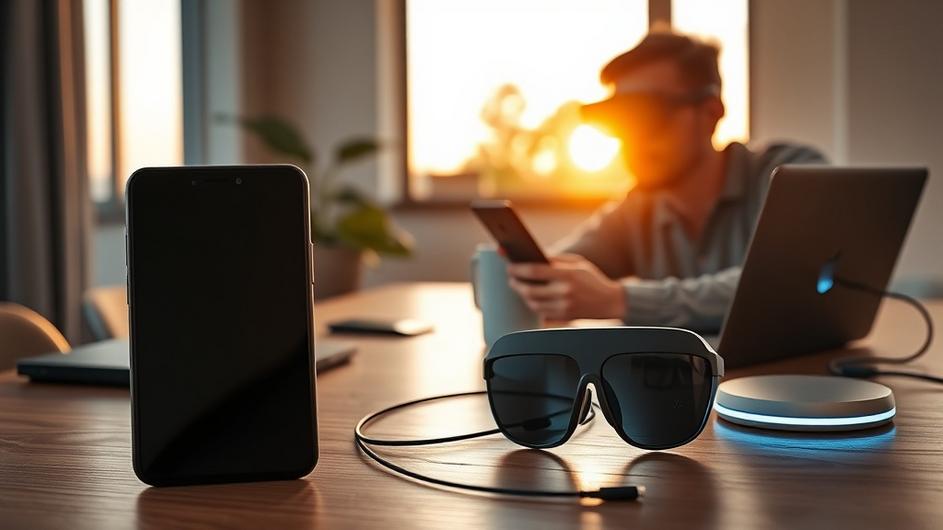
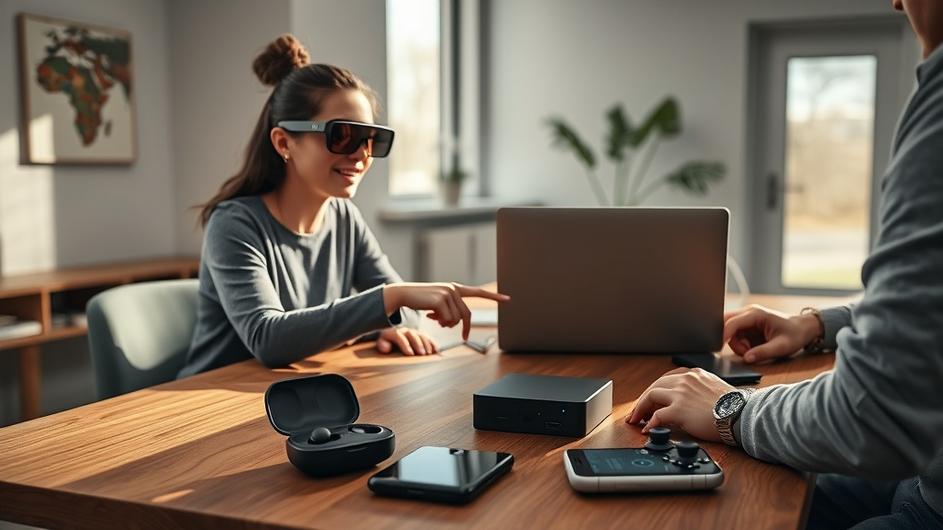
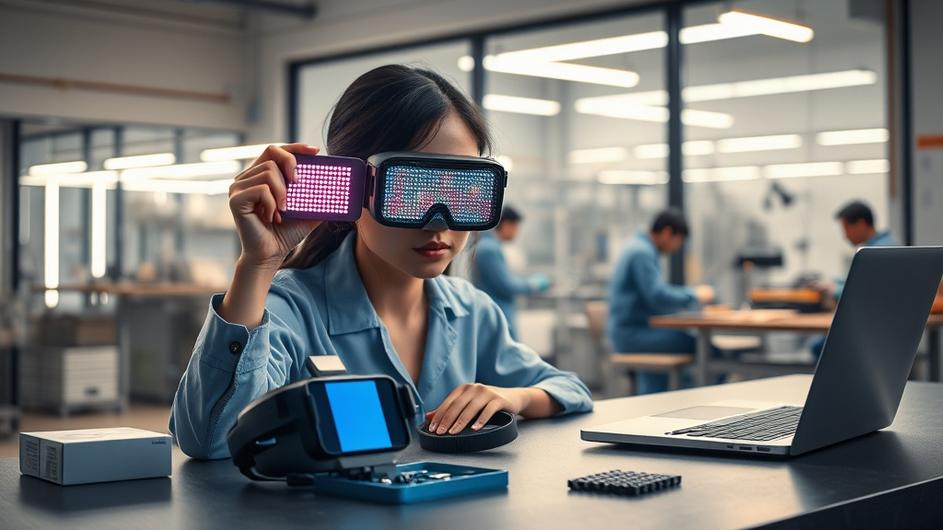
Look at Alibaba’s move, shipping Qwen smart glasses focused squarely on on-device AI functions like real-time voice translation and heads-up information. Then there’s the rumored Warby Parker and Google collaboration, a pairing that makes perfect sense, combining massive retail distribution with serious software expertise. It’s a play for broad consumer adoption, not just tech enthusiasts.
Two forces are driving this shift. First, prices are finally coming down, pulling these devices out of the early-adopter tax bracket. Second, and just as important, the designs are getting slimmer and more socially acceptable. They’re transitioning from awkward statement pieces to subtle utilities you can wear without feeling self-conscious. Signals from companies like Nintendo, with patent filings hinting at gaming applications, suggest interactive overlays and mixed-reality gameplay could give developers a familiar, fun foothold in this new space.
But with mainstream adoption comes mainstream scrutiny. Privacy alarms around certain AR prototypes have been loud enough that companies are already adjusting their roadmaps. This pressure will likely translate into new guardrails, think local processing for sensitive data, clear visual indicators when cameras are active, and much stricter user consent models. As we’ve explored in our look at Apple’s AR ambitions, developers building for this world need to expect both technical constraints and regulatory attention. Designing for transparency and minimal data exposure isn’t just good ethics, it’s becoming a business necessity.
The Affordability Wave Hits Laptops and Phones
Then there’s Apple’s curveball, the MacBook Neo. Arriving with a surprising sub-$1,000 price tag (reportedly around $600 for a capable 13-inch model), it marks a quiet but significant inflection point. When a premium brand reorients expectations about what’s possible at lower price points, the entire software ecosystem feels it.
Why does this matter? More affordable hardware means a larger installed base for modern web apps, sophisticated productivity tools, and local AI features like on-device inference for code completion or content creation. It democratizes access to the tools that power modern work and creativity.
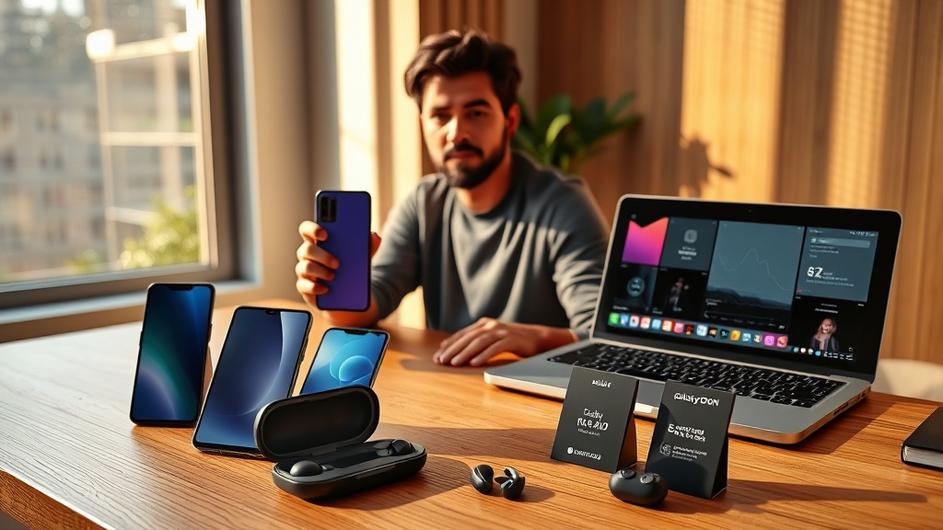
Samsung is playing this game too, with new Galaxy A series models drawing attention for aggressive pricing. The company continues to iterate on the software side with features like enhanced touch macro support, even as questions swirl about the timing for One UI 8.5. Their hardware experiments, like the anti-reflecting film and the Privacy Display on the Galaxy S26 Ultra, perfectly illustrate the trade-offs companies now face. A Privacy Display that limits off-angle visibility protects your information in public, but it can also introduce optical challenges that affect real-world usability. It’s a constant balancing act between security, utility, and cost.
This push for value is part of a broader 2026 hardware moment where accessibility is becoming as important as raw performance.

What This Means for the People Building the Future
Let’s cut to the chase. The center of innovation is shifting toward devices that can do more on their own. On-device AI slashes latency, makes apps work flawlessly offline, and offers stronger privacy simply because your data doesn’t have to leave your pocket or your desk.
That opens up incredible possibilities, think real-time translation that works on a hike, context-aware helpers that don’t need to phone home, or interactive applications that feel magical because they respond instantly. But these gains don’t come free. They demand disciplined engineering. Models need to be smaller, smarter, and quantized to fit within tight power budgets. Developers will have to master graceful degradation, ensuring apps work well across a wide spectrum of device capabilities. And they’ll need to instrument everything, constantly measuring energy impact and latency like never before.
For AR creators specifically, the smart play looks like hybrid experiences. Use local inference for private, sensitive tasks to build trust, and tap into cloud-based compute for the heavy lifting when you need it. Design patterns that clearly communicate sensor use, minimize recorded data, and respect what we might call ‘ambient privacy’ will do more than avoid regulatory headaches. They’ll build the user trust that makes or breaks new platforms.
As we’ve discussed in our analysis of new AI and AR platforms, developers who learn to optimize for the edge, design with privacy as a default, and craft experiences that work across a messy, varied hardware landscape will be the ones leading the charge.
Looking Ahead, the Feedback Loop Accelerates
2026 feels like the year hardware truly democratizes AI. Not in press releases, but on wrists, faces, and laptops that people actually use. The interplay between new inference silicon, suddenly-affordable AR glasses, and competitive pricing from major brands is expanding the playground for software innovation in real, tangible ways.
We should brace for a rapid iteration cycle. As manufacturers push cheaper, more capable devices into the market, new use cases will emerge that are hard to predict today. What’s predictable is the rhythm, silicon enables new devices, those devices enable novel software, and that software pushes hardware makers to refine the next generation. It’s a powerful feedback loop.
This loop will define the next phase of computing, one where AI isn’t a cloud-based mystery but a local capability, quietly woven into the fabric of everyday life. For policymakers, it means grappling with data sovereignty at the device level. For investors, it highlights opportunities in edge infrastructure and specialized semiconductors. And for users? It promises technology that’s more responsive, more private, and finally, more personal.
The conversation around how mobile tech is being rewritten is just beginning. The hardware is catching up to the hype, and that changes everything.
Sources
- Samsung allegedly launches Galaxy A37 and A57, Sammy Fans, 16 Mar 2026
- Top 7 AR Devices And Moves In 2026 That Surprise Buyers Here is Why, Glass Almanac, 16 Mar 2026
- 6 AR Game Changers Revealed In 2026 That Could Upend Media Work And Play, Glass Almanac, 15 Mar 2026
- MacBook Neo Launches Apple Into a Cooler Era With a Mascot, CNET, 13 Mar 2026
- Highlights From Nvidia’s GTC 2026 Keynote With Jensen Huang, CNET, 16 Mar 2026