From CES Glow to Real-World ROI, What 2026 Tech Actually Means for Builders and Brands
CES 2026 had a familiar feel, but with a crucial difference. This year, the show pulled back the curtain on futuristic demos to reveal something more important, a clear lineage of products that actually work in the real world. Sure, there was still spectacle. But the conversation shifted. It moved from pure amazement to harder questions about utility, privacy, and return on investment. For developers and product teams watching closely, that pivot is the real story.
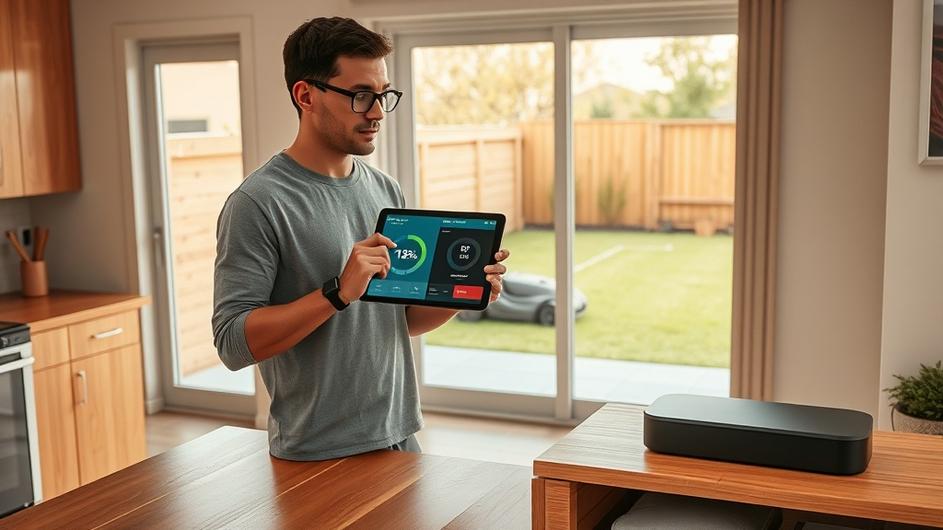
Practicality beat fantasy, hands down. Remember when every new gadget promised a Jetsons lifestyle but had no real plan for integration or energy costs? Those days are over. The winners at CES 2026 offered concrete benefits you could install, measure, and maintain. Take robot mowers and other LiDAR-equipped devices. LiDAR, which stands for light detection and ranging, uses light pulses to build precise 3D maps. When you put that tech into autonomous mowers or home robots, navigation becomes reliable and predictable. That means fewer failures and lower maintenance costs, which is good for both users and the companies selling them.
The Edge AI Shift: Privacy and Speed at Home
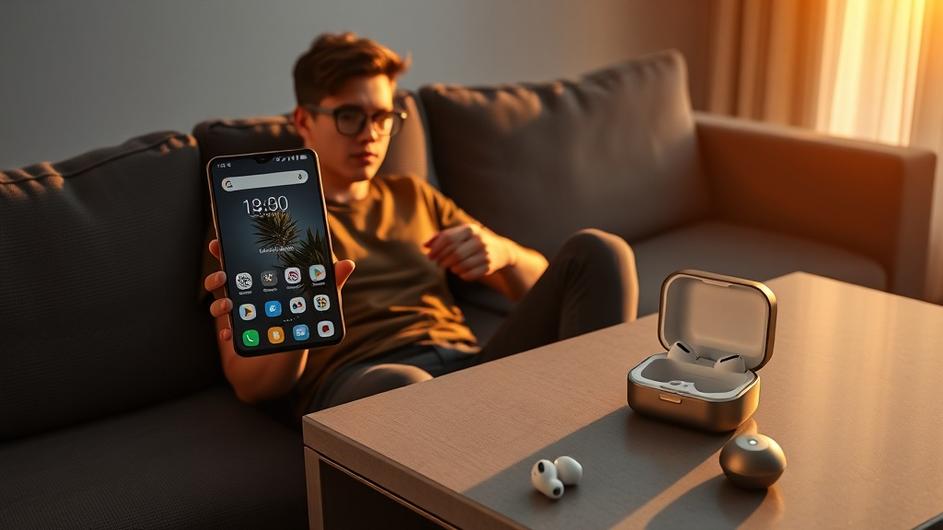
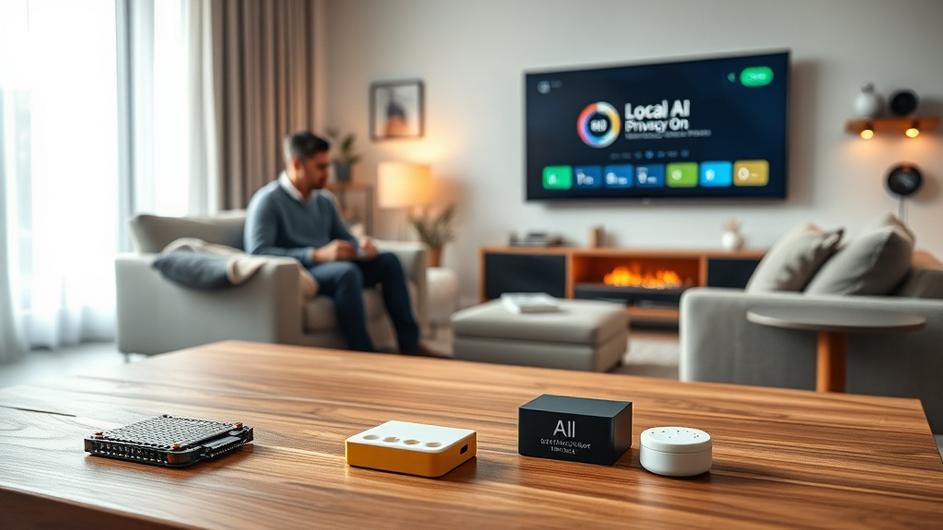
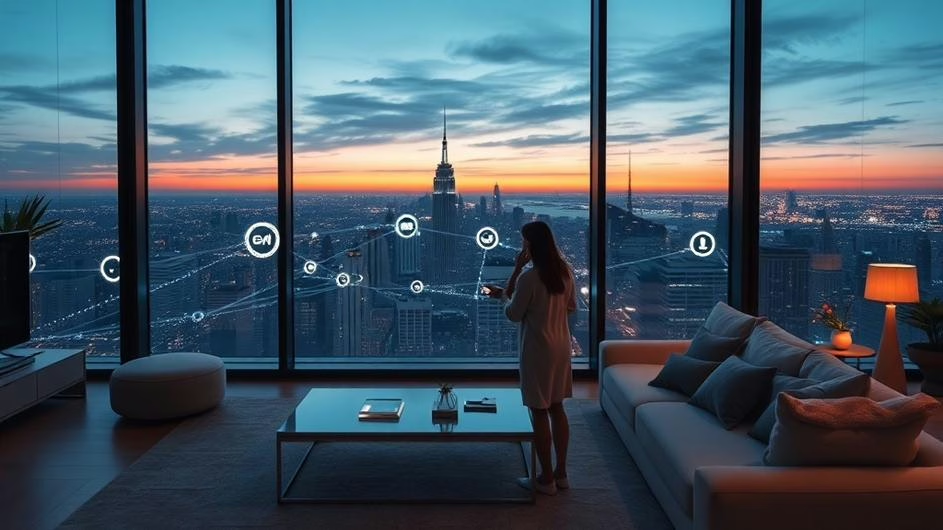
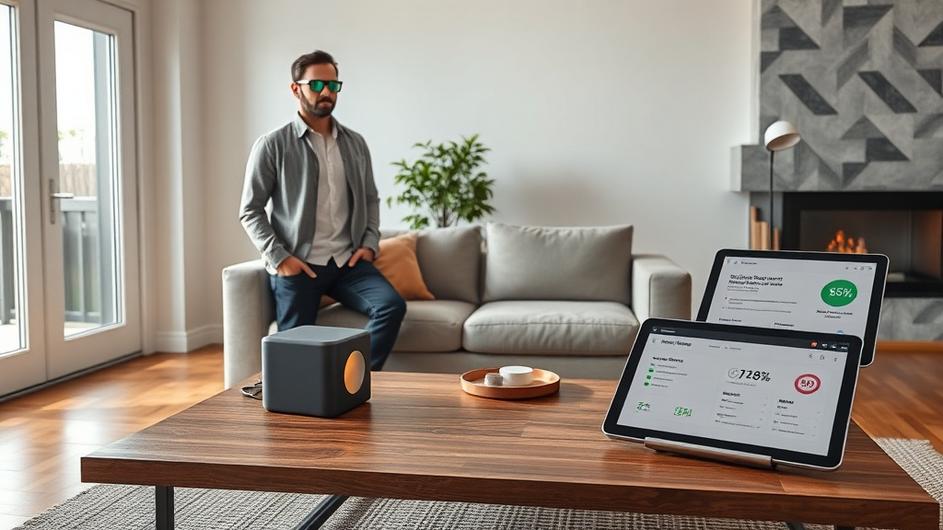
Another major trend was the move to on-device artificial intelligence. The new generation of smart home hubs processes AI computations locally, at the edge, instead of sending everything to the cloud. Why does this matter? Two big reasons. First, latency drops dramatically, so your smart home automations feel instant. Second, and this is crucial for privacy-conscious consumers, sensitive audio and behavioral data doesn’t have to leave your house.
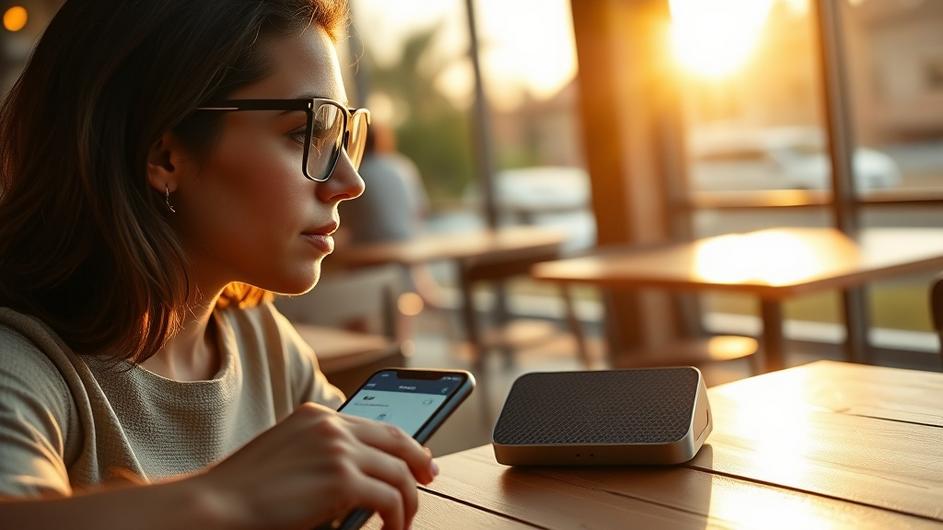
The OVAL smart hub, set to launch in spring 2026, exemplifies this approach. It offers local intent interpretation and plays nice with existing ecosystems. For engineers, this on-device AI movement creates different constraints and opportunities. Think model compression, secure update mechanisms, and protected enclaves for key material. It’s a shift that mirrors what we’ve seen in crypto, where users increasingly demand control over their private keys and data sovereignty.
Smart Glasses Grow Up: From Curiosity to Category
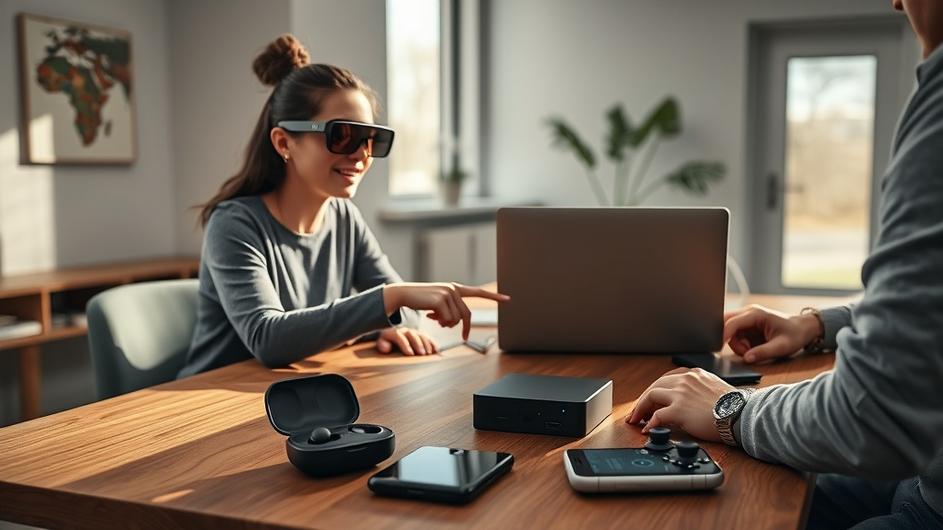
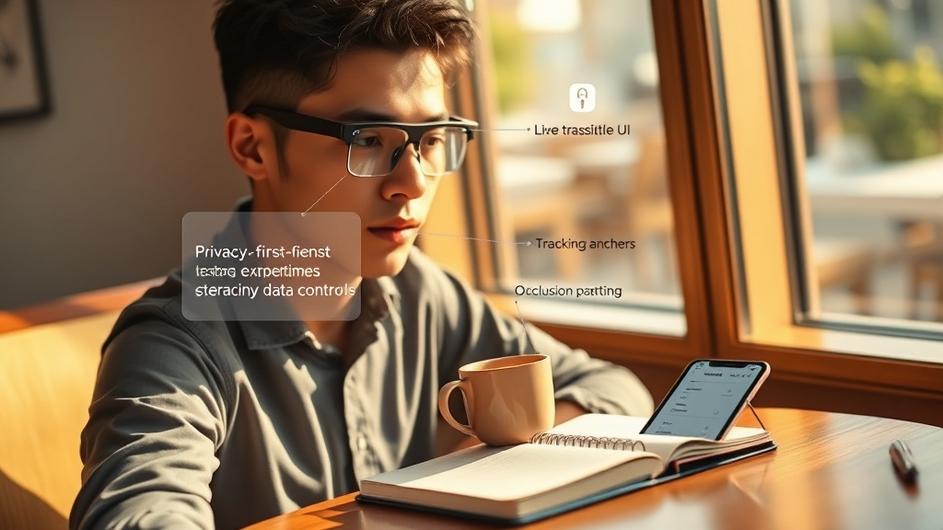
Smart glasses and wearables have graduated from curious prototypes to ready-for-prime-time products. High-refresh augmented reality displays, with some models showcasing smooth 240Hz panels, signal a new focus on visual fluidity and developer-friendly graphics pipelines. For app developers, this means investing in rendering optimizations and low-latency tracking. Get it wrong, and users experience motion sickness. Get it right, and spatial interfaces become genuinely useful beyond flashy demos.
The hardware is finally catching up to the vision. Now, software will determine which AR interactions feel helpful versus gimmicky. This maturation reminds me of the evolution of blockchain wallets, where early clunky interfaces gave way to seamless experiences that drove mainstream adoption.
Beyond the Hype: Measuring Real Household Impact
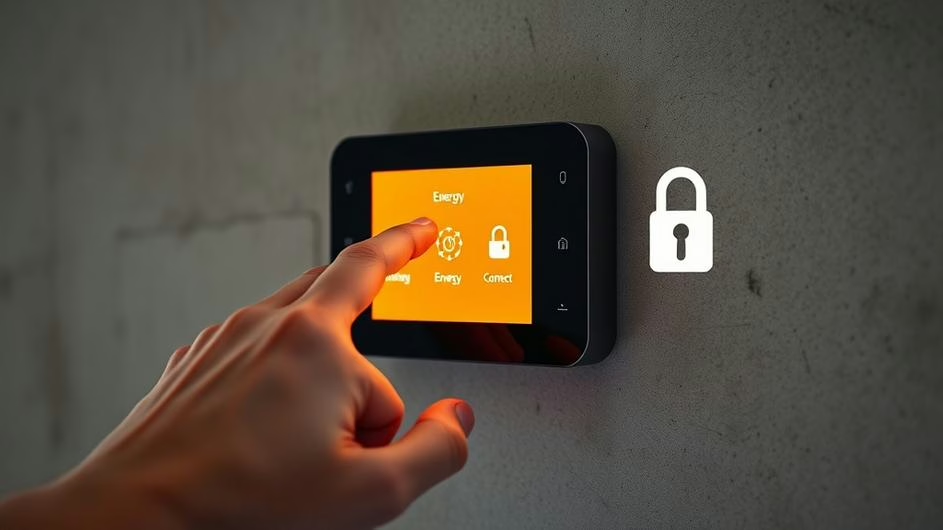
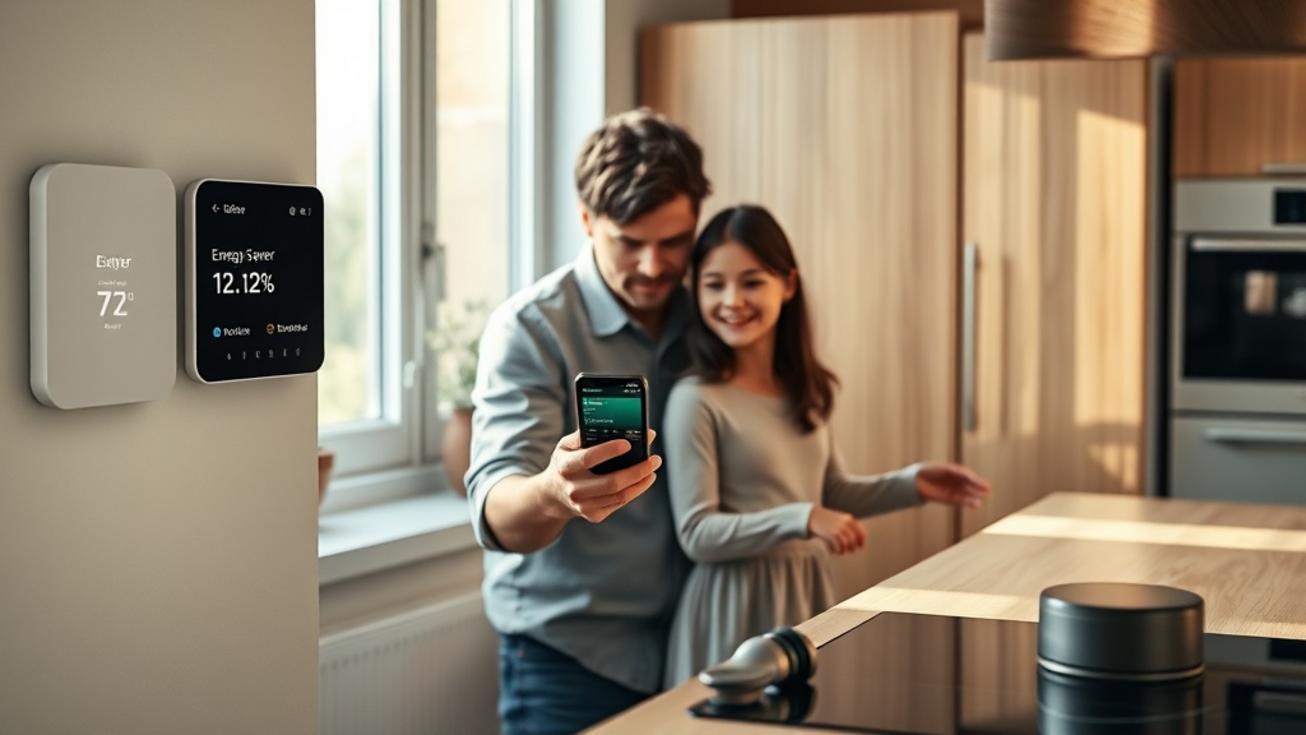
Yes, hype still existed on the margins. Mysterious devices from major AI firms generated plenty of headlines and recruiting buzz. But the most enduring innovations at CES were the ones that made households measurably cheaper and safer to operate. Energy-saving thermostats and smarter automation routines that anticipate user intent can actually shave dollars off utility bills. Meanwhile, privacy-first hubs reduce the friction that often keeps cautious consumers from adopting smart home tech in the first place.
Retailers and brands noticed this shift too. Ad formats and marketing activations are adapting to shorter attention spans and more sophisticated consumers. Brands that treat emerging tech as a marketing prop risk short-lived gains. Those that integrate technology into meaningful products and experiences create lasting value. It’s a lesson product managers and marketers should heed, align your story with demonstrable outcomes, not just novelty.
AI Twins and the Platform Race
On the platform side, companies are racing to weave AI into everyday workflows. Concepts like “AI twins” surfaced as interesting building blocks. These are virtual profiles that mirror a user or professional role, encapsulating preferences and workflows to enable personalized automation in software, vehicles, and more.
For developers, this raises fundamental design questions. How do you model digital identity in a way that’s both powerful and predictable? How do you keep AI behavior from becoming a black box? And perhaps most importantly, how do you enable portability between different services? These aren’t just technical challenges, they’re ethical and business ones too, similar to the debates around decentralized identity in Web3.
Robotics: Pragmatism Over Pageantry
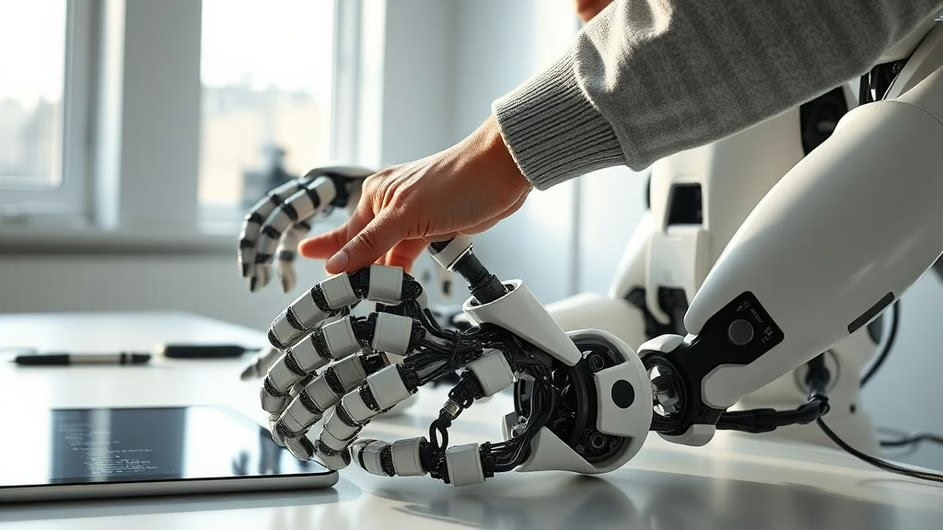
Autonomy and robotics appeared in several forms, from impressive humanoid demos to pragmatic household robots. Let’s be real, humanoid robots are valuable engineering showcases and might eventually handle specialized tasks. But it’s the small, reliable robots that will scale first. The engineering lesson here is the value of bounded capability. Systems that do fewer things, and do them exceptionally well, will win early adoption and build sustainable business models.
This focus on practical, incremental improvement over moonshot promises feels reminiscent of the current DeFi landscape. The most successful protocols aren’t trying to rebuild all of finance overnight, they’re solving specific problems like efficient swapping or secure lending with elegant, focused solutions.
Navigating Headwinds: Regulation and Economics
The industry isn’t operating in a vacuum. It’s negotiating real regulatory and economic headwinds. Rising subscription prices for streaming services and new regulatory scrutiny in regions like Europe show that consumers and policymakers are reasserting their influence over technology adoption.
For developers and product leaders, these constraints will directly shape data architectures and monetization strategies. Building for compliance from day one isn’t just about avoiding fines, it reduces costly rework and builds consumer trust. Sound familiar? It’s the same lesson crypto projects learned the hard way as global regulators turned their attention to digital assets.
What This Means for Builders
All these trends converge on a simple, practical mandate, build products that demonstrate clear savings, privacy protections, or improved user experiences. That’s what consumers actually reward, and it’s what brands are looking to integrate.
For technical teams, the implications are concrete. Prioritize edge compute and local machine learning models where privacy and latency matter. Embrace standards and interoperability to avoid ecosystem lock-in. And invest seriously in monitoring and remote update pipelines so devices remain secure and useful long after the launch window closes.
Of course, challenges remain. On-device AI requires efficient model training and secure update mechanisms. Interoperability still suffers from competing standards and proprietary APIs. And as vendors rush to market, thorough usability testing and real-world stress testing are non-negotiable to prevent costly recalls and reputation damage.
Looking Ahead: The Year of Consolidation
So what’s next? 2026 feels less like a year of distant promises and more like a year of consolidation. The headline-grabbing demos will continue to inspire, sure. But the technologies that actually influence lives and markets will be the ones that cut energy bills, respect privacy by design, and integrate cleanly into existing routines.
For engineers and product leaders, the task is clear, translate laboratory novelty into reliable features with clear metrics and sustainable business models. That’s how the next wave of consumer technology stops being a spectacle and starts being infrastructure. It’s a shift from building for the trade show floor to building for the living room, and that’s a change worth getting right.
What do you think? Will this focus on practicality drive faster adoption, or does tech still need its “wow” factor to capture attention? Let us know your take on where CES 2026 points the industry.
Sources
- Decoding 2026 hype vs. reality, Ad Age, January 16, 2026
- 9 Smart Home Gadgets That Will Actually Deliver Real Savings in 2026, Gadget Review, January 20, 2026
- Marketing winners and losers of the week, Ad Age, January 16, 2026
- OpenAI’s Mysterious Upcoming Device, Higher Streaming Prices in 2026, Portugal Cracks Down on Polymarket, Tech Today, CNET, January 21, 2026
- 7 products at CES 2026 I’d buy as soon as they’d take my money, ZDNET, January 16, 2026