Everyday Futures: How CES, Robots, Phones, and Mobility Are Rewriting Consumer Tech in 2026
Remember when CES was mostly about flashy prototypes that never quite made it to your living room? Something shifted this year. Walking the floors in Las Vegas, you could feel it, a quiet but decisive move from novelty to necessity. The story of CES 2026 wasn’t written in neon lights or holograms. It was sketched in the practical details of appliances, phones, and vehicles that actually fit into daily life.
The common thread? Software-driven practicality, genuine affordability, and sustainability that isn’t just a marketing tagline. For developers and product teams watching, the message is clear. Consumers have moved on. They expect smarter tools that solve real friction, not just wow them with a demo. It’s a maturity moment for the entire industry.
The Robot in Your Laundry Room: LG CLOiD and the Zero-Labor Home
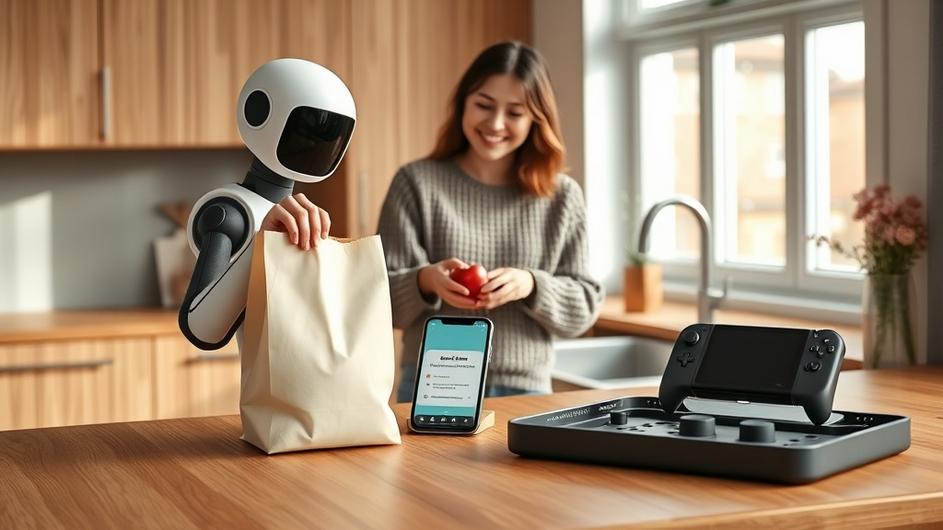
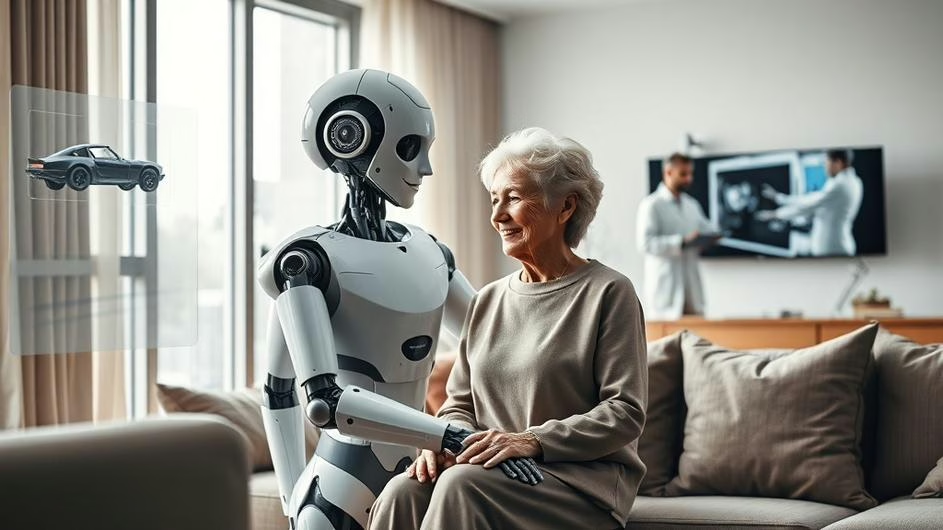
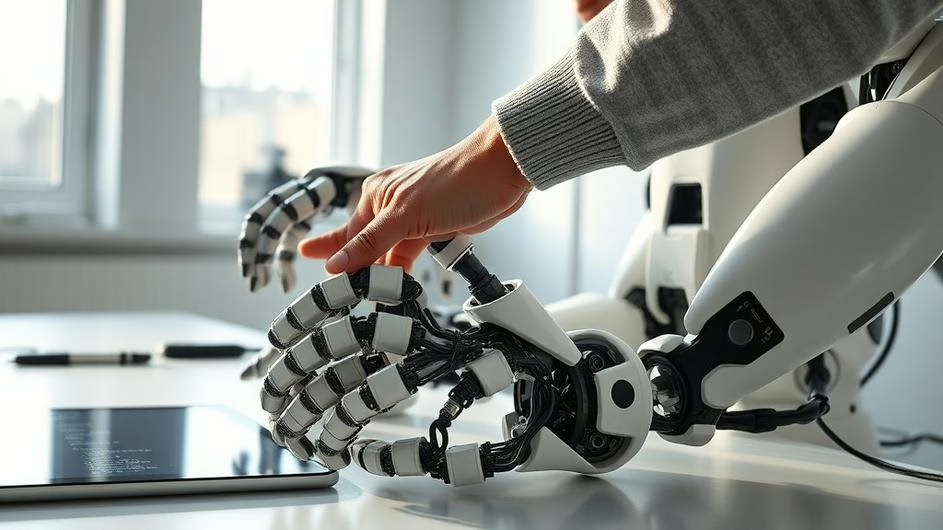
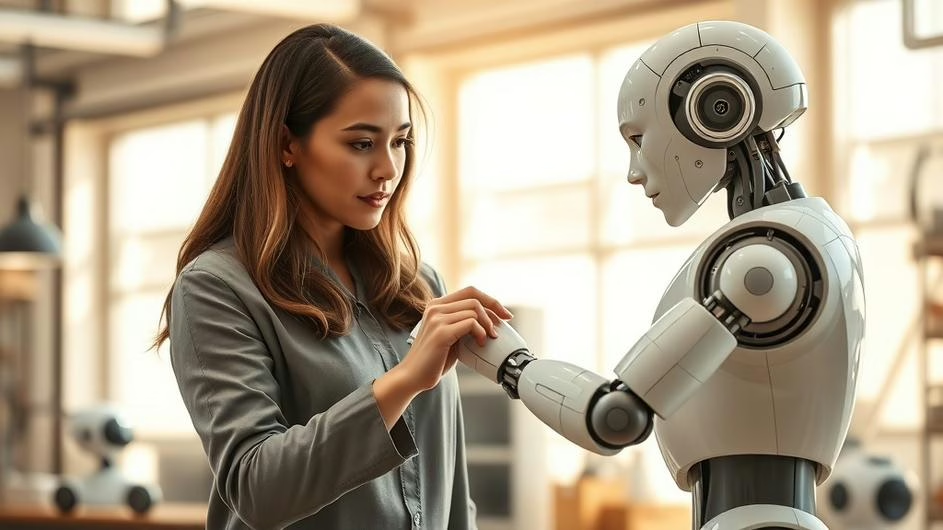
At the center of this new narrative was a wave of household robotics that felt less like science fiction and more like a useful appliance. The standout was LG’s CLOiD. In hands-on reports, the device impressed not with futuristic promises, but with robust actuators and task-specific tooling designed for folding laundry and helping in the kitchen.
Those might sound like mundane examples, but that’s exactly why they matter. They test a fundamental question: Can automation replace human chores without creating a whole new set of headaches? The industry is starting to talk about the “zero-labor home,” a space where routine physical tasks are delegated to machines. CLOiD shows both the promise and the limits of that vision.
Its hardware is genuinely advancing. Yet anyone who’s tried to integrate a smart device into an older home knows the real challenge isn’t the hardware itself. It’s safety protocols, error handling when something goes wrong, and seamless integration with legacy appliances that weren’t built for this. For developers, this means the focus needs to split. It’s as much about resilient, human-centered interaction design as it is about mechanical capability. Can the robot explain why it’s stuck? Can it ask for help in a way that doesn’t frustrate the user? These are the software questions that will determine commercial success.
This shift toward physical, helpful AI was a major theme we explored in our CES 2026 aftermath analysis, where the conversation moved decisively from quirky concepts to serious platform decisions.
Affordability as a Strategy: The New Google Pixel Calculus
If robotics showed the ambition, affordability revealed the strategy. Leaks around the next Google Pixel suggested a notably cheaper positioning compared to prior models, paired with a faster product cadence. This isn’t just a pricing story. It’s a signal of how companies are fundamentally rebalancing the tradeoffs between top-end features and broad market reach.
Think about what this means for software teams. Cheaper devices dramatically change the testing matrix. Hardware variance grows, and features must be designed to “degrade gracefully” across different performance tiers. It also cracks open new opportunities for edge processing patterns. Workloads can be split intelligently between local silicon and cloud services, keeping latency-sensitive tasks fluent on the device while offloading heavier AI models to remote servers.
This trend toward accessible, powerful hardware is part of a larger hardware reckoning shaping 2026, where supply chains and cost structures are being rewritten.
Mobility Grows Up: Software, Supply Chains, and Sustainability
Meanwhile, the automotive sector is quietly shedding its buzzwords and getting pragmatic. Industry reporting points to three operational priorities for 2026: supply chain resilience, software-first architectures, and honest sustainability. The change is profound. Vehicle manufacturers are no longer treating software as an afterthought slapped onto mechanical platforms.
Instead, they’re building vehicles with continuous update models from day one, using modular domain controllers, and implementing standardized testing frameworks so software can be iterated the way mobile apps are. For developers who’ve spent their careers in consumer tech or cloud spaces, this convergence is a direct invitation. It’s a chance to apply robust CI/CD practices, safety engineering principles, and agile development to transportation.
The shift also surfaces tougher challenges, like regulatory hurdles for over-the-air updates and a sharper focus on lifecycle emissions rather than just tailpipe numbers. As Automotive World notes, the top trends for 2026 are less about autonomy and more about the foundational systems that make modern vehicles updatable, efficient, and sustainable.
The Hype vs. Reality Test: Agentic Commerce and Consumer Trust
Across robots, phones, and cars, the industry is grappling with a persistent gap between conference floor hype and living room reality. Marketing events like CES can elevate speculative ideas, but the commercial winners will be those that close the distance between a dazzling demo and durable customer value.
Take “agentic commerce,” one of those ideas living at the intersection of AI and retail. The concept sounds futuristic, autonomous agents executing purchases on your behalf. But meaningful implementation requires infrastructure that doesn’t fully exist yet, reliable digital identity, crystal-clear consent models, and predictable failure modes. Brands eager to leverage this need to think about trust, user controls, and auditability from the very first line of code.
This balancing act between innovation and practicality is exactly what Ad Age explores in their 2026 outlook, decoding which trends have substance and which are just noise.
The New Consumer Calculus: Utility Over Novelty
What ties these disparate trends together is a measurable change in consumer behavior. People are simply less impressed by raw novelty. They’ve been burned by gadgets that promised the future but delivered frustration. Now they care about fit, cost, and respect, privacy, and sustainability.
This is why product strategies are pivoting from engineering showpieces to constrained, high-value use cases. A robot that flawlessly folds clothes once is a neat trick. A robot that reliably reduces the mental load of household management every day is a product. A phone with slightly fewer flagship features but a lower price and a guaranteed five years of software updates can win in a market where utility matters more than peak specs.
This evolution in what consumers value is captured well in Ad Age’s analysis of five new gadget trends, which highlights how behavior, not just technology, is driving change.
What This Means for Developers: The Hybrid Skill Set
For developers, this era demands a hybrid skill set. Strong algorithms and hardware knowledge are still table stakes, but they’re no longer enough. Systems thinking is the new premium skill. Expect more cross-disciplinary work than ever, cloud engineers collaborating directly with firmware teams, UX designers pairing with safety engineers, and product managers constantly balancing regulatory risk against speed to market.
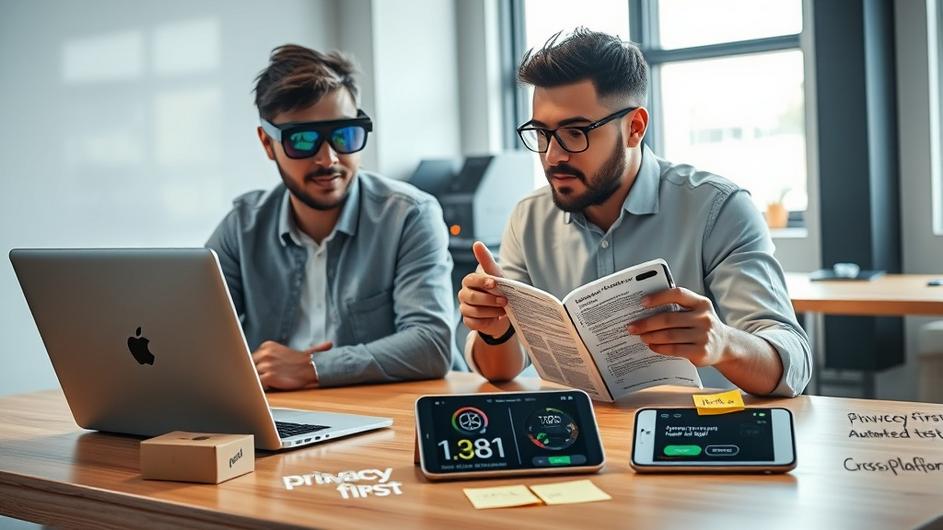
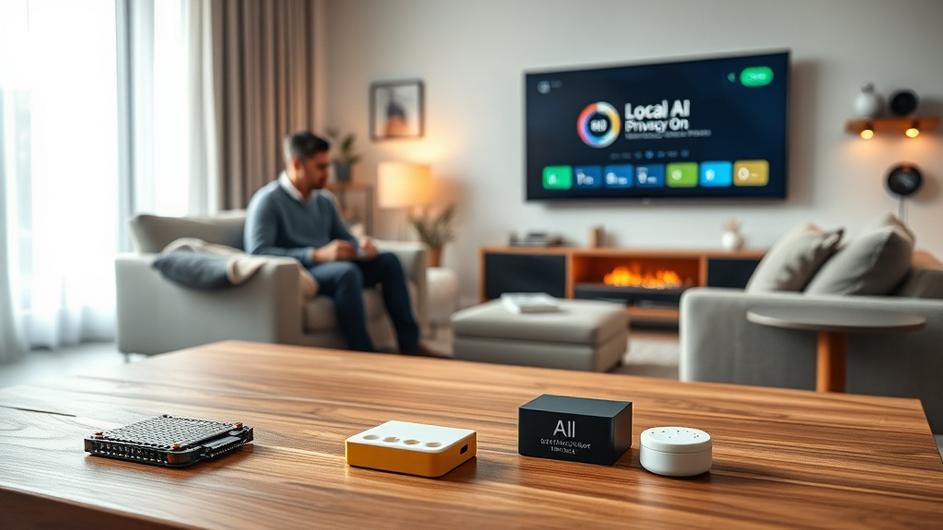
Test harnesses need to simulate messy real-world inputs, not just ideal conditions. Deployment pipelines must support staggered rollouts and easy rollbacks. Telemetry has to be designed with privacy by default, while still giving engineering teams enough signal to ship meaningful improvements. It’s a complex dance.
The rise of consumer AI in 2026 exemplifies this perfectly, where convenience must be built alongside rigorous scrutiny.
Building the Platforms That Build the Future
There’s a massive opportunity here for developer-facing platforms that abstract away common failure modes. Think standardized interfaces for home device interoperability, layered update mechanisms for vehicles that don’t brick critical systems, and consent-first APIs for transactional agents. These platforms won’t be judged on technical elegance alone. They’ll be measured by their ability to accelerate trustworthy product launches and reduce integration nightmares.
We’re moving toward a future where agentic AI and cheaper chips rewrite not just gadgets, but professional workflows and governance models.
The Networked Future: Incremental Improvements at Scale
Looking ahead, the most consequential change will be how software ties physical systems together at scale. The next five years won’t be about a single breakthrough product that changes everything. It’ll be about networks of moderately capable, widely available devices that, together, quietly reshape daily life.
This implies a competitive landscape where incremental improvements win when they compound across ecosystems. A slightly better battery management algorithm in a phone, a more efficient pathfinding routine in a robot, a smarter thermal management system in a car, these small wins add up when millions of devices are connected.
For teams building this future, the mandate is clear, optimize for reliability, affordability, and clarity. Deliver that trifecta, and your technology has a real shot at moving from the trade show floor to everyday routines. Miss on any of them, and you’re just adding to the clutter.
The Bottom Line: Practicality Beats Spectacle
So, what’s the takeaway from CES 2026? In short, it’s shaping up to be a year where practicality finally beats spectacle. Robots like LG’s CLOiD show what’s possible when hardware meets focused software that solves actual problems. Affordable phones from Google and others broaden access while changing the fundamental constraints for developers. Automakers are driving software and supply chain maturity into the heart of their operations.
The clear opportunity for everyone in tech, from founders to engineers, is to build durable systems that respect user needs, environmental tradeoffs, and operational realities. Do that well, and the next wave of technology won’t just be impressive. It’ll be indispensable, woven so seamlessly into the fabric of daily life that we forget it was ever futuristic. And that’s when you know the future has truly arrived.
For a deeper look at how AI is stepping out of the cloud and into our physical world, check out our analysis of when AI left the cloud and entered the real world.
Sources
- What 5 new gadget trends say about changing consumer behavior, Ad Age, January 15, 2026
- LG CLOiD Hands-On: Will This Robot Do Household Tasks Better Than a Human?, CNET, January 14, 2026
- Google Pixel: New leak suggests cheaper pricing than older smartphone, Notebookcheck, January 13, 2026
- Beyond buzzwords: top 2026 tech trends, Automotive World, January 12, 2026
- Decoding 2026 hype vs. reality—tech and retail outlook to know, Ad Age, January 16, 2026