
Design, AI, and the New Hardware Playbook: How 2025 Rethought Devices for Real Life
Remember when foldable phones felt like expensive party tricks? Or when smart glasses were just cameras strapped to your face? 2025 changed that conversation. This wasn’t just another year of incremental spec bumps. It felt like hardware finally grew up, moving from engineering showcases to tools that actually fit into our lives. As we explored in our look at why 2025 felt like a pivot year for gadgets, the big stories weren’t just about foldables and wearables, but about the design choices and software assumptions hiding behind them.
Instead of asking “can we make it fold?”, companies started asking “how should it fold?” and “what does folding actually enable?” That shift in questioning made all the difference. The result was a year that taught developers and product teams two crucial lessons: form needs to meet clear utility, and AI must integrate in ways that respect real-world friction.
Foldables Grow Up: From Novelty to Platform
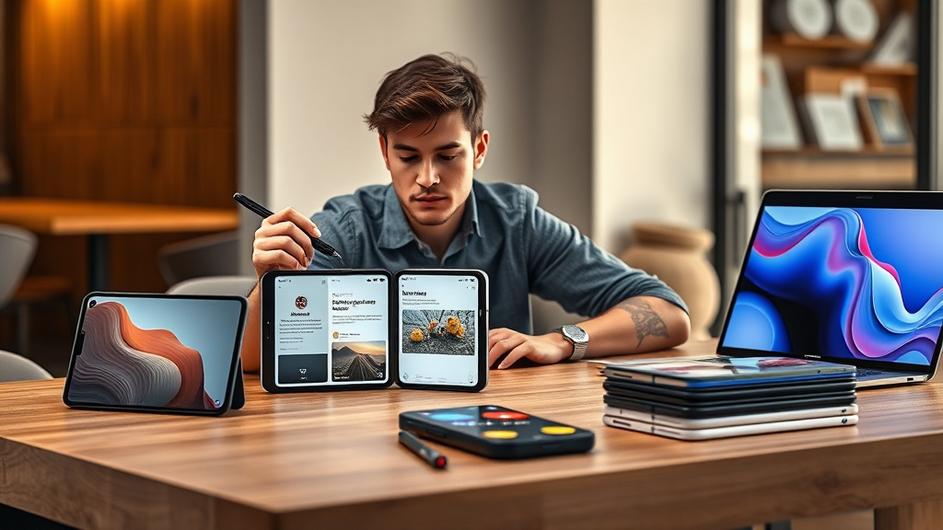
Early foldables were all about proving the hinge worked. They bent to make a point, literally. But in 2025, folding became a legitimate feature set. We saw tri-fold phones that pushed portable computing into new territory, devices that made cool tech gadgets feel genuinely useful rather than just novel.
These aren’t just phones that get smaller. They’re devices that rethink screen real estate and multitasking, offering surfaces that adapt to your workflow. For developers, this is a fundamental challenge. App interfaces now need to scale across a continuous, folding surface. Designers can’t just think in rigid breakpoints anymore. They need responsive, context-aware layouts that reorganize gracefully when the display bends.
It’s a shift from designing for a static rectangle to designing for a living, morphing canvas. If you’re building apps today, you should be asking: how will this interface work when the screen isn’t just big or small, but somewhere in between?
Wearables Cross the Threshold
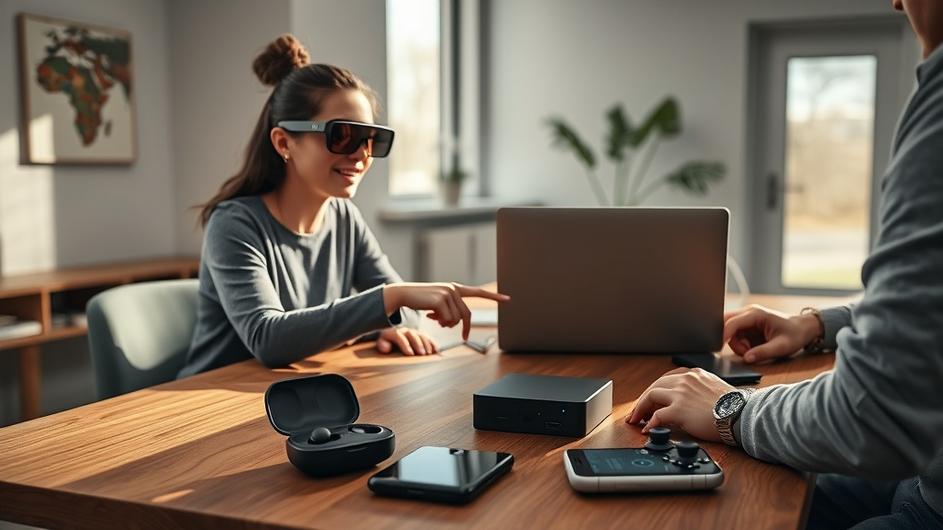
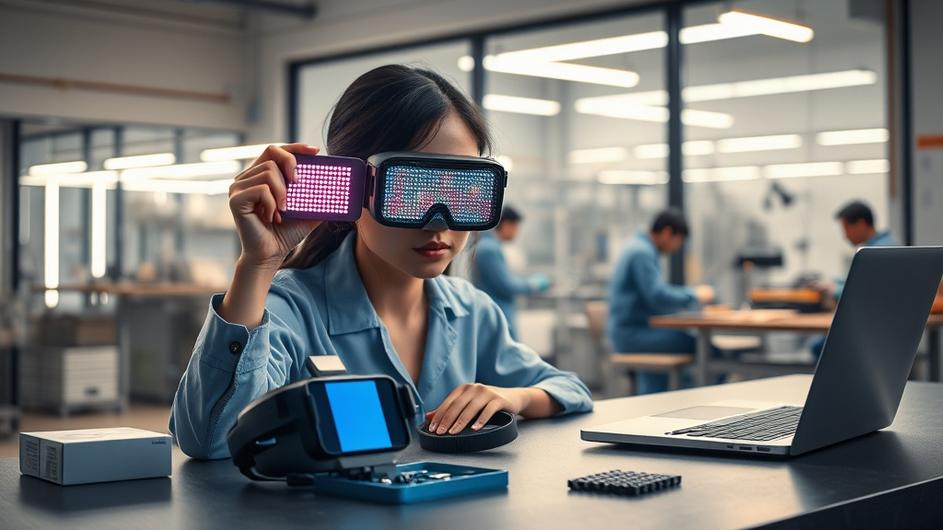
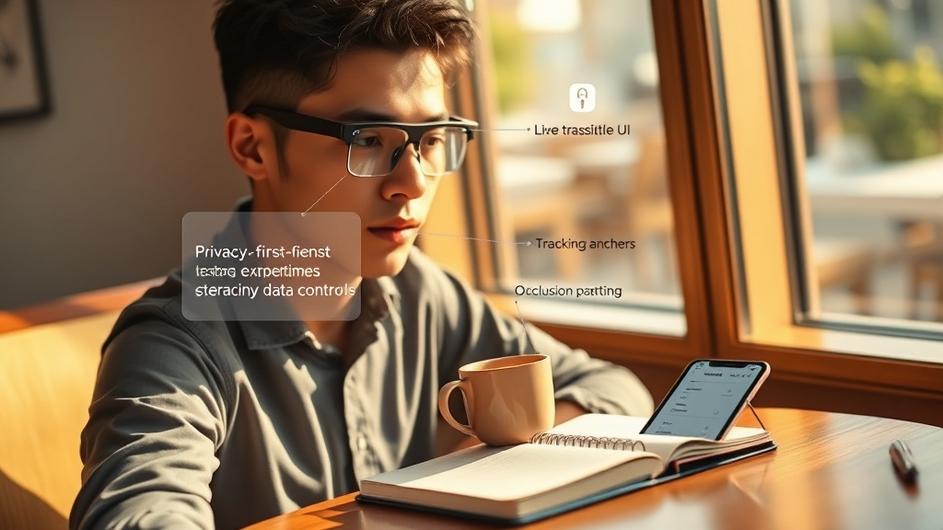
Smart glasses finally got interesting in 2025. New models shipped with full-color waveguide displays, which are optical elements that channel images directly into your eye while preserving your field of view. This tech is the secret sauce for compact, readable augmented reality.
Paired with on-device cameras, these glasses showed us what “glasses-first” computing could look like: hands-free photo capture, contextual information layered right where you need it. The shift is significant because it changes the entire app model. We’re moving from phone-centric experiences to ones native to your face.
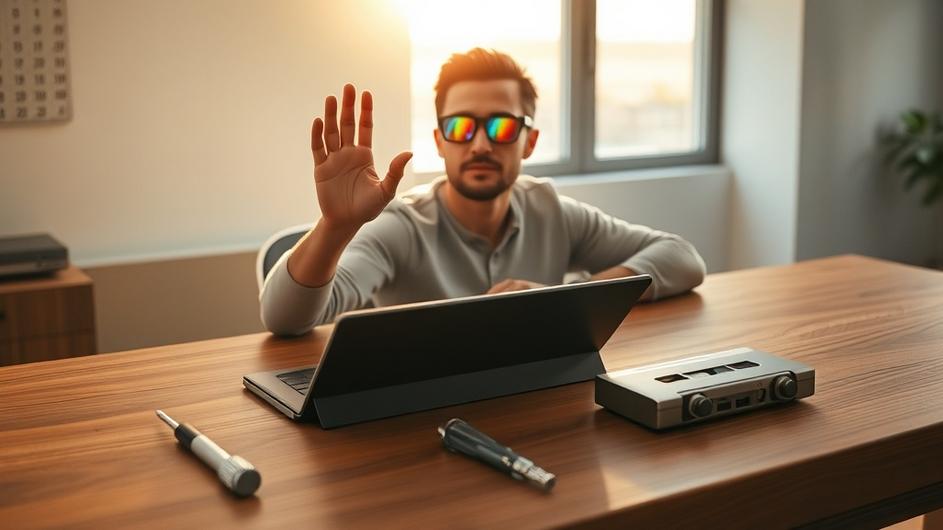
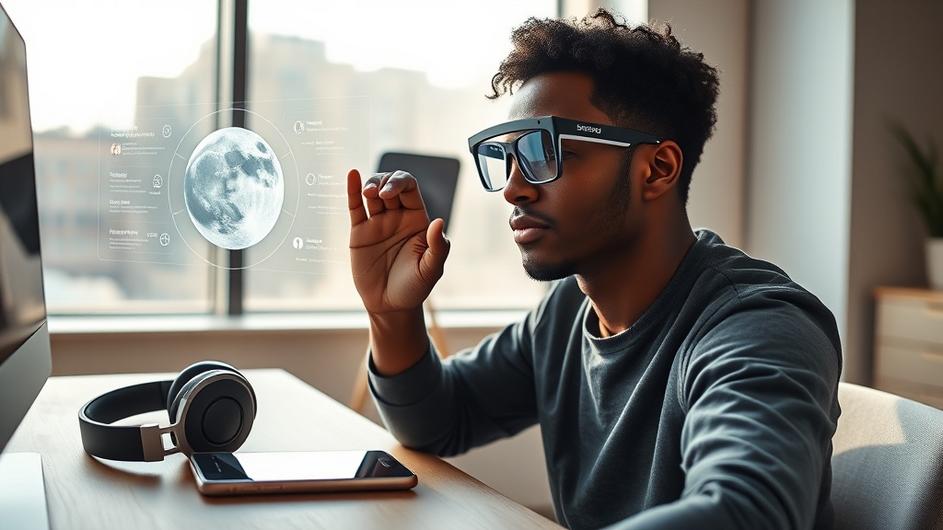
Hand tracking and gesture input, demonstrated in public Android XR demos, proved that a glasses experience can feel tactile and immediate. For developers, this means rethinking everything about input. Your interface needs to feel natural when controlled by a glance, a gesture, or a voice command. It’s a whole new design language, and it’s why 2025 marked a new wearable moment.
AI Gets Quiet and Useful
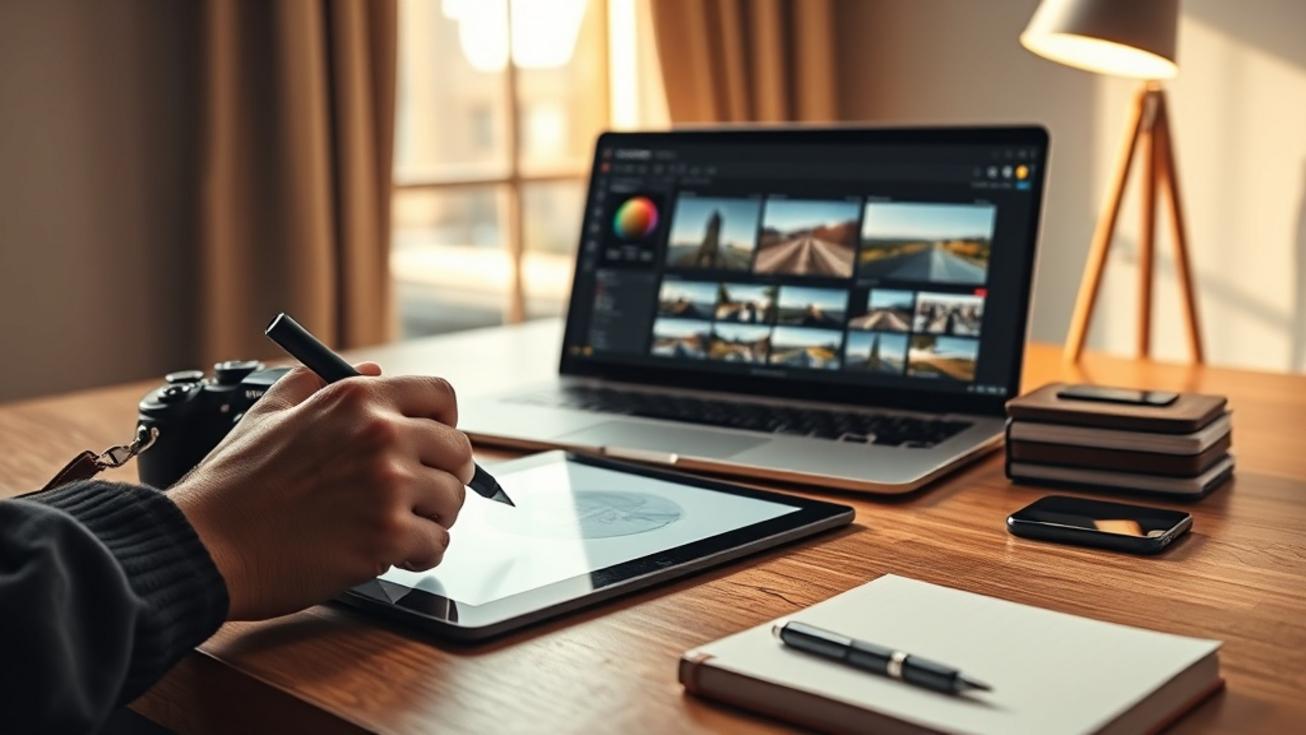
Here’s the thing about AI in 2025: it stopped being a headline feature and started being useful background noise. The shift was visible. AI became the substrate that improved core experiences, not the shiny object you tap to activate. Photography tools used machine learning to expand what basic camera hardware could achieve, delivering pro-style edits without requiring pro-level skills.
Editing software baked in AI tools that actually speed up real work. The interesting trend isn’t flashy AI demos. It’s utility embedded in day-to-day tasks. That tidy integration, where AI reduces friction without replacing the human, sets a new bar. Productive AI shouldn’t feel like you’re using AI. It should just feel like the tool is smarter.
This quiet revolution aligns with what we’ve seen in AI’s broader inflection point, where the technology matures from spectacle to substance.
Home Robotics Learns New Tricks
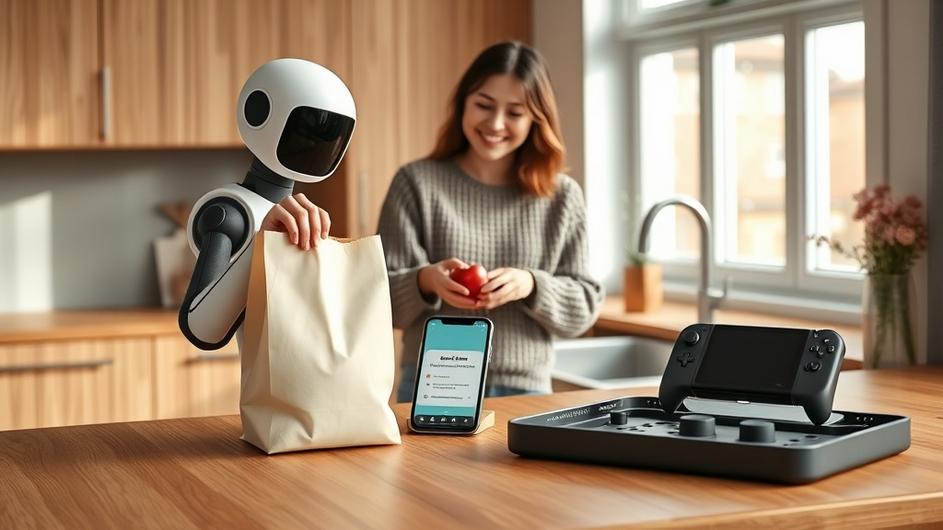
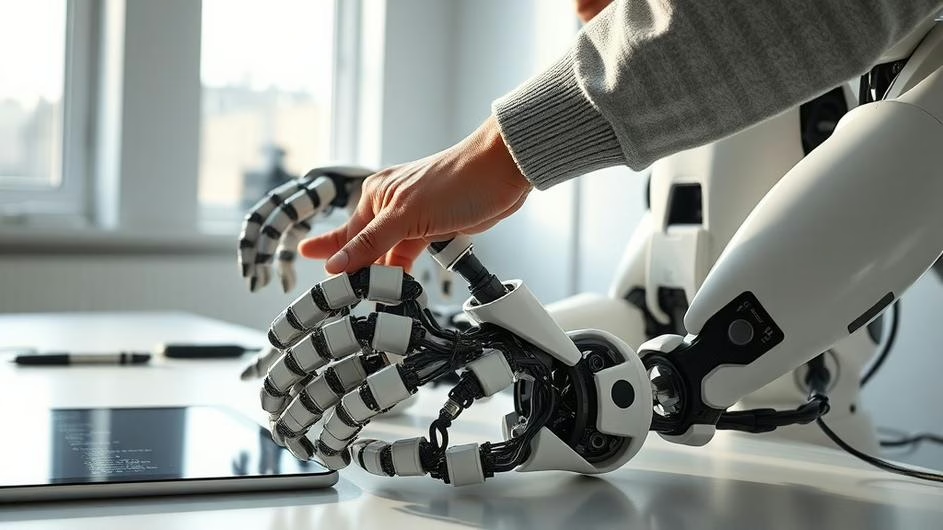
Robot vacuums grew up this year. They evolved from single-purpose cleaners into multipurpose household helpers. We saw models that combine suction with dexterous appendages or claws, like those featured in CNET’s roundup of the biggest tech products.
These machines aren’t just better at navigating. They can handle a wider variety of chores, from moving small objects to dealing with pet messes in a more human-like way. For software engineers, adding manipulation capabilities is a profound challenge. It requires different sensing, new safety rules, and complex task planning.
Home robotics is moving from simple reactive cleaning routines to planned task sequences that integrate with broader smart home systems. It’s a shift from automation to actual assistance.
Design Makes a Comeback
A run of standout releases in 2025 proved something important: consumers want devices that feel delightful to use and look good on a shelf. This trend spanned retro-inspired audio gear, transparent media players that celebrate physical components, and premium materials trickling down to everyday items.
The lesson for product teams is clear. Material choices and interaction rituals matter. When design and engineering align properly, you can deliver premium experiences without inflating price tags. Some companies nailed this by streamlining features down to what actually matters.
As noted in Design Milk’s top technology posts, good design isn’t just about aesthetics. It’s about creating products people want to live with. Several of Gear Patrol’s 100 most important product releases highlighted this design-first approach.
The New Hardware Playbook
These threads aren’t isolated. They’re converging toward a new hardware playbook that prizes context-aware experiences, modular user interfaces, and honest trade-offs. Early AR glasses, for example, prioritize display quality over all-day battery life because convincing visuals are the core experience. The first commercial wave will favor fidelity. Later iterations will chase endurance and slimmer form factors.
For everyone building tech, the practical takeaways are straightforward. Build with contextual inputs in mind, because devices will soon interpret hand gestures, eye gaze, and environmental cues together. Treat AI as a tool to reduce cognitive load, not as a spectacle. Design interfaces that scale across folding surfaces and transition smoothly from phone to glasses. And if you’re working on robotics, accept that safety and soft constraints are product features, not afterthoughts.
This new approach is exactly what the new AR reset taught us about hardware development.
What Comes Next?
Looking ahead to 2026, these changes will ripple through software ecosystems. Expect app stores and development frameworks to prioritize multi-surface layouts and sensor fusion APIs. Privacy and security will take center stage as face-forward computing and ambient sensors become commonplace.
Hardware makers will keep exploring material and mechanical innovations, but their success will be measured by a simple metric: how much do they meaningfully improve daily life? As highlighted in ZDNET’s breakthrough awards, the most innovative products solve real problems, not just showcase technical prowess.
2025 didn’t deliver one revolutionary device. It delivered a pattern. That pattern is a shift from impressive specs to integrated usefulness, from singular gadgets to systems that adapt to human behavior. If you’re building the next generation of apps or devices, focus on the seams where hardware, AI, and design meet. Those seams will determine which products feel inevitable, and which ones end up as curated museum pieces.
Sources
- The 5 most innovative tech products we tested this year, ZDNET, Dec 12, 2025
- The 100 Most Important Product Releases of 2025, Gear Patrol, Dec 15, 2025
- Robot Vacuums with Claws? The Biggest Tech Products of 2025, CNET, Dec 18, 2025
- Top 10 Technology Posts of 2025, Design Milk, Dec 17, 2025
- Project Aura Reveals Android XR Demo In Dec 2025, Glass Almanac, Dec 14, 2025