
Cool Tech Gadgets In 2025 That Quietly Reshape Crypto And Web3
You know how crypto has mostly lived on screens, tucked away in digital wallets and trading platforms? Well, 2025 is changing that game. The line between digital assets and physical devices isn’t just blurring, it’s practically disappearing. And the most interesting shifts in gadgets, phones, and computers aren’t about faster processors or sleeker designs. They’re about how everyday tech is quietly building the infrastructure for crypto and Web3’s next chapter.
Think about it. From AI-powered hardware to ambient sensors that understand identity and risk, this new wave of devices creates a fresh playground where value, data, and code finally meet in the physical world. It’s not science fiction anymore, it’s happening right now in the gadgets you’re probably considering buying.
From Cool Gadget To On-Chain Endpoint
When you browse those roundups of the best cool tech gadgets of 2025, you’ll see sleek wearables, smart home hubs, and novel accessories. That’s all accurate, but it misses something crucial for crypto investors and developers. Every new connected device is essentially a potential on-chain endpoint waiting to be activated.
Platforms like The Gadget Flow showcase devices from major launches and crowdfunding campaigns. These products usually come with companion apps, cloud backends, and subscription services. But as they mature, three fundamental shifts occur. Identity moves from usernames to cryptographic keys embedded directly in hardware. Payments evolve from stored credit cards to token-based models. And data that was once locked in closed ecosystems starts looking like an asset that can be tokenized or selectively shared through decentralized protocols.
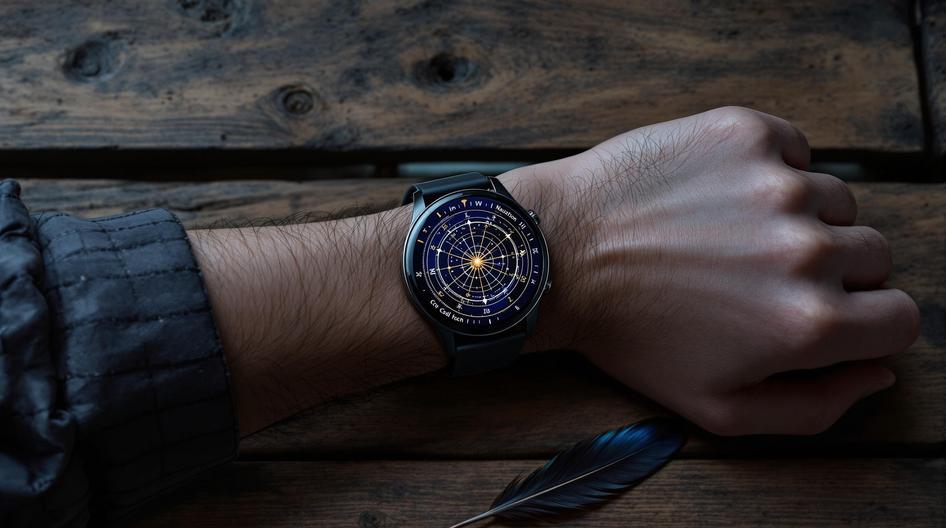
In practical terms? That smart ring tracking your sleep today could become a hardware wallet signing transactions tomorrow. The smart home hub managing your lights and locks could coordinate peer-to-peer energy markets or bandwidth sharing. We’re already seeing crowdfunded hardware projects experiment with token rewards for usage and referrals. The cool gadget is becoming the physical interface for Web3, something we explored in our recent analysis of how 2025 gadgets are reshaping Web3 development.
Technology Trends That Change Consumer Expectations
Trendhunter’s analysis of technology trends reveals a simple truth. Innovation isn’t just about raw performance specs anymore. It’s about how devices enhance everyday experiences in unexpected ways. For the crypto ecosystem, this shift in consumer expectations is absolutely critical.
Think about your own experience. Do you still tolerate clunky setup processes, confusing security prompts, or opaque pricing? Probably not. Mainstream tech has trained us to expect AI personalization, automatic device collaboration, and secure data syncing across all our gadgets.
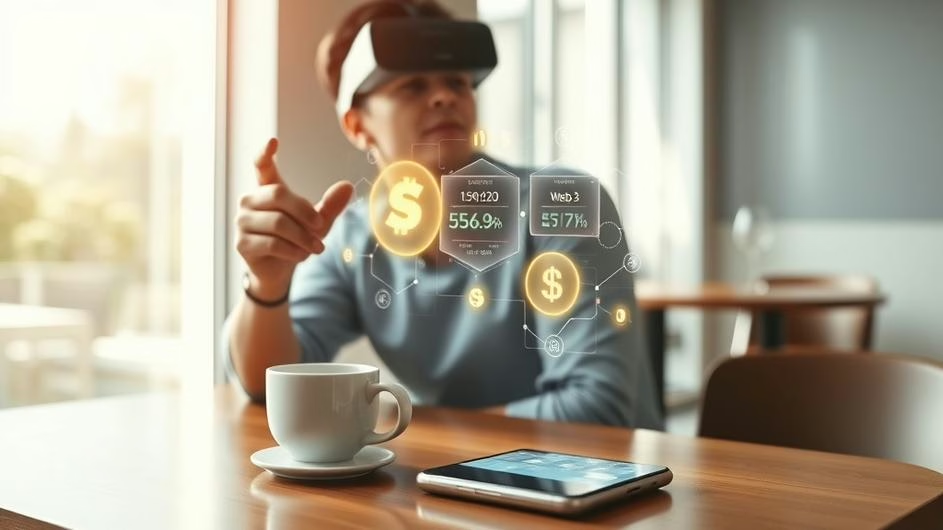
This fundamentally changes how people will judge crypto products embedded in hardware. A wallet built into your VR headset or car needs to feel as seamless as contactless payments, yet provide stronger security guarantees. An on-device AI assistant recommending a DeFi yield strategy must explain risks in plain English, not financial jargon. When the baseline user experience of gadgets keeps improving, anything below that standard feels broken, including many current blockchain tools.
What does this mean for developers? They need to build crypto interfaces that match the polish of mainstream consumer tech. Otherwise, adoption will stall. As we noted in our look at smartphone evolution and Web3 integration, the bar for user experience keeps rising.
AI Native Gadgets And On-Device Crypto Intelligence
BBC Science Focus highlights a new generation of cool gadgets for 2025, from AI-powered smart devices to “genius tools” that stay with you all day. The common thread? Ambient intelligence. Devices that listen, recognize patterns, and act before you even ask.
For crypto and Web3, these AI-native gadgets open up fascinating possibilities. On-device AI could serve as your personal compliance officer. Imagine it flagging risky smart contracts before you sign, summarizing permissions in plain language, and cross-referencing against known exploits, all without sending your private data to the cloud. It could negotiate gas fees or route transactions across different chains based on your past behavior and risk tolerance.
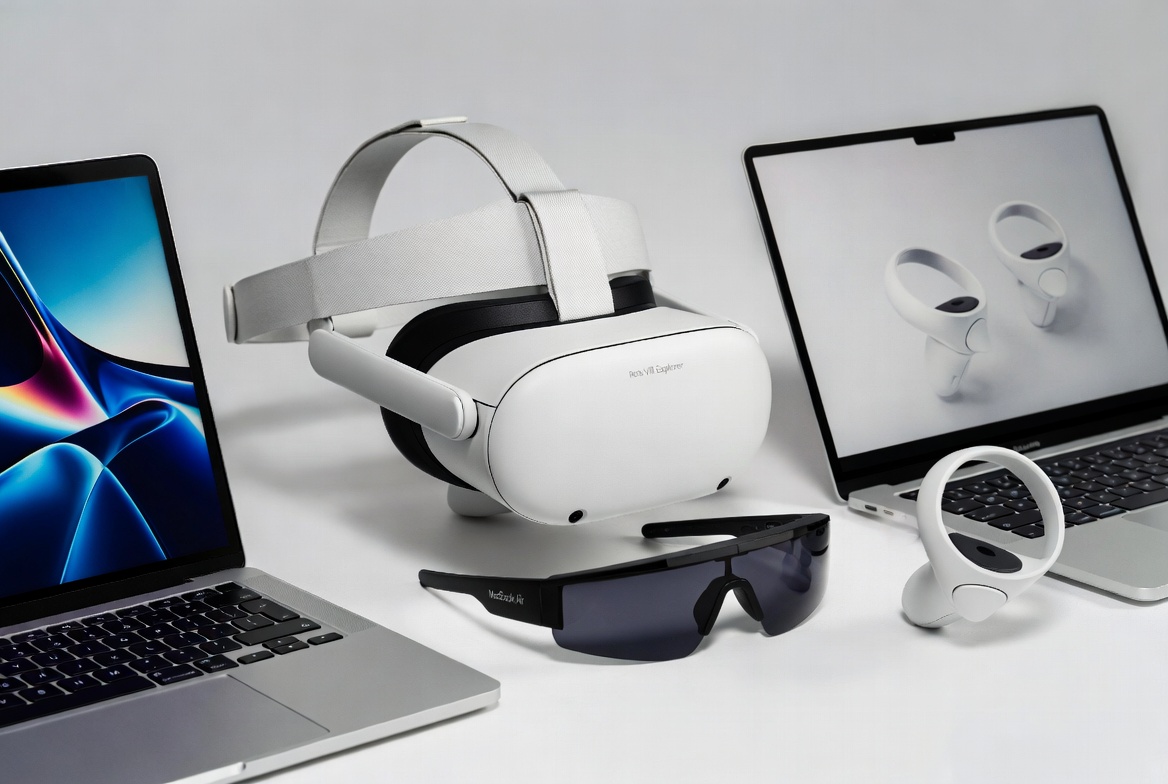
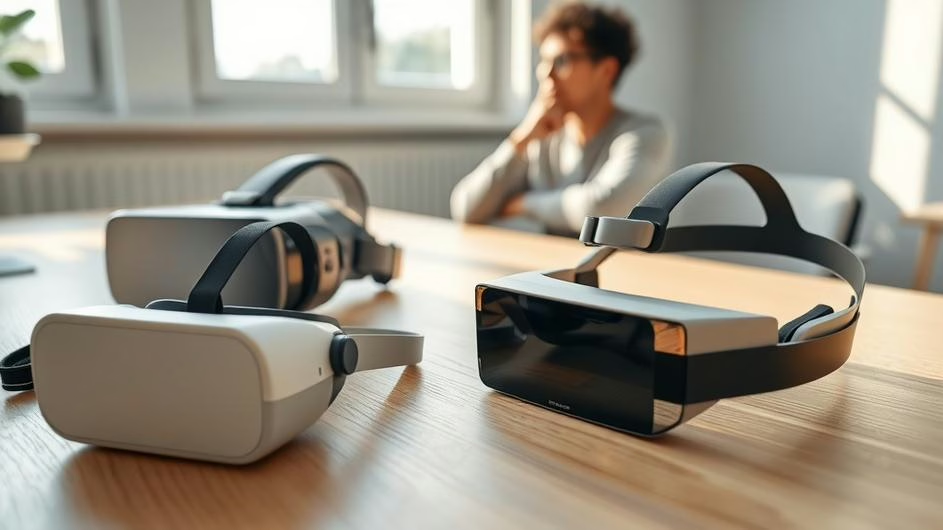
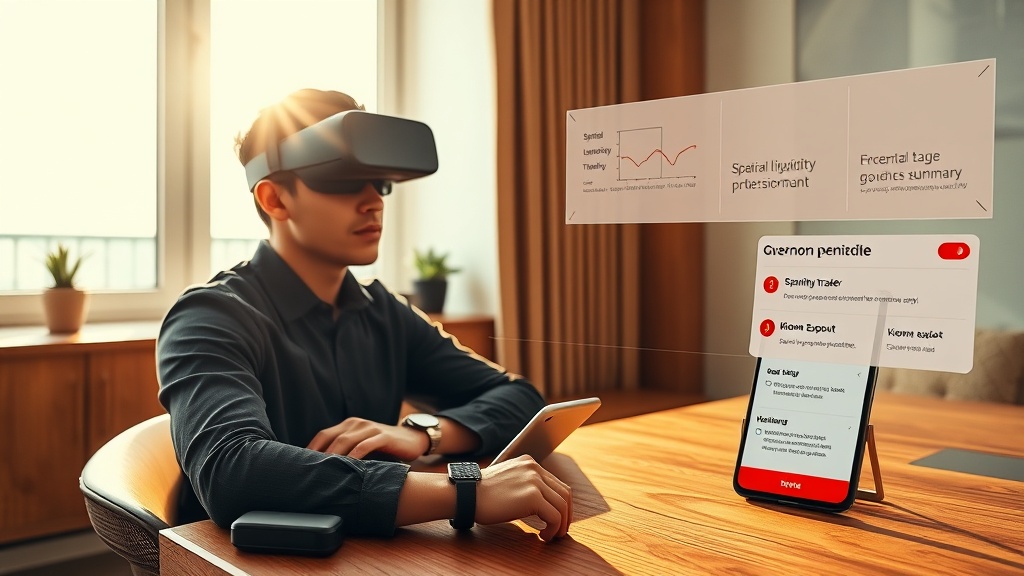
In VR and AR spaces, AI-enabled headsets could revolutionize crypto search experiences. Instead of typing token tickers, you might ask, “Show me the liquidity and governance history of this protocol,” and see it visualized spatially in your field of view. That’s a whole new class of crypto search engine, living right in your devices and using local models to prioritize what matters to you personally.
As gadgets become more context-aware, identity gets more nuanced too. A single private key could express multiple roles, with devices deciding which role to reveal based on the situation. The same user could appear as an anonymous trader on a DEX and as a verified participant in a regulated token sale, with the AI layer managing these transitions while keeping sensitive data encrypted. This aligns with what we’re seeing in the convergence of wearables, AI, and crypto.
Consumer Technology Trends That Actually Matter For Web3
Exploding Topics tracks consumer technology trends shaping the next few years, from robotics to AI-driven services. For crypto enthusiasts and builders, several patterns stand out as particularly relevant.
Connected mobility is exploding. Scooters, cars, and shared bikes are increasingly software-defined, which points directly toward tokenized mobility systems. Imagine usage, maintenance, and insurance all coordinated through smart contracts. Devices report their status, riders pay with stablecoins or local tokens, and insurers price dynamic coverage based on real-time telemetry. In this scenario, the gadget itself becomes the oracle.
Then there’s the normalization of robotics in homes and workplaces. As robots handle more logistics and domestic tasks, they’ll need machine-readable, programmable money. Paying for micro-tasks in fiat with traditional payment rails is cumbersome and expensive. Crypto, especially with layer 2 networks and stablecoins, becomes a natural fit here.
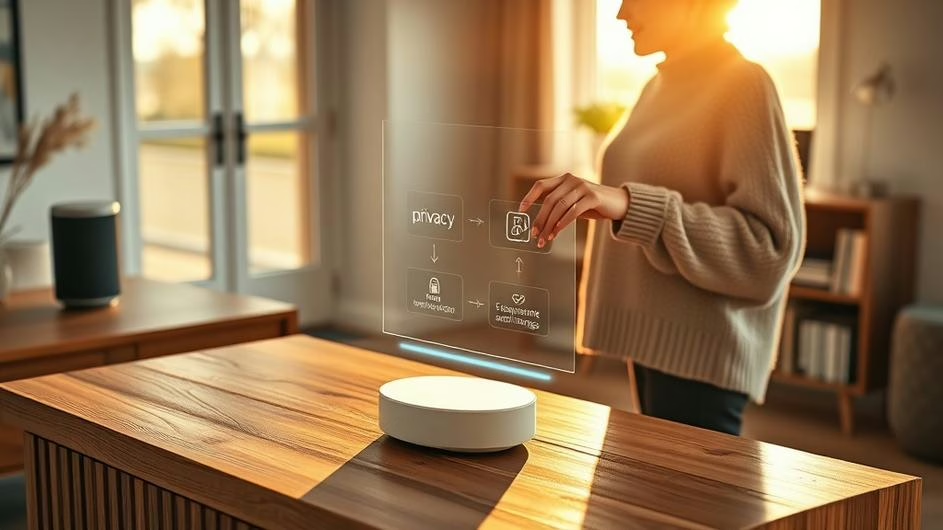
And let’s not forget the persistent concern about privacy and data ownership. As AI infiltrates every device, both regulators and consumers are asking where the data goes and who profits. This creates a perfect opening for decentralized storage solutions, zero-knowledge proofs, and user-owned data vaults. Devices become the front end for policies written to blockchains, policies that govern which AI models can access which data and under what terms.
These trends suggest we’re moving toward what we described in how smart gadgets are rewiring crypto lifestyles, where everyday devices seamlessly integrate blockchain functionality.
The Best Tech Of 2025: Tested, Refined, And Token-Aware
TechRadar’s overview of the best tech of 2025 covers audio, phones, computing, cameras, TVs, fitness, and smart home devices. Their takeaway? Maturity has arrived. Many categories have moved beyond first-generation experiments into refinement, integration, and cross-device consistency.
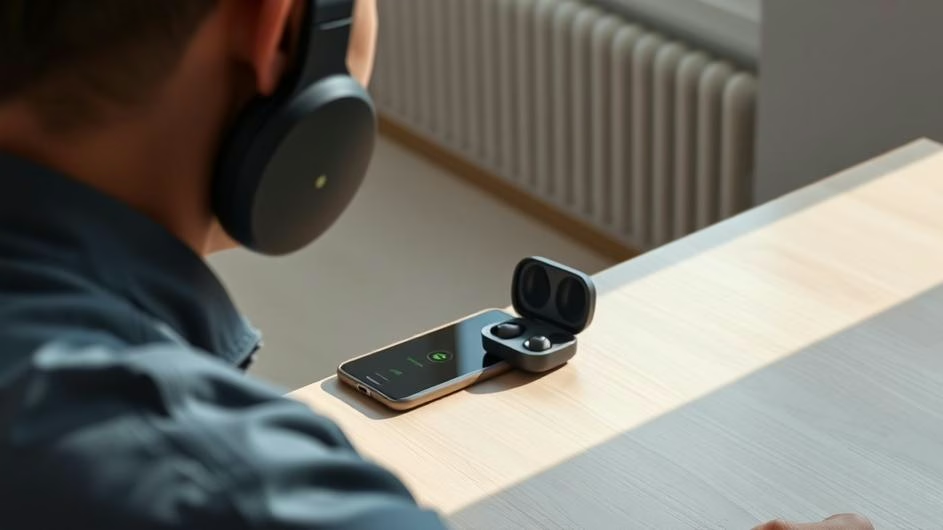
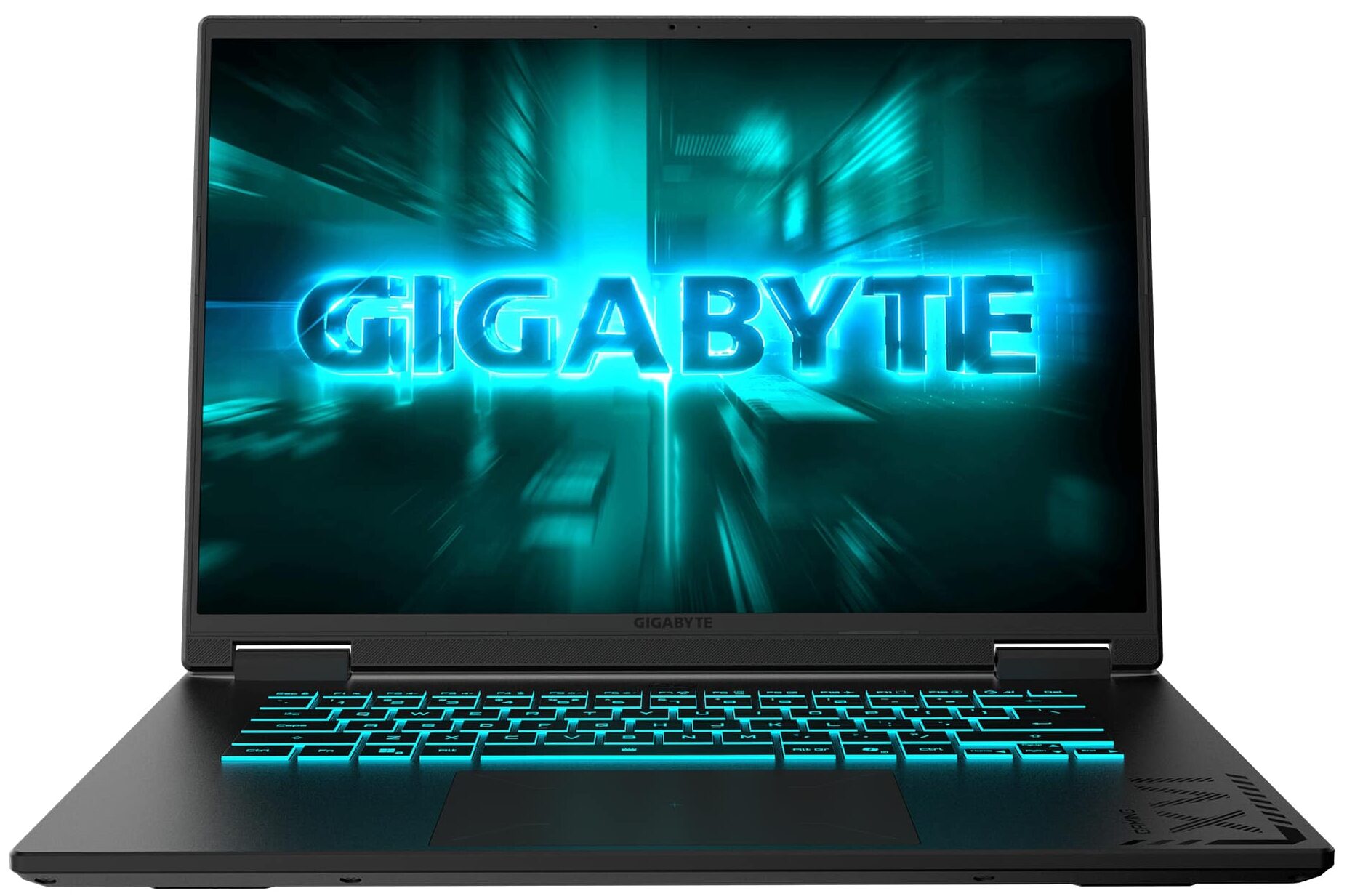
This maturity matters enormously for crypto investors and developers. When phones ship with secure enclaves and passkeys by default, they’re also shipping with hardware that can securely store private keys. When smart TVs handle subscription management intelligently, they become gateways for token-gated media, NFTs, and interactive content purchased on-chain.
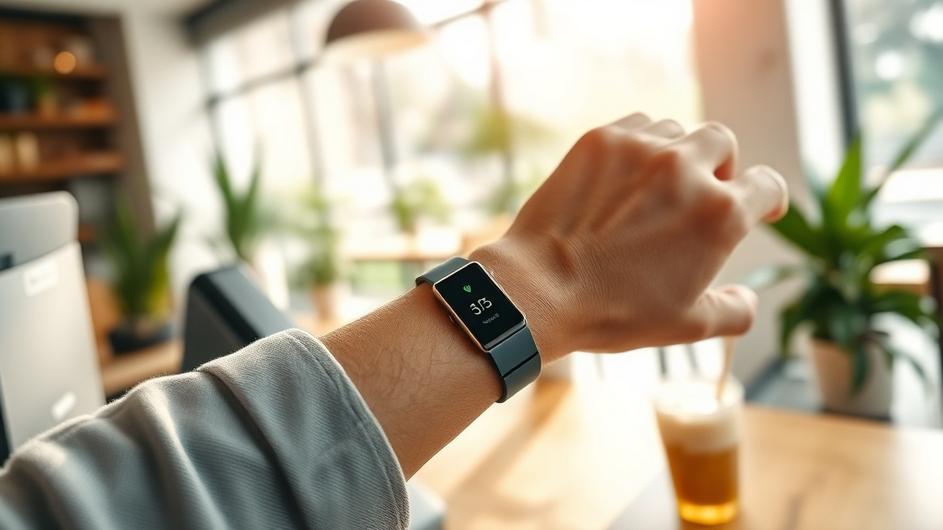
Meanwhile, that fitness tracker measuring your heart rate could join decentralized health research networks. Data gets anonymized, tokenized, and traded in regulated markets. Crypto primitives like staking and governance can determine how that data gets shared and how value returns to contributors.
The common thread in these top-tier gadgets? They already contain most of the ingredients needed for Web3 integration. What’s often missing is thoughtful implementation and careful alignment with evolving regulatory frameworks, something we examined in how fitness gadgets are changing health and Web3.
| Gadget Category | Current Primary Use | Web3 Integration Potential | Real-World Example |
|---|---|---|---|
| Smart Rings/Wearables | Health tracking, notifications | Hardware wallet, biometric authentication | Sleep tracker that signs transactions |
| Smart Home Hubs | Device coordination, automation | Peer-to-peer energy markets, decentralized storage node | Hub managing tokenized bandwidth sharing |
| Fitness Trackers | Activity monitoring, health metrics | Health data tokenization, research participation rewards | Heart rate data traded on health data markets |
| VR/AR Headsets | Immersive experiences, gaming | Spatial crypto interfaces, decentralized virtual worlds | Visualizing DeFi protocols in 3D space |
| Smartphones | Communication, apps, payments | Secure key storage, mobile DeFi access, NFT galleries | Phone as primary Web3 identity and wallet |
Regulatory Reality Check: What Comes Next
As devices become financial interfaces, regulators won’t ignore them. Hardware wallet features in mainstream phones, DeFi access in smart TVs, or tokenized mobility in cars quickly cross into payments and securities territory. That means consumer tech companies must engage with crypto regulation as a core part of product design, not just a side consideration.
This creates opportunities for developers who can bridge different disciplines. Teams that understand both hardware security modules and smart contract audits, or both medical device regulations and health data tokenization, will shape the standards that emerge.
Looking ahead, the path for crypto and Web3 doesn’t run only through protocol upgrades on blockchain networks. It runs through the gadgets on your desk, in your pocket, on your wrist, and throughout your home. The most powerful blockchains of the next decade might not be visible at all. They could be the quiet substrate that lets AI-native devices coordinate value, reputation, and policy at global scale.
For investors and builders watching this space, the message is straightforward. Pay attention to the gadgets. They’re not just consumer toys or productivity tools anymore. They’re becoming the front line where Web3 transitions from concept to daily reality, a shift we’re tracking closely in our coverage of 2025’s smartest gadgets and their Web3 implications.
Sources
• Best Cool Tech Gadgets of 2025, The Gadget Flow, 2025
• Technology Trends and Gadgets, TrendHunter, 2025
• 44 cool gadgets: Our pick of the best new tech for 2025, BBC Science Focus, 2025
• Top 5 Consumer Technology Trends (2024-2026), Exploding Topics, 2024
• The best tech of 2025 so far, TechRadar, 2025