
Consumer AI in 2026, Where Convenience Meets Scrutiny
Remember when AI was just about chatbots that could tell you a joke or image filters that made your photos look like paintings? Well, 2026 is shaping up to be the year that all changes. We’re hitting a convergence point where generative AI, smarter hardware, and new trust mechanisms are colliding with everyday life in ways that actually matter. It’s not about ideation anymore, it’s about action. Consumers don’t just want AI that can imagine things, they want tools that help them do things, right now.
This shift is quietly rewriting how people search, shop, create content, and even relate to their devices. Companies are scrambling to keep up, forced to rethink everything from product design to safety protocols and digital provenance. If you’re building tech today, you can’t afford to ignore what’s happening.
From Assistant to Action: AI Gets Practical
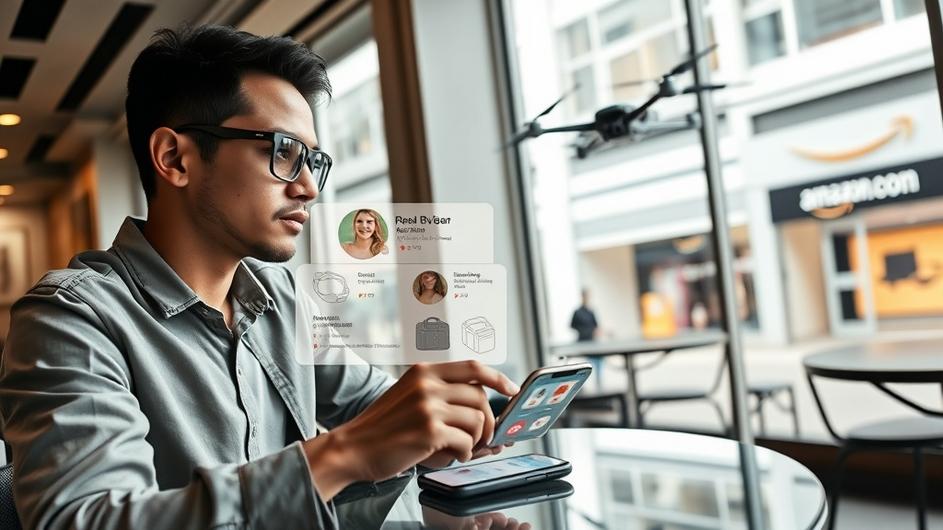
Early adopters have moved way beyond simple queries. They’re treating AI like a personal assistant, creative studio, and shopping concierge all rolled into one. Chat-based commerce is becoming a habit, not a novelty. Instead of scrolling through pages of search results, people want clear recommendations and the ability to complete transactions within the same conversational flow.
“Consumers no longer want links, they want answers and actions,” notes a recent ADWEEK analysis of 2026 consumer AI trends. This behavior mirrors the early iPhone era, when consumer adoption at home outpaced enterprise use, eventually pulling businesses along for the ride. In 2026, consumer AI is once again leading the charge into workplaces and commerce platforms.
But here’s the thing, convenience brings complexity. Generative models can produce incredibly persuasive text, images, and audio, but their provenance is often murky. How do you know if that viral video is real or AI-generated? This isn’t just an academic question, it’s becoming a practical concern for everyone from social media users to news organizations.
The Trust Problem: Fingerprinting and Provenance
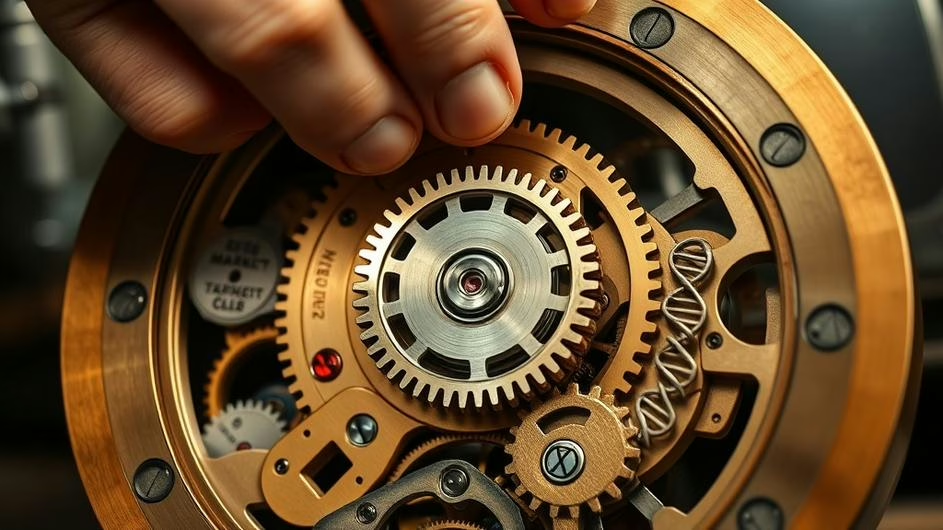
Platforms are experimenting with fingerprinting as one solution. Fingerprinting involves embedding metadata or cryptographic markers that prove whether a photo or video was created by a specific device or AI model, or if it’s an original capture versus synthetic media. The goal isn’t to ban creative AI work, but to restore traceability so consumers and moderators can distinguish real from generated content.
For developers, this means grappling with new standards for metadata, robust cryptographic signing, and interfaces that surface provenance without overwhelming users. It’s a delicate balance, transparency versus usability. As we’ve seen in recent discussions about AI trust and security, getting this right matters more than ever.
Trust also intersects with accuracy and moderation. High-profile mistakes highlight how quickly automated systems can cause real harm. One recent incident involved an AI model mistakenly flagging a performer as a criminal, leading to a cancelled concert and significant reputational damage. Errors like that serve as stark reminders that content labels, risk assessments, and automated blocking must have human review and appeals baked into their workflows.
Engineers building consumer AI need to assume models will be wrong sometimes, and design systems for graceful recovery, transparent corrections, and measurable accountability. It’s not about perfection, it’s about building in resilience.
Hardware’s Quiet Revolution
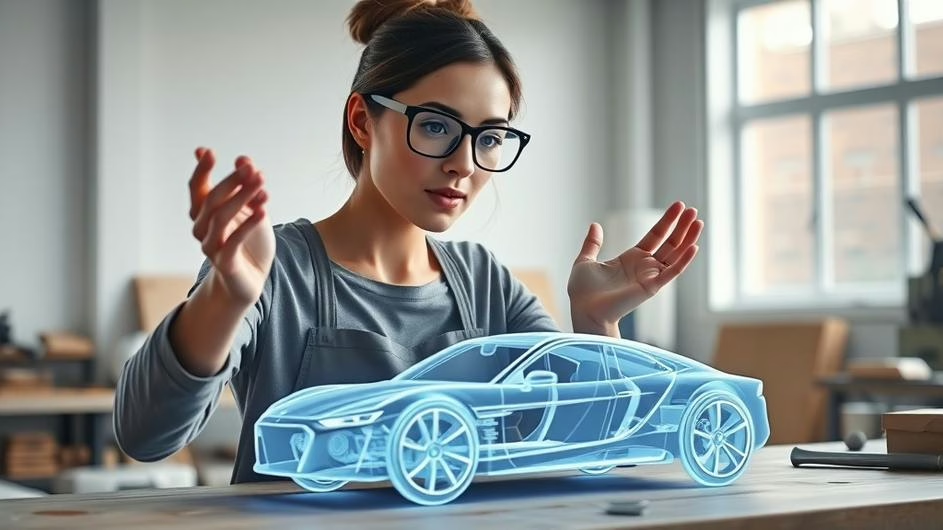
While software gets most of the headlines, hardware remains central to the AI story. Device makers are leveraging AI for personalization in ways that actually feel useful. Think audio products that tune sound and features to your listening habits, or smartphone cameras that make new kinds of imagery possible without requiring professional skills.
LG expanded its Xboom line with AI personalization and karaoke features, showing how ambient devices can evolve into smart companions. Apple continues pushing optical and sensor advances, using hardware to enable creative workflows that only work when chips, lenses, and software are tightly integrated. This hardware-software synergy is something we explored in our look at how 2025 rethought devices for real life.
Meanwhile, hardware projects still face supply chain and manufacturing realities. A high-profile phone marketed for political and national identity has faced additional delays, which underscores how branding and geopolitics complicate product launches when hardware claims collide with global manufacturing constraints. As reported by DesignTAXI Community, these delays highlight the ongoing tension between marketing narratives and production realities.

The Small Wins That Actually Matter
Not every innovation needs to be groundbreaking to make a difference. Google recently rolled out the ability to change Gmail addresses without data loss, a seemingly minor convenience that reduces account management overhead. These incremental wins help build user confidence, and they matter because adoption depends as much on predictable, low-friction experiences as on novel capabilities.
Think about it, how many times have you abandoned a new app or service because the onboarding was clunky? In 2026, UX improvements are becoming just as important as AI features themselves. This aligns with what we’ve observed about the evolving state of consumer tech, where user experience often determines which products stick and which fade away.
What This Means for Developers and Product Leaders
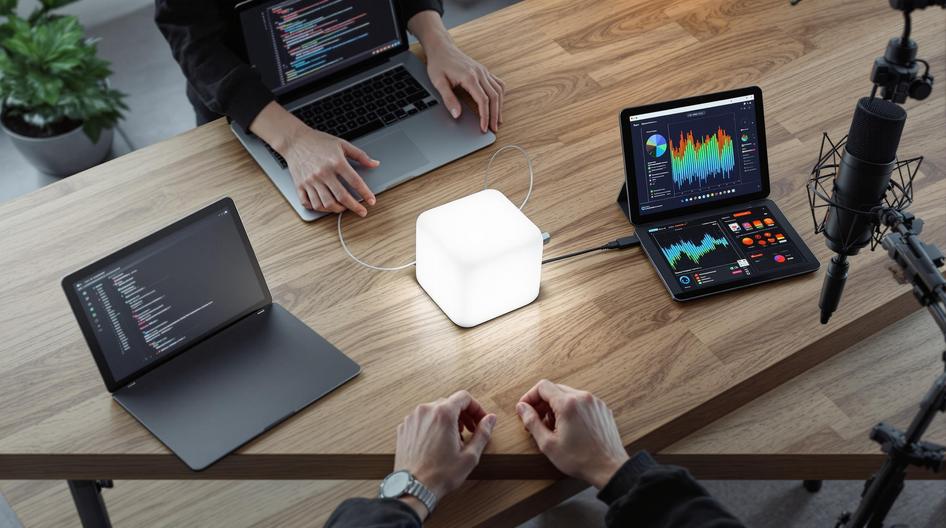
For developers and product leaders, 2026 is shaping up to be a year of integration and responsibility. AI features are expected to move beyond labs and into real workflows, but they require new primitives: provenance signals, fallback review paths, and UX patterns that make automation understandable to regular users.
Technical teams should prioritize robust logging, model versioning, and user controls so consumers understand when they’re interacting with AI and how to override it when needed. This isn’t just about building cool features, it’s about building trustworthy systems. As we’ve discussed in our coverage of what to watch in AI for 2025 and beyond, trust is becoming a competitive advantage.
Looking ahead, the most consequential changes will be social and regulatory as much as technical. Consumers will demand tools that let them act, not just imagine, and they’ll expect clarity about origins and safety. Companies that combine compelling AI-driven convenience with clear provenance and thoughtful error handling will win trust and scale.
For technologists, this means building systems that are fast, explainable, and accountable, so the benefits of AI reach users without sacrificing safety. It’s a challenging balance, but one that separates sustainable innovation from flash-in-the-pan solutions.
The Road Ahead: Integration Over Innovation
In short, 2026 is shaping up to be the year consumer AI goes from curiosity to expectation. This phase rewards elegant UX, dependable hardware, and thoughtful governance over pure technical novelty. The future will belong to teams that can move quickly, correct transparently, and design for both delight and responsibility.
What does this mean for you? If you’re a developer, start thinking about how to build provenance into your systems from day one. If you’re a product manager, consider how to make AI interactions transparent and controllable. And if you’re a consumer, get ready for AI that actually helps you get things done, not just imagine what’s possible.
The convergence we’re seeing in 2026 isn’t just about technology, it’s about creating tools that fit seamlessly into people’s lives while maintaining the trust that makes those tools worth using in the first place. As we continue to track how AI playbooks are evolving, one thing becomes clear: the most successful implementations will be those that balance capability with accountability.
Sources
Prompt Shift: Top Consumer AI Trends for 2026 Reshaping Search, Shopping, and Creativity, ADWEEK, January 2, 2026
Trump’s gold T1 phone originally marketed as ‘made in the US’ faces another delay in 2026, DesignTAXI Community, January 2, 2026
From Chat Commerce to Live Avatars: 2026 Starts with a New Wave of Consumer AI Tools, Tech Daily Update
Navigating Trust, Security and Expertise in the Age of Generative AI, Tech Daily Update
Design, AI and the New Hardware Playbook: How 2025 Rethought Devices for Real Life, Tech Daily Update
The State of Consumer Tech at the End of 2025: From Flagship Dominance to Clearance Deals, Tech Daily Update
What to Watch in AI 2025: Edge Intelligence, Quantum Hints and the Next Wave of Trust, Tech Daily Update
How 2025 Rewrote the AI Playbook: Models, Chips, Markets and the New Rules of Deployment, Tech Daily Update