CES 2026: The Year Physical AI Left the Lab and Started Working the Floor
If you’ve been to CES before, you know what to expect. Shiny prototypes, marketing theater, and gadgets that might never see store shelves. But walking the floors in Las Vegas this year, something felt different. The buzz wasn’t just about faster chips or flashier screens. It was about artificial intelligence that actually moves, touches, and reacts in the physical world. From keynote stages to crowded exhibition booths, one theme dominated: physical AI is graduating from promise to practice.
Nvidia set the tone early with a confident keynote that mixed product reveals with real-world proof points. The company framed 2026 as the year AI-enabled systems start handling complex interactions outside data centers. Their standout announcement? The Alpamayo-R1 model for autonomous driving. In plain terms, this AI is trained to help vehicles perceive their environment and make driving decisions, combining sensor inputs with real-time inference.
What makes this notable? Perception for moving machines demands low latency and robust handling of edge cases. When your AI controls a two-ton vehicle, you can’t afford milliseconds of delay or misinterpretation. These constraints fundamentally change how models are built and deployed.
From Construction Sites to Factory Floors
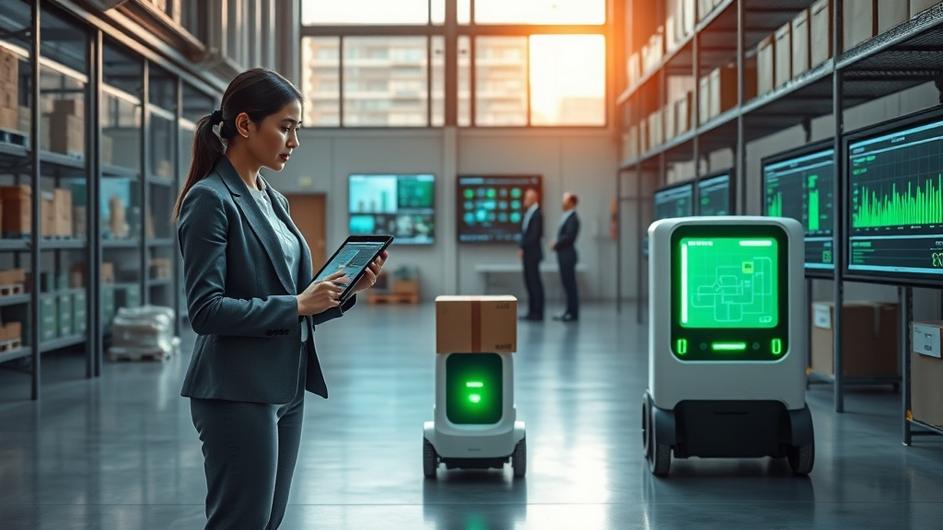
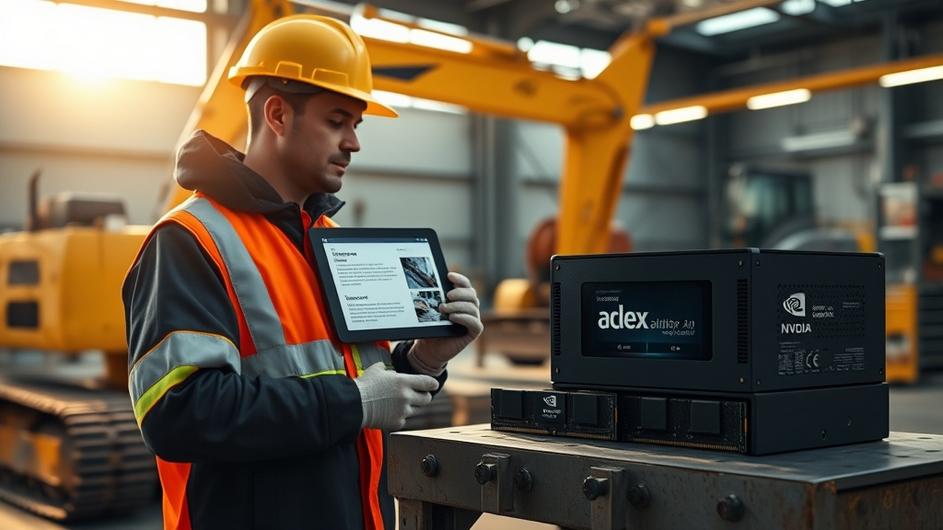
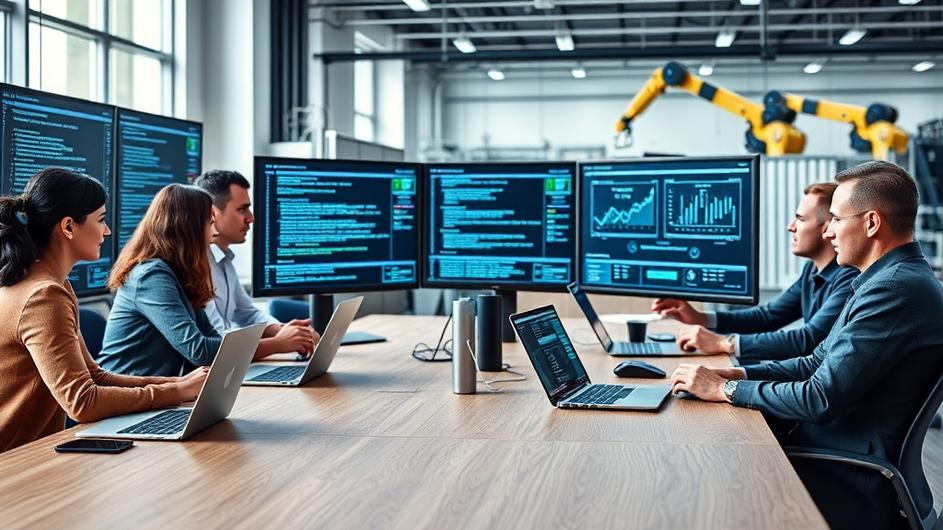
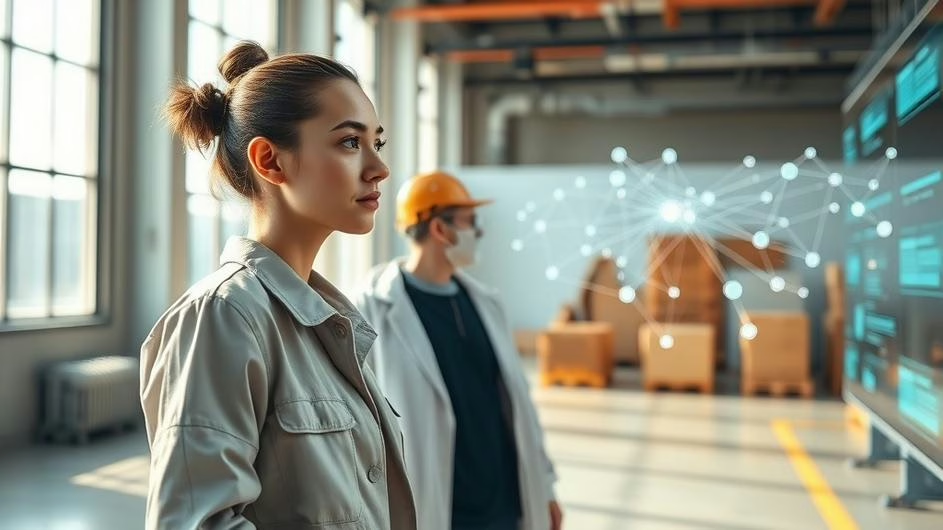
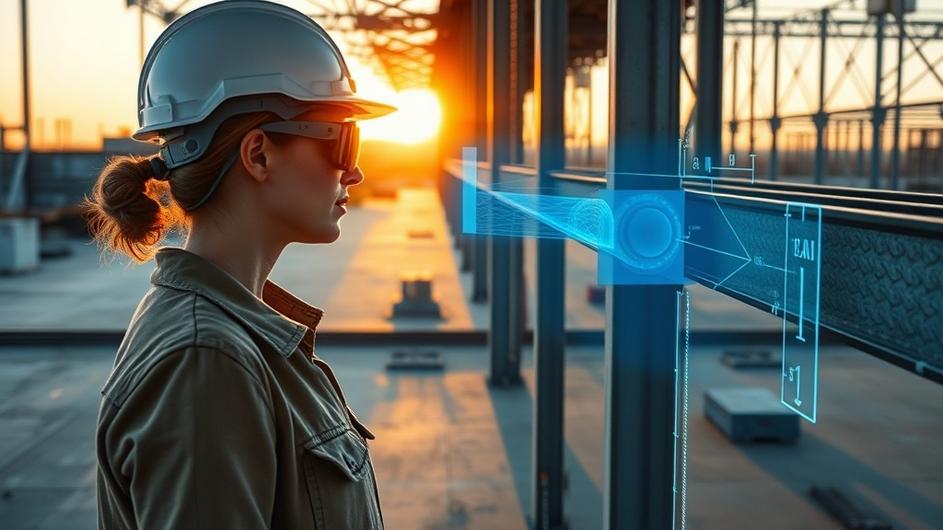
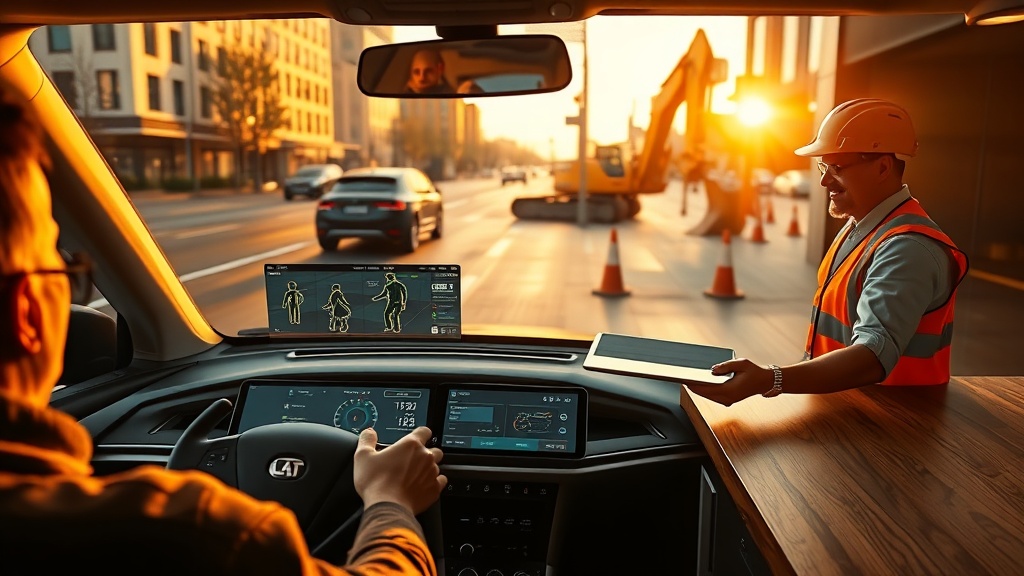
Nvidia didn’t stop with cars. They showcased a pilot program with Caterpillar called Cat AI Assistant, placing AI directly into heavy machinery workflows. The demo showed how models can augment operator decision-making on worksites, improving both safety and efficiency. These aren’t academic exercises. They’re systems integrating computer vision, edge computing, and user interfaces under real-world performance constraints.
This shift toward practical, manufacturing-focused AI represents a broader trend we’ve been tracking. Hardware makers are answering the call too. AMD teased new chips that balance raw throughput with energy efficiency, acknowledging that physical AI workloads live in thermally and power-constrained environments.
New silicon matters, but so do the tools that bring ideas to life. Anker demonstrated the eufyMake E1, a UV printer aimed at on-demand manufacturing. Meanwhile, advances in EV batteries and material sciences hinted at longer runtimes for mobile robots and electric vehicles, widening the envelope for where AI can operate.
The Robotics Revolution Hits Home
Robotics vendors brought their A-game to the show floor. LG introduced CLOid, a home robot that blends mobility with task-oriented AI. Other booths showcased robots that can perceive objects, manipulate them, and navigate cluttered spaces. These demonstrations highlight two technical shifts happening right now.
First, perception is getting much better at handling messy, unstructured environments. Second, control systems increasingly integrate model-based planning with learned components. This hybrid approach improves both safety and predictability, something crucial for household robotics that interact with people daily.
Not everything on show was earnest product strategy. Razer and others presented playful, sometimes odd AI experiments that underscore a broader cultural moment. Generative models are being used for novelty as much as productivity. Amazon used their stage time to push Alexa+ and launched Alexa.com for early access users wanting a browser-based chatbot experience.
The company is betting on conversational AI as a new front for consumer engagement. But developers should note the backend work required to keep such services responsive and context-aware, especially when they bridge devices and cloud services. This aligns with what we’re seeing in the broader consumer AI tools space.
Key Physical AI Applications at CES 2026
| Application | Company | Key Feature |
|---|---|---|
| Autonomous Driving | Nvidia | Alpamayo-R1 model for real-time perception and decision making |
| Heavy Machinery | Caterpillar/Nvidia | Cat AI Assistant for worksite safety and efficiency |
| Home Robotics | LG | CLOid robot with task-oriented AI and mobility |
| On-Demand Manufacturing | Anker | eufyMake E1 UV printer for rapid prototyping |
| Conversational AI | Amazon | Alexa+ and Alexa.com for browser-based chatbot experience |
Regulatory Reckoning and Supply Chain Shifts
The crowd reaction at CES reflected more than just gadget lust. Investors, regulators, and supply chains are all recalibrating. Physical AI raises new regulatory questions, from product liability for autonomous behavior to safety standards for household robots. Who’s responsible when an AI-powered machine makes a wrong decision?
Supply chains must adapt too. They need to handle specialized sensors, bespoke ASICs, and lean manufacturing runs. For developers building these systems, that means accounting for patchability, over-the-air updates, and verifiable safety properties from day one.
So what should developers and technical leaders take away from CES 2026? Think beyond models as code artifacts. When AI controls hardware, considerations like latency, power consumption, sensor noise, and fail-safe modes move to the center of design. It’s no longer just about accuracy metrics. It’s about system-level robustness and maintainability.
Hybrid architectures that combine learned components with deterministic control are becoming mainstream because they strike a balance between flexibility and safety. And the ecosystem matters more than ever. From new silicon to manufacturing tools to conversational platforms, interoperability and standards will determine which ideas actually scale.
The Edge Computing Imperative
Much of this physical AI revolution depends on edge computing advancements. You can’t have a robot making split-second decisions if it needs to check with a cloud server first. The move toward local processing isn’t just about speed. It’s about reliability, privacy, and operating in environments where connectivity might be spotty.
CES 2026 felt like a threshold year. The demos and announcements weren’t just previews. They were rehearsals for systems that will soon be operating on job sites, in homes, and on roads. For technologists, that means shifting attention from model accuracy metrics to system-level thinking. For the industry, it means navigating regulatory, supply chain, and ethical questions at speed.
Looking forward, expect physical AI to accelerate along three axes. First, safer, more energy-aware inference engines. Second, developer tooling that treats perception and control as first-class concerns. Third, business models that monetize autonomy without compromising trust.
The next wave of breakthroughs will come from teams who can blend software, hardware, and systems thinking. Teams who can deploy updates as reliably as they iterate ideas. As industry analysts noted, CES showed that the pieces are assembling. The challenge now is building them into reliable products that improve real-world outcomes.
What does this mean for the broader tech ecosystem? For crypto and blockchain developers watching these trends, there are clear parallels. Just as physical AI demands new thinking about reliability and safety, decentralized systems require similar rigor. The lessons from CES 2026 about system-level design, hybrid architectures, and real-world constraints apply across the tech spectrum.
One thing’s certain. The era of AI confined to screens and servers is ending. As we saw at CES 2026, artificial intelligence is stepping into our physical world. The question isn’t whether this will change how we live and work. It’s how quickly we can build systems that are safe, reliable, and truly useful.
Sources
- CES 2026: Everything revealed, from Nvidia’s debuts to AMD’s new chips to Razer’s AI oddities, TechCrunch, January 9, 2026
- CES 2026 Highlights Physical AI and Robotics Innovations, mezha.net, January 9, 2026