CES 2026: Physical AI, Portable Play, and the Gadget Signals That Tell Us Where Consumers Are Headed
Walking the floor at CES 2026, you couldn’t help but notice something was different. This wasn’t the usual parade of shiny prototypes and incremental upgrades we’ve grown accustomed to. Instead, the show felt defined by what I’d call physical AI, a wave of products that take artificial intelligence out of the cloud and put it into things you can actually touch, hear, and sit in. From keynote stages to cavernous exhibit halls, companies framed their newest chips, robots, and consumer devices around behaving more autonomously, sensing more accurately, and blending into everyday life more convincingly.
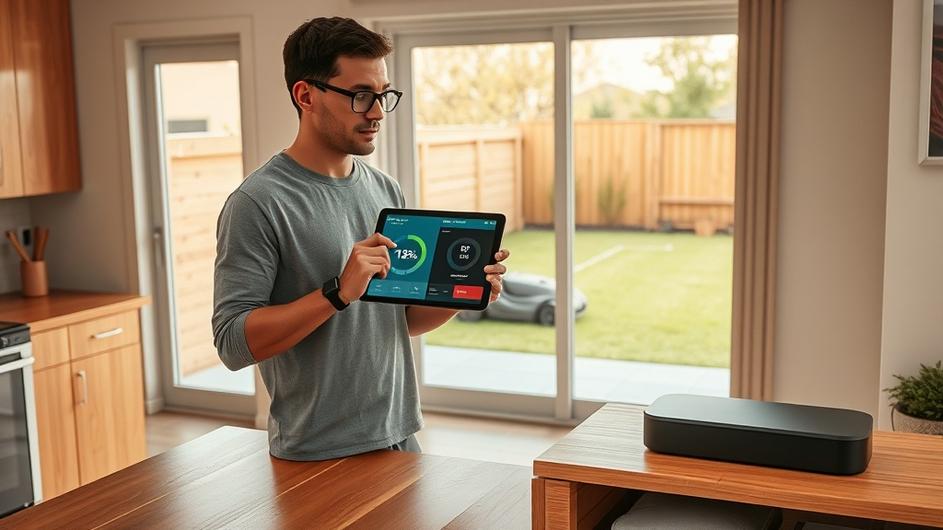
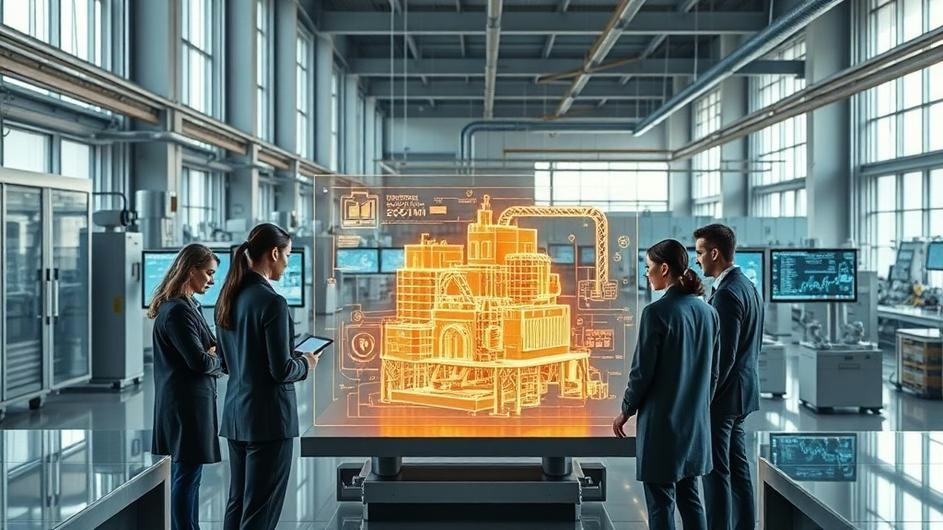
The tone got set early in the week by two industry-defining keynotes from Nvidia and AMD, where new silicon and system-level thinking took center stage. For developers, this means the platform story is accelerating, and not just for data centers. Chips optimized for running generative and perception models locally are enabling devices that respond faster, respect privacy more, and stay useful when network connectivity drops. It’s a shift that’s been building for a while, but as CES 2026 showed us, it’s now hitting mainstream consumer products.
Robots Everywhere and the Embodiment Problem
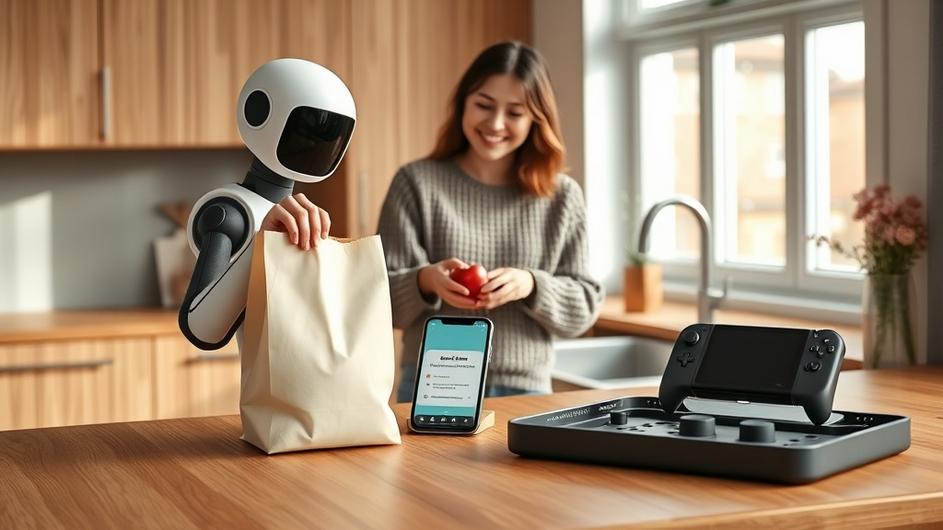
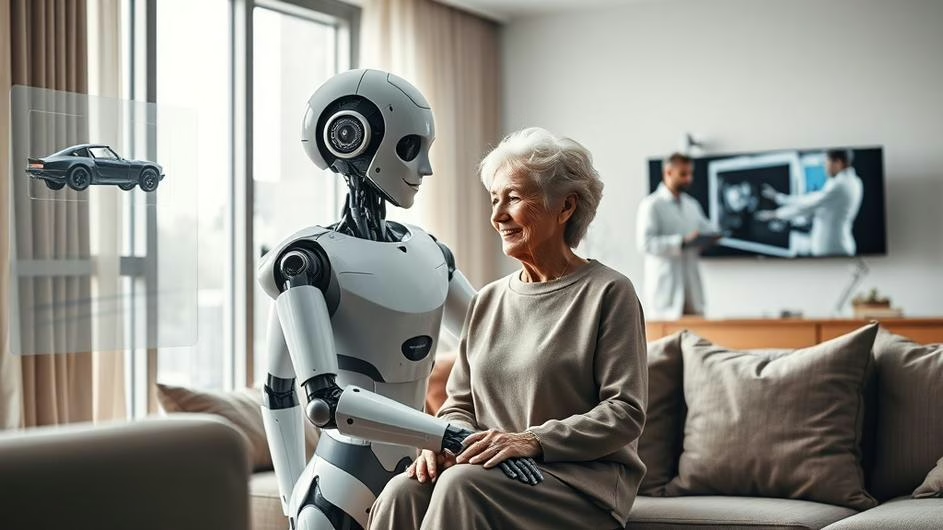
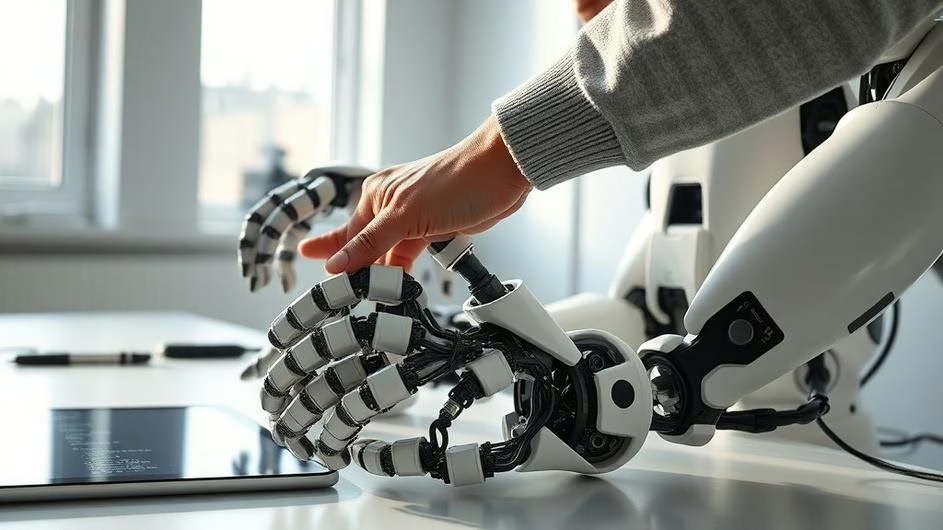
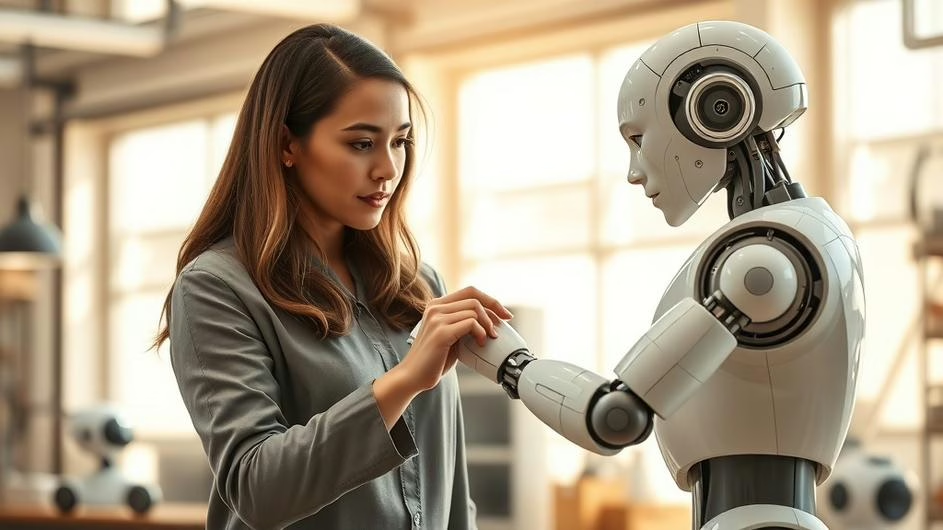
Robots were impossible to miss. Humanoid machines and wheeled assistants shared booth space with consumer robots for home and retail, and you could practically feel the investor attention in the air. The robot momentum matters because it represents a physical manifestation of a broader trend, one where AI shifts from being an invisible backend to a first-class interaction layer. When a machine moves, points,, or hands you an object, expectations change completely. The user experience has to account for safety, embodiment, and social cues in ways that phones and web apps never had to consider.
This isn’t just about cool demos, either. As TechCrunch noted in their CES recap, the robotics presence felt more practical and less speculative than in previous years. Companies are solving real problems with these machines, from warehouse logistics to elderly care assistance.
Gaming’s Portable Revolution and Flexible Form Factors
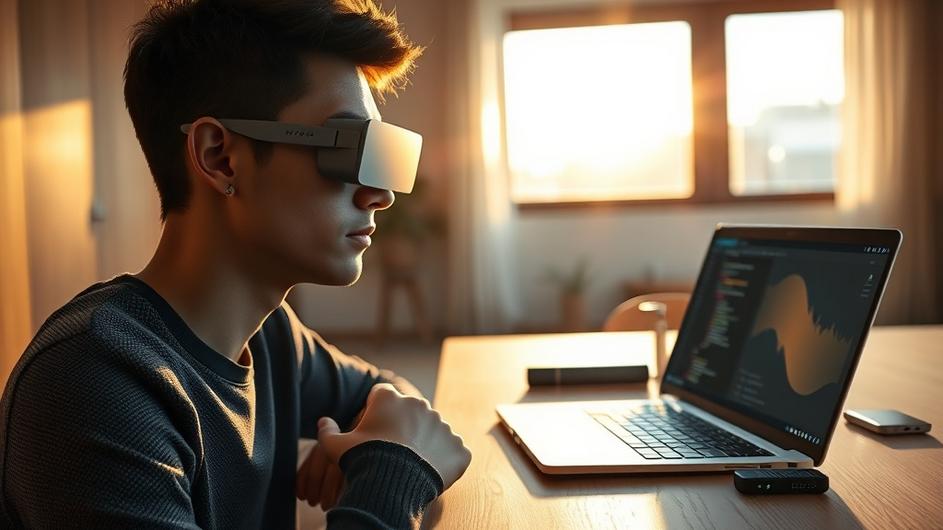
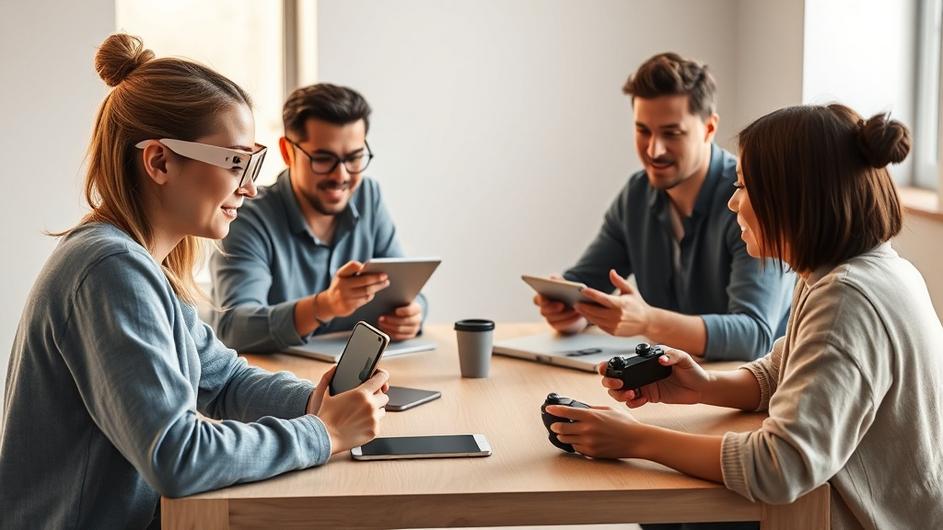
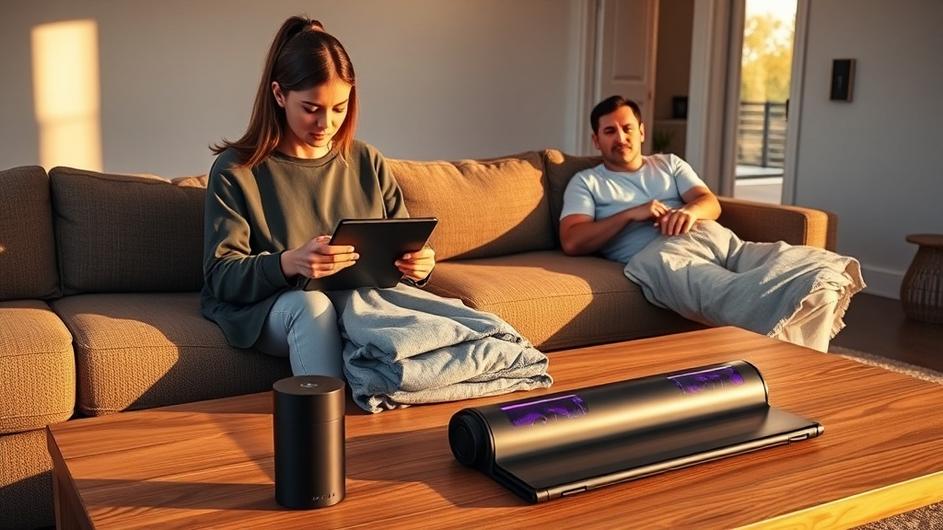
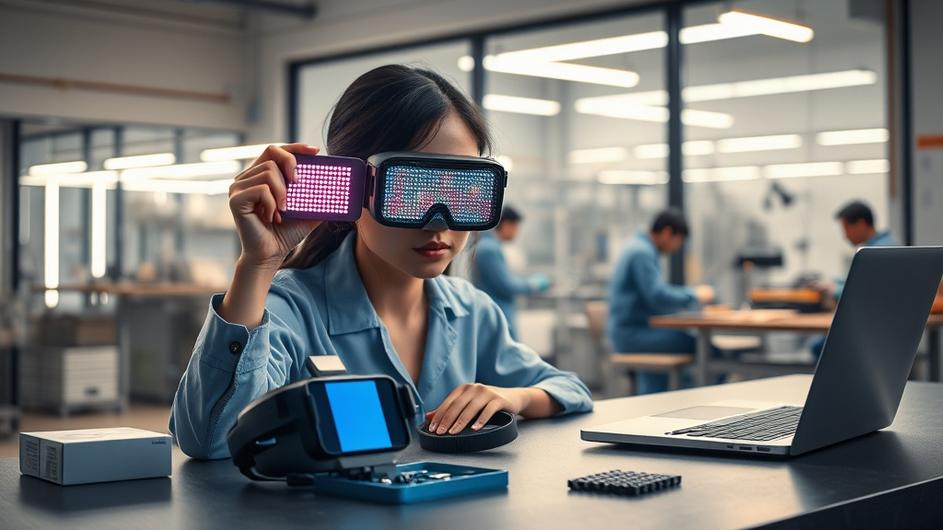
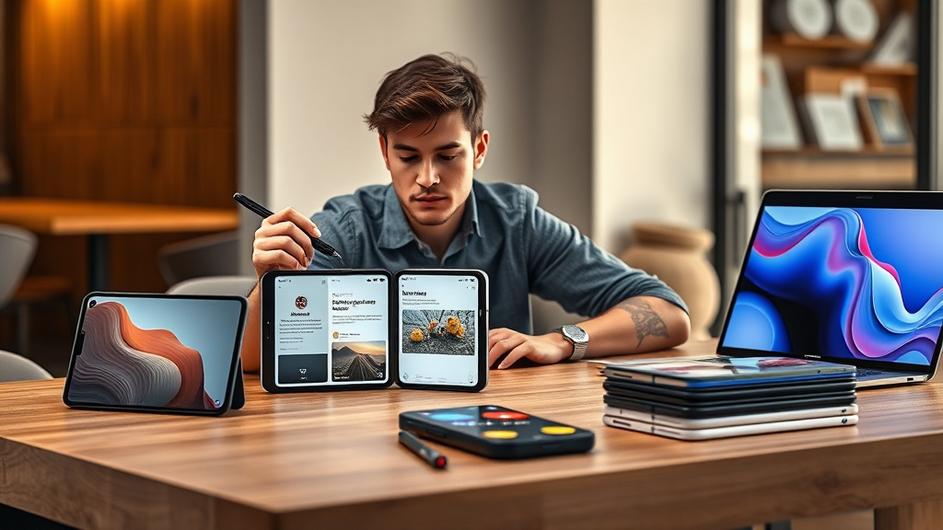
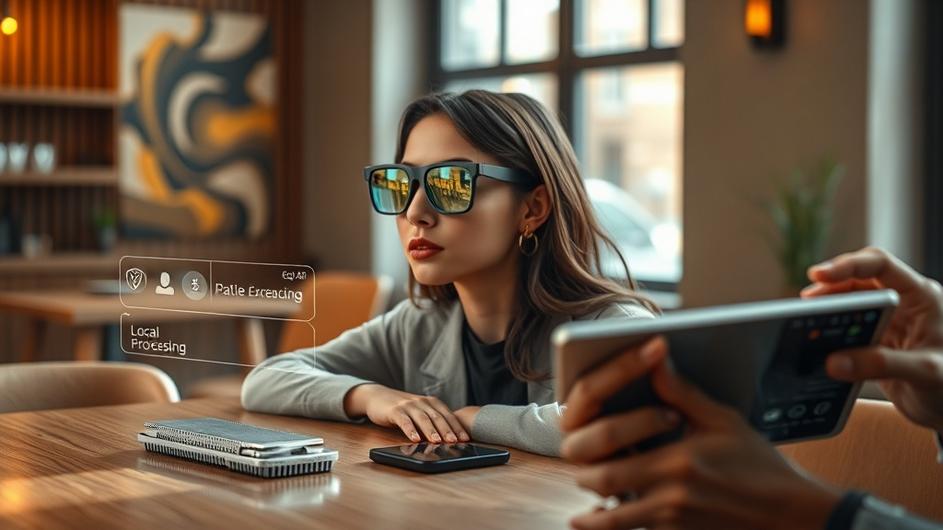
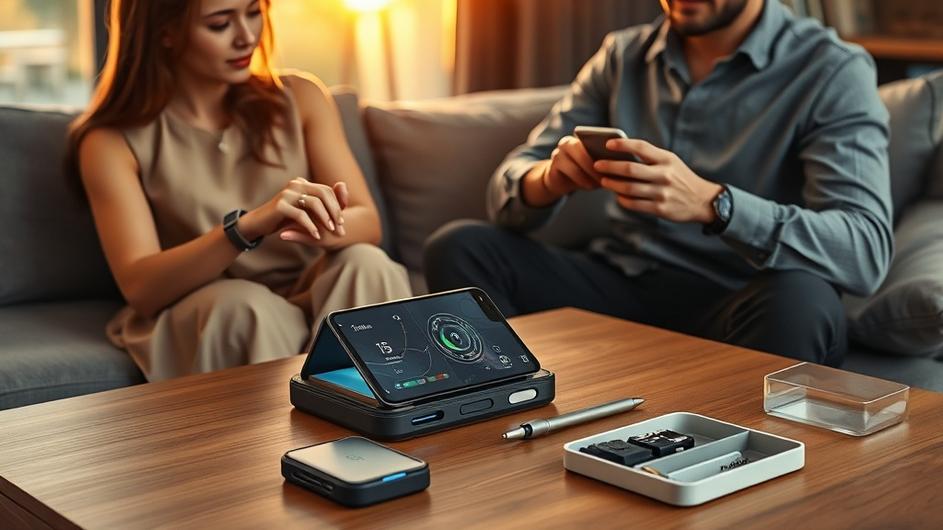
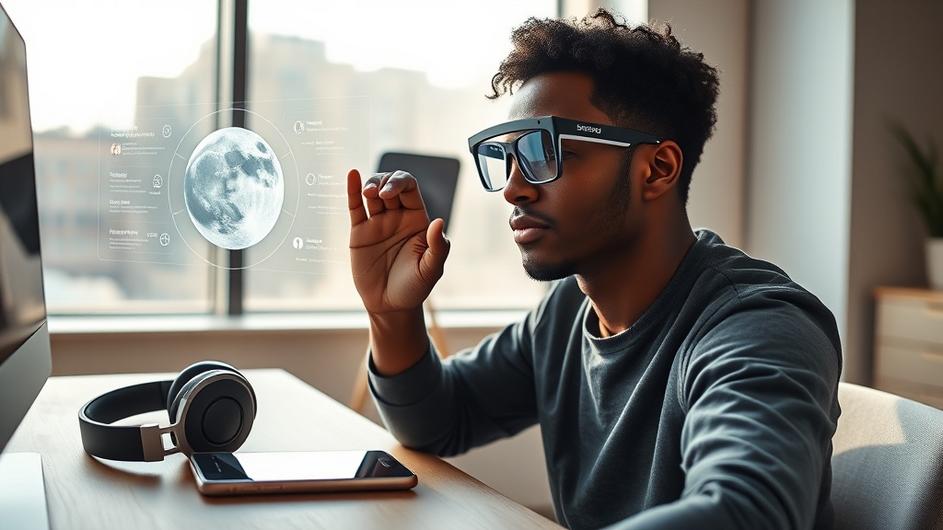
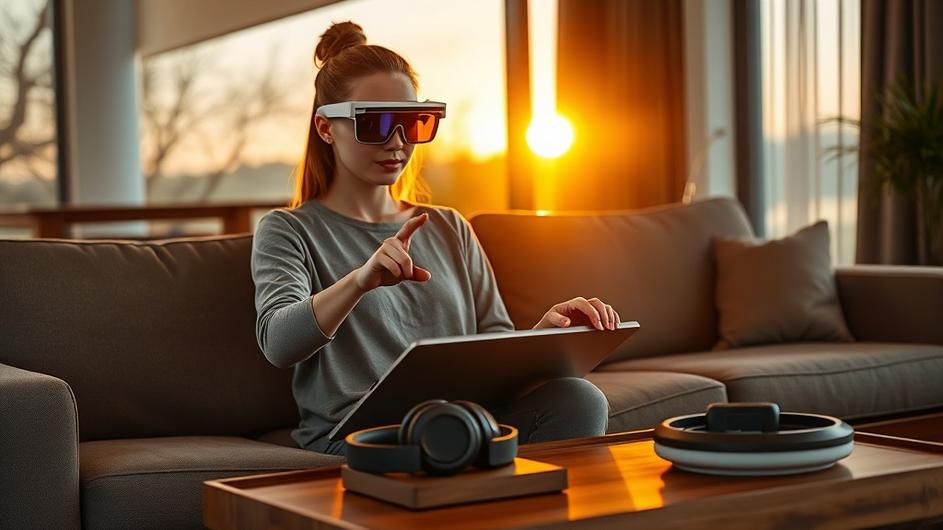
Gaming and entertainment had what felt like a breakout moment at this year’s show. CES demonstrated portable big-screen ambitions in several forms, from AR glasses that aim to project expansive displays into tight spaces to gaming handhelds powered by new chips promising console-class performance on the go. Manufacturers showed off creative form factors too, including a laptop with a rollable expanding screen that increases display area without sacrificing portability.
These moves reflect two observable consumer impulses, one toward ever more immersive experiences, and the other toward devices that adapt to variable contexts of use. Want to game on your commute but also have a proper setup at home? Today’s devices are trying to serve both masters. As our analysis of AR glasses and AI chips suggests, we’re entering an era where hardware flexibility becomes a primary selling point.
Audio Gets Smarter, Privacy Gets Real
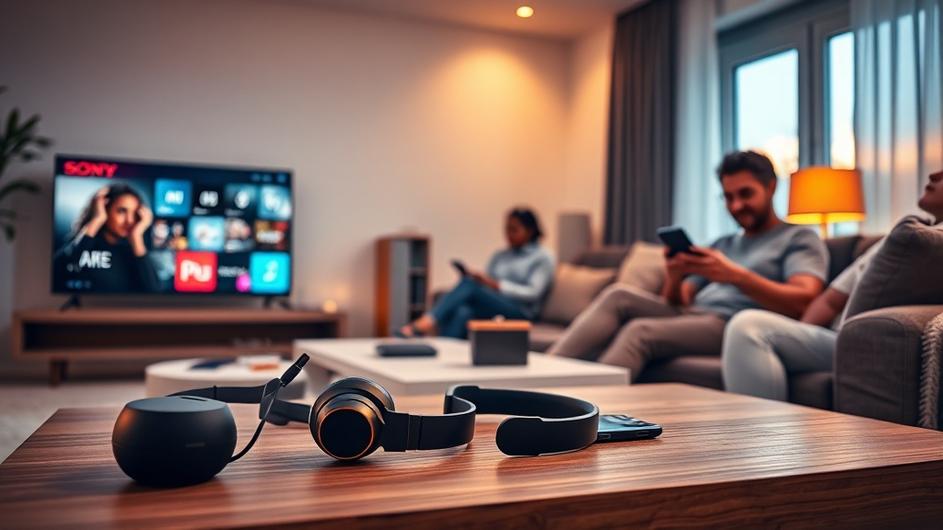
Audio and personal computing got their AI upgrades as well. Headphones with on-device intelligence now promise context-aware audio, better noise control, and personalized sound profiles that update without sending raw data to the cloud. For developers and engineers, this means more work on lightweight models and on-device inference, but also a chance to rethink interaction patterns where the device anticipates needs instead of merely responding to commands.
Amid all the spectacle, a handful of products captured attention for being both ambitious and oddly familiar. The Clicks Communicator was one gadget journalists kept returning to, not because it reinvented the wheel, but because it illustrated how form, software, and voice can be recombined into something people actually want to use. These attention-getters serve as useful barometers for what will land in the market quickly versus what will remain demo-room material.

What CES 2026 Tells Us About Changing Consumers
So what do these announcements really tell us about where consumers are headed? For starters, people seem primed for agency. When companies talk about agentic commerce, the idea is that systems can take action on a user’s behalf, from reordering essentials to negotiating prices. Users want convenience that feels smart and personal, and they’re increasingly willing to entrust tasks to devices that can act autonomously, provided transparency and controls are clear.
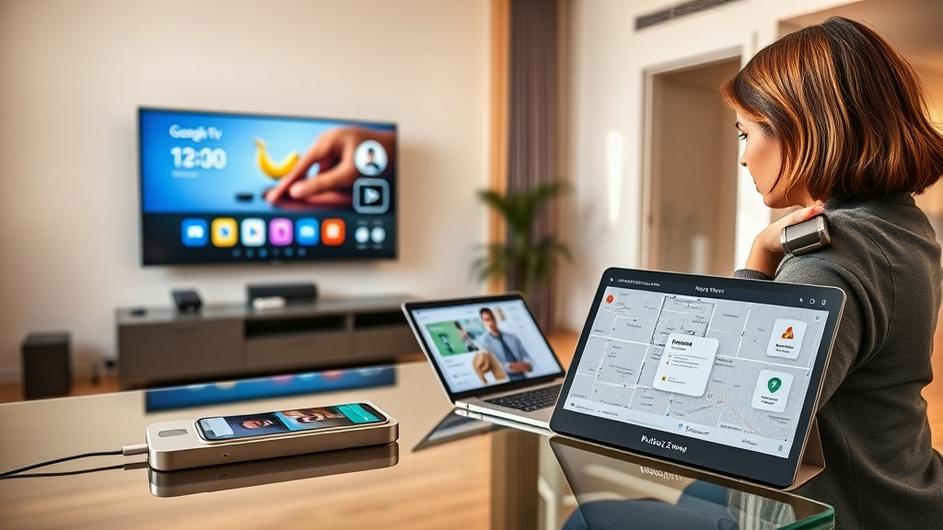
Consumers also want experiences that bend to context. The proliferation of portable gaming chips, AR displays, and rollable screens signals a desire for devices that serve multiple modes of use, from compact commuting tools to immersive living-room replacements. Portability isn’t just about size anymore, it’s a design principle demanding flexible hardware and adaptable software.
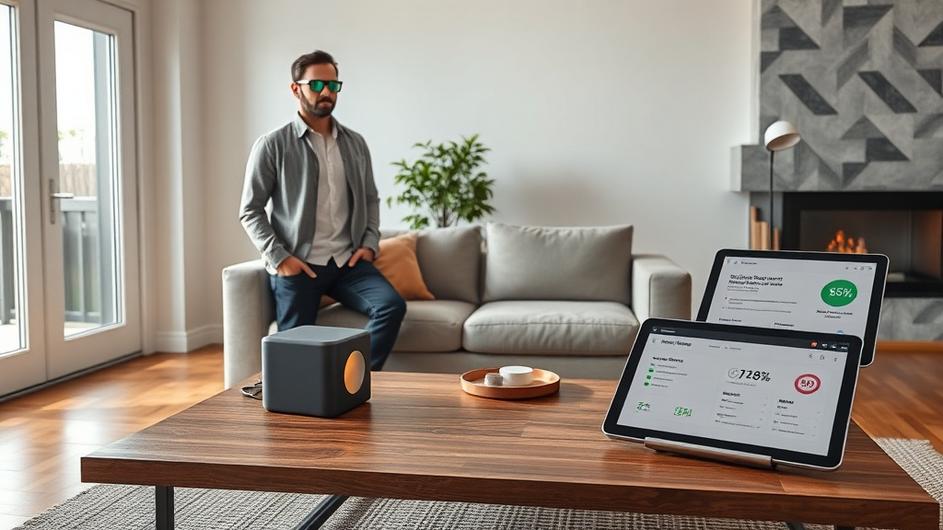
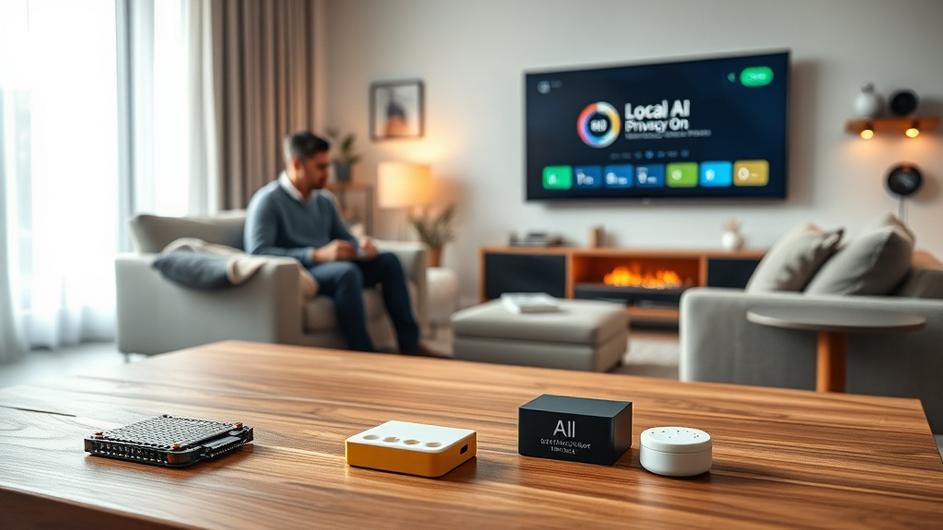
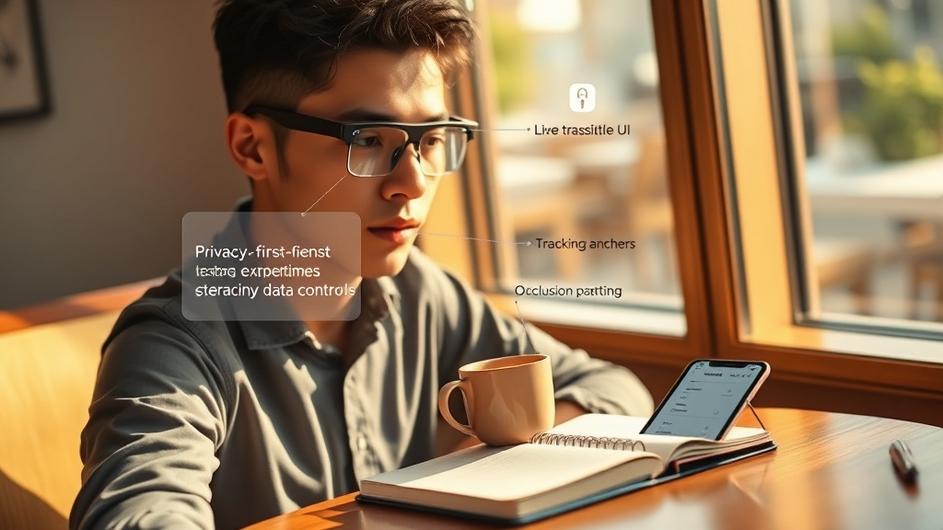
Then there’s the trust and privacy angle, which feels more urgent than ever. On-device AI and local inference are attractive because they reduce data transfer and implicitly offer better privacy. For developers, this translates into new priorities: efficient models, encrypted storage, and user interfaces that communicate what’s happening on device in plain language. As we’ve explored in our look at consumer AI trends, convenience alone won’t cut it anymore, privacy has to be baked in from the start.
The physicality of AI introduces new expectations for interaction design and safety too. Robots and embodied agents need predictable behavior and fail-safe modes. They also require new standards and testing frameworks, which opens opportunities for tooling, simulation platforms, and cross-disciplinary work combining robotics, perception, design, and ethics.
Engineering Implications and Market Realities
For engineers and product teams, the CES takeaway is both practical and strategic. On the practical side, there’s a clear need to invest in edge optimization, latency-aware architectures, and cross-platform SDKs. Teams have to think about how a model behaves when it must run on a battery budget and how to gracefully degrade features when compute capacity fluctuates.
Strategically, hardware is becoming a differentiator again. Software alone no longer defines the experience. The interaction between custom silicon, sensors, and software will decide which products win in the market. This represents a significant shift from the app-centric world we’ve lived in for the past decade.
Of course, challenges remain. Power efficiency, thermal constraints, and the lifecycle cost of always-on perception are still unsolved engineering problems. Regulation and public sentiment around embodied AI will influence adoption curves. Interoperability matters too, as consumers expect devices from different makers to work together smoothly, and developers navigate a patchwork of APIs and standards.
Still, CES 2026 showed a lively, creative industry responding to real demand. Consumers want devices that reduce friction, amplify presence, and respect privacy, and companies are answering by building intelligence into the things we live with. For readers working in product, systems, or developer relations, the opportunities are clear: design for variable contexts, prioritize safe and explainable behavior, and build tooling that lets teams iterate quickly on constrained devices.
Looking Ahead: The Hybrid Future
Looking forward, these trends will reshape where software lives and how it behaves. Expect more hybrid architectures that split work across device and cloud, a renaissance in hardware-aware software design, and new classes of user experiences anchored by physical AI. If developers and companies get this right, the next wave of consumer tech will feel less like isolated gadgets and more like a responsive fabric that augments daily life, quietly and reliably.
CES 2026 wasn’t about vaporware or one-off spectacles. It was a vivid moment where silicon, sensors, and software converged to make intelligence tangible. The question for the next year is whether ecosystems and standards will keep pace with invention, and whether those inventions will land in ways that genuinely improve everyday workflows. For those building the future, that’s the most exciting problem to solve.
As AOL’s CES special report highlighted, the tech trends defining 2026 are fundamentally about bringing intelligence closer to users. Meanwhile, Ad Age’s analysis of gadget trends confirms that consumer behavior is shifting toward more contextual, privacy-conscious devices. And as our coverage of the CES aftermath shows, the hardware hype cycle has been fundamentally rebooted by these AI advancements.
The conversation around design and new form factors that began in 2025 has clearly accelerated into 2026, with manufacturers taking bigger risks on innovative hardware. And as TechCrunch wrapped up their coverage, it’s clear that this year’s show marked a turning point for how we think about intelligent devices.
What’s your take on these CES trends? Are you building for this new physical AI landscape, or waiting to see how standards and ecosystems develop? The conversation around tech trends that will define 2026 is just getting started, and the implications for developers, investors, and everyday users are profound.