CES 2026 Unpacked: Where Weird Gadgets Met Real Platform Shifts
Las Vegas never fails to serve up contradictions, and CES 2026 played that card perfectly. Picture this: on one part of the show floor, a humanoid robot meticulously folds laundry with almost unsettling patience. Just a few booths away, startups and tech giants were showing off hardware and software that suggests we’re entering a year of serious refinement, not just flashy spectacle.
The noise around novelty was still deafening, sure. But if you listened closely, a through line emerged that connects robotics, smart home reliability, gaming hardware, augmented reality, and generative AI into something resembling a coherent vision for where consumer tech is actually headed.
The Weird Stuff Still Grabs Headlines
Let’s start with the gadgets that make you laugh, because they’re still part of CES’s DNA. At the lighter end were Razer’s playful oddities and that now-infamous lollipop that uses bone conduction to transmit music through your mouth. It’s a reminder that CES remains a testing ground for radical interfaces. Bone conduction technology bypasses the eardrum by vibrating bones in your skull, producing sound in a way that’s novel but honestly pretty niche.
These curiosities do more than just grab headlines, though. They spark conversations and help smaller makers experiment without massive R&D budgets. As ZDNET reported, some of the weirdest gadgets at CES 2026 included everything from AI-powered plant monitors to smart mirrors that analyze your skin. They’re testing grounds for interaction ideas that might eventually filter into mainstream products.
But here’s the thing: move a few aisles down and the tone shifts dramatically.
Robotics Gets Real About Daily Life
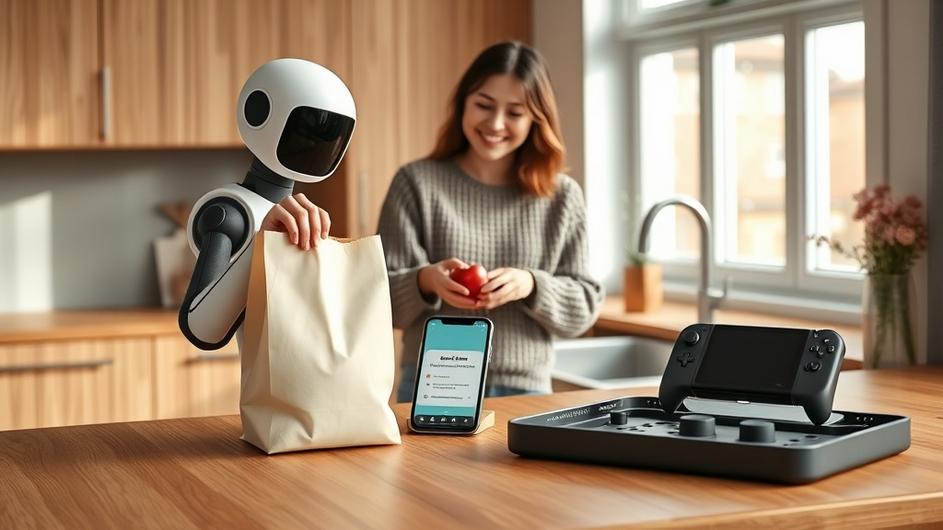
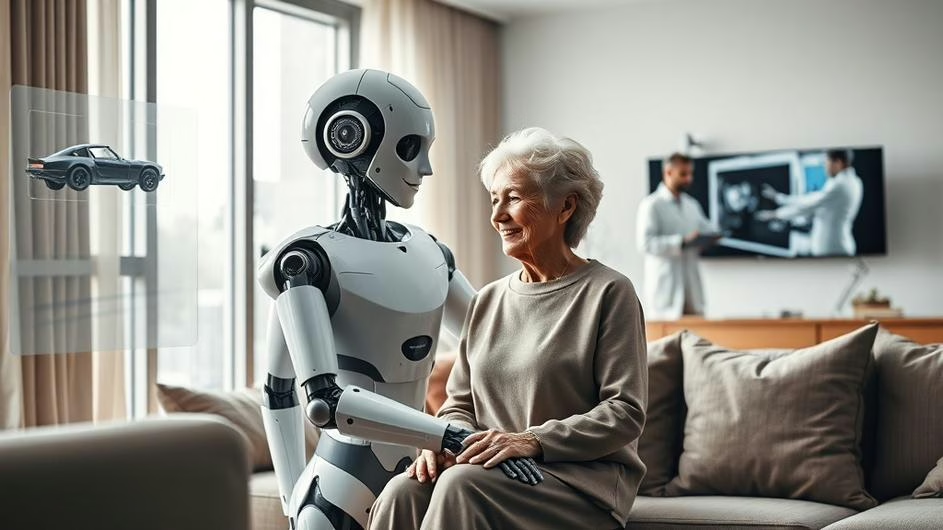
Robotics dominated CES 2026 in ways that actually matter to homes and workplaces. We’re not just talking about novelty acts anymore. We saw humanoid machines folding laundry, vacuuming with purpose, and cleaning robots that blend smarter sensors with transparent user controls. The difference from earlier generations isn’t that a robot can perform a single chore, it’s that these devices are starting to integrate with cloud services and local compute so they can adapt to how people actually live.
That change matters because it turns one-off demos into products that could be meaningful in daily life. As we explored in our coverage of physical AI leaving the lab, we’re seeing a shift from theoretical capabilities to practical applications that work in messy, unpredictable real-world environments.
Smart Home Tech Grows Up
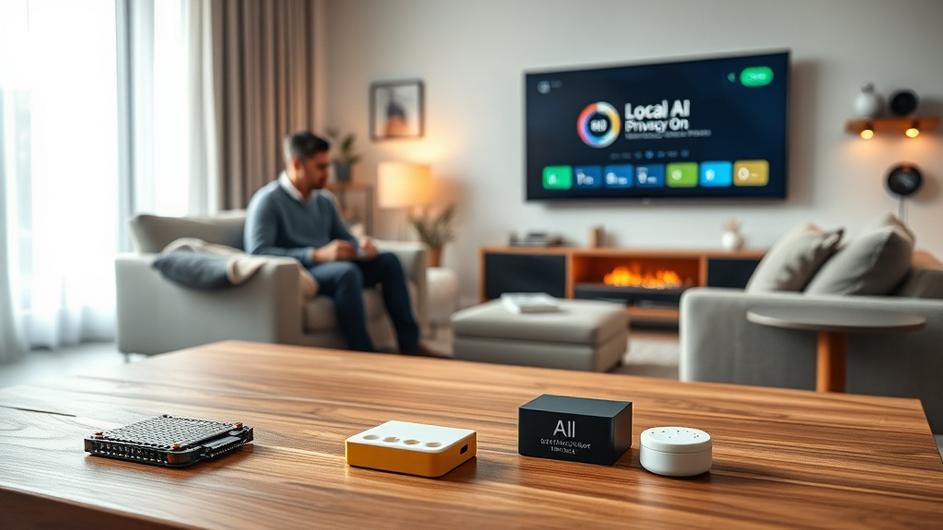
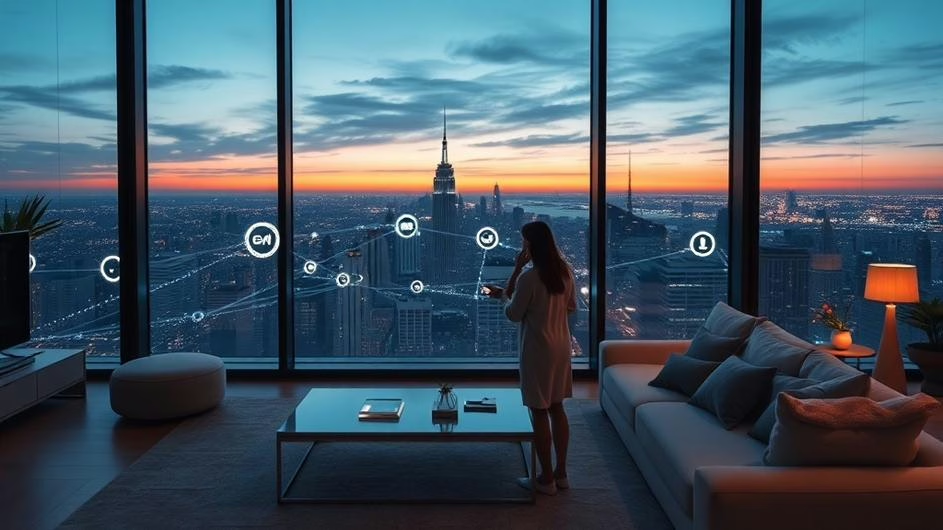
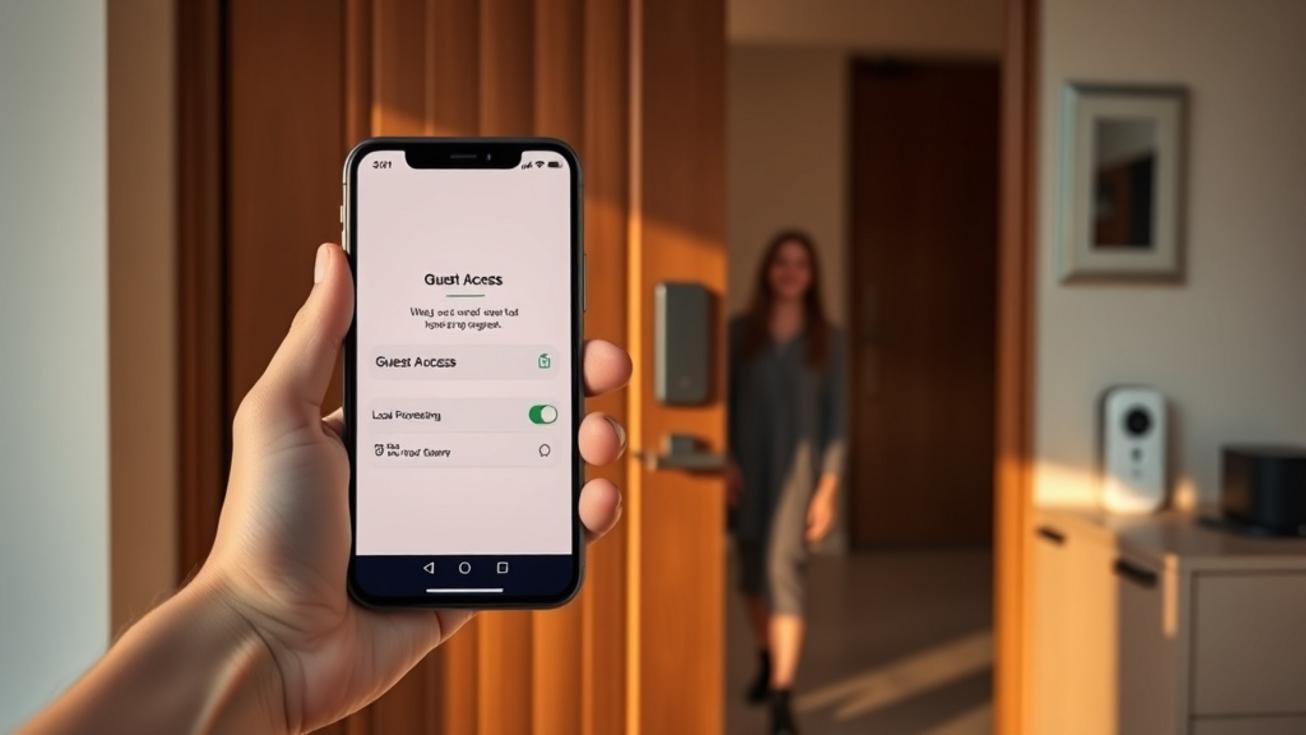
Smart home tech at CES 2026 felt less like a battlefield of incompatible standards and more like a pragmatic toolkit. New smart locks delivered smoother onboarding flows, better physical design, and clearer guest access controls. Cameras and sensors emphasized privacy settings and local data processing, putting control back in users’ hands.
These are the kinds of incremental improvements that rarely make viral headlines, but they’re exactly what increases adoption. For developers and integrators, that means more predictable platforms to build automation on, and fewer surprises for end users. ZDNET’s roundup of useful smart home gadgets highlighted how practical concerns like privacy and interoperability are finally getting the attention they deserve.
Gaming and Displays: Big Bets Meet Practicality
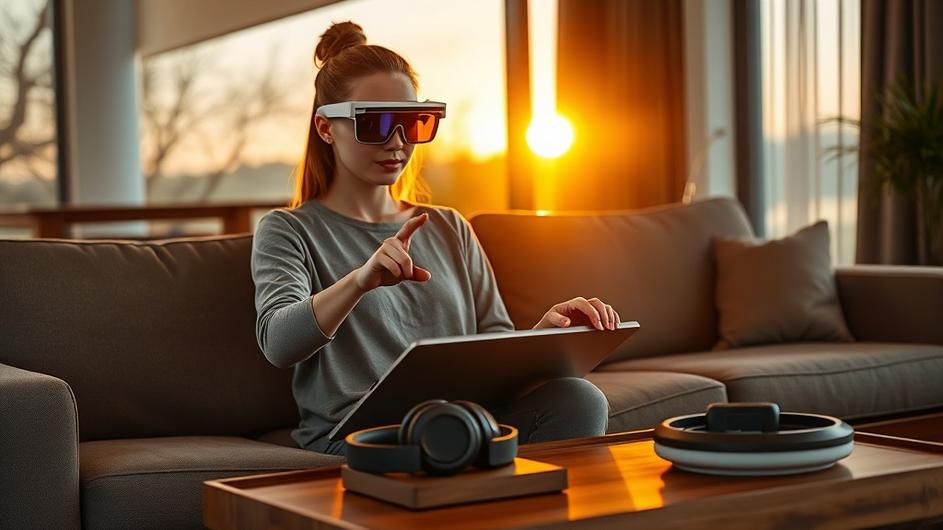
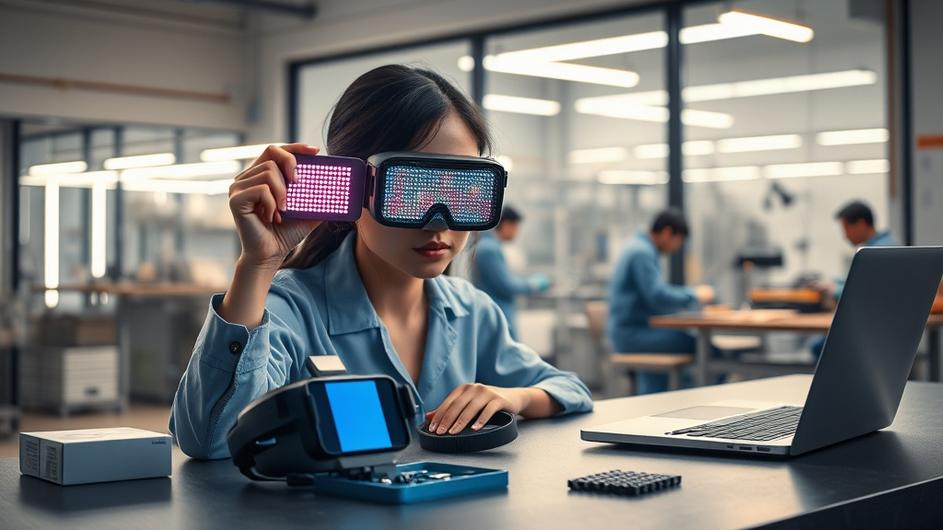
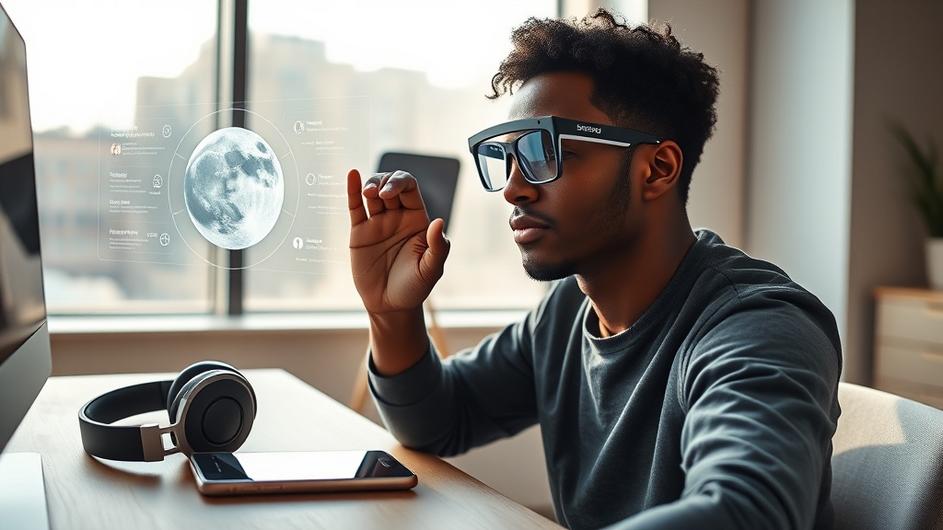
Gaming and display technology were everywhere at CES, with both ambitious visions and practical advancements. Companies teased new gaming handheld chips that promise better power efficiency for portable devices, while manufacturers demoed AR glasses aimed at portable big-screen experiences.
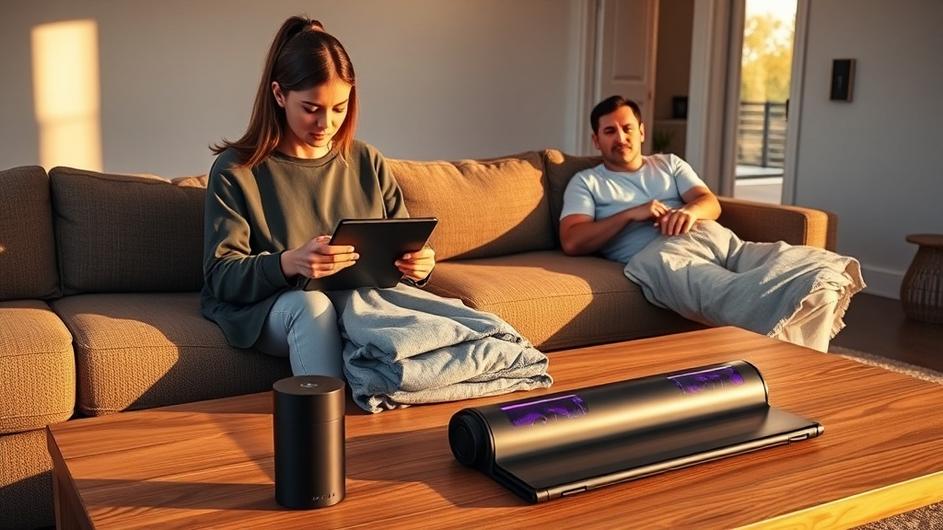
The AR we saw isn’t about filmic visions of full immersion, it’s about practical augmentation. Think turning a small device into a private, large-format screen. Another intriguing demo paired a gaming laptop with a rollable expanding screen, a mechanical trick that increases screen real estate without increasing the device footprint. Rollable displays use flexible OLED layers that unspool to larger sizes, offering new trade-offs between portability and immersion.
What does this mean for developers and gamers? It suggests that the manufacturing and supply chain innovations we’ve been tracking are finally translating to consumer-facing products that people might actually use.
The Silicon Engine Room
Underpinning many of these demos were fresh silicon announcements that didn’t get as much fanfare but matter just as much. Nvidia, AMD, and other chipmakers used CES to show next-generation capabilities for AI and gaming workloads. Those chips are the enablers for richer AI features at the edge, lower-latency game streaming, and more sophisticated local inference for smart devices.
For builders, the key takeaway is that commodity hardware is getting capable enough to move more intelligence off the cloud, which helps with latency and privacy. It’s part of a broader trend we’ve been watching in hardware and supply chain evolution.
AI: Both Sword and Shield
AI was everywhere at CES 2026, playing both offensive and defensive roles. We saw AI-powered hair clippers that adapt cutting patterns to user preferences, and communicator robots with surprisingly natural conversational features. But the more interesting trend isn’t novelty automation, it’s the move toward AI that augments users and devices rather than replacing them.
Products that use on-device models for personalization alongside cloud models for heavy lifting offer a hybrid approach that balances responsiveness with capability. For developers, this hybrid model simplifies some architecture choices, but it also raises expectations for clear fallbacks and transparent behavior when models make mistakes.
As TechCrunch noted in their CES recap, the narrative that emerged was one of steady improvement rather than revolution overnight.
What This Means for Builders
So what should developers and technical product teams take away from CES 2026? Let’s break it down without the robotic listing.
Design for graceful failure. When connectivity or compute is limited, devices and models need to degrade elegantly rather than crashing spectacularly. Users don’t care about your technical constraints, they care about things working reliably.
Privacy controls aren’t optional anymore. Users and regulators are increasingly unforgiving of opaque data practices. Local-first options and clear data handling policies should be baked into your architecture from day one.
Plan for hybrid compute from the start. Splitting workloads between device and cloud to balance latency, cost, and capability isn’t just smart engineering, it’s becoming expected. And keep an eye on mechanical innovation, because physical form factors still unlock software possibilities in ways pure code can’t.
These themes align with what we’ve seen in the broader aftermath analysis of CES 2026, where the focus has shifted from hype to practical implementation.
Looking Ahead: Iteration Over Revolution
The influence of CES 2026 will show itself in iterations rather than instant transformations. Expect household robots and smart devices to become more interoperable, with AI features that feel personal and responsive without sacrificing transparency. Gaming will continue to push portable performance and new display formats, and AR will settle into practical niches that enhance productivity and entertainment.
Novelty will remain part of the conversation, but the industry is moving toward building things people will use every day. As IGN and CNET’s special report highlighted, the tech trends defining 2026 are less about breakthrough inventions and more about refining existing technologies for real-world use.
CES 2026 reminded us that technology is a tapestry of experiments and refinements. The headline-grabbing oddities start conversations, the incremental hardware and software improvements build trust, and the new silicon and AI architectures provide the runway for richer experiences.
For anyone building products or services, the lesson is pretty clear. Invest in utility, design for real-world conditions, and treat novelty as a research lab that informs mainstream engineering. The future will be shaped not by single dazzling gadgets, but by the steady integration of smarter, more considerate technology into daily life.
And if you’re wondering how this connects to the broader AI landscape, our analysis of AI leaving the cloud explores these themes in more depth.
Sources
- The 7 weirdest tech gadgets I’ve seen at CES 2026 – so far, ZDNET, Jan 7, 2026
- The most useful smart home gadgets I’ve seen at CES 2026, ZDNET, Jan 6, 2026
- Recapping everything we’ve seen so far at CES 2026, TechCrunch, Jan 9, 2026
- Tech Trends That Will Define 2026, IGN x CNET Group CES Special Report, AOL.com, Jan 11, 2026
- Tech Trends That Will Define 2026, IGN, Jan 10, 2026