
Between Iteration and Reinvention, 2026 Tech Is Quietly Rearranging Your Screen Habit
Here’s a question for anyone tracking consumer tech in early 2026: why does everything feel both familiar and completely different at the same time? The phones look like polished versions of last year’s models. The software updates feel incremental. Yet there’s this undeniable sense that something fundamental is shifting beneath the surface. It’s not about flashy launches anymore. It’s about where companies are placing their real bets, and what that means for everyone who builds, uses, or invests in technology.
The Steady Pulse of Phone Evolution
Take the recent Pixel 10a and Galaxy S26 launches. On the surface, they’re exercises in refinement. Better cameras, slightly faster chips, longer battery life. The kind of upgrades that make sense in a market where hardware is genuinely mature. As one analysis put it, these devices aren’t really for the tech enthusiast chasing the next big thing. They’re for the ecosystem. They’re about trade-in programs, subscription locks, and keeping users within a walled garden of services.
For developers, this stability is a double-edged sword. On one hand, it means operating systems and APIs can settle down. You’re not constantly rewriting your app for some radical new input method. Long-term support becomes a realistic promise, not a pipe dream. But it also signals that the growth story for smartphones has plateaued. Product teams at Google, Samsung, and Apple are now hunting for the next vector, the adjacent space where they can reignite growth. This search for what’s next is where things get interesting.
Samsung’s Quiet Bet on Foldables and Interfaces
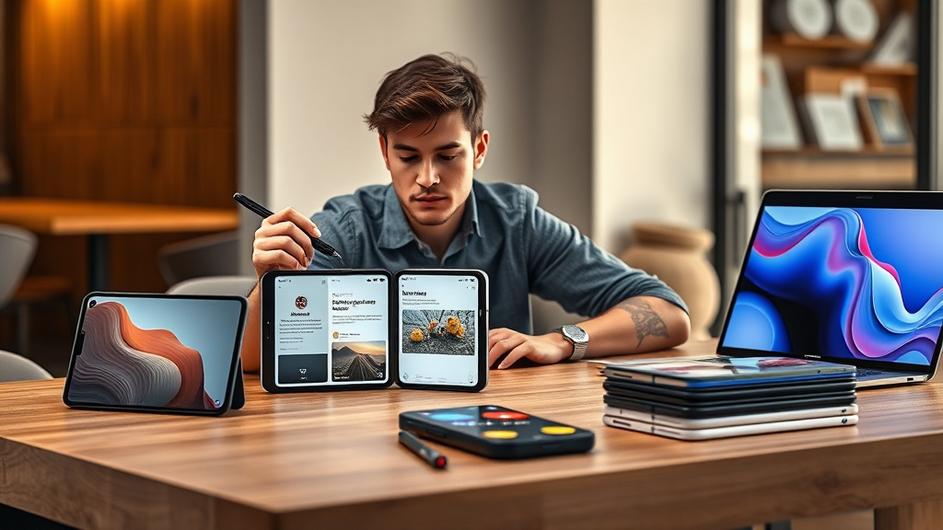
While its flagship phones play it safe, Samsung’s broader roadmap tells a different story. Leaks around One UI 9, built on Android 17, hint at deeper work on foldable interfaces and Samsung Internet. The company is reportedly testing under-display camera alternatives and displays that minimize the crease on devices like the rumored Z Fold 8. These aren’t headline-grabbing features for most consumers. They’re foundational tweaks that change how software is rendered and how users interact with it.
When a giant like Samsung adjusts the basic canvas—the folding screen—it sends ripples through the entire development stack. Web engines need to adapt. UI frameworks must handle new aspect ratios and hinge behaviors. Testing matrices explode in complexity. It’s a reminder that the real innovation often happens in the plumbing, not the faucet. For a deeper look at how these hardware signals are playing out, check out our analysis on early 2026 hardware trends.
AR Glasses: Where the Real Action Is
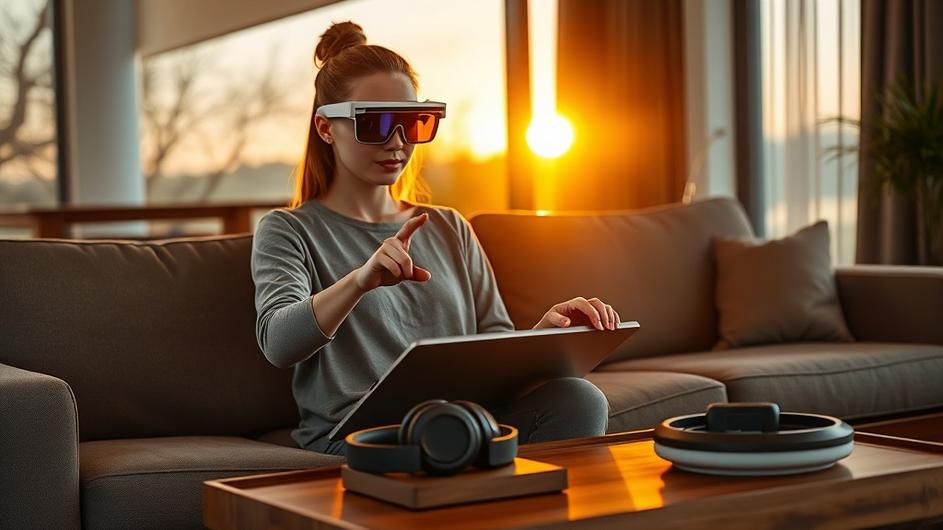
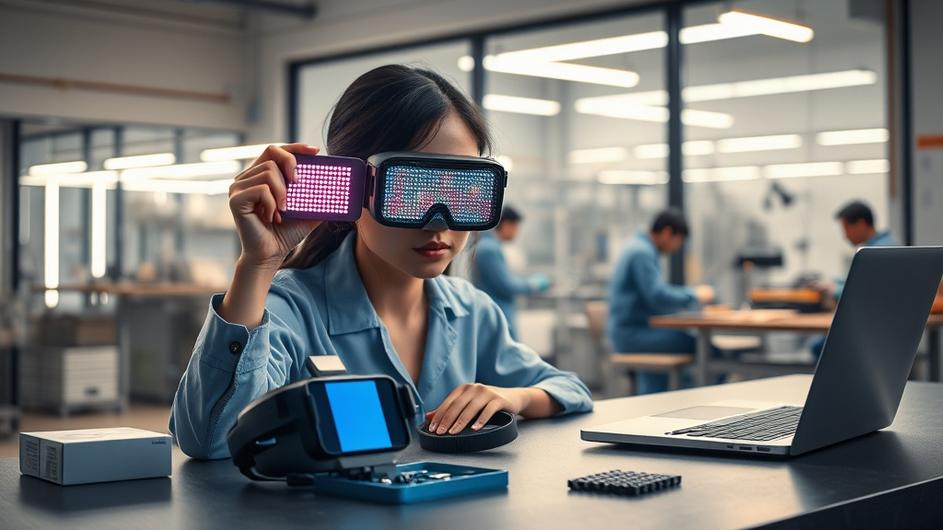
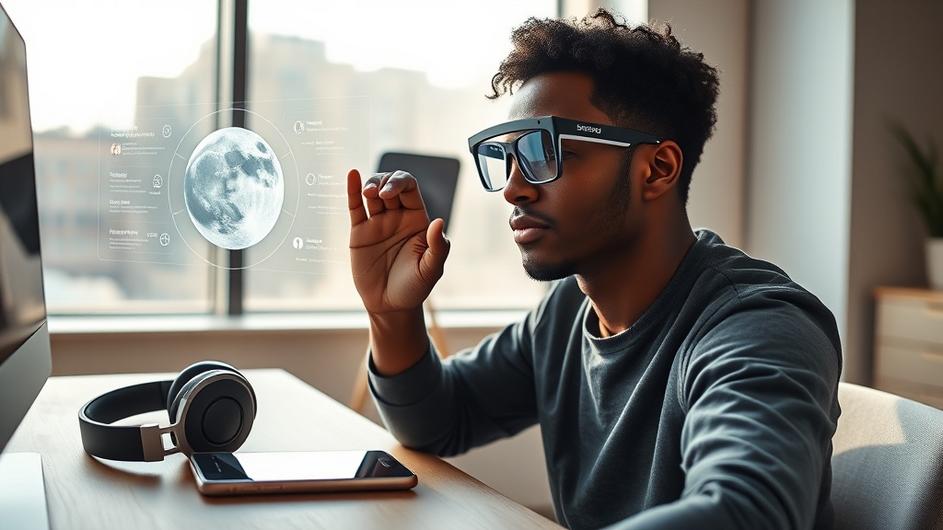
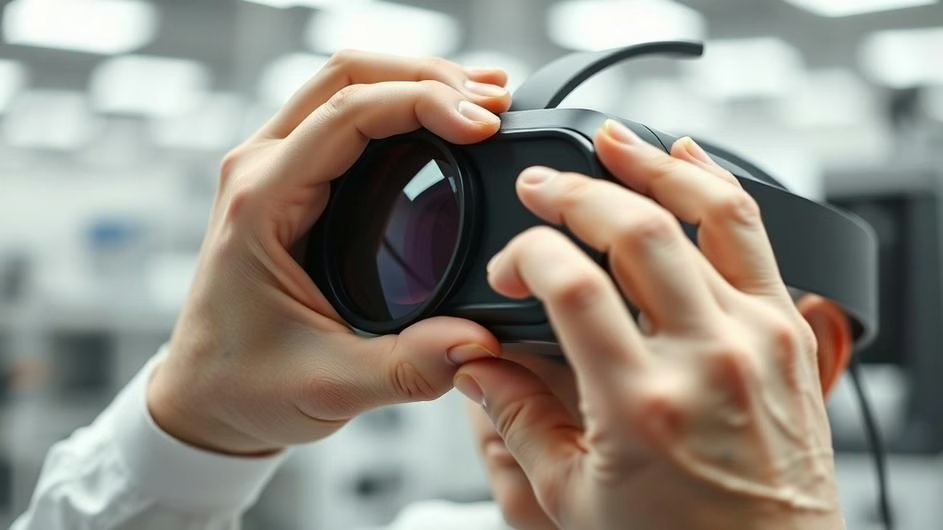
If phones are in a phase of deliberate iteration, augmented reality hardware is where companies are making their boldest, most divergent plays. 2026 looks like the year the industry pivots from clunky VR headsets to glasses designed for all-day wear. Startups and tech giants alike are rushing prototypes to market, each with a different theory about what will stick.
| Company | AR Focus | Target Use Case |
|---|---|---|
| Xreal | Media & Entertainment | Streaming, gaming |
| Snap | Social & Filters | Social media, communication |
| Amazon | Commerce & Work | Shopping, warehouse operations |
| Meta | Social & AI Integration | Social networking, AI assistants |
This isn’t just a hardware race. It’s a scramble for control over the next platform. Software-first companies like OpenAI and Meta are hiring hundreds of hardware engineers. Why? Because the convergence of AI, AR optics, and always-on sensors creates a new kind of control point. Whoever owns the glasses controls the data pipeline—what gets seen, processed, and stored. For developers, this means wrestling with new questions about cross-device identity and user consent from day one.
According to industry analysis, at least seven major AR bets could fundamentally change how we use our phones. The question isn’t if AR will arrive, but which flavor will resonate with mainstream users first.

The Privacy Tightrope
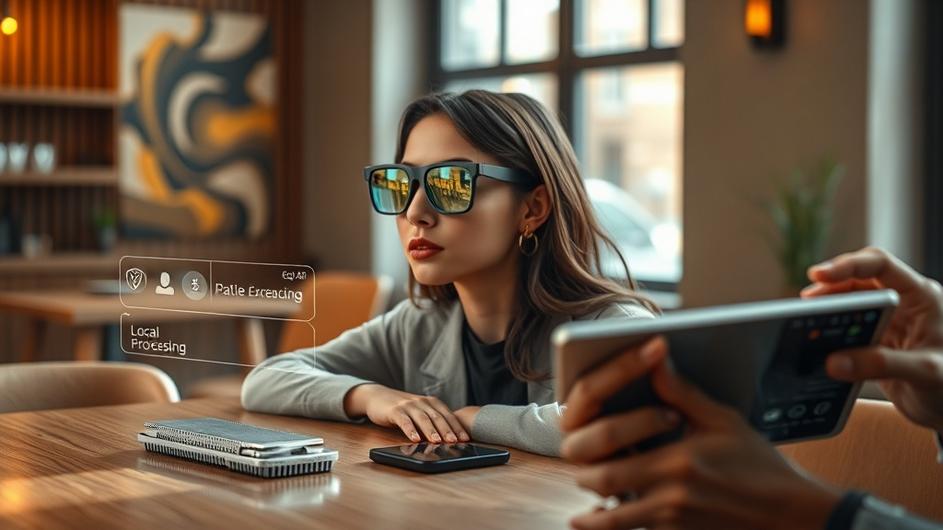
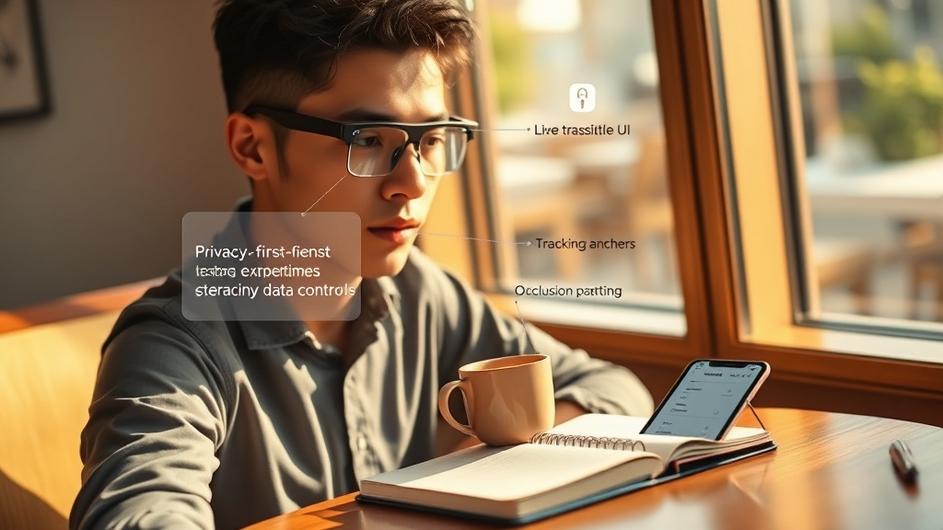
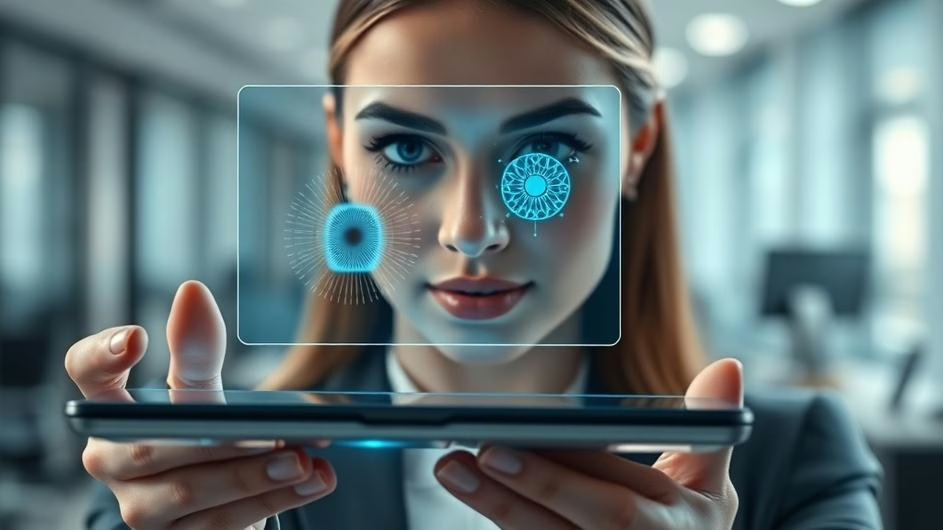
Nothing illustrates the tension of this new era better than privacy. Reports of Meta testing facial recognition in glasses show how quickly cool tech can collide with public comfort. Always-on cameras and microphones sound great in a product demo. In the real world, they trigger legitimate concerns about surveillance and data ownership.
Developers building for these platforms face a fragmented landscape. Different regions have different laws. Users have different expectations. Do you process sensor data on the device, or ship it to the cloud? Each choice carries trade-offs—latency, battery life, update complexity—and significant ethical weight. Getting this wrong doesn’t just mean a buggy app. It can mean regulatory fines and shattered user trust. The industry is still figuring out the rules, as explored in our piece on the new platform security playbook.
When Platforms Stumble
All this innovation exists on top of infrastructure that’s showing its age. Remember when YouTube went partially offline in February? For a few hours, creators couldn’t upload, publishers couldn’t monetize, and apps built on YouTube’s API started failing. It was a stark reminder of how much of the digital economy rests on a handful of giant, fallible platforms.
For product teams, this fragility changes the calculus. You can’t just plug into a third-party API and assume it’ll always work. You need fallbacks. You need cached experiences. You need to design your app so it degrades gracefully when upstream services have a bad day. It’s engineering for resilience in a world where the cloud isn’t always sunny.
What Builders Should Watch
So what does all this mean if you’re building the next generation of apps and services? First, compatibility is king. As OEMs experiment with foldables, rollables, and privacy screens, your software needs to adapt cleanly. Users will gravitate toward apps that work seamlessly across this new generation of form factors.
Second, treat sensor data with extreme caution. Implement clear, unavoidable consent flows. Collect only what you absolutely need. And whenever possible, keep the processing on the device. It’s not just about compliance. It’s about building trust in an era where users are increasingly skeptical of how their data is used.
Finally, design for distribution redundancy. Don’t put all your eggs in one platform’s basket. Whether it’s video hosting, notifications, or social features, have a plan B. The recent discussion on mobile and AR momentum highlights how interconnected these systems have become.
Looking Ahead
The rest of 2026 won’t be about a single breakthrough device. It’ll be about the slow, steady accumulation of small changes that add up to a new computing paradigm. We’ll see incremental phone improvements alongside the first meaningful shipments of wearable AR. The winners won’t be the companies with the flashiest keynote demos. They’ll be the teams that master the unsexy stuff—trustworthy software practices, resilient service design, and developer-friendly platforms.
For engineers and product leaders, this is a rare opportunity. The plumbing of the next platform is still being laid. There’s time to advocate for clear privacy defaults, robust fallback mechanisms, and APIs that encourage choice rather than lock-in. The decisions made in boardrooms and code reviews this year will determine who controls the interfaces—and the data—of tomorrow.
Want to dive deeper into the hardware shifts defining this moment? Our analysis of the 2026 hardware moment breaks down the key players and their strategies.
Sources
Samsung One UI 9: New feature for Android 17-based update leaked, Notebookcheck, 21 February 2026, https://www.notebookcheck.net/Samsung-One-UI-9-New-feature-for-Android-17-based-update-leaked.1230896.0.html
7 AR Bets In 2026 That Could Upend Your Phone Habit – Here’s Why, Glass Almanac, 21 February 2026, https://glassalmanac.com/7-ar-bets-in-2026-that-could-upend-your-phone-habit-heres-why/
YouTube is partially busted right now, PC Gamer, 18 February 2026, https://www.pcgamer.com/software/platforms/youtube-errors-feb-2026/
The Pixel 10a and Galaxy S26 aren’t new, but that’s because they aren’t for you, 9to5Google, 22 February 2026, https://9to5google.com/2026/02/22/google-pixel-10a-galaxy-s26-not-new-comment/
7 AR Glasses And Prototypes In 2026 That Surprise Buyers – Here’s What Changes, Glass Almanac, 24 February 2026, https://glassalmanac.com/7-ar-glasses-and-prototypes-in-2026-that-surprise-buyers-heres-what-changes/