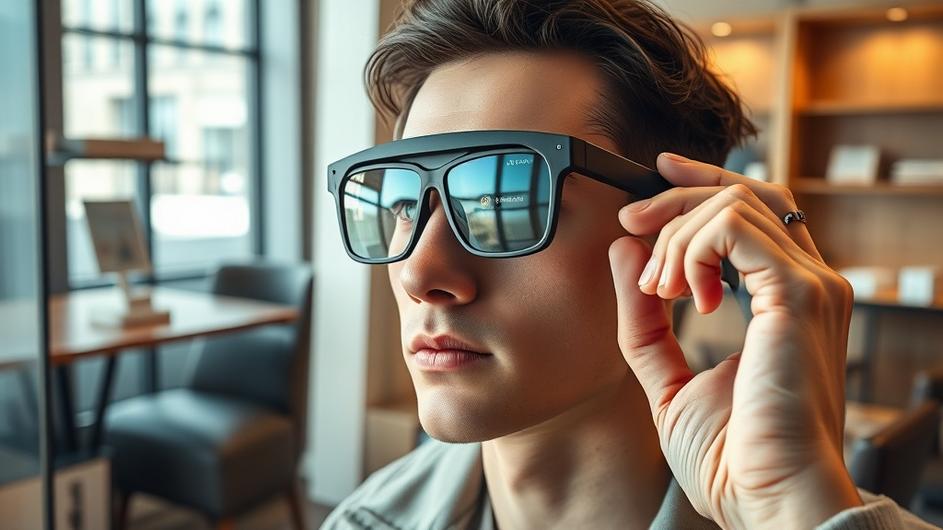
How AR Glasses and Flexible AI Chips Will Redefine Wearables in 2026
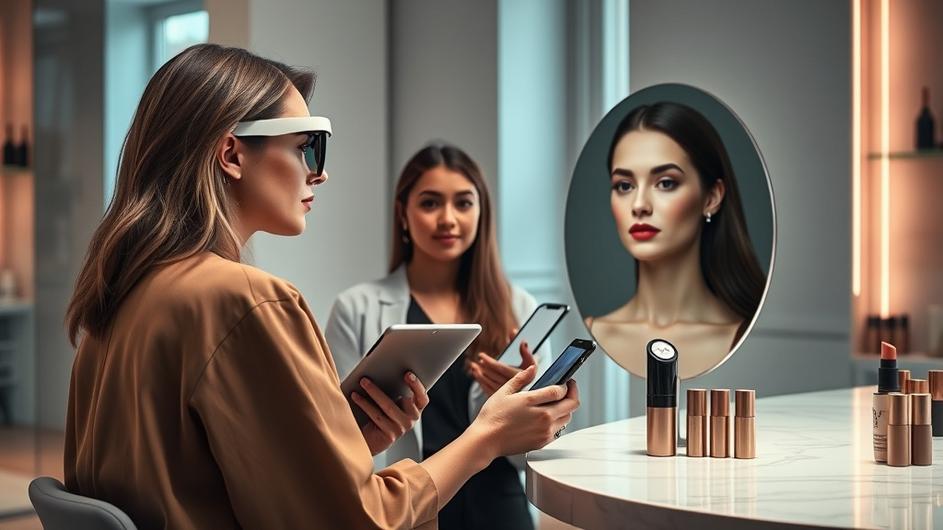
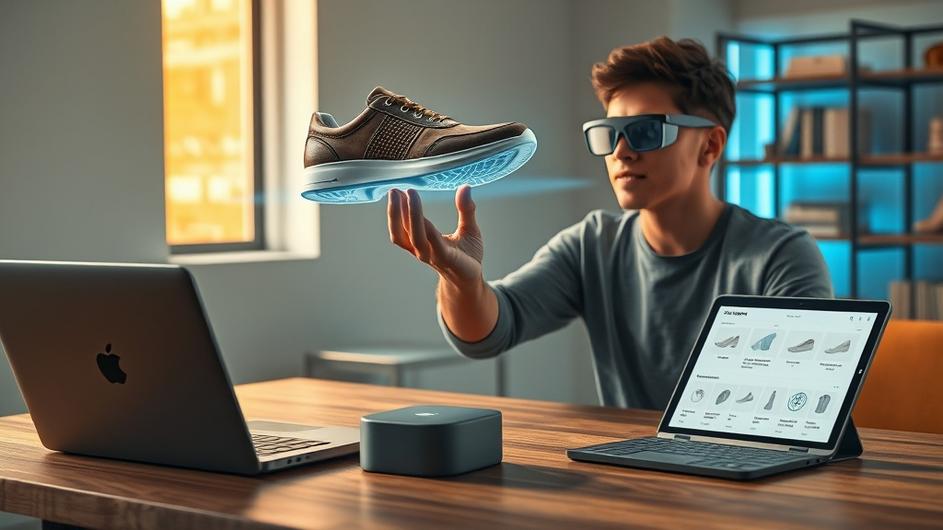
Remember when smart glasses were clunky prototypes that only the most dedicated tech enthusiasts would wear? You know, the ones that made people look like they’d just walked off a sci-fi movie set? Well, 2026 might finally be the year that changes for good. We’re looking at a convergence where augmented reality stops being a niche hobby and starts becoming something regular people might actually choose at their local optical shop.
What’s driving this shift? Two parallel stories are colliding. On one side, big tech companies and retail chains are reorganizing to make AR glasses mainstream. On the other, hardware breakthroughs are finally putting low-power, always-on intelligence directly into form factors that bend and move with our bodies. It’s not just about better screens anymore, it’s about rethinking where and how computation happens.
The Corporate Chessboard Moves
Let’s start with the corporate signals, because they’re pretty telling. Snap, the company behind Snapchat, recently moved its AR glasses work into a separate unit called Specs Inc.. That might sound like bureaucratic shuffling, but it’s actually strategic. By creating a dedicated entity, Snap makes the product line easier to fund and faster to bring to market. It’s packaging the technology to attract serious investment and speed up deployment.
Meanwhile, in a move that should make traditional eyewear companies pay attention, Warby Parker is teaming up with Google on AI-powered glasses slated to hit optical retail channels in 2026. When a consumer eyewear brand with real retail presence enters the AR game, something shifts. Suddenly, augmented reality isn’t just competing with other tech gadgets, it’s competing with traditional frames, lenses, and the entire retail experience of getting glasses fitted. That changes the game completely.
As we’ve seen in our analysis of how AR glasses will reshape consumer tech, these corporate moves signal a maturation of the market. But there’s a quieter industrial story happening behind the scenes.
The Manufacturing Engine Revs Up
China has been signaling production roadmaps that could deliver large volumes of VR and AR hardware if demand actually materializes. Major platforms are running stealth R&D on wearable form factors, and the combination of design focus, retail distribution, and manufacturing capacity means we might see a real supply chain response the moment consumers show sustained interest.
Think about it this way: when the production capacity exists and the retail channels are ready, the barrier to mainstream adoption drops significantly. This isn’t just about whether the technology works, it’s about whether it can be manufactured at scale and sold through familiar channels. 2026 looks like the year those pieces might finally align.
The Hardware Breakthrough That Changes Everything
Here’s where things get really interesting. To be genuinely useful, AR glasses and other body-worn devices need to run complex perception, computer vision, and language models without killing battery life or sending every sensor stream to the cloud. That’s where recent advances in flexible AI chips come in.
Researchers have demonstrated chips built on flexible substrates that can bend and still execute neural networks reliably. In simpler terms, neural networks are software models that learn patterns from data, and running them on flexible silicon means compute can move onto parts of the body and into thinner, less rigid enclosures. As The Daily Jagran reports, this technology could redefine what wearables can do.
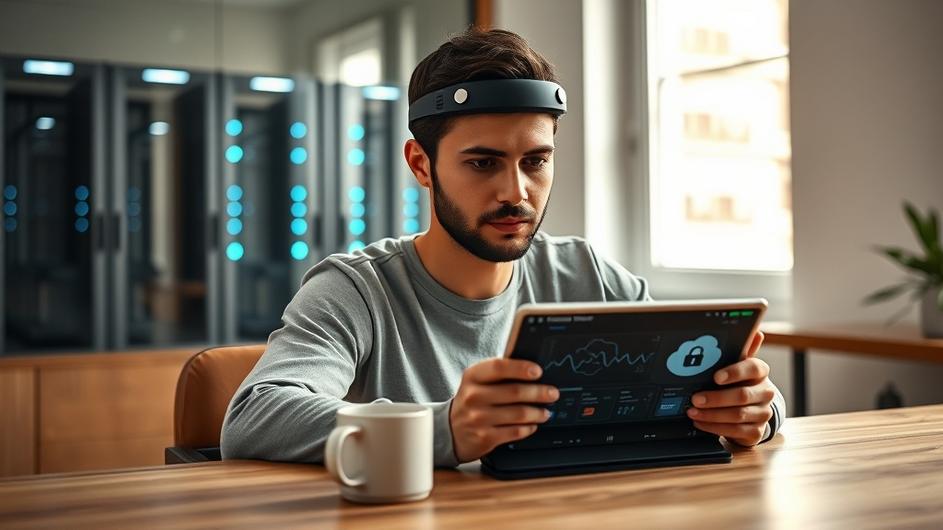
The practical implications hit immediately. A flexible AI chip lets a pair of smart glasses, or even a patch sensor on your skin, perform signal processing and inference locally. That reduces latency because data doesn’t have to travel to remote servers and back. It improves privacy because sensitive physiological signals can be analyzed on device, with only aggregated results needing to be shared. And it enables continuous monitoring use cases, like heart activity and muscle movement analysis, without constant cloud connectivity.

Redesigning From the Ground Up
For product designers, this changes everything they work with. Optical designers can prioritize fit and fashion if compute can be distributed across a frame or temple arm. Battery engineers can completely rethink power budgets when specialized, low-power neural accelerators handle perception tasks instead of general-purpose CPUs. For retailers like Warby Parker, the sale becomes about fitting and optics, not convincing buyers to accept a bulky computing block on their face.
This shift toward more integrated, fashion-forward wearables aligns with what we’re seeing across the broader hardware landscape. Devices are becoming less about raw specs and more about how they fit into daily life.
The Developer’s New Reality
Developers will face fresh tradeoffs and opportunities. Edge AI requires models that are efficient, quantized, and robust to variable inputs. Sensor fusion will become a key discipline, combining vision, inertial, and biometric streams into coherent applications. Toolchains will need to support heterogeneous compute, from flexible accelerators to companion chips and intermittent connectivity.
And here’s the crucial part: teams will have to bake in privacy-preserving defaults from day one. When sensors live millimeters from our bodies, the regulatory and ethical questions become unavoidable. This isn’t just good practice, it’s becoming a business necessity. As AI moves from cloud models to the physical world, how we handle data changes fundamentally.
Where the Money Flows
Investment patterns always follow product plausibility. The creation of a dedicated AR unit like Specs Inc. shows how companies are packaging technology to attract funding. When hardware becomes reliably manufacturable and software can run on constrained, flexible substrates, venture and industrial capital will flow into retail channels, content ecosystems, and developer platforms.
We’re already seeing this play out. According to both industry analysts and tech reporters, the combination of flexible compute and mainstream retail creates a compelling investment thesis. It’s not just about whether the technology works in a lab, it’s about whether it can scale through existing channels to reach real people.
What Comes Next?
Over the next few years, expect to see devices that feel less like computers and more like accessories, while still offering rich contextual services. That will change adoption dynamics, moving AR from early adopters into everyday users. It will also shift developer priorities toward energy-efficient AI, real-world UX for transparent displays, and secure sensor processing.
These shifts won’t be painless. Supply chain mismatches, regulatory scrutiny, and design tradeoffs will slow some projects. Yet the convergence of mainstream retail partners, modular corporate strategies, and real material advances in flexible compute creates a rare alignment. For engineers and product leaders, the challenge is building systems that respect human factors while exploiting new hardware capabilities.
Looking back at how 2025 reset the AR playbook, we can see how quickly this space evolves. The future isn’t a single device, it’s an ecosystem. When optical retailers, silicon innovators, and platform companies all aim for wearables that are beautiful, useful, and private, we’ll see a new class of devices that integrate into daily life.
And here’s something for the crypto-native readers to consider: as wearables become more integrated with our bodies and daily routines, they create new opportunities for crypto integration. Imagine secure biometric authentication for wallet access, or privacy-preserving health data that you control and could potentially tokenize. The lines between physical wearables and digital assets might get interestingly blurry.
Expect 2026 to be the year these devices stop being predictions and start becoming inventory on store shelves. The question isn’t whether AR glasses and flexible wearables will arrive, but which combinations of design, utility, and privacy will actually resonate with people. That’s where the real innovation happens, not in labs, but in the choices people make when they’re standing at the optical counter.
Sources
Glass Almanac, 6 Bold AR Bets in 2026 That Will Shift Hardware and Money, published Sun, 08 Feb 2026
The Daily Jagran, Flexible AI Chip May Redefine The Next Generation Of Wearables, published Sun, 08 Feb 2026