2026 Starts with a New Playbook for AR, OS Upgrades, and Device Security
Just a few weeks into 2026, and the tech landscape is already shifting under our feet. We’re seeing social platforms spin off their hardware dreams into standalone companies, mobile giants push out feature-packed OS updates, and rumors about foldable phones and smarter car integrations move from the rumor mill to actual roadmaps. What’s emerging isn’t just a collection of product announcements, it’s a fundamental rethink of how hardware, software, and entire ecosystems need to work together if immersive computing is ever going to reach the mainstream.
Snap’s Big Bet: Specs Inc Takes Center Stage
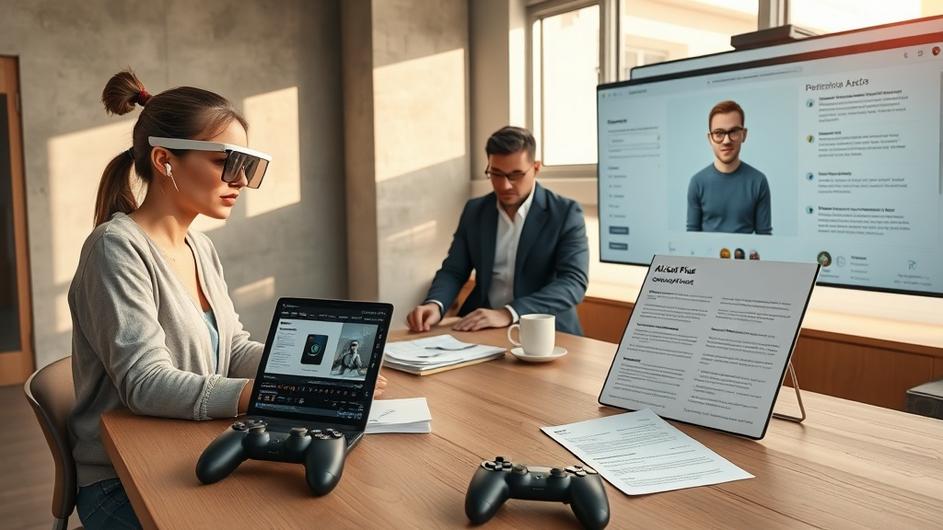
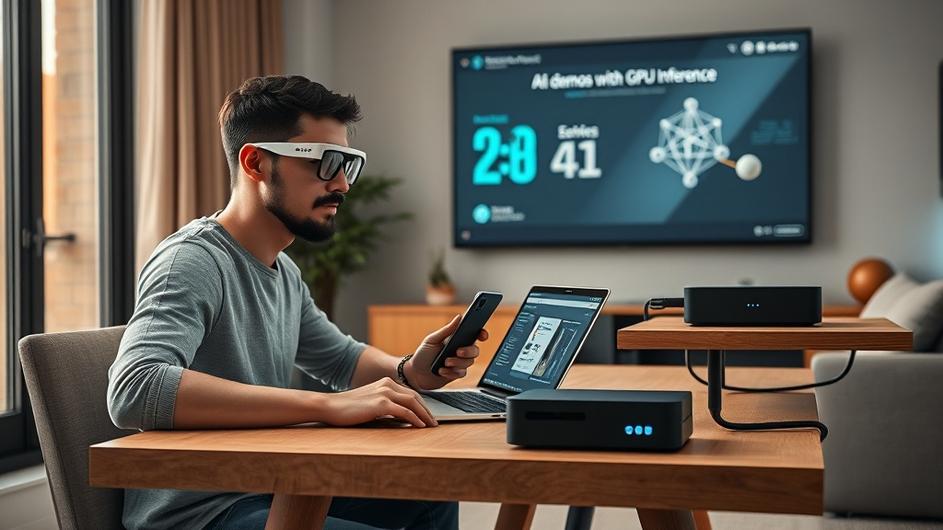
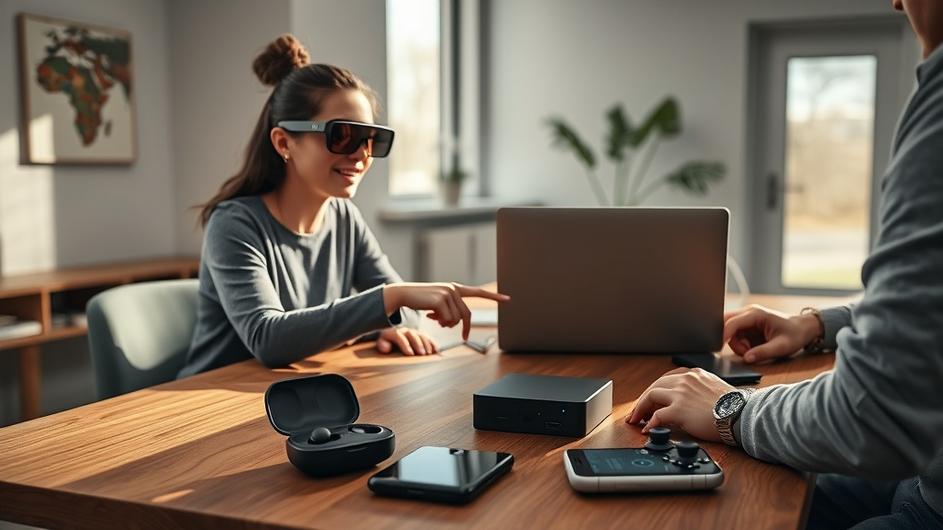
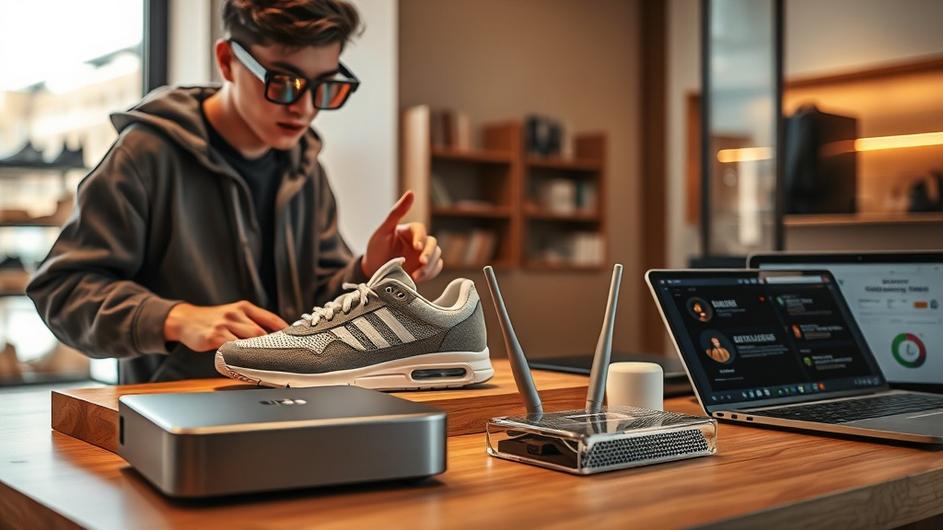
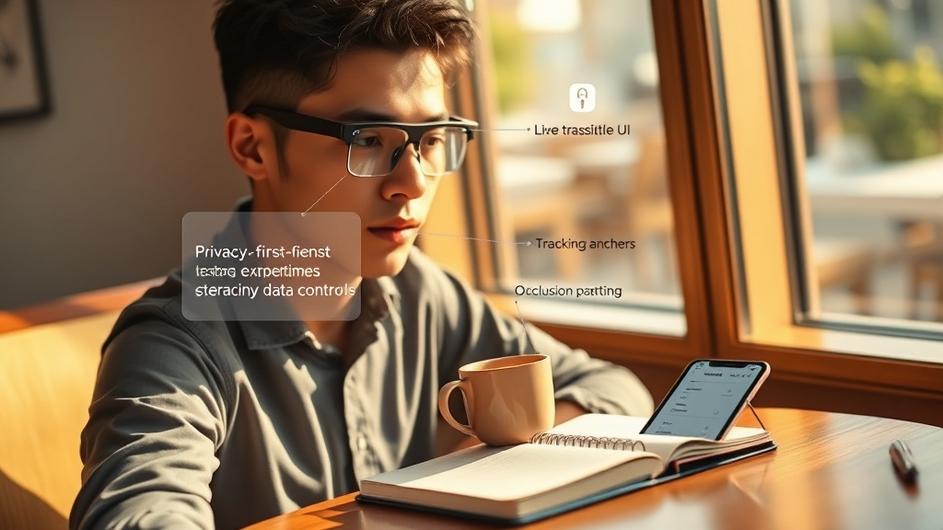
The story starts with Snap. On January 28, the company behind Snapchat made a decisive move, creating a separate entity called Specs Inc to focus entirely on consumer AR glasses. This isn’t just corporate restructuring, it’s a signal. By spinning off its hardware ambitions, Snap is telling investors, developers, and consumers that it’s serious about AR as a standalone business, not just a feature for its messaging app.
Why does this spin-off matter for the people actually building things? For developers and product teams, it changes the game in a couple of key ways. When hardware lives in its own company, separate from an ad-driven social platform, it can explore different business models. Think subscriptions, direct sales, or carrier partnerships that wouldn’t make sense inside Snapchat’s existing structure. This directly affects who will build apps for these glasses and how they’ll make money doing it.
More importantly, a dedicated hardware company like Specs Inc is almost certain to prioritize what developers need most: clear APIs, robust SDKs, and partner programs that actually work. If history is any guide, we should expect early access programs and better documentation. But let’s be real, consumer hardware is a capital-intensive marathon, not a sprint. As industry analysts have noted, this move requires deep pockets and patient investors who understand that building a new device category takes time.
Why Ecosystems Matter More Than Ever
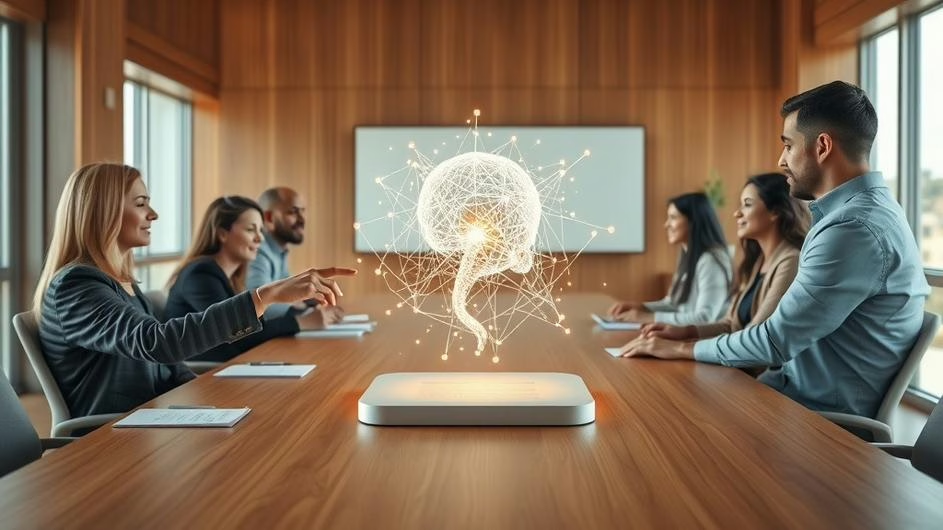
Here’s the thing about 2026: the conversation has shifted. With giants like Meta already commanding significant market share in VR and AR, the next phase won’t be won by who has the brightest display or the fastest chip. The winners will be the companies that can integrate their hardware into compelling software ecosystems. It’s about creating platforms that developers actually want to build on, and delivering utility that everyday users can’t live without.
What does ecosystem integration really mean in practice? It’s more than just making sure an app runs on a device. It’s about well-documented APIs that don’t change every six months. It’s about content distribution that doesn’t feel like a walled garden. It’s about respecting user privacy while still enabling powerful experiences. For developers, this translates to a desperate need for stable runtime environments and tools that let them build once and deploy across multiple headsets and phones without rewriting everything from scratch.
As one recent analysis put it, success in this new phase depends less on flashy hardware breakthroughs and more on creating developer experiences that actually work. The companies that get this right will build lasting platforms, not just cool gadgets.
Platform Moves That Developers Can’t Ignore
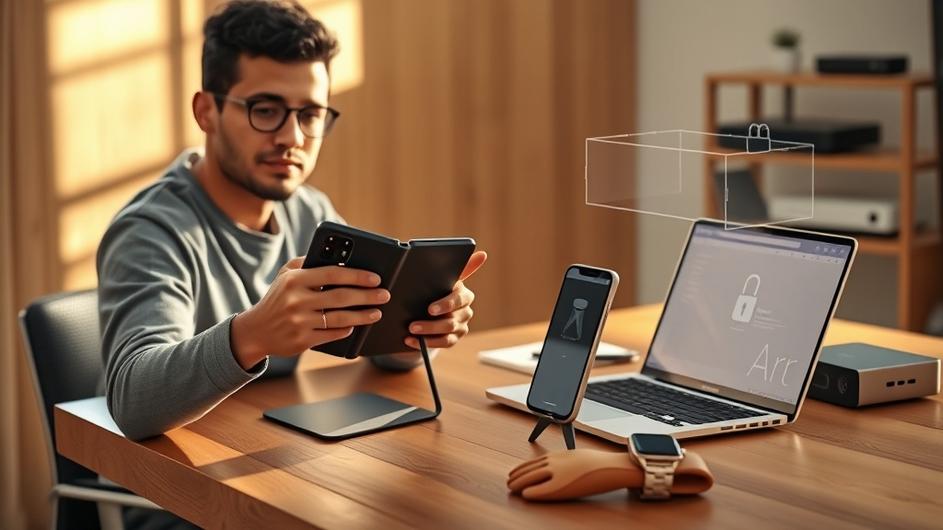
While AR hardware gets the headlines, the broader device landscape is evolving in ways that affect every app builder. Apple is pushing out iOS 26.3 and 26.4 updates with new APIs and behaviors that developers need to adopt. Rumors about new MacBook Pros with M5 chips continue to swirl, and the entire industry is watching for Apple’s first foldable iPhone. Then there’s CarPlay Ultra, Apple’s expanded in-car experience that promises tighter integration with vehicle hardware.
For developers, these aren’t just news items, they’re practical considerations that affect your roadmap. New OS updates mean new APIs to learn and potentially breaking changes to account for. Foldable screens introduce entirely new layout and interaction patterns that your mobile apps and AR companions need to handle gracefully. Deeper car integrations open up opportunities for context-aware experiences that respond to driving conditions, but they also come with serious safety and certification requirements that can’t be ignored.
The message is clear: if you’re building for devices in 2026, you need to think beyond the smartphone. Your apps need to work across form factors you haven’t even seen yet.

The Quiet Foundation: Security Can’t Be an Afterthought
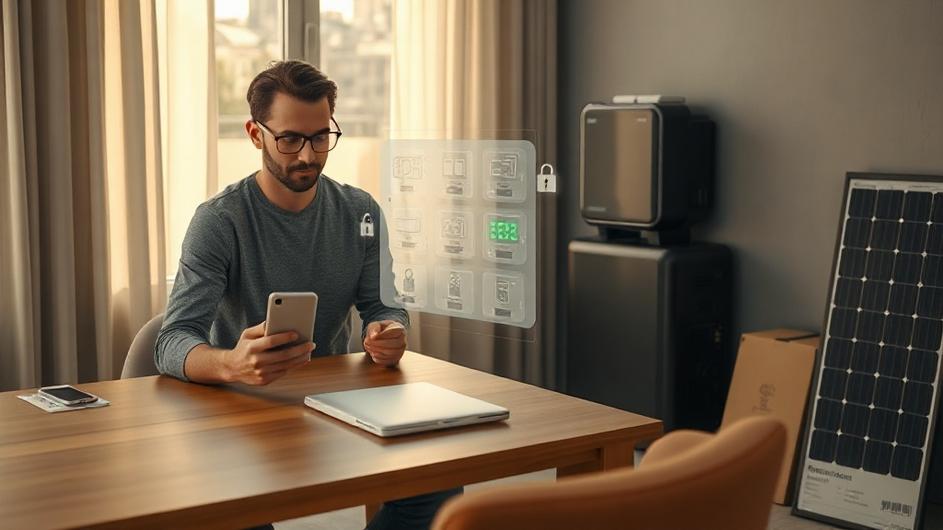
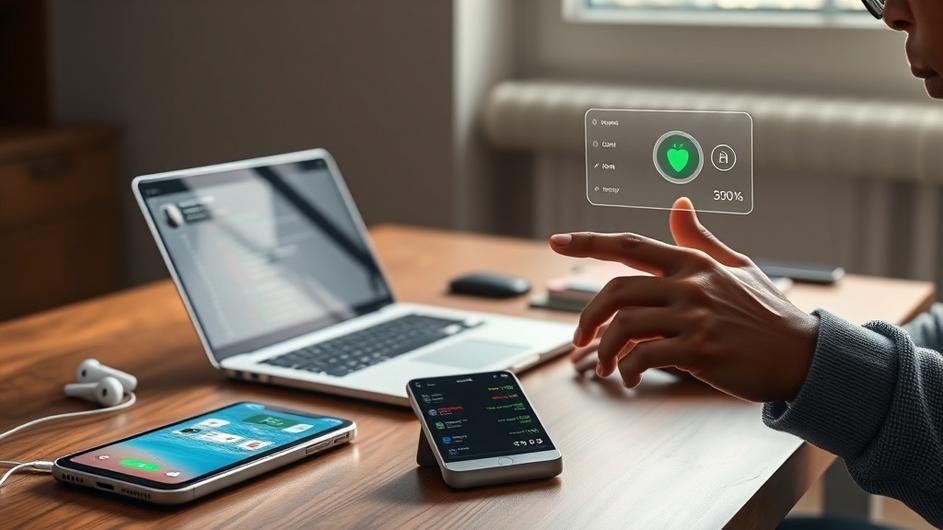
All this innovation rests on a foundation that doesn’t get enough attention: device security. While everyone’s talking about flashy new features, Samsung has quietly detailed its February 2026 security patch, fixing dozens of vulnerabilities in Android and One UI. These monthly patches matter more than you might think, especially for AR developers.
Why? Because security updates change platform behavior. They fix holes in system libraries that your apps might depend on. They sometimes alter permissions and sensor access that location-aware and AR applications need to function. If your app accesses cameras, depth sensors, or microphones, you’ve got a larger attack surface to worry about.
The lesson here is that feature planning and security hygiene need to run in parallel. You should be testing on both patched and unpatched devices. Automate your security and permission checks in your CI pipeline. Design fallbacks for when system APIs change unexpectedly. As we’ve seen in our coverage of platform security trends, good security practices aren’t optional anymore, they’re a core product requirement.
What Should Your Team Do Right Now?
So with all these converging trends, what should development teams actually focus on? First, invest in cross-platform abstractions. The near future will bring multiple vendors and form factors, so don’t tie your core app logic to a single headset or operating system. Think about how your experiences can adapt to different screens and interaction models.
Second, design for privacy from the ground up. Users are becoming more aware of how their data is used, and platform review policies are getting stricter. Only request the sensor access you absolutely need, and be transparent about why you need it.
Third, allocate real QA cycles for new form factors and security patches. This means testing foldable layouts, understanding new CarPlay behaviors, and making sure your app still works after monthly security updates. These shouldn’t be afterthoughts, they should be part of your regular release planning.
And here’s a practical tip: engage early with hardware programs when they open up. If Specs Inc launches a developer access program, that’s your chance to experiment with spatial UX patterns and interaction models that are fundamentally different from touchscreens. Hardware spin-offs often offer closer collaboration with device engineers, which is invaluable when you’re building performance-sensitive features.
Looking Ahead: The Pieces Are Falling Into Place
The story of 2026 isn’t that hardware is dead, it’s that hardware alone won’t win markets. Capital is necessary, but it’s the combination of thoughtful hardware, robust platforms, and engaged developer communities that creates products people actually use. The creation of Specs Inc makes this reality crystal clear, while platform updates from Apple and others show just how quickly the baseline for apps and devices is evolving.
If you’re building for devices this year, you’ll be rewarded for treating ecosystems as first-class products. Prioritize your tooling, take security seriously, and design for cross-device compatibility from day one. Expect to adapt to new OS capabilities and design for novel inputs like foldable screens and immersive displays.
The companies that successfully string all these elements together will set the tone for mainstream AR adoption. Meanwhile, those monthly security and OS updates will quietly shape what’s possible and, more importantly, what’s safe.
Hardware will always grab the headlines, but in 2026, it’s the software and ecosystems that will determine who actually gets to scale. Watch the Specs Inc launch closely, follow platform release notes like they’re breaking news, and think long-term about the developer experiences you need to build. The pieces are falling into place, and this looks like the year they might finally start clicking together.
Sources
- Snap Reveals Specs Inc. Subsidiary in 2026 – Why Investors Should Care, Glass Almanac, Fri, 06 Feb 2026
- Samsung monthly updates: February 2026 security patch has been detailed, SamMobile, Tue, 03 Feb 2026
- Top Stories: iOS 26.3 and 26.4 Features, Foldable iPhone Details, and More, MacRumors, Sat, 07 Feb 2026
- Success Will Depend Less On Sparks 2026 Fears Across AR Hardware And Software Teams, Glass Almanac, Thu, 05 Feb 2026
- Snap Reveals Specs Inc In 2026 – Why Consumers Should Care Now, Glass Almanac, Thu, 05 Feb 2026