
Beyond the Numbers: How Apple, Meta, and Snap Are Racing to Make AI and AR the Next Hardware Story
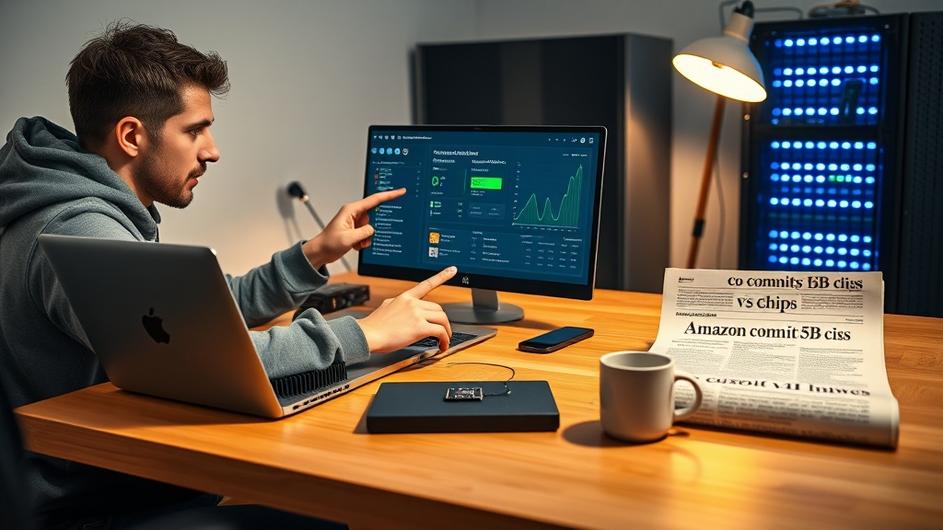
Apple just posted numbers that would make any CFO grin from ear to ear. Record revenue, strong margins, the kind of quarter that typically triggers champagne corks in Cupertino. But here’s the thing about those impressive financials, they buy time, not permission. While Wall Street celebrates, the real battle is already shifting to where large language models meet immersive hardware, and Apple knows it can’t afford to sit this one out.
According to a recent Bloomberg report, Apple’s engineers aren’t resting on their laurels. They’re quietly retooling both software and devices for an AI-heavy future. The company is reportedly planning not one, but two new versions of Siri, both powered by Google’s Gemini models. This isn’t just about making Siri smarter, it’s a fundamental rethink of what a voice assistant can be, moving from a single reactive tool to multiple specialized agents. It’s part of a broader shift toward more sophisticated voice agents that can handle extended conversations and complex reasoning.
The hardware roadmap is moving just as fast. A refreshed MacBook Pro is expected in the macOS 26.3 cycle, and while that might sound like a routine update, it’s actually a meaningful signal. Apple wants to pair new silicon with model-heavy workflows, creating machines tuned for AI tasks. Then there’s the rumored clamshell foldable phone, a device that folds wallet-thin but opens to tablet-sized displays. Even the humble AirTag is getting an update after years of anticipation. These moves reflect a broader hardware playbook rewrite happening across the industry.
The AR Acceleration
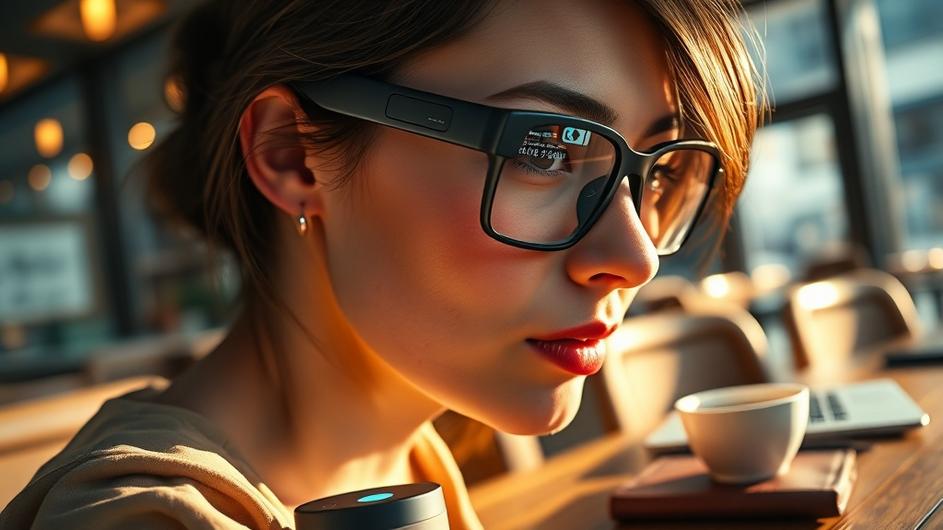
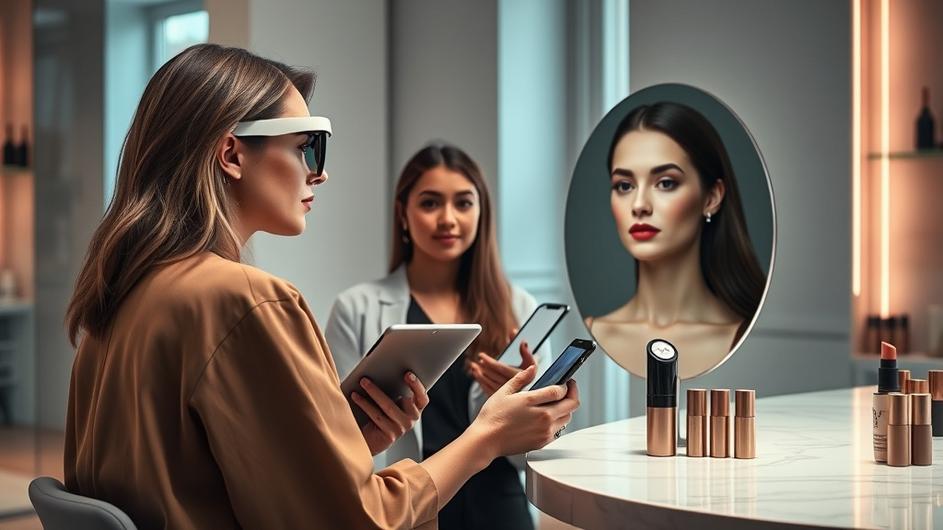
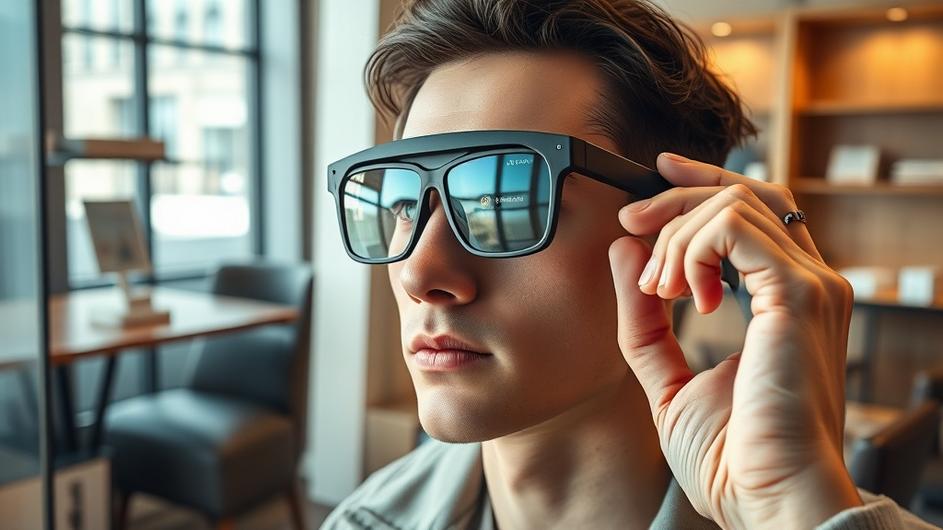
While Apple works on its AI puzzle, the augmented reality landscape is accelerating at breakneck speed. Snap recently spun out its smart glasses business as Specs Inc., a move designed to attract outside investment and make faster decisions. Meta’s Reality Labs is reportedly planning to ramp spending dramatically in 2026. As noted in a Glass Almanac analysis, these developments are compressing timelines that once seemed distant.
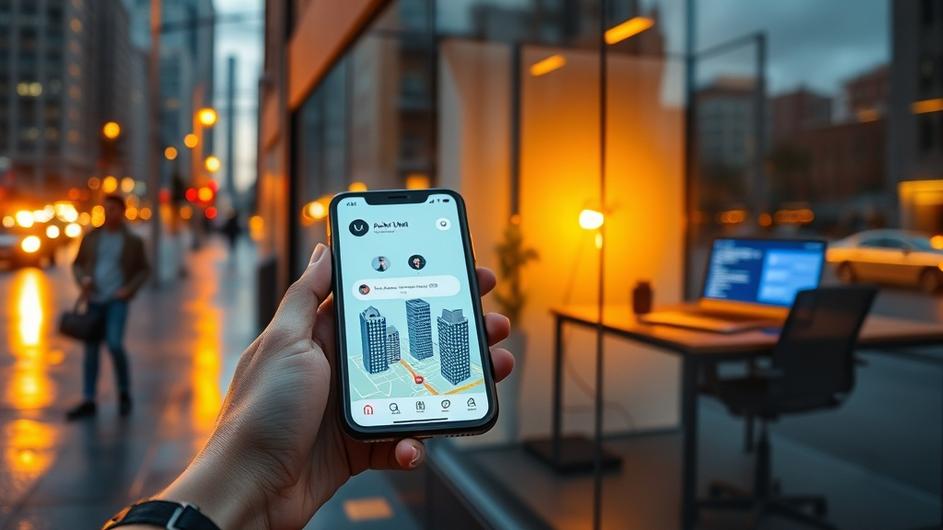
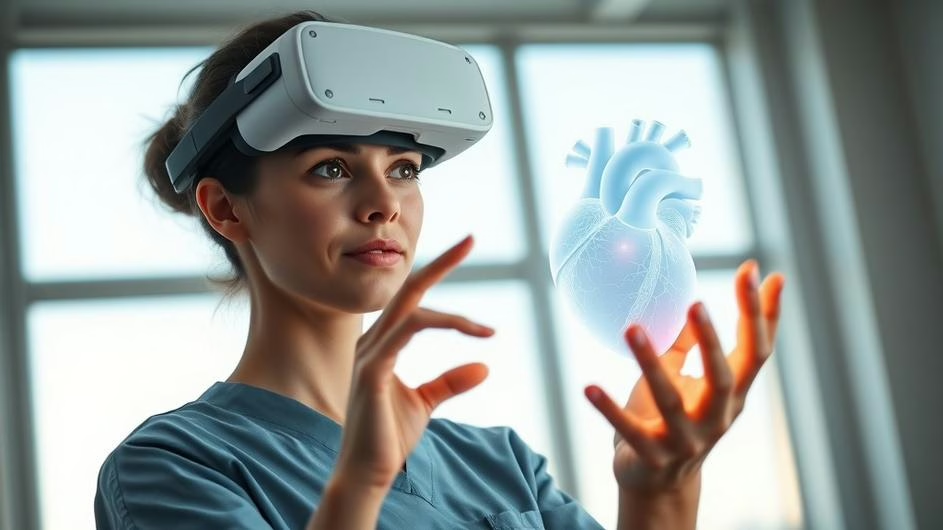
Where augmented reality once lived mainly in demo rooms and niche apps, hardware and capital now point toward mainstream adoption by 2026. If Meta floods the market with competitively priced smart glasses, and if Snap and Apple ship compelling, comfortable devices, AR could shift from novelty overlays to everyday interfaces. We’re talking about technology that augments navigation, collaboration, and context-aware assistance becoming as normal as checking your phone. This convergence of AI agents, glasses, and sensors represents one of the most significant tech shifts we’ve seen in years.
What This Means for Developers
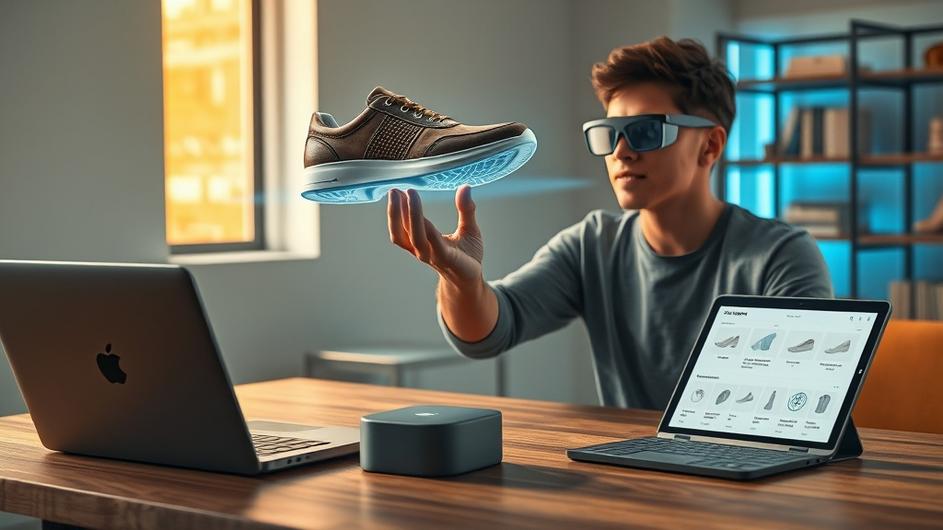
For developers watching these trends unfold, the implications are both challenging and exciting. Multi-modal experiences are becoming the standard, not the exception. Apps will need to handle voice, text, images, and spatial overlays seamlessly. AR development in particular demands new skills, spatial computing knowledge that includes 3D math, occlusion handling, and low-latency rendering.
Think about it, how many teams currently have expertise in both natural language processing and 3D spatial computing? Not many, which means there’s a talent gap that needs filling quickly. The market is already responding to this need, with affordable AR and AI reshaping device markets faster than many anticipated.
Then there’s the performance engineering challenge. Model-driven features require careful balancing between on-device inference and cloud fallbacks. Privacy gets more complex too, as apps combine location, camera, audio, and personal data to build context. Developers will need to navigate these waters while staying close to platform SDKs and APIs, because those tools will define what’s possible in this new landscape.
The Convergence Opportunity
The flip side of these challenges is genuine opportunity. A smarter Siri that can reason across apps opens doors for deeper automation and developer-provided actions. MacBooks with beefier neural hardware make serious local inference practical, enabling offline capabilities and reducing cloud costs. This hardware-AI integration represents a tipping point for intelligent devices that could reshape everything from smart homes to professional workflows.
AR glasses that pair with phones, folding devices that bridge form factors, and lightweight trackers together create ecosystems where apps can follow users across contexts. Imagine starting a task on your phone, continuing it on your glasses during your commute, and finishing it on your laptop at work, all with seamless context preservation.
On-device AI benefits from tighter hardware integration, whether that’s more efficient neural engines in laptops and phones, or new sensors and antennas in wearables. A MacBook tuned for AI workloads changes assumptions about latency and privacy, two concerns developers often trade off. Local models reduce data sent to the cloud, offering a privacy advantage, but they demand different engineering, model compression, quantization, and careful battery management.

The Road Ahead
Looking ahead, success won’t come from any single product launch. Hardware refreshes without meaningful AI integration will feel incremental. Massive AR spending without comfortable, useful devices will remain speculative. The real magic happens when models, silicon, and sensors come together seamlessly.
We’re not just watching companies chase each other’s features. We’re witnessing the rules of interaction evolve. The next two years will determine whether AI and AR become complementary layers of everyday computing or remain fragmented, expensive gadgets. For engineers and product leaders, the smart move is to build for interoperability, anticipate sensor-rich contexts, and treat AI models as first-class components of the user experience.
That stance turns quarterly results into the beginning of a much larger technical reckoning, one that will reshape applications, developer tooling, and ultimately how people compute. The companies that get this orchestration right, the ones that can blend financial strength with technical vision, will define the next era of personal computing.
Sources
Bloomberg, “Apple’s Historic Quarter Doesn’t Change the Need for AI Reckoning,” Bloomberg.com, Feb 1, 2026, https://www.bloomberg.com/news/newsletters/2026-02-01/apple-s-record-quarter-and-ai-changes-macbook-pro-update-clamshell-iphone-fold
Glass Almanac, “5 AR Developments In 2025 That Surprise Investors And Change Devices,” Glass Almanac, Jan 30, 2026, https://glassalmanac.com/5-ar-developments-in-2025-that-surprise-investors-and-change-devices/