
2026 Tech Reset: Cheaper Foldables, Affordable AR, and the AI Price War Reshaping Device Markets
If the first weeks of 2026 have taught us anything, it’s that consumer tech isn’t evolving anymore, it’s accelerating. What used to take years now happens in quarters. Foldable phones, once the exclusive toys of early adopters with deep pockets, are suddenly talking about price discipline. Augmented reality glasses, long stuck in prototype purgatory, are becoming something you might actually buy. And the AI that powers everything? It’s shifting from a premium experiment to a subscription service you’ll find on your next phone bill.
Together, these trends aren’t just random product updates. They signal a fundamental reset where hardware innovation, software intelligence, and aggressive pricing strategies are colliding to create entirely new markets. It’s a shift from spectacle to scale, and it’s happening faster than anyone predicted.
The Foldable Price Crunch Is Real
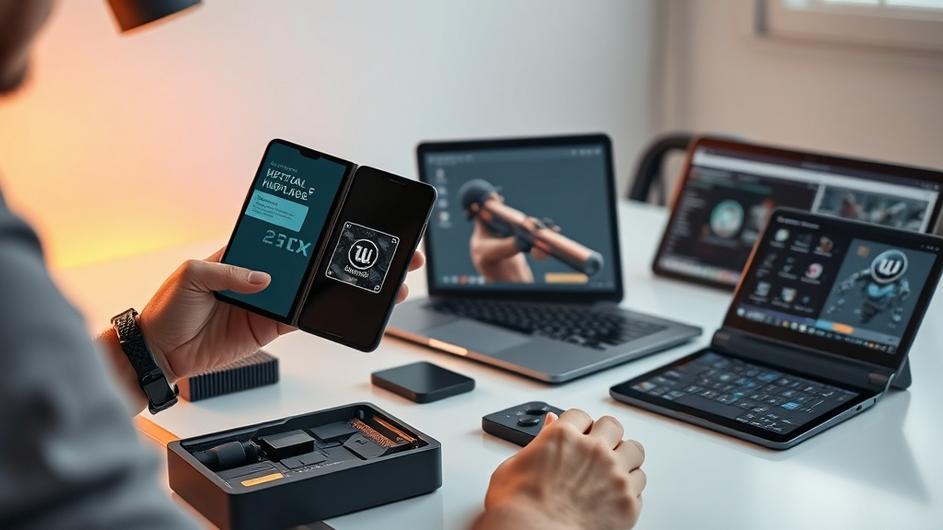
Remember when foldable phones were basically luxury items with tech inside? That era might be ending. A newly surfaced Galaxy Z TriFold leak suggests Samsung plans to price its ultra-premium tri-fold design more competitively. That’s significant because tri-fold devices, which fold like an accordion into multiple segments, were supposed to remain high-margin halo products, not mainstream devices.
If Samsung brings a tri-fold phone closer to existing foldable price bands, it’s signaling a clear strategy: trade exclusivity for volume. They’re betting that broader adoption matters more than maintaining an elite price tag. This isn’t happening in a vacuum either. Apple continues its steady march toward a foldable iPhone, while Chinese manufacturers like Honor and Oppo are pushing devices with larger batteries and better durability.
The message from the industry is getting clearer. Better battery life, improved hinge mechanisms, and lower prices are becoming the primary levers to convert curious tech enthusiasts into regular users. As we’ve seen in our analysis of hardware and AI tipping points, practical improvements often matter more than flashy features.
Why does price matter so much here? It’s simple psychology. Foldables need to prove daily value beyond novelty. A crease-free display or a battery that actually lasts through your workday makes the form factor practical. Lower pricing removes the mental barrier that these devices are only for tech evangelists willing to drop two grand on an experiment.
AR Glasses Get a Reality Check
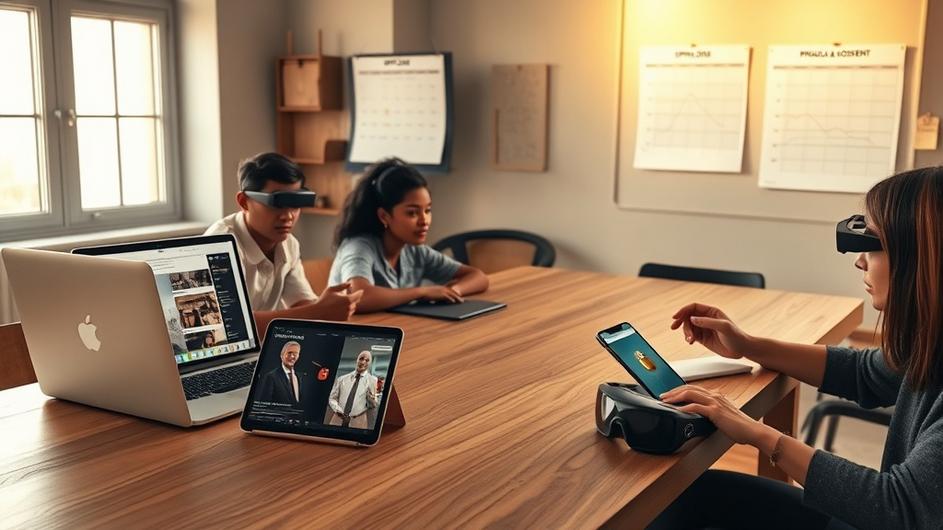
Augmented reality is following a surprisingly similar path. Xreal, known for its lightweight AR glasses, just surprised everyone with a meaningful price cut on its 1S model, bringing it down to $449. As Glass Almanac reports, this $100 reduction coincided with added features like Switch 2 support, opening the glasses to a broader gaming and media ecosystem.
Price cuts like this do two important things. First, they turn an early adopter purchase into something normal consumers can actually consider. Second, they force every other company in the space to reassess their hardware specs versus price ratio. When one player drops prices, everyone else has to respond or risk getting left behind.
For developers and creators, more accessible AR hardware means a larger addressable audience for apps and experiences. For platform owners, it means the race will increasingly be about content and integration, not just who has the best optics or sensors. As we explored in our piece on how AR glasses will redraw consumer tech, the hardware is only half the story.
AI Subscriptions Become the New Normal
Here’s where things get really interesting. While hardware prices are dropping, software is getting smarter and more directly monetized. Google just expanded its AI Plus subscription to 35 countries at $7.99 per month, with an introductory offer dropping the first two months to just $3.99.
What does this mean for the device ecosystem? Consumers will increasingly expect AI features to be baked into both services and devices. We’re talking about smarter assistants that actually understand context, on-device models that preserve privacy while offering personalization, and AI capabilities that feel less like magic tricks and more like utilities.
The recurring revenue model for AI changes everything about incentives. Companies that can pair affordable hardware with ongoing intelligent services have a clearer path to sustainable margins. For developers, it means more opportunities to build for platforms with paying users, but also new pressures to optimize for subscription-driven expectations: constant improvement, ironclad privacy guarantees, and value that’s obvious from day one.

Apple’s Playing the Long Game
Don’t think Apple’s just watching from the sidelines. Early 2026 rumors and announcements show the company accelerating across multiple fronts. Apple’s first new products of 2026 include a revamped MacBook Pro with OLED displays, new AirTag hardware with improved range, and whispers of a smart home hub and eventual foldable iPhone. The company is also refining Siri into something more conversational and personalized.
This affects everything about Apple’s hardware strategy. Sensors, on-device silicon, and form factor experiments will all be judged against how well they serve a more intelligent assistant. For developers, an Apple ecosystem that combines new hardware variants with smarter software means opportunities in app adaptation, interface design, and services that bridge devices seamlessly.
Apple’s moves validate the direction most hardware makers are already taking: integrate AI deeply, diversify form factors intelligently, and use software to lock in user value without feeling predatory. It’s a delicate balance, as we discussed in our analysis of design, utility, and AI in next-wave devices.
What This Means for Everyone Building and Buying Tech
Put all these pieces together and you get a clearer picture of consumer tech’s next phase. Hardware differentiation is migrating from single “wow” factors to bundles of practical improvements. Think better battery life that actually matches your usage, durability that survives real-world drops, and software integration that feels intuitive rather than intrusive.
Pricing strategy matters more than ever because reaching mainstream consumers requires removing sticker shock. Software and services, especially AI, are becoming recurring revenue engines that fund ongoing development and attract ecosystem partners. It’s a shift from selling devices to cultivating relationships through useful intelligence.
For developers, this is both an invitation and a warning. The invitation is obvious: more devices and more services mean more platforms to target, and lower hardware prices expand the addressable market for apps and experiences. The warning is equally clear: with subscriptions and smarter assistants, user expectations for continuous value and privacy will skyrocket. Building for latency, offline behavior, and clear UX around AI will be as important as making something that looks good on a foldable screen or AR headset.
As we’ve seen in the broader rewiring of devices and software expectations, the companies that succeed will be those that understand this new balance.
Looking Ahead to a More Accessible Future
The early months of 2026 suggest a market that’s maturing quickly, moving from spectacle to scale. Cheaper foldables and more affordable AR glasses will broaden audiences beyond early adopters. AI subscriptions will fund ongoing experience improvements while shifting value toward services that actually improve over time.
The net effect should be a healthier ecosystem: more users, more devices, and more demand for software that’s useful, private, and beautifully integrated. If the next chapters follow the pattern we’re seeing, developers who prioritize cross-device design, efficient AI integration, and attention to real-world utility will lead the wave.
Hardware makers that balance ambition with affordability will find the largest audiences. And consumers? They’ll benefit from an accelerating cycle where innovation is no longer limited to luxury price tags, but instead becomes part of everyday technology that actually makes life better. It’s what we predicted when examining how 2026 looks like the year tech grows up, and the evidence keeps mounting.
The race isn’t about who can make the most impressive demo anymore. It’s about who can build technology that fits seamlessly into people’s lives at prices that don’t require justification. That’s a much harder problem to solve, but it’s also where the real opportunity lies.
Sources
New Galaxy Z TriFold leak suggests cheaper pricing for Samsung’s ultra-premium foldable, Notebookcheck, Mon, 26 Jan 2026, https://www.notebookcheck.net/New-Galaxy-Z-TriFold-leak-suggests-cheaper-pricing-for-Samsung-s-ultra-premium-foldable.1212701.0.html
Top Stories: iPhone 18 Pro Leaks, Siri Chatbot, Apple AI Pin, and More, MacRumors, Sat, 24 Jan 2026, https://www.macrumors.com/2026/01/24/top-stories-iphone-18-pro-leaks/
Apple Unveils First New Products of 2026, MacRumors, Mon, 26 Jan 2026, https://www.macrumors.com/2026/01/26/apple-unveils-first-two-products-of-2026/
Google Brings Cheaper $7.99 ‘AI Plus’ Plan to 35 Countries, Including U.S., MacRumors, Tue, 27 Jan 2026, https://www.macrumors.com/2026/01/27/google-ai-plus-plan-expansion/
Xreal 1S Reveals Switch 2 Support And $100 Cut In 2026 – Why It Matters Now, Glass Almanac, Mon, 26 Jan 2026, https://glassalmanac.com/xreal-1s-reveals-switch-2-support-and-100-cut-in-2026-why-it-matters-now/