From Robot Housemates to Pocket Consoles, How CES 2026 Is Rewriting What Consumers Expect
Walking through CES 2026 felt less like browsing a trade show and more like peeking into next year’s living rooms. The gadgets weren’t just sitting on shelves anymore, they were making decisions, folding laundry, and quietly reshaping how we think about technology in our daily lives. From humanoid assistants that handle household chores to subtle shifts in how people shop for phones, three clear themes emerged where hardware, software, and human expectations collide. Together, they signal a pivot away from flashy novelty toward something more practical, autonomous, affordable, and genuinely useful.
The Robot in Your Living Room
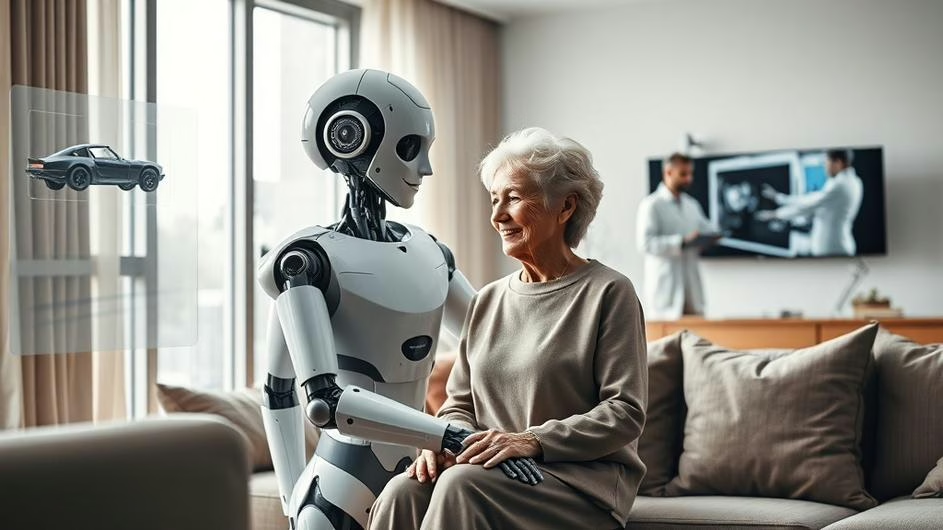
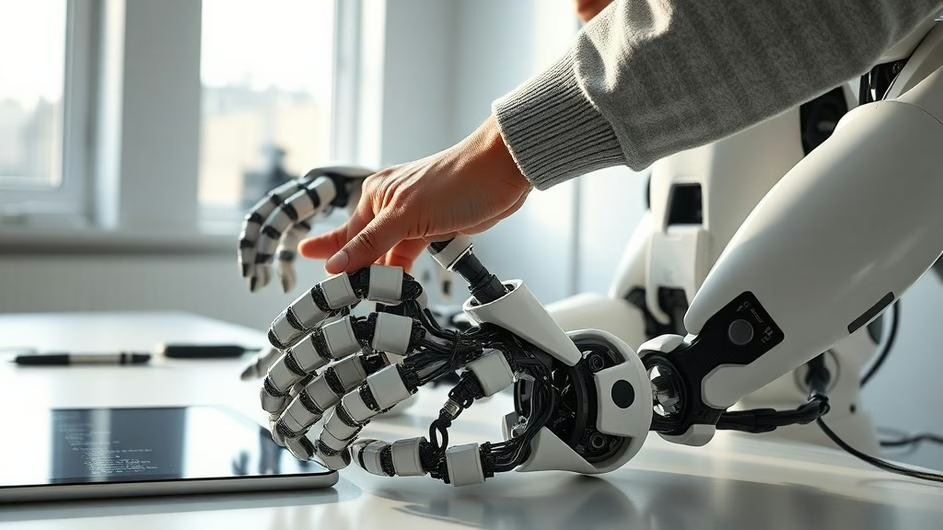
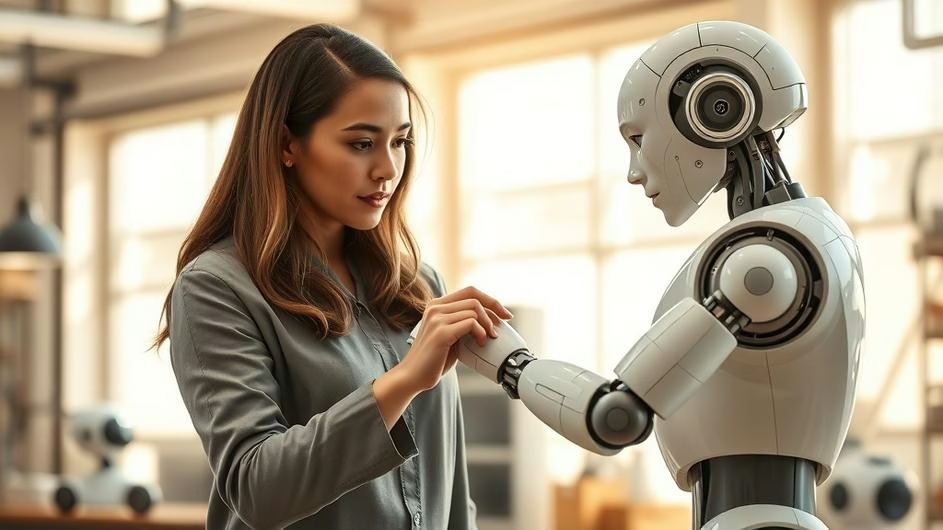
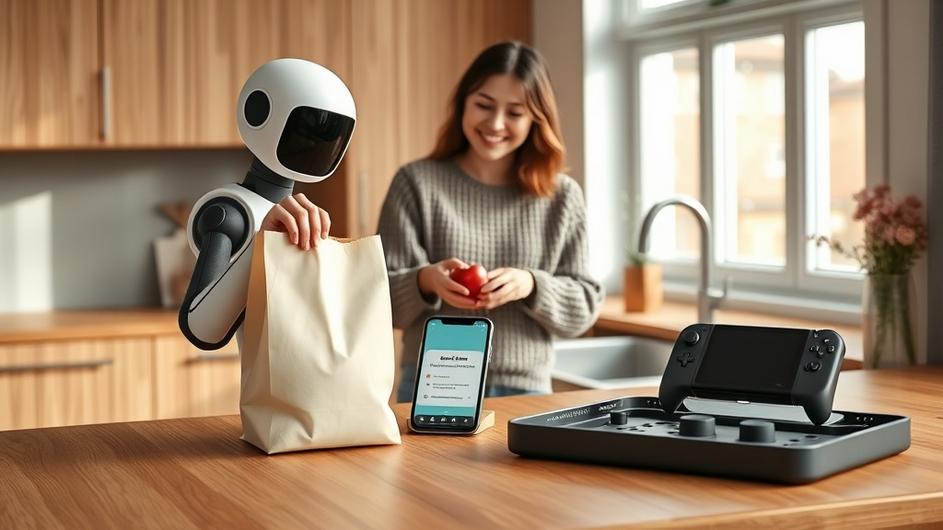
All anyone could talk about was LG’s CLOiD humanoid assistant. This wasn’t some toy or proof-of-concept demo, it was a working prototype designed to deliver what LG calls a “zero labor home.” In hands-on demonstrations, the robot folded laundry, handled kitchen tasks, and showed mechanical dexterity that felt surprisingly polished. The progress matters not because robots will replace humans overnight, but because they’re changing what people expect from automation. Consumers are starting to look for systems that work reliably in real environments, not just on polished stages.
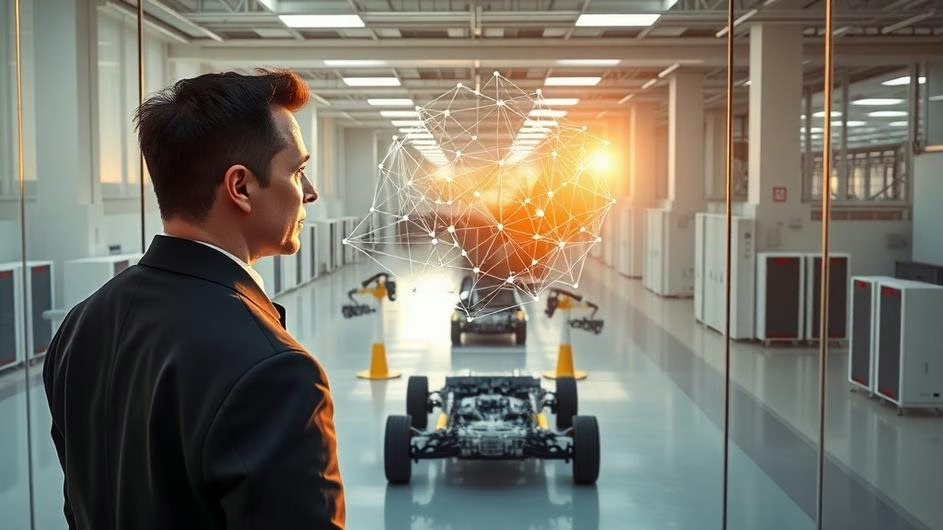
But here’s the real question developers are asking: can a robot truly understand the difference between your favorite shirt and a cleaning rag? General manipulation in unstructured home settings requires robust perception, adaptable control, and graceful recovery when things go wrong. The hardware is catching up to software demands, but bridging that last mile means marrying real-world sensing with safety engineering that keeps humans protected. Expect advances in tactile sensing, context-aware motion planning, and human intent inference as the next wave of progress, as we saw in our coverage of when AI left the cloud and entered the real world.
Quiet Shifts in Consumer Behavior
Parallel to the physical automation revolution, CES highlighted subtler changes in how people buy and use technology. Ad Age identified five gadget trends that reflect evolving buyer priorities, from devices designed purely for convenience to smarter integration across ecosystems. The takeaway for product teams is clear: consumers don’t want gadgetry for its own sake anymore. They want tangible improvements to daily routines, products that reduce friction whether through faster connections, longer battery life, or interfaces that actually anticipate needs.
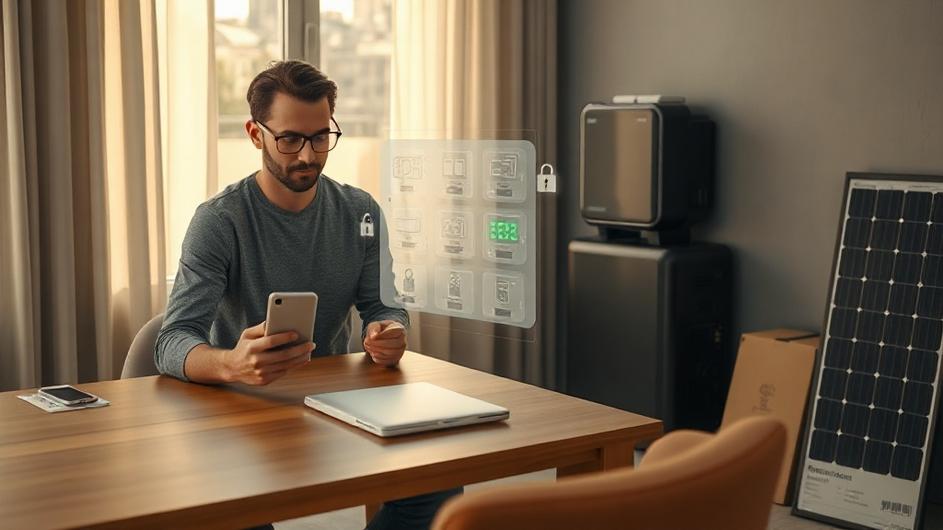
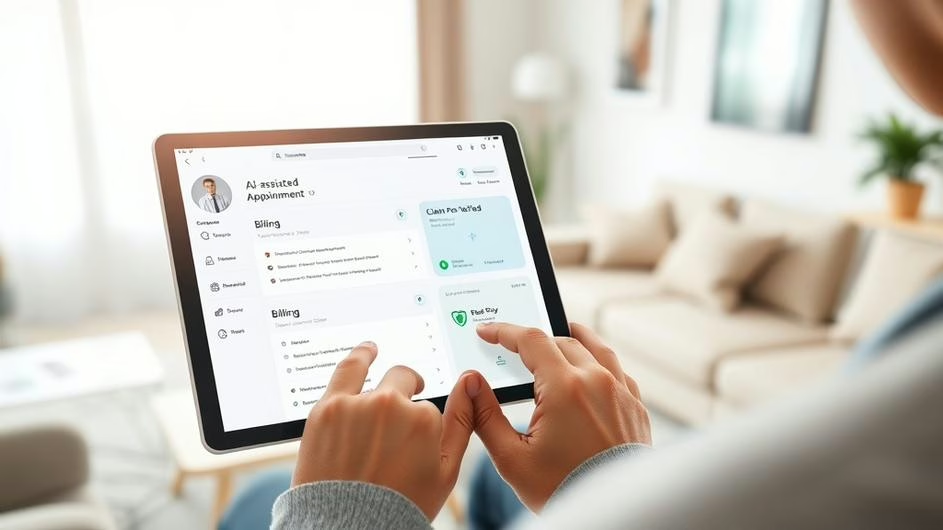
These expectations feed directly into what industry watchers call agentic commerce. That’s when systems act on your behalf, placing orders, scheduling services, or managing subscriptions automatically based on your preferences and context. For brands, this means building transparent, controllable interfaces so the agent feels like an extension of you rather than some opaque service. For engineers, it means designing models and rule systems that balance autonomy with user oversight, logging actions in ways people can actually audit. It’s part of a broader trend we explored in CES 2026’s physical AI and portable play signals.
The Affordability Push
Price sensitivity is becoming a major force shaping the market. Notebookcheck reported fresh leaks suggesting Google plans to price its next Pixel more cheaply than its predecessor, launching sooner with new color options. A lower entry point for flagship-adjacent phones signals a market increasingly focused on value. For platform builders and app developers, this matters because a broader base of capable devices changes the entire landscape. Features once reserved for expensive flagships now need optimization for mid-range hardware, and progressive enhancement becomes critical to reach more users without fragmenting the experience.
This affordability trend connects to larger hardware shifts we’ve been tracking, including the hardware reckoning with microLED and new supply chains shaping 2026. When capable devices become more accessible, it forces software teams to prioritize efficiency and thoughtful feature deployment.
Marketing’s Moment-Driven Future
Those shifts in hardware and commerce collide with a major marketing reorientation. Ad Age contributors argue that 2026 belongs to moments, not feeds. This is a call to craft short-lived, high-relevance interactions that map to user context, rather than broad, continuous campaigns that assume passive attention. For developer-minded product teams, the implication is clear: design systems need to support context-sensitive triggers, ephemeral content, and hooks for real-time personalization without compromising performance.
Logging and telemetry need to be honest about consent, and feature rollouts should prioritize clear user benefit so those moments feel earned, not engineered. This aligns with what we’re seeing in the new wave of consumer AI tools starting in 2026, where marketing becomes more integrated with actual utility.
What It All Means for Builders
Taken together, these strands reveal a larger pattern. The industry is moving away from spectacle and toward integrated usefulness. Robotics demonstrates the promise of hands-on automation, while gadget trends and pricing point to consumers who demand more bang for their buck. Meanwhile, agentic commerce and moment-driven marketing show that services wrapped around devices need to be smarter, more transparent, and more context-aware.
For engineers and product leaders, this presents both opportunity and constraint. The opportunity lies in maturing infrastructure: sensor systems are cheaper, compute is distributed, and machine learning toolchains are more accessible than ever. The constraint comes from user expectations: people will judge systems by real day-to-day value, predictable costs, and privacy guardrails. Building for moments means shipping features that actually save time or reduce cognitive load, not just add another notification.
The next 18 months will be revealing. Expect incremental improvements in home robotics that prioritize modularity and safety, broader adoption of mid-range hardware forcing software optimization, and agentic commerce prototypes evolving into integrated services within trusted platforms. Marketing will reward designs that create meaningful moments rather than chasing impression volume.
Ultimately, CES 2026 wasn’t about a single moonshot. It was about the convergence of many small, practical advances. When devices act more autonomously, when phones become more affordable, and when marketing focuses on moments, the result is a technology landscape that feels more human. It’s a future where machines reduce friction in daily life not by replacing human judgment, but by extending our capabilities in clear, accountable ways. For developers, the practical work ahead involves building reliable perception, transparent autonomy, and efficient software that runs across a widening range of hardware, as we’ve discussed in how AI is moving out of the cloud and into the real world.
Do that well, and the next wave of consumer tech will be measured less by novelty, and more by how well it improves ordinary days.
Sources
CNET, LG CLOiD Hands-On: Will This Robot Do Household Tasks Better Than a Human?, CNET, January 14, 2026, https://www.cnet.com/videos/lg-cloid-hands-on-will-this-robot-do-household-tasks-better-than-a-human/
Ad Age, What 5 new gadget trends say about changing consumer behavior, Ad Age, January 15, 2026, https://adage.com/events-awards/ces/aa-5-gadget-trends-consumers/
Notebookcheck, Google Pixel: New leak suggests cheaper pricing than older smartphone, Notebookcheck, January 13, 2026, https://www.notebookcheck.net/Google-Pixel-New-leak-suggests-cheaper-pricing-than-older-smartphone.1203739.0.html
Ad Age, Decoding 2026 hype vs. reality—tech and retail outlook to know, Ad Age, January 16, 2026, https://adage.com/ad-age-video-podcast/insider/aa-2026-outlook-marketing-hype-vs-reality/
Ad Age, Beyond the feed—why 2026 belongs to moments, Ad Age, January 15, 2026, https://adage.com/opinion/aa-zach-kitschke-canva-2026-belongs-to-moments/